How to Clean Old Glue Off Carbon Arrows: Effortless
Effortlessly remove old glue from carbon arrows by using isopropyl alcohol and a soft cloth. For stubborn residue, a gentle plastic scraper or specialized arrow cleaner can be employed. This process is quick, safe for your arrows, and ensures they’re ready for fletching or use.

Goof Off
Goof Off Adhesive Gunk Remover, 8 fl.…
- ADHESIVE GUNK REMOVER: Remove stickers, labels, tape residue, car decals and adhesive gunk with Goof Off Adhesive Gunk Remover - G…
- FAST RESULTS, VERSATILE APPLICATION: Goof Off is a rapid remover that is safe for use on hard surfaces, including metal, glass, br…
- EASY TO USE: Apply Goof Off Adhesive Gunk Remover directly to sticky surface, allow to penetrate for a couple minutes and then wip…
As an Amazon Associate I earn from qualifying purchases.
Welcome, fellow archers! If you’ve ever replaced vanes or fletchings on your carbon arrows, you’ve likely encountered the sticky challenge of old glue. It’s a common issue that can make your shafts feel rough and prevent new fletchings from adhering properly. Don’t worry, this is a simple fix most archers face. We’re going to walk through easy, tried-and-true ways to get your carbon arrows clean and smooth again, so you can get back to what you love – shooting! Let’s tackle this sticky situation together and make your arrows look and perform their best.
Why Cleaning Old Glue is Important for Your Carbon Arrows
Keeping your carbon arrows clean isn’t just about looks; it’s crucial for their performance and longevity. Old glue residue can create an uneven surface. Imagine trying to stick a new vane onto a lumpy, bumpy surface – it’s not going to hold well! This can lead to fletching coming loose mid-flight, which can drastically affect your arrow’s trajectory and accuracy. A clean arrow shaft provides a smooth, consistent surface for new adhesives, ensuring your fletchings stay put shot after shot.
Furthermore, some older glues, if left on extensively, might even react with the carbon composite over time, although this is rare with modern archery glues. Think of it like this: you wouldn’t paint over a dirty wall, would you? The paint wouldn’t stick properly. The same principle applies to fletching glue on your arrows. A clean canvas means a strong, reliable bond.
Gathering Your Cleaning Supplies
Before we dive into the steps, let’s make sure you have everything you need. Having the right tools on hand makes the process much smoother and more effective. Here’s a list of what you’ll want to gather:
- Isopropyl Alcohol (Rubbing Alcohol): This is your primary cleaning agent. Look for a concentration of 70% or 91%. It’s effective at dissolving many adhesives.
- Soft Cloths or Microfiber Towels: You’ll need a few of these. Microfiber is excellent because it’s non-abrasive and picks up residue well. Old, clean t-shirts can also work in a pinch.
- Plastic Scraper or Old Credit Card: For more stubborn glue, a gentle scraping tool is necessary. Avoid anything metal that could scratch your carbon shaft.
- Fingernails: Sometimes, your own fingernails are the best tool for gently peeling away softened glue.
- Optional: Specialized Arrow Fletching Remover/Cleaner: These products are specifically designed for this task and can be very effective, though often more expensive than basic isopropyl alcohol.
- Optional: Gloves: If you have sensitive skin or prefer not to get your hands dirty, consider wearing disposable gloves.
- Optional: A Well-Ventilated Area or Outdoors: While isopropyl alcohol isn’t highly toxic, it does have fumes. Working in a breezy spot is always a good idea.

The Effortless Step-by-step Guide to Cleaning Old Glue
Now, let’s get those arrows pristine! This process is designed to be beginner-friendly and effective.
Step 1: Initial Glue Removal (The Gentle Approach)
Start by gently trying to peel or roll off as much of the old glue as you can with your fingertips or fingernails. Sometimes, dried glue will have a somewhat brittle quality that allows you to flake it off in larger pieces. Don’t force it; if it’s not coming off easily, move to the next step. This initial step can save you some time and effort by removing the bulk of the residue.
Step 2: Employing Isopropyl Alcohol
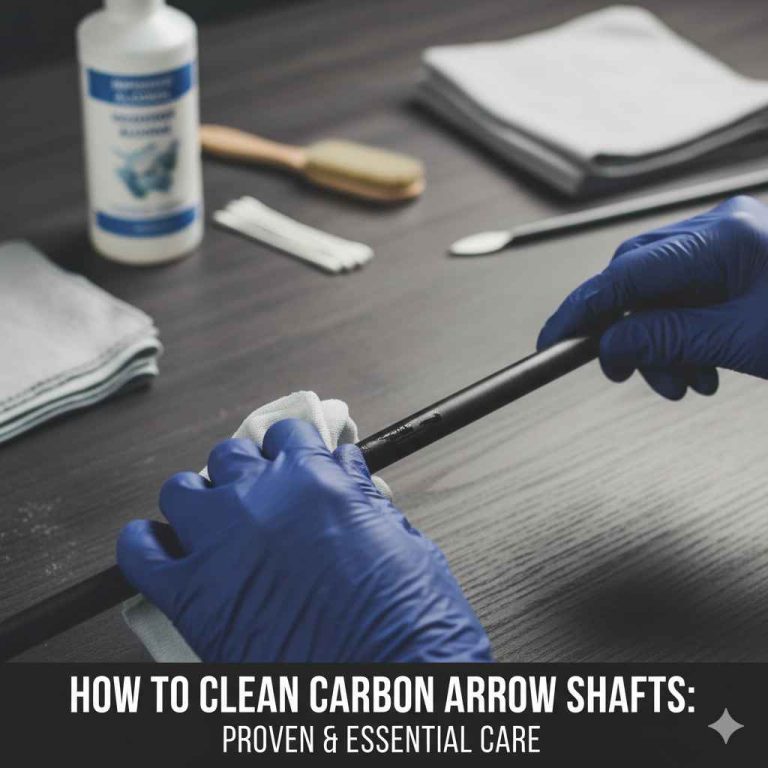
This is where the magic begins. Lay your arrow on a clean surface, ideally on a soft cloth to prevent rolling.
- Dampen a clean cloth or a section of your microfiber towel with isopropyl alcohol. You don’t need to soak it, just make it damp enough to transfer the alcohol to the glue residue.
- Gently rub the area where the glue is located. You’ll likely feel the glue start to soften and become gummy.
- As you rub, the dissolved glue should transfer to your cloth. Keep folding your cloth to a clean section so you’re not just smearing the old glue around. You might see the glue clumping and rolling off.
- For particularly stubborn spots, you might need to apply a little more pressure or let the alcohol sit on the glue spot for about 30 seconds to a minute to allow it to break down the adhesive.
Step 3: Tackling Stubborn Residue
If, after working with the alcohol, there are still patches of glue that won’t budge, it’s time for a little gentle persuasion.
- Take your plastic scraper or the edge of an old credit card.
- Carefully hold the scraper at a low angle against the arrow shaft, right next to the glue residue.
- Gently push and scrape away the softened glue. The key here is gentle. You want to remove the glue, not gouge or scratch the carbon fiber. The isopropyl alcohol should have softened it enough that it scrapes off relatively easily.
- If the glue is still hard, apply a little more isopropyl alcohol to the area and let it soak for a moment before trying to scrape again.
- Wipe away the scraped residue with a clean, dry section of your cloth.
Step 4: The Final Wipe-Down
Once you’ve removed all visible glue residue, give the entire area a good final wipe with a clean cloth dampened with isopropyl alcohol. This will ensure no lingering stickiness or alcohol remains. Follow this with a dry cloth wipe to ensure the shaft is completely dry. A clean, dry surface is essential for new fletching glue to bond properly.
You can check for any remaining residue by running your finger along the shaft. It should feel completely smooth, like the rest of the arrow. If you feel any bumps or stickiness, repeat the relevant steps as needed.
Alternative Methods and Specialized Products
While isopropyl alcohol is the go-to for most archers, there are other options if you encounter particularly persistent glue or prefer a dedicated solution. Understanding these can give you extra confidence.
Specialized Fletching Remover Solvents
Several archery brands offer fletching removers or adhesive dissolvers. These are formulated specifically to break down common fletching adhesives like fletching cement or hot melt glue without damaging carbon. They often work very quickly and efficiently.
How to Use:
- Follow the product instructions carefully.
- Typically, you apply a small amount to the glue residue.
- Let it sit for the recommended time (usually a few minutes).
- Gently wipe away the softened glue with a cloth.
- Some may require a final rinse with water or a wipe with isopropyl alcohol to remove any solvent residue.
These products can be a lifesaver for very old or tough glue, but they are usually more expensive than isopropyl alcohol. For a casual archer, isopropyl alcohol is often more than sufficient.
Heat Gun or Hair Dryer (Use with Extreme Caution!)
In rare cases, with certain types of glue, a small amount of gentle heat can soften the adhesive, making it easier to scrape off. However, this method comes with significant risks for carbon arrows. Excessive heat can delaminate or damage the carbon composite, compromising the arrow’s structural integrity. If you choose to try this, use it on the absolute lowest setting for only a few seconds at a time, and keep the heat source moving constantly. It’s generally recommended to avoid this method altogether for carbon arrows and stick to solvents.
Table: Pros and Cons of Cleaning Methods
Here’s a quick look at the common methods:
| Method | Pros | Cons | Beginner Friendliness |
|---|---|---|---|
| Isopropyl Alcohol | Readily available, inexpensive, effective for most glues, safe for carbon. | May require more rubbing for tough spots. | Very High |
| Specialized Fletching Remover | Highly effective, fast-acting, specifically designed for archery adhesives. | More expensive, requires purchasing a dedicated product. | High |
| Plastic Scraper | Good for physically removing softened residue, inexpensive. | Requires careful technique to avoid scratching carbon. | Good (when used with caution) |
| Heat Gun/Hair Dryer | Can soften very persistent glues. | High risk of damaging carbon if not used extremely carefully, requires controlled heat. | Low (Not recommended for beginners on carbon) |
Tips for Success and Maintaining Clean Arrows
Beyond just cleaning, a few extra tips can help make your life as an archer easier and keep your arrows in top condition.
- Work in Good Light: Make sure you can clearly see the glue residue. A well-lit area will help you spot any missed spots.
- Protect Your Work Surface: Old newspapers or a clean drop cloth will protect your table from alcohol and glue gunk.
- Spin the Arrow: As you clean, periodically spinning the arrow shaft under the cloth helps ensure you’re cleaning evenly around the entire circumference.
- Clean Before Fletching New Vanes: Always perform a thorough cleaning before you apply new fletchings. This is the most critical step for a strong bond.
- Inspect Your Shafts: While cleaning, take the opportunity to give your arrows a good once-over. Look for any cracks, dents, or signs of damage. Damaged arrows should be retired immediately for safety. For more on arrow safety, the U.S. Fish & Wildlife Service offers insights into choosing and maintaining safe archery equipment.
- Proper Storage: Store your arrows in an arrow case. This protects them from dust, dirt, and potential damage, which can reduce the likelihood of needing significant cleaning between uses.
Common Fletching Adhesive Types and Their Characteristics
Understanding the types of glues you might be dealing with can also help in your cleaning efforts. While the methods described above work for most, knowing the foe makes the battle easier!
1. Fletching Cement (Contact Cement)
- Characteristics: These are often rubber-based adhesives. They typically come in a tube or bottle with an applicator. They create a strong, flexible bond.
- Cleaning: Isopropyl alcohol is usually quite effective. You might need to work it in well and use a scraper for any build-up.
2. Cyanoacrylate (Super Glue)
- Characteristics: Fast-acting, hard-setting adhesive. Can be brittle.
- Cleaning: Acetone-based removers (like some nail polish removers, though check for purity) are excellent for cyanoacrylate, but be cautious as pure acetone can sometimes affect certain plastics or finishes. Isopropyl alcohol can work but is less effective than on other glues. Gentle scraping is often necessary.
3. Hot Melt Glue Sticks
- Characteristics: Commonly used in higher-temperature formulations for fletching. Melts when heated, solidifies when cooled.
- Cleaning: Heat can soften it, but as mentioned, be extremely careful with carbon. Isopropyl alcohol can help break down residue. Sometimes, you can gently flake this off once cooled.
4. Specialized Fletching Glues (e.g., Bohning Fletch-Tite, AAE Max Bond)
- Characteristics: These are designed by fletching manufacturers for optimal adhesion to modern vane materials and carbon shafts. They vary in flexibility and curing time.
- Cleaning: Isopropyl alcohol is the universally recommended cleaner for the residue of most of these modern glues.
For beginners, sticking with isopropyl alcohol and a plastic scraper is the safest and most effective approach for the vast majority of situations. Unless you know for sure you’re dealing with a very unusual adhesive, this is your best bet.
When to Consider Professional Help or Replacement
While most glue removal is straightforward, there are times when you might need to consider other options.
- Deep Scratches or Gouges: If, during the cleaning process, you accidentally create deep scratches or gouges in your carbon shaft, the arrow’s structural integrity could be compromised. In such cases, it’s safest to retire the arrow. A damaged arrow can shatter upon impact, posing a serious safety risk. For guidance on arrow inspection and safety, resources from organizations like the Archery GB committee can be invaluable.
- Stubborn Residue That Won’t Budge: If you’ve tried isopropyl alcohol, a plastic scraper, and even a dedicated fletching remover, and the glue is still stubbornly attached, it might be an extremely old or unusual adhesive. At this point, the effort to remove it might outweigh the benefit, especially if you’re finding new arrows at a reasonable price point.
- Damage to Vanes: If you’re cleaning to re-fletch but find your current vanes are damaged beyond repair, it’s often more efficient to remove them completely and start fresh with new ones.
Remember, your safety and the performance of your equipment are paramount. When in doubt, it’s always better to err on the side of caution. Investing in a set of new, properly fletched arrows is often a safer and more predictable solution than risking your safety with a potentially compromised shaft.
Frequently Asked Questions (FAQ)
Q1: How do I know if I’ve removed all the old glue?
A: Run your finger along the cleaned area of the arrow shaft. It should feel completely smooth and slick, with no bumps, ridges, or sticky patches. A final wipe with a clean, dry cloth can often reveal any remaining residue by how the cloth catches.
Q2: Can I use nail polish remover to clean glue off carbon arrows?
A: Some nail polish removers contain acetone, which can be effective at dissolving certain glues. However, acetone can potentially damage the finish or even the carbon composite of your arrow if used improperly or if it’s a pure acetone formula. Isopropyl alcohol is a much safer first choice. If you must use an acetone-based product, test it on a very small, inconspicuous area first, use it sparingly, and wipe clean with alcohol immediately afterward.
Q3: Will cleaning glue residue damage my carbon arrows?
A: When done correctly with appropriate materials like isopropyl alcohol and a plastic scraper, cleaning glue residue will not damage your carbon arrows. The key is to avoid abrasive materials or excessive force that could scratch or gouge the carbon.
Q4: Is it better to use a cloth or a paper towel for cleaning?
A: Soft cloths or microfiber towels are generally better. They are less likely to leave behind paper fibers on the arrow shaft. Microfiber, in particular, is excellent for picking up dissolved glue residue without scratching the carbon.
Q5: How long does it take to clean old glue off an arrow?
A: For most adhesives, cleaning can take anywhere from 2-5 minutes per arrow once you get the hang of it. Very old or stubborn glue might take a bit longer, perhaps up to 10-15 minutes per arrow, especially if multiple applications or gentle scraping are needed.
Q6: Can I re-fletch right after cleaning?
A: Yes, as long as the arrow shaft is completely dry after cleaning. New adhesives need a clean, dry surface to bond properly. A final wipe with a dry cloth ensures you’re ready to go.
Q7: What if the glue is stuck in the nock or vanes?
A: If you’re replacing vanes, you’ll want to remove the old ones first. For glue stuck in the nock area, use a small brush or cotton swab dipped in isopropyl alcohol. For glue on existing vanes you intend to keep (though this is generally not recommended for good adhesion), proceed with extreme caution or consider it a sign the vanes need replacing.
Conclusion
As you can see, cleaning old glue off your carbon arrows doesn’t have to be a daunting task. With simple tools like isopropyl alcohol and a soft cloth, you can quickly restore your arrow shafts to a pristine state.
Related pick: Check today's price on Amazon