Does Carbon Arrows Expire: Essential Guide
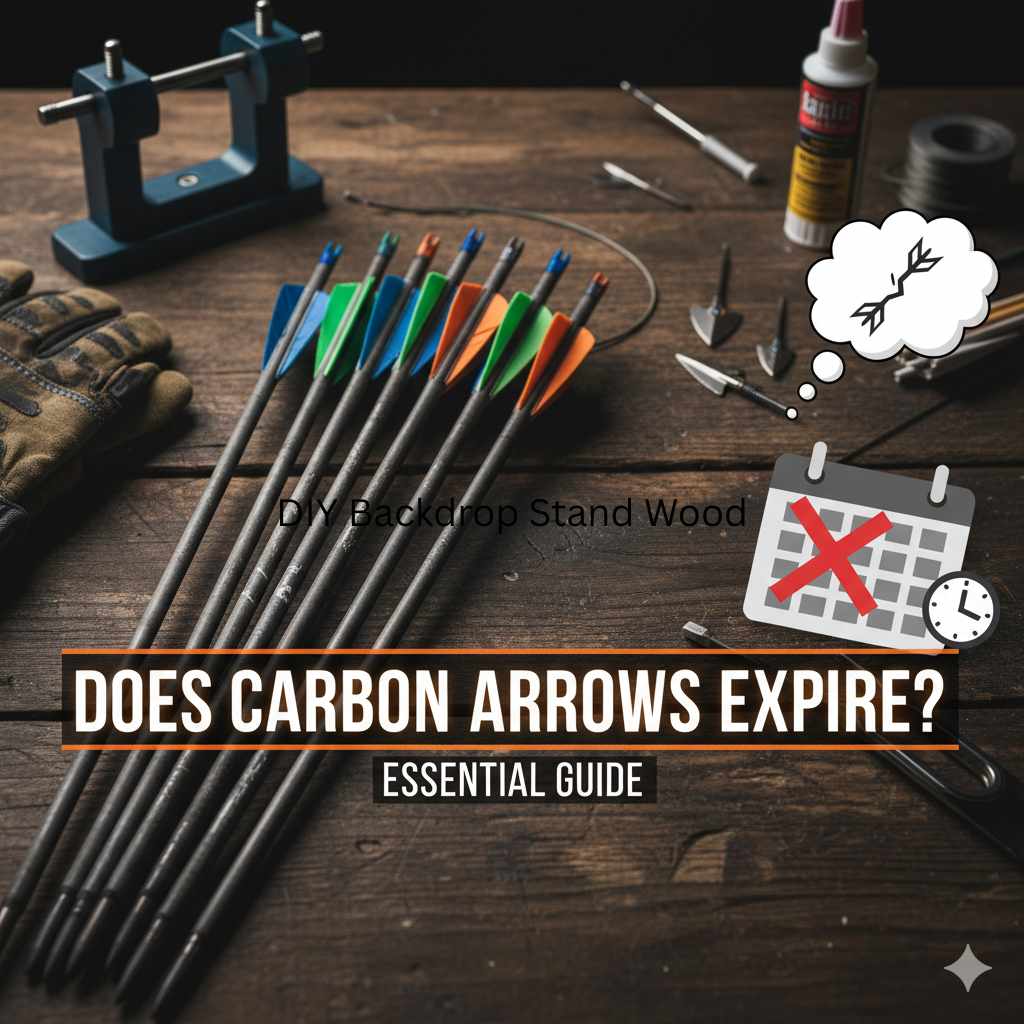
Does Carbon Arrows Expire? The Short Answer: No, not in the way food does. However, they can degrade over time and with use, affecting their performance and safety. This guide will explain what to look for to ensure your carbon arrows remain in top condition for your archery adventures.
ELONG OUTDOOR
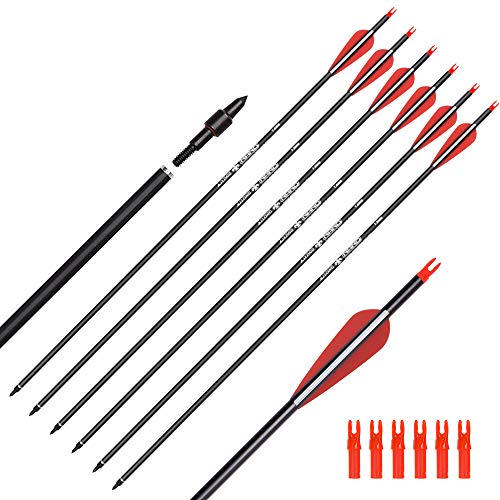
ELONG OUTDOOR Carbon Hunting Arrows Spine 500,100gr…
- Shaft length: 30", whole arrow length: 31.5", outer diameter: 0.307" (7.8mm), inner diameter: 0.244" (6.2mm). Spine: 500. For draw…
- They are solid & well made. Precision carbon hunting arrows made for extended durability and long lasting target practice.
- Nocks are not fixed by glue. It can be adjustable for your bow. You can rotate the nock easily.
As an Amazon Associate I earn from qualifying purchases.
As an archery enthusiast, you might wonder about the lifespan of your gear. Specifically, you’ve probably asked yourself, “Do carbon arrows expire?” It’s a great question! Unlike the milk in your fridge, carbon arrows don’t have a strict expiration date. But, like any piece of equipment that experiences wear and tear, they can lose their effectiveness and become less safe over time. Understanding how to care for them and what signs of wear to watch for is key to keeping your archery consistent and enjoyable. We’ll walk through everything you need to know, from proper storage to spotting damage, so you can shoot with confidence.
Understanding Carbon Arrows and Their Durability
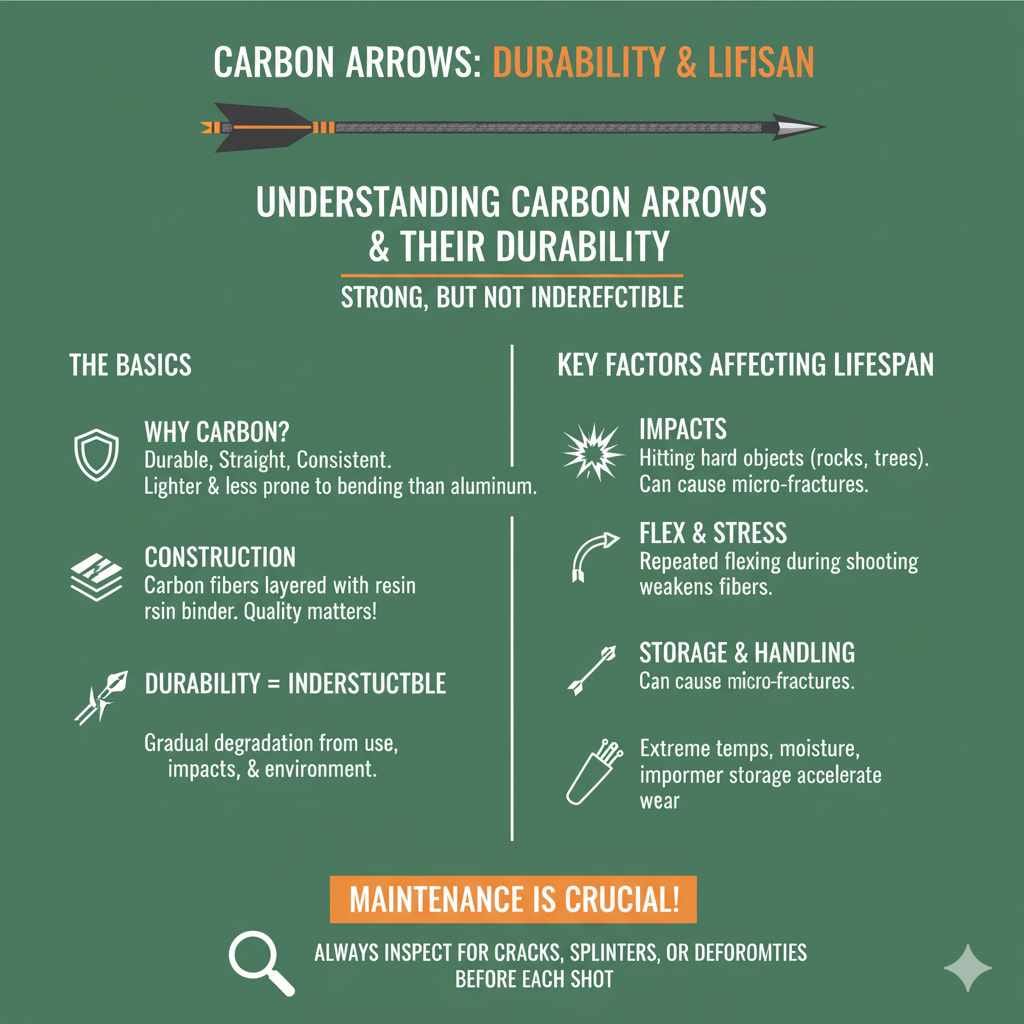
Carbon arrows have become a favorite among archers for many reasons. They are known for their durability, straightness, and consistent performance. Unlike older aluminum arrows, they are less prone to bending and are quite resistant to damage from everyday use. The material itself – carbon fiber composite – is incredibly strong for its weight. This makes it ideal for launching at high speeds from your bow. However, “durable” doesn’t mean “indestructible.” Just like a car needs maintenance or a tennis racket might eventually break, carbon arrows can face challenges that affect their integrity.
The construction of a carbon arrow involves layering carbon fibers with a strong resin binder. This creates a stiff, lightweight shaft. The way these fibers are aligned and the quality of the resin used play a significant role in how well the arrow holds up. When we talk about an arrow “expiring,” we’re really talking about the potential for this composite material to degrade or for the arrow’s components to weaken. This degradation isn’t usually a sudden event but rather a gradual process influenced by how the arrows are treated and used over time.
Factors Affecting the Lifespan of Carbon Arrows
Several factors can impact how long your carbon arrows will serve you well on the range or in the field. Think of them as things that put stress on the arrow’s materials. By being mindful of these, you can extend the useful life of your arrows and ensure they perform as expected.
Environmental Conditions
- Extreme Temperatures: While carbon fiber itself is quite stable, prolonged exposure to very high or very low temperatures can potentially affect the resin that binds the carbon fibers together. For instance, leaving arrows in a hot car for extended periods or out in freezing conditions might, over a long enough time, cause micro-fractures or weaken the bonding.
- Moisture: High humidity or direct water exposure generally isn’t a major enemy of good quality carbon arrows. The materials are usually sealed well. However, if water were to get into cracks or damage, it could potentially interfere with the composite structure or cause issues with fletching and nocks over long periods.
- UV Exposure: Direct and prolonged sunlight (ultraviolet radiation) can, over many years, degrade certain plastics and resins used in arrow components like nocks and vanes. The carbon shaft itself is generally quite resistant to UV, but the accessories attached to it might be more susceptible.
Physical Stress and Damage
- Impacts: This is the biggest factor. Hitting hard objects like rocks, trees, the ground, or even other arrows can cause damage. While carbon arrows are tough, repeated or significant impacts can lead to micro-fractures within the carbon weave or delamination (where layers start to separate).
- Bent or Twisted Shafts: If a carbon arrow gets significantly bent or kinked, its structural integrity is compromised. Even if it looks straight after straightening (which isn’t recommended), it might have weakened points that could fail catastrophically during a shot.
- Improper Handling: Dropping arrows, stepping on them, or improperly transporting them can introduce stresses that, while not immediately visible, can weaken the shaft over time.
Arrow Components
It’s not just the shaft that needs attention. The parts attached to your arrow have their own lifespans and can affect performance. These include:
- Nocks: These are the small plastic pieces at the back of the arrow that connect to the bowstring. They can crack or break from impacts or even from dry firing the bow (shooting without an arrow). A damaged nock can misalign the arrow during the shot, leading to poor accuracy or, worse, a dangerous arrow failure.
- Fletching (Vanes/Feathers): Fletching is crucial for stabilizing the arrow in flight. It can get bent, torn, or detached due to impacts or friction. While often repairable or replaceable, severely damaged fletching will make your arrows fly erratically.
- Inserts and Points (Broadheads/Field Points): The inserts that hold your points can become loose or damaged. Broadheads, in particular, are designed to be sharp and can be damaged on impact, affecting their accuracy and effectiveness.
Signs That Your Carbon Arrows Might Be “Expired” or Damaged
This is where being a diligent archer pays off! Regularly inspecting your arrows can catch potential problems before they turn into a lost grouping, a damaged bow, or an injury. Here’s what to look for:
Visual Inspections (The Most Important Step!)
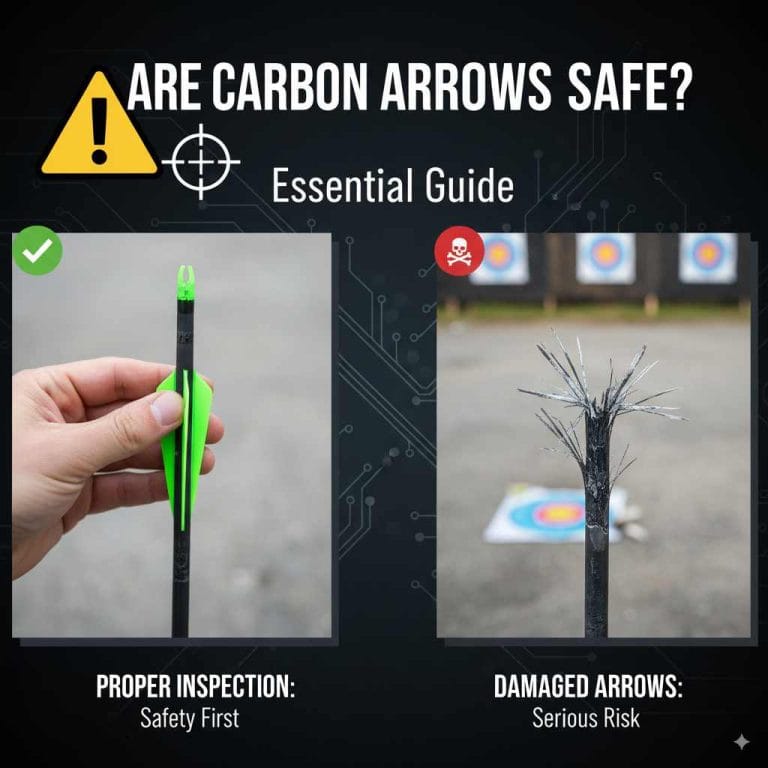
- Look for Cracks or Splinters: Carefully examine the entire length of each carbon shaft. Run your fingers lightly over the surface (be cautious of any sharp edges if damage is suspected!). Look for any hairline cracks, splintering, or signs of delamination. Pay close attention to areas that might have experienced impact. Sometimes, these are best seen by holding the arrow at an angle to the light.
- Check for Bends or Warping: Roll each arrow on a flat surface. If it wobbles noticeably, it might be bent. While minor bends can sometimes be hard to spot, look for any obvious deviation from a perfectly straight line.
- Inspect the Nocks: Make sure the nock is firmly seated and free from cracks, chips, or stress marks. A simple way to check this is to gently try to wiggle it. It should feel secure. Many archers replace nocks preventatively after a certain number of shots or if they experience a hard impact, especially if they use lighted nocks which have more intricate parts.
- Examine the Fletching: Ensure the vanes or feathers are still firmly attached, straight, and not torn or damaged. Bent vanes can often be straightened with hot water or a fletching jig, but severely damaged ones might need replacing.
- Tighten Points and Inserts: Make sure your field points or broadheads are securely screwed into the insert. If the insert itself feels loose inside the arrow shaft, that’s a more serious issue.
Auditory Inspection (The “Shotgun Test”)
This is a common and useful method recommended by many archery professionals.
How to do it:
- Hold the arrow by the front and back and gently tap it against a hard surface (like a table or your hand) at different points along the shaft.
- Listen for any changes in the sound.
- A healthy carbon arrow will produce a consistent, solid “thunk” sound.
- A damaged arrow, one with internal fractures or delamination, will often make a duller, “hollow,” or cracked sound.
This test is excellent for finding internal damage that might not be visible. It’s a quick way to screen your entire quiver.
Performance Issues
Sometimes, the arrows themselves can tell you they’re not performing their best:
- Inconsistent Fletching: If your arrows start to flutter or drift off target unexpectedly, it could be an issue with the fletching or shaft integrity.
- Penetration Problems: If arrows aren’t flying true or hitting where they should, especially after experiencing impacts, it’s a sign they might be compromised.
When Should You Retire a Carbon Arrow?
This decision often comes down to a judgment call, but here are some clear indicators that an arrow should be retired from service. Safety is the priority here, for you, your bow, and anyone around you.
Mandatory Retirement Scenarios:
- Any Visible Crack or Splinter: If you see any crack, no matter how small, or any signs of splintering on the shaft, the arrow is compromised and should be discarded. Shooting a cracked arrow can lead to catastrophic failure upon release, potentially sending fragments flying at high speed. For more on arrow safety, the Popular Mechanics guide on arrow selection and care offers good practical advice.
- Significant Bend or Kink: If an arrow has been bent or kinked, even if it appears straight after trying to fix it, its structural integrity is permanently weakened. Do not shoot it again.
- Damaged or Loose Insert: If the insert that holds your point is cracked, loose, or damaged to the point where it cannot securely hold the point, the arrow is unsafe.
- Compromised Nock: A cracked, broken, or severely stressed nock is a major safety hazard. It can lead to “arrow-on-the-bow” (or ADDS – Archer’s Devastating Disaster Syndrome), where the arrow misses the string and launches directly into your bow, causing damage. Always replace damaged nocks.
- Failure During the Auditory Test: If an arrow produces a distinctly different or hollow sound when tapped, it indicates potential internal damage. Err on the side of caution and retire it.
When to Consider Replacement (Good Practice):
- Extensive Fletching Damage: While fletching can sometimes be repaired, if it’s heavily damaged or repeatedly falls off, it might be time for new arrows to ensure consistent flight.
- Multiple Minor Impacts: Even if no single impact caused a visible crack, if an arrow has been through many minor dings and dunks, its overall structural integrity might be reduced.
- Target Archery Precision: If you’re engaged in competitive target archery where extreme precision is paramount, you might consider retiring arrows that have sustained even minor damage that could ever so slightly affect their flight characteristics.
Proper Care and Storage: How to Make Your Carbon Arrows Last
The best way to maximize the lifespan of your carbon arrows is to treat them well. Simple habits can go a long way in keeping them in excellent condition.
Storage is Key
- Arrow Quiver: Always store your arrows in a proper arrow quiver. This protects them from impacts and keeps the fletching from getting bent.
- Avoid Extreme Environments: Do not leave your arrows for extended periods in places with extreme heat (like a car trunk in summer) or prolonged dampness without proper drying.
- Keep them Dry: If your arrows do get wet, dry them off thoroughly with a soft cloth before storing them. Pay attention to the nocks and inserts.
- Store them Straight: Ensure they are stored in a way that prevents them from being bent or stressed.
Handling and Use
- Be Mindful of Impacts: When shooting, try to avoid hitting hard objects. If shooting in a group, be aware of where other archers are shooting to avoid hitting their arrows.
- Retrieve Arrows Carefully: When retrieving arrows from a target, don’t yank at a sharp angle. Try to pull them straight out, or rock them slightly to release them.
- Avoid Dry Firing: Never dry fire your bow (shoot it without an arrow nocked). This can cause serious damage to your bow and the arrow.
- Regular Inspections: Make it a habit to inspect your arrows before and after each shooting session. This includes the visual and auditory checks discussed earlier.
Maintenance
- Replace Nocks Promptly: If a nock shows any sign of damage or stress, replace it immediately. This is a small, inexpensive part that plays a huge role in safety. You can find information on replacing common nock systems on sites like Archery GB’s website, which offers practical guides.
- Repair Fletching: Bent vanes can often be straightened. Torn fletching might be repairable with fletching cement or by re-gluing. However, if the damage is significant, consider replacing the fletching or the entire arrow.
- Clean Your Arrows: Occasionally, you might want to clean your arrows to remove dirt or residue, especially if you shoot in muddy or dusty conditions. A damp cloth is usually sufficient.
What About Different Types of Carbon Arrows?
While the core principles of carbon arrow durability apply across the board, there are some nuances depending on the arrow’s intended use and construction:
Hunting Arrows vs. Target Arrows
- Hunting Arrows: These are often built for maximum durability as they might encounter rougher conditions in the field. However, they might also be subjected to harder impacts with animals or the environment. Because of this, rigorous inspection after each use is paramount.
- Target Arrows: These are typically designed for maximum straightness and consistency. While durable, they might be retired sooner if precision is compromised by minor damage, as even slight deviations matter in target archery.
Full Carbon vs. Composite/Allumin-Carbon Arrows
- Full Carbon: These are made entirely from carbon composite. They share the characteristics discussed above.
- Aluminum-Carbon Composite: These arrows have an aluminum core wrapped in carbon. They are incredibly durable and straight but can be more expensive. Their lifespan is generally excellent, but again, damage mechanisms like impacts and environmental stress still apply.
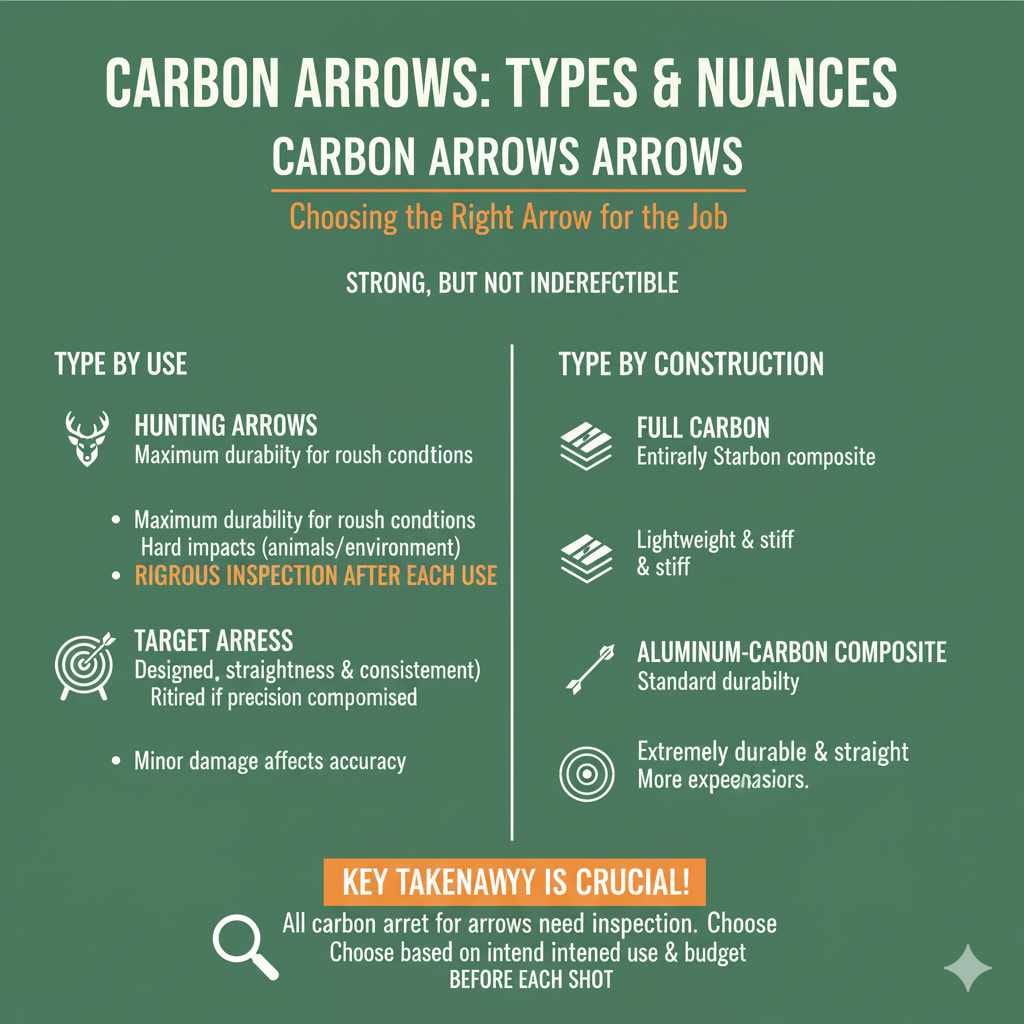
Table: Common Causes of Carbon Arrow Degradation
To help visualize the enemy of your arrows, here’s a table summarizing the common culprits:
| Cause | Effect on Arrow | Is it Preventable? |
|---|---|---|
| Hard Impacts (Rocks, trees, ground) | Micro-fractures, delamination, cracks, bends | Yes, by careful shooting and retrieval |
| Dropping/Stepping On Arrows | Internal stresses, potential micro-fractures | Yes, by careful handling and storage |
| Extreme Temperatures (Heat/Cold) | Potential resin degradation over long periods | Yes, by proper storage out of direct sun/extreme cold |
| Improper Storage (Bent, compressed) | Permanent bends, weakened shaft | Yes, by using a proper quiver and storage methods |
| Damaged Nocks/Fletching | Inconsistent flight, potential safety issues (dry fire) | Yes, by regular inspection and prompt replacement/repair |
| UV Exposure (Minimal impact on shaft) | Degradation of plastic components (nocks, vanes) over many years | Partially, by protecting from prolonged direct sun |
Debunking Myths: What Doesn’t Typically “Expire” Carbon Arrows
It’s good to know what isn’t a major threat. This can help you focus your maintenance efforts. For example:
- Normal Shooting: The act of shooting an arrow from a bow, as long as it’s done with a properly functioning bow and arrow, doesn’t “wear out” a carbon arrow in the sense of expiration.
- Occasional Dampness: A quick splash of rain or morning dew won’t ruin your arrows. As long as they are dried properly afterward, the materials can handle it.
- Being in a Quiver: Storing arrows in a quiver, which is their intended purpose, doesn’t cause them to expire.
The real “expiration” comes from accumulated stress, damage, or component failure, not from simply existing or being used under normal circumstances.
FAQ: Your Carbon Arrow Questions Answered
Q1: How long do carbon arrows typically last?
This varies greatly! A well-maintained set of carbon arrows, used responsibly, can last for many years and thousands of shots. However, if they experience hard impacts or are mishandled, their lifespan can be significantly reduced, even down to a few months for a heavily used arrow that takes damage.
Q2: Is it safe to shoot a carbon arrow with a small crack?
No, absolutely not. Any visible crack or splintering on a carbon arrow shaft is a serious safety hazard. The shaft’s structural integrity is compromised, and it could shatter upon release, potentially causing injury to the archer or damage to the bow. Always retire cracked arrows.
Related pick: Check today's price on Amazon