Do I Need a Spotting Scope for Hunting? Expert Guide & Tips
A clear shot can make or break your hunting trip. Many hunters debate whether they really need a spotting scope for hunting, or if binoculars and a good rifle scope are enough. If you’re planning a serious hunt, especially in open country or for elusive game, the answer is more important than you think. Let’s look at when a spotting scope is essential, when it’s optional, and how it actually affects your success in the field.
What Is A Spotting Scope And How Does It Work?
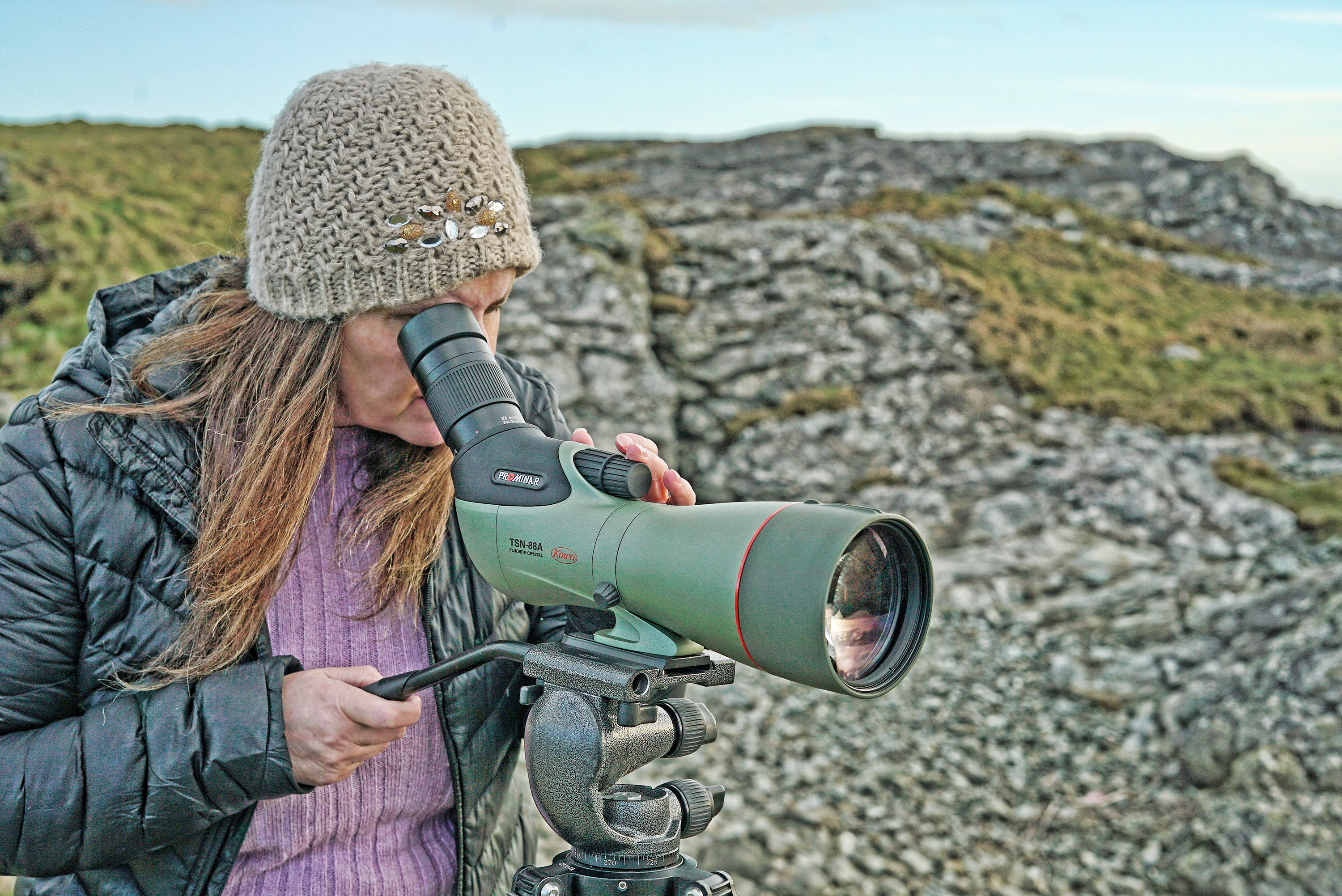
A spotting scope is a high-powered telescope designed for ground viewing. Unlike regular telescopes, spotting scopes are built for use during daylight and have rugged, waterproof bodies. Most have magnification between 15x and 60x, which is much higher than standard binoculars. This lets you see details from hundreds or even thousands of yards away.
Spotting scopes usually have a tripod mount. This keeps the view stable, because even small shakes at high magnification make the image hard to see. Most also use angled or straight eyepieces. Angled eyepieces are easier for glassing uphill or sharing with a group.
Why Hunters Use Spotting Scopes
Spotting Game At Long Distances
In open terrain like mountains, plains, or tundra, game animals can be visible but out of reach. Here, a spotting scope helps you:
- Identify species and gender from long range
- Judge antler or horn size before you stalk closer
- Watch animal behavior without being seen
For example, on a western mule deer hunt, you might glass hillsides from a mile away. With binoculars, you can spot animals. But only a spotting scope lets you see if that deer is a mature buck or a young spike.
Planning Your Approach
A good spotting scope shows not just the animal, but the details of the landscape. You can study:
- Wind direction by watching grass or dust
- Routes for stalking, like ridges or gullies
- Other hunters in the area (safety advantage)
This information can save hours of walking and reduce the chance of spooking your target.
Reducing Mistakes And Wasted Effort
Without a spotting scope, hunters often hike toward a distant animal, only to find it’s the wrong species or not legal to harvest. This wastes energy and increases your scent in the area. With a scope, you confirm details before committing.
Pro Tip: Even if you’re not trophy hunting, knowing what you’re stalking saves time and helps you avoid dangerous situations, like approaching a bear when you thought it was a deer.
Credit: www.peleewings.ca
Spotting Scope Vs. Binoculars Vs. Rifle Scope
Many hunters wonder if a spotting scope is really necessary. Can’t binoculars or a good rifle scope do the job? Here’s how they compare in practice.
| Optic Type | Magnification Range | Best Use | Weight | Stability Needed |
|---|---|---|---|---|
| Binoculars | 8x, 12x | Scanning and quick spotting | Light | No tripod needed |
| Rifle Scope | 3x, 20x | Final aiming and shooting | Medium | Mounted on rifle |
| Spotting Scope | 15x, 60x | Long-range detail and judging | Heavy | Tripod required |
Binoculars
- Great for quick scans and following moving animals.
- Wide field of view.
- Light and easy to carry.
- Limited detail at long range.
Rifle Scope
- Designed for aiming, not spotting.
- Small field of view.
- Mounted to your rifle, so you can’t glass large areas without moving the gun.
- Not legal or safe to point at anything you don’t intend to shoot.
Spotting Scope
- High detail at long range, see antlers, age, and even animal behavior.
- Narrow field of view, best for stationary glassing.
- Heavier and slower to set up.
- Needs a tripod for best image.
Example: On a recent pronghorn hunt, my binoculars picked up several animals at 1,200 yards. But using the spotting scope, I could see the black cheek patch and horn shape, confirming which buck was mature. Without it, I would have wasted time on the wrong animal.
When You Need A Spotting Scope For Hunting
Not every hunt requires a spotting scope. It depends on:
- Distance to game
- Type of terrain
- Species you’re hunting
- Your hunting style
Let’s break it down.
Western Big Game Hunts
In states like Colorado, Montana, or New Mexico, the land is vast and open. Spotting scopes are almost essential for:
- Mule deer
- Elk
- Pronghorn
- Sheep or mountain goats
You’ll glass for hours, judging animals at distances of 1,000 yards or more. Binoculars alone can’t show enough detail.
Open Country And Alpine Hunts
Hunting in open fields, tundra, or high mountains also favors spotting scopes. You can set up on a ridge and scan wide valleys for animals. With the scope, you judge size and plan your route.
Trophy Hunting And Draw Hunts
If you need to identify age or antler points (for legal or trophy reasons), a spotting scope is crucial. Many states have laws about minimum antler size or points. A spotting scope lets you confirm before you stalk.
Bird And Predator Hunting
Spotting scopes are also useful for hunting:
- Turkeys and other large birds in open land
- Coyotes or wolves in wide fields
You can watch animal movement and plan your approach without being seen.
When You Might Not Need A Spotting Scope
If you hunt in thick woods or brush, like much of the Midwest or East, your visibility is limited to 100 yards or less. In these settings:
- Binoculars are usually enough.
- A rifle scope will handle aiming and final identification.
- Spotting scopes add weight without much benefit.
Also, for small game (rabbits, squirrels, upland birds), a spotting scope is rarely needed.
Real-world Insights: What Beginners Miss
Many new hunters think bigger optics are always better. But there are trade-offs. Here’s what most beginners don’t realize:
- Weight and Bulk Matter: Spotting scopes and tripods are heavy. On long hikes, every extra pound counts. Choose a compact model if you walk a lot.
- Learning Curve: High magnification can make it hard to find your subject. Practice at home, or you’ll lose time in the field.
- Atmospheric Distortion: Heat waves and dust can blur your view, especially at high power. Sometimes, lower magnification gives a clearer image.
- Glassing Is a Skill: Just owning a scope won’t make you a better hunter. You need to learn how to use it well, focus, scan slowly, and rest your eyes.
- Tripod Quality: A cheap tripod makes viewing worse, not better. Invest in a sturdy, lightweight model that’s easy to adjust.

Credit: backwoodspursuit.com
How To Choose The Right Spotting Scope
If you decide a spotting scope fits your hunting style, what should you look for? Here are the most important features:
Magnification And Objective Lens
Most spotting scopes are 15-45x or 20-60x. Higher magnification sounds better, but above 40x-50x, the image often gets darker and less clear, especially in low light or bad weather.
The objective lens (front lens) size determines how much light the scope gathers. Common sizes are 60mm, 80mm. Larger lenses are brighter, but heavier.
Straight Vs. Angled Eyepiece
- Straight is fast for targeting objects at the same height as you.
- Angled is more comfortable for long glassing sessions, or when sharing with a partner.
Try both styles before buying.
Image Quality
Look for fully multi-coated lenses and ED (extra-low dispersion) glass. These give a sharper, brighter image with better color. Poor optics can create eye strain and hide important details.
Weatherproofing And Durability
A good hunting scope should be waterproof and fogproof. Rubber armor and a sturdy body protect against bumps and drops.
Size And Weight
Balance clarity with portability. Ultra-light scopes are easier to carry but may sacrifice image quality. Weigh your pack before your hunt.
Price Vs. Performance
Spotting scopes range from a few hundred to several thousand dollars. Top brands include Vortex, Leupold, Swarovski, and Zeiss.
Warning: Don’t buy a cheap, no-name scope. Poor optics are worse than none at all. Start with a trusted brand in your budget range.
Comparing Spotting Scope Models
To help you see how spotting scopes vary, here’s a basic comparison of features you’ll find in common hunting models.
| Model Type | Magnification | Objective Lens | Weight | Best For |
|---|---|---|---|---|
| Compact | 12-36x | 50, 60mm | 1.5, 2.5 lbs | Backpack hunts, short glassing |
| Full Size | 20-60x | 80mm | 3, 5 lbs | Long-range glassing, vehicles |
| Angled | 15-45x | 65, 85mm | 2.5, 4 lbs | Stationary glassing, groups |
Practical Tips For Using A Spotting Scope In The Field
- Set up in a stable spot. Use a tripod on solid ground. Avoid windy ridges if possible.
- Scan with binoculars first. Find animals with wide-view optics, then switch to the scope for detail.
- Keep both eyes open. This reduces eye strain and helps you find your target faster.
- Take breaks. Long sessions can tire your eyes. Rest every 20, 30 minutes.
- Carry a lens cloth. Dust, rain, and fingerprints can ruin your view.
- Practice at home. Learn to focus quickly and track moving animals before your hunt.
Pro Tip: If you hunt with partners, take turns glassing. One person may spot movement or detail the other missed.
Common Mistakes To Avoid
- Over-magnifying: Using 60x in hazy air often makes the image worse. Start lower and increase only as needed.
- Ignoring tripod quality: A flimsy tripod leads to shaky images and frustration.
- Not checking eye relief: If you wear glasses, make sure the scope is comfortable to use.
- Carrying too much weight: Don’t overload your pack, balance what you need with what you can carry all day.
- Not practicing with your gear: Field use is different than in your backyard. Try your scope in real conditions before your hunt.

Credit: www.ronspomeroutdoors.com
Real Stories From The Field
In my experience, a spotting scope has made the difference between a successful hunt and a long, tiring hike many times. On one elk hunt in Colorado, I spent hours glassing with binoculars and saw several herds. Only after setting up the scope did I spot the bull with legal antler points.
Without it, I would have blown the stalk or left empty-handed.
But I’ve also hunted thick Missouri woods where a spotting scope stayed in my truck all week. The trees and brush limited views to 50 yards, and binoculars were more than enough.
Do All Hunters Need A Spotting Scope?
The answer is personal. If you hunt open country, chase big game, or want to judge animals from a distance, a spotting scope is a wise investment. For dense woods or close-range hunts, you can skip it and save weight.
If you’re unsure, try borrowing a spotting scope before buying. See if it fits your hunting style and terrain. Many outdoor clubs or hunting guides will let you test their gear.
Example: At a public land draw hunt, I watched another hunter pack a giant, expensive scope for a whitetail hunt in thick brush. By the end of the week, he admitted he never used it.
How To Care For Your Spotting Scope
Spotting scopes are an investment. Protect yours with these steps:
- Always use lens caps when not glassing.
- Clean lenses with a soft brush and lens cloth, never with your shirt.
- Dry after rain to prevent mold and fogging.
- Store in a padded case during travel.
- Check tripod fittings often to avoid drops.
Spotting Scopes And Legal Hunting
Some states have specific laws about using optics for hunting. For example, using a scope to spot game from a moving vehicle may be illegal. Always check local regulations before heading out.
For more on hunting laws and ethical practices, visit the National Wildlife Federation.
Frequently Asked Questions
Do Spotting Scopes Work In Low Light?
Spotting scopes work best in good light, but models with larger objective lenses (80mm or more) gather more light and perform better at dawn or dusk. However, they still can’t match binoculars with large exit pupils for very low-light viewing.
Choose high-quality glass and lens coatings for best results in dim conditions.
Can I Use A Camera With A Spotting Scope?
Yes, many spotting scopes support digiscoping, attaching a camera or smartphone with an adapter to take photos or video through the eyepiece. This is helpful for recording distant animals or documenting trophy quality. Make sure your scope is stable and use a remote shutter to avoid vibration.
How Much Should I Spend On A Spotting Scope For Hunting?
It depends on your needs and how often you hunt. Entry-level models start around $300, $500, but serious hunters often invest $1,000 or more for clearer, brighter images. Remember to budget for a quality tripod. Trying before buying is the best way to find the right value.