Do I Need a Rangefinder for Rifle Hunting? Here’s the Answer
Rifle hunting often brings excitement and challenge, but it also requires precision. Many hunters ask, “Do I need a rangefinder for rifle hunting? ” This simple question leads to deeper discussions about accuracy, ethics, and technology. You might hunt in open fields, dense forests, or rugged mountains, each place brings its own problems.
Choosing the right tools can make your hunt more successful and enjoyable.
A rangefinder is a device that measures the distance between you and your target. Modern rangefinders use laser technology, offering quick and accurate readings. But is it worth carrying one? Do you really need it, or can your hunting skills and experience replace it?
Let’s explore when a rangefinder is essential, who benefits most, and what you should consider before buying one. By the end, you’ll have a clear idea about whether a rangefinder fits your hunting style.
What Is A Rangefinder?
A rangefinder is an optical device that helps hunters measure distance to a target. Most modern rangefinders use laser technology. You point the device at your target, press a button, and it sends a laser beam. The rangefinder measures how long it takes for the beam to return. This gives you the distance, usually shown in yards or meters.
There are other types, like optical rangefinders and ultrasonic models, but laser rangefinders are the most common for rifle hunting. They’re compact, often fit in your pocket, and are easy to use even for beginners.
How Rangefinders Work
Rangefinders use simple physics. The device sends a laser pulse to your target. When the pulse bounces back, the rangefinder calculates the distance based on the time it took. This process is quick, often less than one second.
Some advanced models also account for angle compensation. If you shoot uphill or downhill, the rangefinder tells you the true horizontal distance. This matters because bullets travel differently at an angle, and knowing the right distance helps you aim better.
Typical Features
Most hunting rangefinders include:
- Distance measurement (usually up to 1,000, 2,000 yards)
- Angle compensation for uphill/downhill shots
- Weatherproof casing
- Simple controls
- Clear display (often LCD)
Some models also show bullet drop or have memory for multiple targets. Prices vary, but you can find reliable devices for under $300.
The Importance Of Accurate Distance In Rifle Hunting
Knowing how far your target is changes everything in rifle hunting. Distance estimation affects bullet trajectory, accuracy, and ethical shot placement.
Why Distance Matters
Bullets don’t travel in a straight line. Gravity pulls them down as they move. The farther you shoot, the more the bullet drops. If you guess the distance wrong, your shot may miss or wound the animal. Ethical hunters aim for quick, clean kills, and this means knowing the exact distance.
For example, a. 308 Winchester bullet will drop about 8 inches between 200 and 300 yards. If you estimate the distance incorrectly, you may miss the vital area. This is not just about skill, it’s about respecting wildlife.
Common Methods Of Estimating Distance
Hunters often try to estimate distance by:
- Judging by eye (visual guesswork)
- Comparing with known objects (trees, rocks)
- Using reticle marks in scopes
These methods work for experienced hunters, but mistakes are common. In my experience, even after years of hunting, visual guesses can be off by 20, 30 yards. That’s enough to ruin a shot at medium to long distances.
Pro Tip: Practice estimating distances before hunting. Use markers in your backyard, then check with a rangefinder. This builds your skills and shows how often visual guesses are wrong.
When Do You Really Need A Rangefinder?
A rangefinder is not always necessary. Some hunters never use one and still succeed. But certain situations make a rangefinder very useful.
Open Terrain
If you hunt in wide, open spaces, plains, high country, or deserts, the distance to animals can be hard to judge. Animals may appear closer than they are. A rangefinder helps you avoid mistakes.
Long-range Shooting
Any shot over 200 yards benefits from precise distance measurement. At these ranges, bullet drop becomes significant. Rangefinders help you dial your scope or adjust your aim correctly.
Steep Angles
Mountain hunting often involves shooting uphill or downhill. Angle compensation is critical. Without it, you might aim too high or too low. Many rangefinders solve this problem.
New Hunters
If you’re new to rifle hunting, your distance estimation skills may not be strong. A rangefinder lets you focus on learning other skills, while giving you accurate information for your shots.
Dense Woods
Rangefinders can help in the woods, but their usefulness is limited. Trees and brush may block the laser. Still, if you find clear lanes, a rangefinder can show if a shot is safe or possible.
Examples
- Long-range elk hunting: Elk can stand 400 yards away, across a valley. You might think it’s 300 yards. Without a rangefinder, you risk a poor shot.
- Mountain goat hunting: Shooting up a steep hill changes the true distance. Angle compensation helps you avoid mistakes.
- Beginner whitetail hunting: New hunters often overestimate how close deer are. A rangefinder gives confidence and accuracy.
Situations Where A Rangefinder Is Less Useful
There are times when a rangefinder adds little value. Understanding these helps you decide if you want to carry one.
Short-range Hunting
If you hunt in thick brush or forests, most shots are under 100 yards. Here, bullet drop is minimal. Your scope’s zero covers these distances well.
Familiar Landmarks
Hunters who know their area often use landmarks. If you hunt the same spot, you may already know the distances. Some hunters place markers or measure before the season.
Fast-moving Targets
Rangefinders take time to use. If an animal moves quickly, you may not have time to check the distance. In these moments, experience and instinct matter more.
Technology Limitations
Rangefinders may struggle in rain, fog, or low light. The laser can bounce off leaves or branches, giving wrong readings. In my experience, rangefinders work best in clear weather and open spaces.
Rangefinder Vs. Skill: Which Matters More?
Some hunters argue that relying on technology weakens basic hunting skills. Others say tools like rangefinders simply improve accuracy and ethical hunting.
Building Skills
Estimating distance is a traditional skill. Hunters learn by practicing, watching animals, and using scope reticles. These skills remain important. But rangefinders can support, not replace, skill.
Example: Experienced hunters often use a rangefinder to confirm their guess. If their estimate matches the rangefinder, they gain confidence.
Technology As A Tool
Using a rangefinder does not mean you lack skill. It means you value precision. Many professional hunters and guides use rangefinders to ensure ethical shots.
A balanced approach is best. Practice distance estimation, but use a rangefinder when accuracy matters most.
Key Factors To Consider When Choosing A Rangefinder
If you decide a rangefinder is right for you, choosing the right model is important. Here are the most critical factors:
Maximum Range
Most hunting rangefinders measure up to 1,000, 2,000 yards. Choose a model that covers your typical hunting distances. For most rifle hunters, 800, 1,200 yards is enough.
Angle Compensation
Look for models with angle compensation. This feature helps when shooting uphill or downhill.
Size And Weight
Rangefinders should be light and compact. You’ll carry them all day, so choose a model that fits in your pocket or pack.
Display Quality
A clear, easy-to-read display matters. Some models have bright LCD screens. Others may struggle in bright sunlight.
Weatherproofing
Check if the device is waterproof or resistant to dust. Hunting can be rough on gear.
Price
Prices range from $100 to over $1,000. Higher prices often mean better range and features. But you can find reliable models for under $300.
Battery Life
Most rangefinders use simple batteries. Make sure the battery lasts through your hunting trip.
User Reviews
Read online reviews. Look for comments about accuracy, durability, and ease of use.
Comparison Table: Key Rangefinder Features
Here’s a quick comparison of three popular rangefinder models:
| Model | Maximum Range | Angle Compensation | Weight | Price (Approx.) | Weatherproof |
|---|---|---|---|---|---|
| Leupold RX-1600i | 1600 yards | Yes | 7 oz | $350 | Yes |
| Vortex Ranger 1800 | 1800 yards | Yes | 7.7 oz | $300 | Yes |
| Bushnell Prime 1300 | 1300 yards | No | 6.3 oz | $200 | Yes |

Credit: gogogosport.com
Pros And Cons Of Using A Rangefinder
Pros
- Accurate distance measurement: Reduces guessing, improves shot placement.
- Ethical hunting: Helps ensure clean kills by placing shots in vital areas.
- Confidence: Knowing the distance lets you focus on the shot.
- Supports skill-building: Confirms your own estimates, helps you learn.
Cons
- Extra gear: One more item to carry.
- Limited use in thick cover: Laser may not work through dense brush.
- Possible distraction: May take time to use, especially with moving targets.
- Battery dependence: Needs power, which can fail.
Comparison Table: Rangefinder Vs. No Rangefinder
| Aspect | With Rangefinder | Without Rangefinder |
|---|---|---|
| Accuracy | High | Varies (skill-based) |
| Ethical Shot Placement | Improved | Risk of poor placement |
| Speed | Slower (device use) | Faster (instinct) |
| Gear Weight | Extra | Less |
| Skill Development | Supports learning | Relies fully on skill |
Common Mistakes When Using A Rangefinder
Even with a rangefinder, mistakes happen. Here are some common errors and how to avoid them:
1. Not Accounting For Angle
Some hunters forget to use angle compensation. If you shoot uphill or downhill, always check if your rangefinder gives the true horizontal distance.
2. Measuring The Wrong Target
Rangefinders can pick up branches or rocks instead of the animal. Always double-check that the device is aimed at the exact spot you want to hit.
3. Ignoring Battery Life
Low battery can lead to failure during a hunt. Check battery before every trip and carry a spare.
4. Taking Too Long
If you spend too much time using the rangefinder, the animal may move. Practice quick use to avoid missing opportunities.
5. Trusting In Technology Alone
Don’t rely only on your rangefinder. Practice estimating distances and know your rifle’s ballistics.
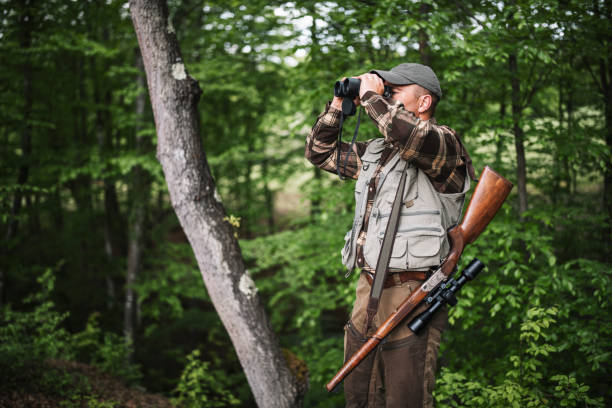
Credit: gogogosport.com
Practical Tips For Rifle Hunters
If you decide to use a rangefinder, here’s how to get the most out of it:
- Practice with your rangefinder before hunting. Try measuring distances in your backyard or local park.
- Learn your rifle’s ballistics. Know how your bullet drops at different distances.
- Carry your rangefinder in an easy-to-reach pocket.
- Use angle compensation for steep shots.
- Check battery life before every hunt.
- Mark key landmarks with known distances. This helps you plan shots in advance.
- Practice quick use so you don’t miss moving animals.
Warning: Never take a shot unless you’re sure of the distance and your rifle’s capability. Ethical hunting means avoiding risky shots.
Alternatives To Using A Rangefinder
Some hunters prefer not to carry extra gear. Here are alternatives:
Scope Reticles
Many rifle scopes have mil-dot or BDC reticles. These marks help estimate distance if you know the size of your target. It takes practice, but can be accurate.
Range Cards
Hunters sometimes make range cards before the season. These cards show distances to landmarks from their stand or blind. They measure with tape or a rangefinder, then use the card during the hunt.
Experience And Instinct
Experienced hunters rely on instinct. Years of hunting build skill in judging distances. This takes time and practice.
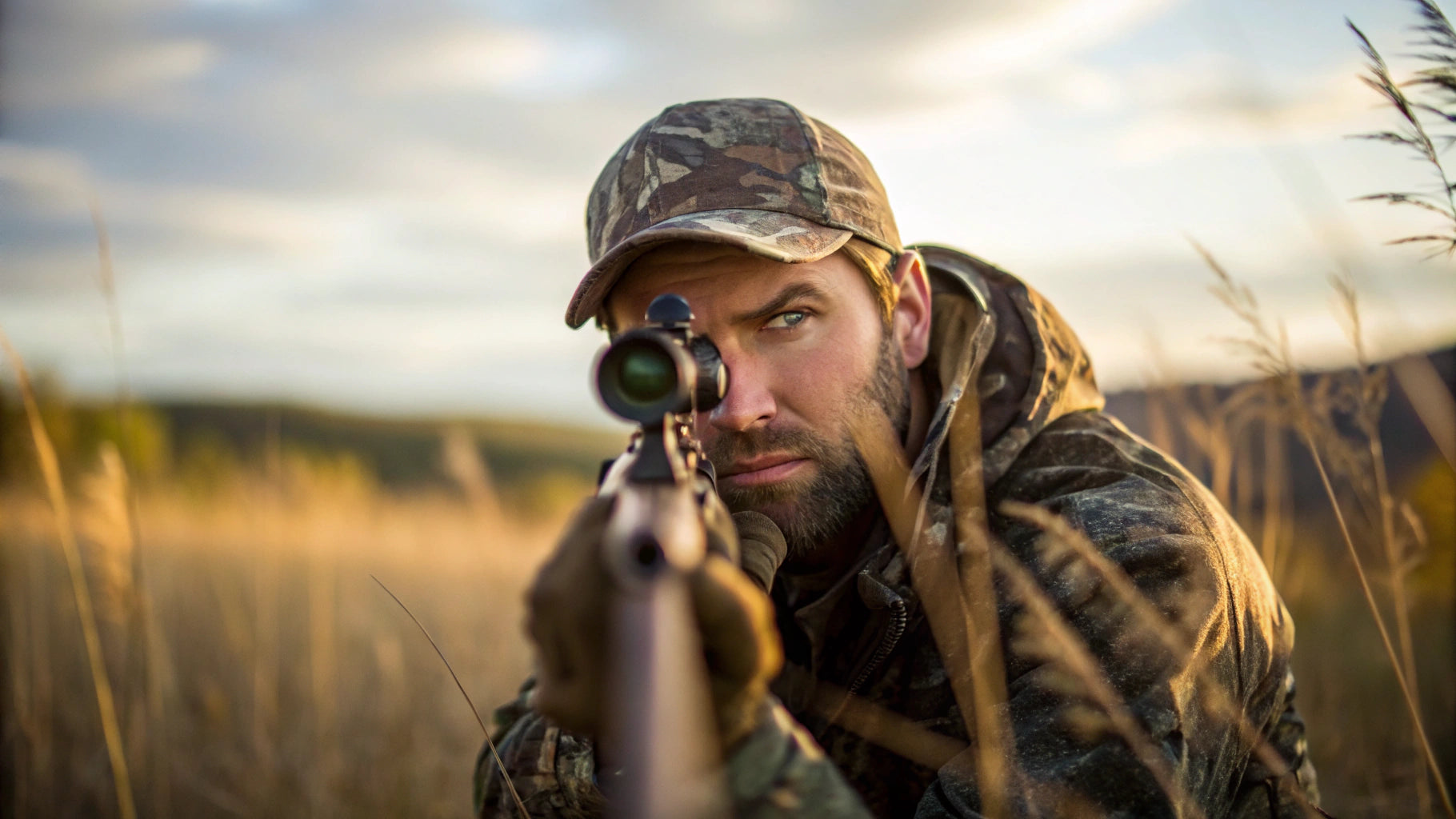
Credit: www.battlbox.com
Ethical Considerations
Using a rangefinder supports ethical hunting. It helps you make clean, humane shots and avoid wounding animals. Many wildlife organizations recommend using technology to improve shot placement.
For example, the National Shooting Sports Foundation encourages hunters to use tools that improve accuracy and ethics (Source Name). Rangefinders fit this recommendation.
Ethical hunting is not just about following laws. It’s about respecting wildlife and the environment. Accurate shots reduce suffering and improve the reputation of hunters.
Frequently Asked Questions
What Is The Best Rangefinder For Rifle Hunting?
The best rangefinder depends on your needs. Look for models with angle compensation, at least 1,000-yard range, and waterproof design. Brands like Leupold, Vortex, and Bushnell are popular. Choose one that fits your budget and hunting style.
Can I Use A Golf Rangefinder For Hunting?
Golf rangefinders measure distance but may lack angle compensation and weatherproofing. They often have limited range and may not work well in rough outdoor conditions. Hunting rangefinders are designed for rugged use and longer distances.
How Accurate Are Laser Rangefinders?
Most laser rangefinders are accurate to within 1, 2 yards at typical hunting distances. Accuracy can drop if you aim at branches, or in poor weather. Always aim at the target’s vital area and double-check the reading.
Do Rangefinders Work At Night Or In Fog?
Rangefinders struggle in low light or fog. The laser beam may scatter, giving