Do Most Bows Allow You to Adjust the Draw Length? Find Out Here
Archery is a sport that blends ancient tradition with modern technology. One aspect that has changed the way people shoot bows is the ability to adjust the draw length. This feature can make a bow more comfortable, accurate, and suitable for different shooters. But do most bows allow you to adjust the draw length? The answer depends on the type of bow, its design, and what you want from your shooting experience. Whether you are a beginner, a seasoned hunter, or someone looking to improve your target skills, understanding draw length adjustment is essential. This article explores how draw length works, which bows offer adjustment, and what to consider before buying or modifying your own bow.
What Is Draw Length And Why Does It Matter?
Draw length is the distance from the grip of the bow (where your hand holds it) to the point where the string is pulled back to your anchor point, usually at the corner of your mouth or chin, plus 1.75 inches. This measurement is crucial because it affects how well a bow fits you, your shooting form, and how much energy you can transfer to the arrow.
If your draw length is too long, you will overextend, lose control, and may even risk injury. If it’s too short, you will not use your full arm span, losing power and consistency. For most people, the correct draw length helps maintain accuracy, prevents fatigue, and improves shooting comfort.
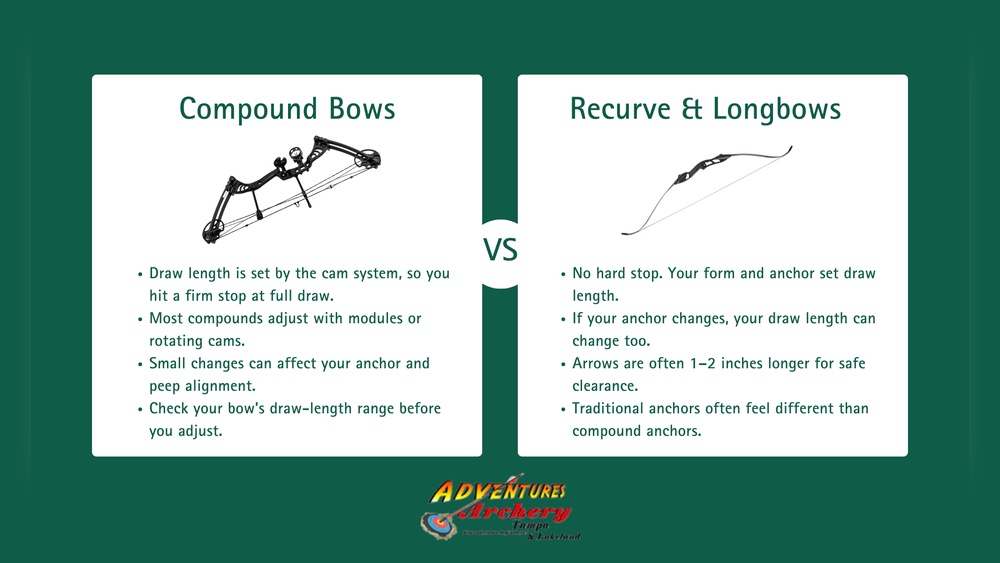
For modern bows, especially compound bows, adjusting the draw length can be as simple as turning a screw or swapping a module. Traditional bows, like recurve and longbows, typically have a fixed draw length, set by the design and size of the bow.
Example: Calculating Draw Length
A common method to estimate your draw length is to measure your arm span (in inches) and divide by 2. 5. For example, if your arm span is 70 inches, your estimated draw length is 28 inches.
Pro Tip: Always use a bow with a draw length that matches your body, not just your strength. This is more important for accuracy than pulling a heavier draw weight.
Types Of Bows And Their Draw Length Adjustability
Not all bows are created equal when it comes to draw length adjustment. The type of bow you choose will determine how much you can customize this feature.
Compound Bows
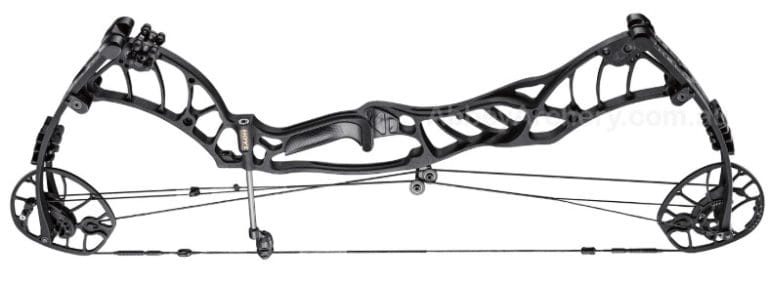
Compound bows are the most adjustable bows for draw length. They use cams and cables that allow for easy changes. Most modern compound bows have modules or rotating cams you can adjust without special tools. This makes them ideal for beginners, growing youth, or anyone sharing a bow.
How Compound Bow Adjustment Works
- Modular systems: These use interchangeable modules to change the draw length. You swap out a module for a different length setting.
- Rotating cams: These let you rotate part of the cam to different positions, changing the draw length without extra parts.
- Screw systems: Some bows use simple screws to lock cams in place at the desired length.
Most compound bows allow for adjustments over a 5 to 7-inch range, usually in half-inch increments.
Recurve Bows
Recurve bows generally have a fixed draw length. They are designed for a smooth pull, and the archer controls how far to draw the string. The bow’s performance, however, is optimized for a specific draw length, often 28 inches. Drawing too far can overstress the limbs, while too short a draw reduces power.
Some modern recurve bows, called take-down recurves, have interchangeable limbs. By changing limb lengths, you can indirectly affect the comfortable draw length, but this is not a true adjustment like in compound bows.
Longbows
Longbows are traditional bows with a simple design and no mechanical parts. They have no built-in draw length adjustment. The archer can pull to any length, but the bow is typically designed for a certain range. Consistently drawing past the intended range can damage the bow.
Youth And Beginner Bows
Many bows for youth or beginners offer a wide range of draw length adjustment. These bows often use simple limb or string adjustments, allowing for growth and changes as the shooter develops.
Comparison: Draw Length Adjustment By Bow Type
Here’s a quick comparison of how different bow types allow for draw length adjustment:
| Bow Type | Draw Length Adjustability | Typical Adjustment Range | Tools Needed |
|---|---|---|---|
| Compound | Highly Adjustable | 5-7 inches | Minimal or None |
| Recurve | Mostly Fixed | None or Minor | None |
| Longbow | Fixed | None | None |
| Youth/Beginner | Adjustable | Up to 10 inches | Minimal |
Why Adjustability Matters For Shooters
Having the ability to adjust draw length can make a huge difference for archers of all skill levels. Here are the main reasons:
- Comfort and Form: A bow that matches your draw length feels better in your hands and helps you shoot with proper posture.
- Accuracy: The right draw length keeps your anchor point consistent, improving shot repeatability.
- Adaptability: Adjustable bows can grow with young archers or be shared between different users.
- Injury Prevention: Using a bow set for your body reduces strain on muscles and joints, minimizing the risk of injury.
Example: On several compound bows, a half-inch change in draw length affected groupings on the target. Adjusting the bow to my exact measurement resulted in tighter groups and less fatigue after a long session.
How To Adjust Draw Length On Popular Bows
If you own or are considering a bow, it helps to know how draw length adjustment works in practice.
On Compound Bows
Most compound bows have either modular cams or rotating cams. To adjust:
- Check the manual: Always start by reading the manufacturer’s instructions.
- Identify the cam system: Look for modules or marks on the cams.
- Change position: Either swap the module or rotate the cam to the desired setting.
- Tighten screws: Secure everything before shooting.
- Test the fit: Draw the bow and check that your anchor point feels natural and repeatable.
Warning: Never adjust cams with the bow strung unless the manual specifically says it’s safe. Some bows require a bow press.
On Recurve And Longbows
For these bows, changing the draw length is not usually possible. The bow is designed for a certain size. You can:
- Change limb length: On take-down recurves, use longer or shorter limbs to get a more comfortable draw.
- Change arrows: Use arrows matched to your natural draw length.
On Youth And Beginner Bows
These often have easy adjustment systems. For example:
- Adjustable limb bolts: Loosen or tighten to change the effective length.
- Move string nocks: Some allow the nock point to be moved for small changes.
Quick Guide: Adjusting Draw Length On Compound Bows
Here’s a step-by-step comparison of two common compound bow adjustment systems:
| Adjustment System | Steps to Adjust | Time Needed | Skill Level |
|---|---|---|---|
| Rotating Cam | Loosen screws, rotate cam to mark, retighten | 5-10 min | Beginner |
| Modular Cam | Remove module, attach new one, retighten | 10-20 min | Beginner to Intermediate |
Factors To Consider Before Adjusting Draw Length
Changing draw length isn’t just about moving parts. You should also think about:
- Draw Weight: Changing the draw length can affect how much force is needed to pull the bow. Always check if the weight stays within your comfort zone.
- Arrow Length: Arrows must be matched to your new draw length for safety and performance.
- Form and Technique: Adjusting the bow is only helpful if your shooting form is correct. Bad posture or anchor point can hide the benefits of a good fit.
- Manufacturer Limits: Not all bows allow unlimited adjustment. Stay within the recommended range to avoid damaging your bow.
Pro Tip: If you’re unsure, visit a local archery shop. Professionals can measure your draw length and set up your bow for you.
Common Mistakes When Adjusting Draw Length
Even experienced archers can make mistakes when changing their draw length. Here are some to watch for:
- Ignoring proper anchor point: Changing the draw length without finding a consistent anchor point leads to inconsistent shooting.
- Over-adjusting: Going to the extreme ends of the bow’s adjustment range can harm performance or even damage the bow.
- Not checking arrow length: Using too-short arrows after increasing draw length can be dangerous.
- Not retuning accessories: Changing draw length may require adjusting your sight, rest, and peep sight for accuracy.
- Skipping safety checks: Always check the bow’s integrity after adjustment. Look for loose screws or cracks.
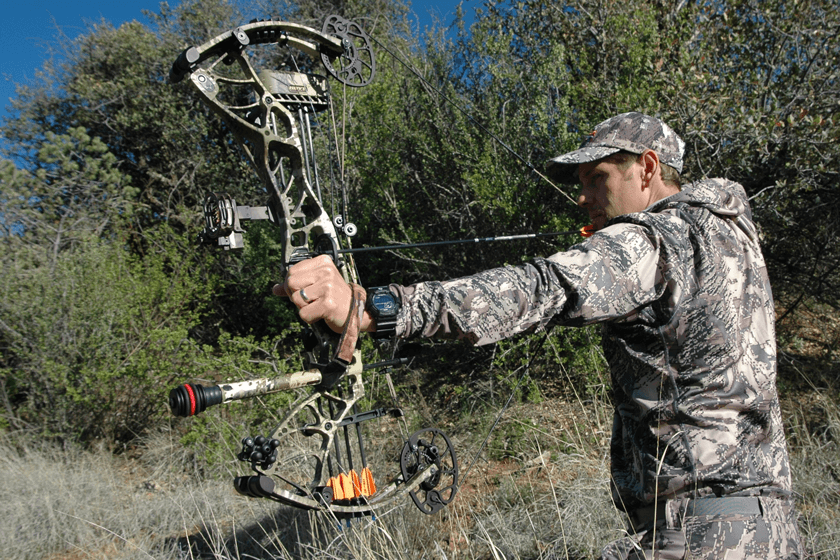
Credit: www.bowhunter.com
Which Bows Allow The Most Draw Length Adjustment?
When it comes to draw length flexibility, some bows stand out above others. The most adjustable bows are:
- Modern compound bows with rotating cams or modular systems.
- Youth compound bows designed for growth.
- Some entry-level recurves with interchangeable limbs, but these only offer limited adjustability.
Here’s a look at how some popular models compare for draw length adjustment:
| Bow Model | Type | Draw Length Range | Adjustment Method |
|---|---|---|---|
| Diamond Infinite Edge Pro | Compound | 13-31 inches | Rotating cam |
| Bear Cruzer G2 | Compound | 12-30 inches | Rotating cam |
| Genesis Original | Compound (Youth) | 15-30 inches | Draw stop |
| Samick Sage | Recurve | Limited (via limb swap) | Change limbs |
Insight: Some bows, like the Diamond Infinite Edge Pro, are marketed as “grow with you” bows, making them popular with families and clubs.
Benefits Of Adjustable Draw Length For Different Archers
For Beginners
Beginners often don’t know their ideal draw length. Adjustable bows let them experiment and find the most comfortable setting without having to buy new equipment. This flexibility can save money and frustration.
For Youth
Children and teens are still growing. Bows with wide adjustment ranges allow the equipment to grow with them, making archery more accessible and affordable for families.
For Hunters
Hunters often wear bulky clothing in cold weather. Being able to shorten the draw length slightly can make it easier to shoot while wearing layers. Some hunters also prefer different settings for tree stand vs ground hunting.
For Competitive Archers
Experienced archers may fine-tune their draw length for different events or styles. Small adjustments can make a big difference in tournament scores.
Example: One Olympic archer shared that adjusting her draw length by just a quarter-inch helped her overcome target panic and regain confidence in her anchor point.
When Fixed Draw Length Bows Are The Better Choice
While adjustability is helpful, some archers prefer a fixed draw length. Here’s why:
- Simplicity: Fixed bows have fewer moving parts, which means less maintenance.
- Consistency: Traditional bows encourage a repeatable form and anchor point.
- Tradition: Many archers enjoy the challenge and aesthetics of classic designs.
Shooting a traditional recurve or longbow can feel more connected to the history of the sport. For some, the lack of adjustability is a benefit, not a drawback.
How To Find Your Correct Draw Length
Finding your ideal draw length is more than just following a chart. The most accurate way is to have a professional measure you. But you can get close on your own with these steps:
- Stand naturally: Arms outstretched, not straining.
- Measure your arm span: Tip to tip, in inches.
- Divide by 2.5: This gives an estimate of your draw length.
Example: If you are 70 inches from fingertip to fingertip, your estimated draw length is 28 inches.
Pro Tip: Always test your draw length with your bow in person. The feel in the hand is as important as the number.
Practical Tips For Adjusting And Using Draw Length
- Adjust in small increments: Even a quarter-inch can make a difference.
- Record your settings: Keep a log of what works best for you.
- Check your form: Adjustments should help you anchor comfortably and see through your peep sight (if using one).
- Tune after adjusting: Always re-tune your bow after changing the draw length.
Are There Downsides To Adjustable Draw Length Bows?
While most archers benefit from adjustable bows, there are a few trade-offs:
- Weight: Some adjustable bows are heavier due to extra hardware.
- Complexity: More moving parts can mean more things to maintain.
- Potential for Noise: Modular parts can sometimes rattle if not secured well.
Most modern bows address these issues, but if you want maximum simplicity and quiet operation, a fixed traditional bow may be better.
Real-world Advice: What I Learned From Adjusting Bows
When starting archery, one should buy a compound bow with a fixed draw length. I soon realized it was too long for me, leading to poor accuracy and sore shoulders. After switching to an adjustable model and setting it up at an archery shop, my shooting improved immediately.
The bow felt like an extension of my arm, and hitting the target became much easier.
Warning: