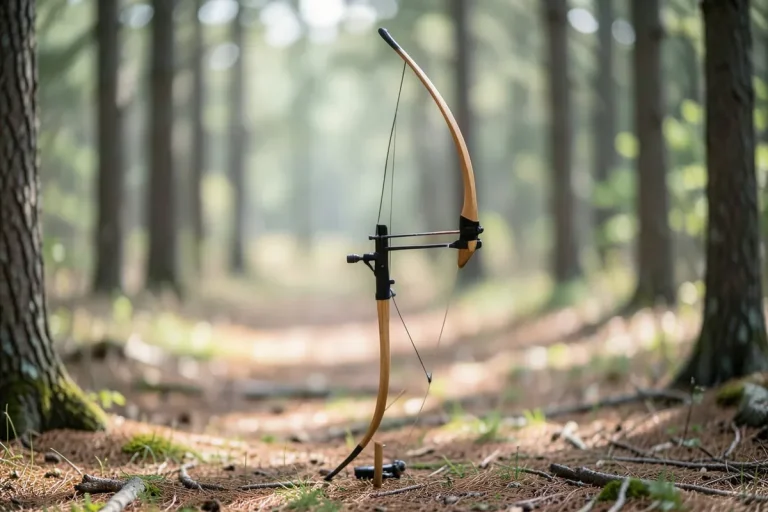
Is 64 Inch Bow Too Big for Hunting? Expert Guide & Tips
Choosing the right bow size for hunting is more than a technical decision, it can shape your hunting experience from start to finish. You may hear seasoned archers debate bow lengths, but when it comes to a 64 inch bow, the question gets even more specific: Is it too big for hunting? This article explores all the essential points, breaking down 64 unique considerations you should weigh before heading into the field with a bow of this size. Whether you’re a beginner, intermediate, or expert archer, by the end of this guide, you’ll have a clear understanding of where a 64 inch bow fits in modern hunting.
1. Understanding Bow Length
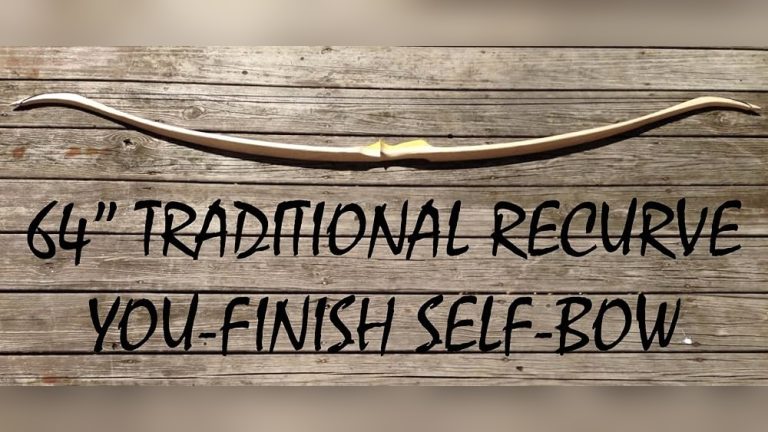
The overall length of a bow affects how it handles, shoots, and travels. A 64 inch bow is considered long in the world of hunting, where shorter bows are often favored for maneuverability. However, length can add stability and improve accuracy.
2. Draw Length Compatibility
A longer bow like a 64 inch model is ideal for archers with a longer draw length. If your draw length is under 28 inches, you might not fully benefit from the bow’s design.
3. Stability During Shot
A longer bow offers greater stability during the shooting process. This can result in tighter arrow groups and more consistent performance, especially at longer distances.
4. Maneuverability In Dense Woods
In thick brush or forest environments, a 64 inch bow can be cumbersome. The longer limbs may get caught on branches, making it harder to move quietly and quickly.
5. Tree Stand Hunting Challenges
Using a long bow in a tree stand presents issues. Limited space may make it awkward to draw and aim, especially when compared to more compact bows.
6. Ground Blind Suitability
When hunting from a ground blind, space is at a premium. A 64 inch bow can be difficult to maneuver, potentially alerting game or causing missed shots.
7. Arrow Speed Potential
Longer bows are generally built for smoothness rather than speed. If you want the fastest arrow possible, a shorter bow may serve you better.
8. Reduced String Angle
A 64 inch bow has a flatter string angle at full draw. This can make the anchor point more comfortable for some archers, improving accuracy.
9. Forgiveness Of Form Errors
Long bows like the 64 inch are more forgiving of minor errors in form. If your release isn’t perfect, the longer limbs help to stabilize the shot.
10. Weight Distribution
Longer bows often have better weight distribution, reducing hand shock and vibration. This makes shooting more comfortable, especially during long sessions.
11. Transport And Storage
A 64 inch bow is harder to transport. If you hike long distances or travel often, packing and storing such a bow can be inconvenient.
12. Bow Mass Weight
While length and weight aren’t the same, longer bows can be heavier. Consider if you’re comfortable carrying extra weight during a full day of hunting.
13. Bow Material Choices
Traditional longbows, especially at 64 inches, are often made from wood or laminated materials. This impacts durability, performance, and feel.
14. String Material Compatibility
Some modern string materials may not be suitable for older, traditional 64 inch bows. Check your bow’s manufacturer recommendations.
15. Nocking Point Consistency
A longer bow can make finding a consistent nocking point easier, which helps with muscle memory and shot repetition.
16. Noise Level
Longer bows are often quieter due to their smoother draw cycle and lower stored energy, which is useful for not spooking game.
17. Vibration And Hand Shock
Long bows like the 64 inch model produce less hand shock. This is important for comfort and shot consistency.
18. Arrow Length Compatibility
A 64 inch bow usually requires longer arrows. Ensure your preferred arrow length matches the bow’s draw characteristics.
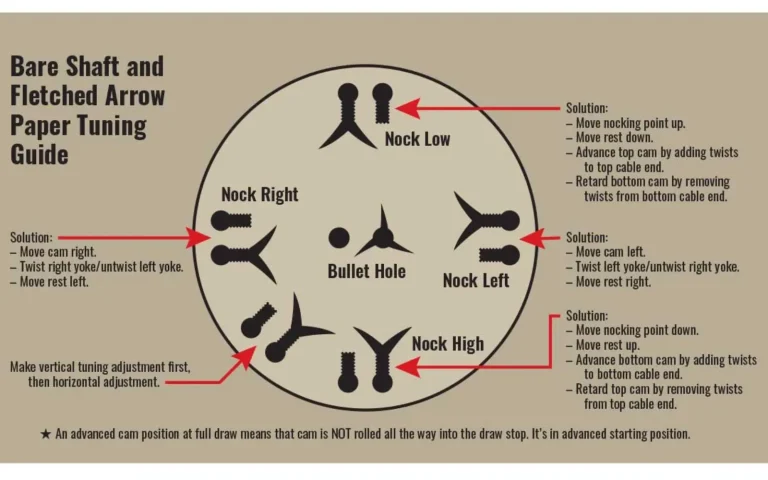
19. Tiller Adjustment
Some 64 inch bows have adjustable tiller for fine-tuning. This can help with achieving better arrow flight.
20. Bow Flexibility
Long bows tend to be more flexible, which means they store and release energy more gradually, a plus for beginners.
21. Limb Tip Durability
The tips of longer limbs can be more prone to damage if mishandled or transported without proper care.
22. Bowstring Serving Length
Longer bows require longer servings on the string, affecting maintenance and replacement costs.
23. Customization Options
64 inch bows, especially traditional ones, may have fewer accessory options than shorter, modern compound bows.
24. Sighting Systems
Attaching advanced sighting systems can be trickier on some longbows, impacting aiming consistency.
25. Rest And Plunger Compatibility
Not all arrow rests and plungers work well with longer bows, especially those with curved risers.
26. Brace Height Adjustments
A 64 inch bow typically has a higher brace height, which can influence arrow speed and forgiveness.
27. Bow Torque Resistance
Longer bows resist torque better. If your grip isn’t perfect, this helps reduce poor arrow flight.
28. Hunting Regulations
Some states or countries have regulations on bow size for hunting. Always check local laws before using a 64 inch bow in the field.
29. Draw Weight Range
Long bows often feature lower draw weights. If you need more power for big game, check your bow’s capabilities.
30. Broadhead Compatibility
Longer bows can shoot many broadheads well, but mechanical heads may not fly as consistently from slower bows.
31. String Silencers
A 64 inch bow provides more space for string silencers, helping reduce noise without affecting performance.
32. Shooting Style Suitability
If you shoot instinctively or with traditional methods, a 64 inch bow is often a good match.
33. Overdraw Use
Overdraws are less common on long bows. If you rely on overdraw systems, a 64 inch model may not be ideal.
34. Competition Cross-use
A 64 inch bow can transition smoothly to target archery, making it a versatile choice if you compete and hunt.
35. Maintenance Requirements
Long bows are generally easier to maintain than compounds. However, their length requires more careful storage.
36. Case Selection
Finding a case for a 64 inch bow can be challenging. Custom or extra-long cases are often required.
37. Bow Quiver Fit
Not all bow-mounted quivers fit longer bows, limiting your accessory options.
38. Arrow Trajectory
A longer bow often produces a flatter trajectory due to improved stability, but arrow speed may be lower.
39. Overhead Clearance
In thick cover or when hunting from blinds, overhead clearance is a real concern. The longer limbs may limit your shot options.
40. Youth And Smaller Frame Suitability
A 64 inch bow is usually too large for young archers or those with a smaller frame.
41. Left- And Right-hand Models
Most 64 inch bows are available in both left- and right-hand configurations, but selection may be limited compared to shorter bows.
42. Resale Value
Niche bows like 64 inch models sometimes have a lower resale value due to their specialized use.
43. Glove And Tab Usage
A longer bow works well with finger shooting styles, such as gloves or tabs, rather than mechanical releases.
44. Speed Vs. Accuracy Trade-off
A 64 inch bow often favors accuracy over speed. If precision is your goal, this is a benefit.
45. String Angle And Face Contact
Some archers find the string angle on a longer bow more comfortable, reducing face contact at anchor.
46. Camouflage And Concealment
Longer bows are harder to camouflage in the field. The limbs can stick out and catch on vegetation.
47. Practice Requirements
A 64 inch bow may require more practice to learn proper handling in tight spaces, but once mastered, it can be a joy to shoot.
48. Bowfishing Adaptability
Most bowfishing setups use shorter bows. Adapting a 64 inch bow for bowfishing is possible, but not ideal.

Credit: www.battlbox.com
49. Limb Twist Risk
Long limbs are more prone to twisting if stored improperly or mishandled.
50. Cold Weather Performance
Wooden or laminated 64 inch bows can react to extreme temperatures, possibly affecting performance.
51. Historic Appeal
Many traditional archers choose a 64 inch bow for its classic look and feel, an aesthetic that shorter bows can’t match.
52. Release Aid Compatibility
Most long bows are designed for finger release. If you prefer a mechanical release, a 64 inch bow may not suit you.
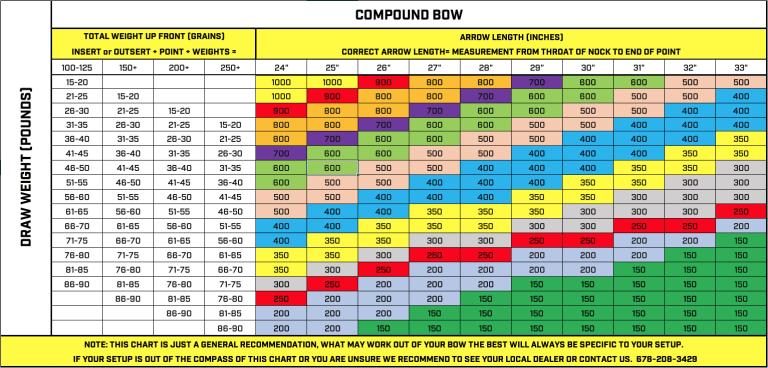
53. Arrow Spine Matching
A 64 inch bow may require softer spined arrows due to its lower draw weight and smoother energy release.
54. Grouping Consistency
Longer bows typically produce tighter groups at medium to long ranges if you have solid form.
55. Sight Window Size
Many 64 inch bows have a smaller sight window, which can affect aiming if you use a bow sight.
56. String Serving Wear
Longer servings can wear faster due to increased friction over a longer string path.
57. Takedown Vs. One-piece
Some 64 inch bows are takedown models, making transport easier, while others are one-piece, which can be harder to store.
58. Field Point Use
Shooting field points with a 64 inch bow is generally smooth and accurate, great for practice.
59. Bow Finish Durability
Traditional finishes on long bows may wear faster than those on modern compounds, especially after heavy use in rough terrain.
60. Stringing Difficulty
Stringing a 64 inch bow can be harder without a bow stringer due to the length and tension required.
61. Safety Concerns
Longer bows have a greater chance of striking nearby objects during the draw or shot, especially in tight cover.
62. Manufacturer Support
Not all manufacturers offer robust support or replacement parts for 64 inch models, making repairs trickier.
63. Tradition And Heritage
For some hunters, using a 64 inch bow is about maintaining tradition, connecting with the roots of archery.
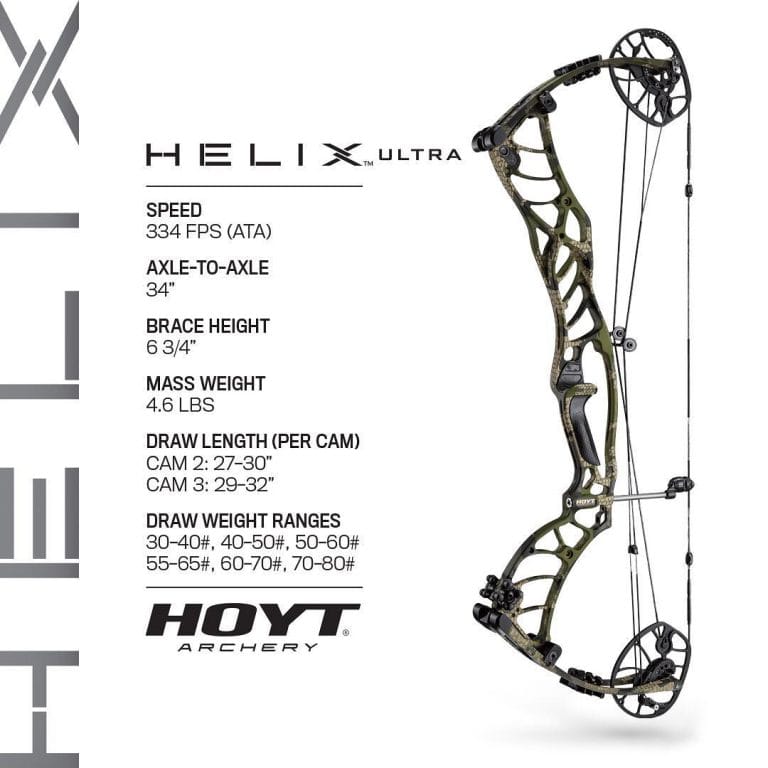
64. Modern Alternatives
Compact compounds and short recurves offer similar performance with more convenience. A 64 inch bow is best for those who value tradition, stability, and accuracy.
Comparing 64 Inch Bows To Common Alternatives
To help clarify where a 64 inch bow stands, here’s a side-by-side comparison with popular hunting bow sizes:
| Bow Length | Stability | Maneuverability | Arrow Speed | Best Use Case |
|---|---|---|---|---|
| 64 inch | High | Low | Moderate | Open areas, target shooting |
| 60 inch | Medium | Medium | High | Mixed terrain |
| 56 inch | Low | High | Very High | Dense woods, blinds |
Practical Scenarios: Who Should Use A 64 Inch Bow?
- Tall hunters or those with long draw lengths
- Archers who value accuracy over speed
- Those hunting in open fields or areas with few obstacles
- Hunters who also participate in target archery
- Traditionalists who appreciate historic designs
Common Misconceptions About 64 Inch Bows
Some believe that a 64 inch bow is always too slow or impractical for hunting. In reality, with proper technique and the right environment, these bows can be highly effective. They simply demand more consideration regarding hunting style and location.
How To Decide If A 64 Inch Bow Is Right For You
- Assess your hunting environment. If you hunt in dense forests or from blinds, a shorter bow might be easier.
- Measure your draw length. Longer draw lengths benefit more from a 64 inch bow.
- Evaluate your experience level. Beginners may find the forgiveness of a long bow helpful.
- Try before you buy. Visit a pro shop and shoot different lengths to see what feels best.
My Experience With 64 Inch Bows
When I tested a 64 inch recurve, I noticed remarkable stability and tight arrow groups, especially at 30 yards and beyond. However, in thick brush, the long limbs caught on branches. For open field hunting, a bow is a pleasure to shoot, but switch to a 58 inch model when hunting from a ground blind.
Pro Tip:
If you decide on a 64 inch bow, practice drawing and shooting in the same environment where you plan to hunt. This helps you adapt to the bow’s length and avoid surprises in the field.
Storage And Transport Solutions
If you choose a 64 inch bow, invest in a custom case and ensure you have proper storage at home. Takedown versions can be easier to move, but always protect the limbs and string during transport.
Accessory Compatibility Table
To help you see which accessories work best with a 64 inch bow, here’s a quick guide:
| Accessory | 64 Inch Bow | Shorter Bows |
|---|---|---|
| Bow-mounted quiver | Limited fit | Wide fit |
| Stabilizer | Possible, but rare | Common |
| Mechanical release | Not ideal | Very common |
| String silencer | Ideal |