How To Bow Hunt Elk In Oregon
Oregon’s wild, rugged landscapes and healthy elk populations make it a bucket-list destination for bow hunters seeking a challenge. With over 1 million acres of public land, diverse terrain from the high Cascade peaks to the rolling Blue Mountains, and thriving herds of Rocky Mountain and Roosevelt elk, Oregon offers unmatched opportunities for archery elk hunting.
But success here demands meticulous preparation, a deep understanding of regulations, and advanced woodsmanship. Whether you’re a seasoned hunter or planning your first Oregon adventure, mastering the strategies and nuances of bow hunting elk in this state can mean the difference between a successful harvest and a story of “the one that got away.
”
This guide delivers a comprehensive, step-by-step approach to bow hunting elk in Oregon. From understanding regulations and season dates to selecting the right gear and scouting tactics, you’ll gain actionable insights and real-world examples to maximize your odds. We’ll break down the state’s best hunting units, discuss elk behavior throughout the season, and provide expert tips on stalking, calling, and field dressing.
With data, tables, and firsthand experience woven in, you’ll walk away ready to plan your hunt with confidence, and hunt ethically and effectively in one of the Pacific Northwest’s most storied wild places.
Key Takeaways
- Oregon offers both over-the-counter and controlled archery elk hunts with diverse terrain and elk subspecies.
- Success rates for bow hunting elk in Oregon average 7, 12%, reflecting the challenge and skill required.
- Understanding regulations and unit selection is crucial for legal and ethical hunting.
- Mastering elk behavior, calling, and stealth dramatically increases your chances of a close-range shot.
- Preparation, scouting, and physical fitness are as vital as equipment and marksmanship.
- Real-world examples and tables in this guide help you compare units, gear, and strategies for Oregon bow hunts.
Credit: www.opb.org
Understanding Oregon Elk And Bow Hunting Regulations
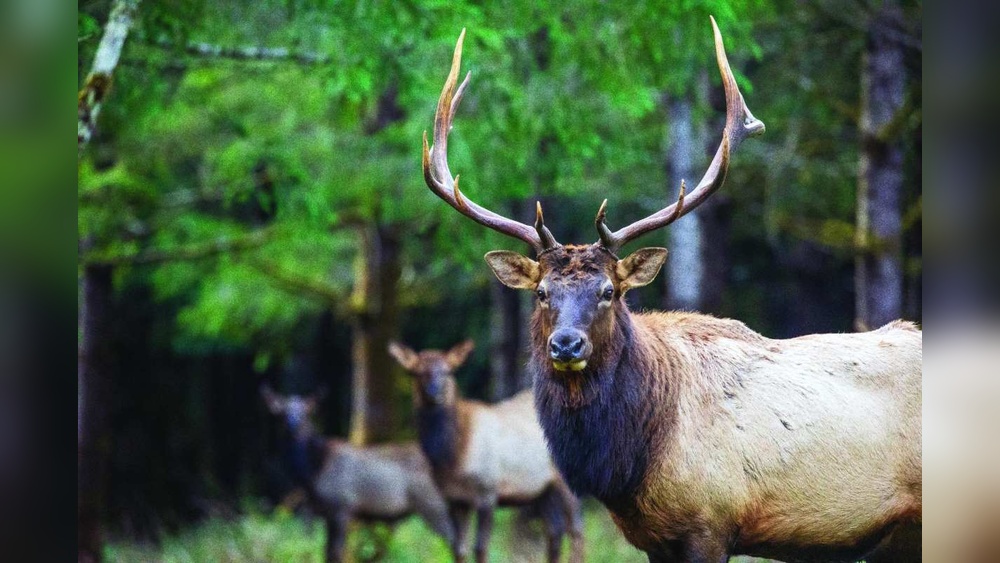
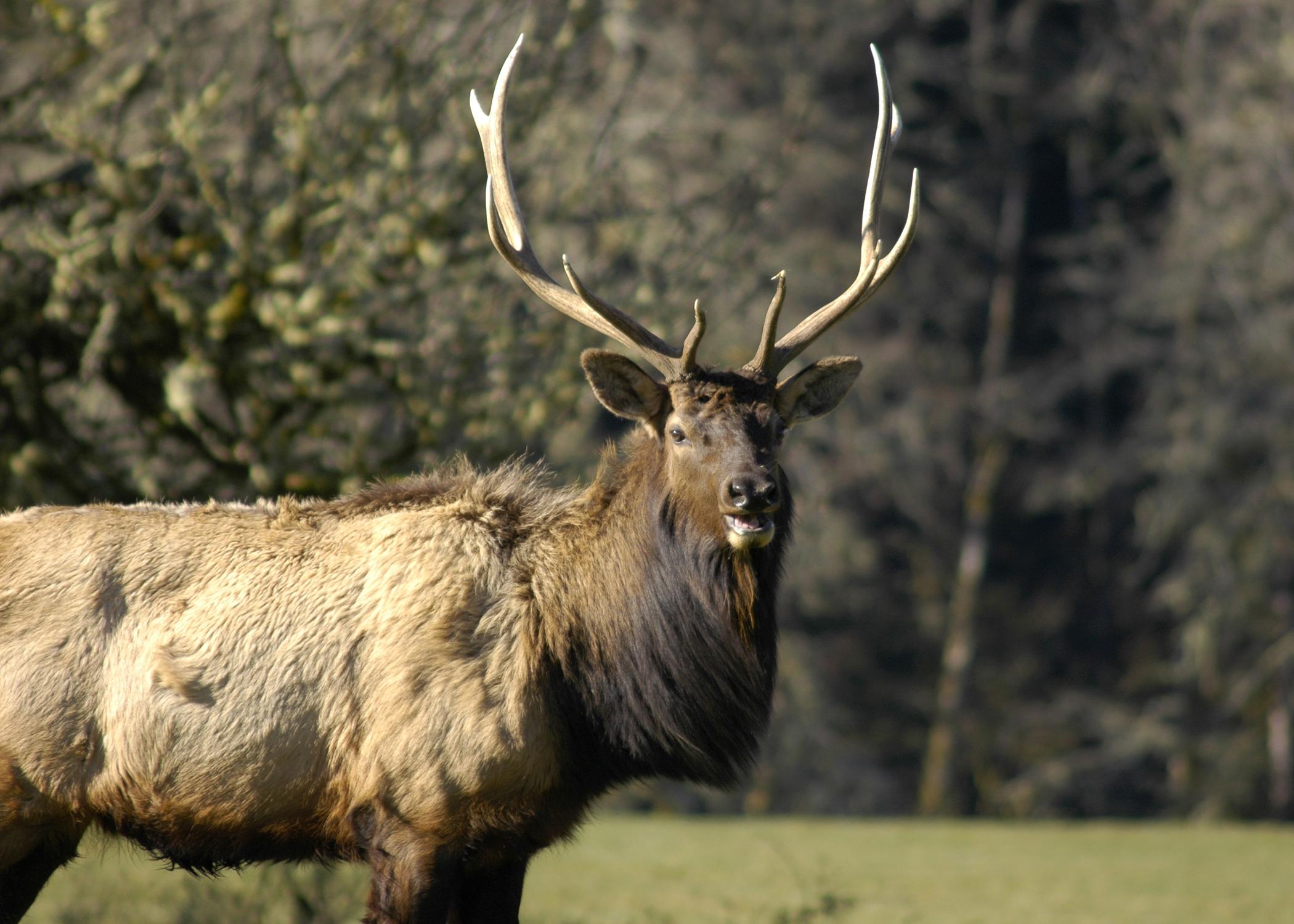
Oregon’s elk populations are among the largest in the western United States, split between two distinct subspecies: Rocky Mountain elk (primarily east of the Cascades) and Roosevelt elk (west of the Cascades, especially in the coast range). Knowing the distinction and the regulations for each area is foundational for planning your hunt.
Elk Subspecies And Distribution
- Rocky Mountain elk: Larger-bodied, found in eastern Oregon’s open timber, meadows, and high country. Known for greater antler mass.
- Roosevelt elk: Slightly smaller, inhabit western Oregon’s dense rainforests and coastal mountains, often in thick cover.
| Subspecies | Typical Range | Average Bull Weight | Antler Size |
|---|---|---|---|
| Rocky Mountain Elk | East of Cascades | 700 lbs | Large, heavy beams |
| Roosevelt Elk | West of Cascades | 600 lbs | Wider, less massive |
Bow Hunting Season Structure
Oregon’s archery elk season generally starts in late August and runs through late September. The Oregon Department of Fish and Wildlife (ODFW) sets precise dates annually and distinguishes between general (over-the-counter) and controlled (limited entry) hunts.
- General Archery Season: Open in most western units and select eastern units; tag is available over the counter.
- Controlled Archery Hunts: Require a draw; provide access to units with lower hunting pressure and/or higher success rates.
Tagging And Licensing
- Resident and non-resident hunters must possess a valid Oregon hunting license and an archery elk tag specific to the chosen unit or hunt.
- Tags are unit-specific; ensure you apply for or purchase the correct one.
- ODFW enforces strict reporting requirements; all hunters must report harvest or unsuccessful hunts.
Regulations And Restrictions
- Legal archery equipment: Minimum 40-pound draw weight, fixed or mechanical broadheads with a cutting diameter of at least 7/8 inch.
- Antler restrictions: Vary by unit and hunt; some require 3-point minimum, others are any bull or spike-only.
- Hunting methods: No use of electronic calls or baiting. Hunting over waterholes is allowed but check for local restrictions.
Pro Tip: Always double-check current ODFW regulations and unit maps before your hunt. Changes in fire closures, motor vehicle restrictions, and private land boundaries can occur unexpectedly. For the most up-to-date rules, consult the official ODFW Big Game Regulations.
Case Example: Tag Confusion
In my experience, a friend mistakenly purchased a general tag for a unit that required a controlled draw. He was unable to legally hunt in that area and had to relocate, losing valuable days in the field. Always confirm your tag matches your intended hunt location.
Choosing The Right Oregon Elk Hunting Unit
Success in Oregon archery elk hunting often hinges on unit selection. The state’s terrain is highly varied, and elk densities, hunter access, and trophy potential differ dramatically from one region to another.
Top Units For Rocky Mountain Elk
Eastern Oregon holds the majority of Rocky Mountain elk and offers both general and controlled archery opportunities.
- Sled Springs, Wenaha, and Mount Emily: Premium controlled units with high bull-to-cow ratios, but require many preference points to draw.
- Heppner, Ukiah, and Starkey: Popular general season units with good access and moderate success rates.
Top Units For Roosevelt Elk
The western side of the state, especially the coastal mountains, is renowned for Roosevelt elk.
- Trask, Alsea, and Tioga: General season units with large public land tracts.
- Stott Mountain, Siuslaw, and Alsea controlled hunts: Limited entry, but provide higher quality hunts.
Unit Comparison Table
| Unit Name | Subspecies | Tag Type | 2026 Success Rate (%) | Public Land (%) | Terrain Features |
|---|---|---|---|---|---|
| Mount Emily | Rocky Mountain | Controlled | 18 | 68 | Ridges, timber, meadows |
| Trask | Roosevelt | General | 9 | 62 | Dense forest, clearcuts |
| Heppner | Rocky Mountain | General | 10 | 74 | Pine, open hills |
| Tioga | Roosevelt | General | 7 | 55 | Steep brush, timber |
Public Vs. Private Land Considerations
While Oregon boasts extensive public lands, some of the best elk habitat, particularly for Roosevelt elk, lies on private timber company lands. Many companies participate in access programs or sell permits; always research availability and obtain necessary permissions.
Example: Controlled Vs. General Hunt
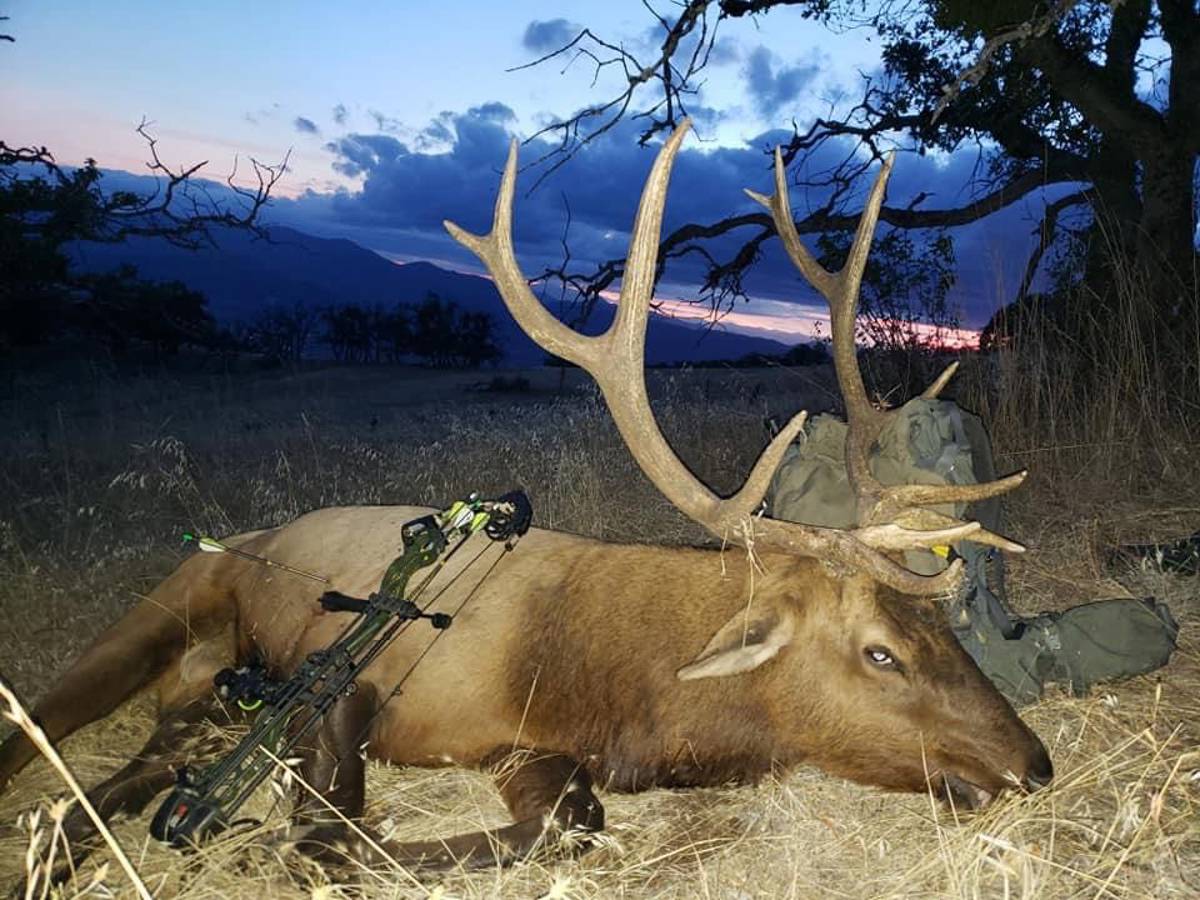
A hunter with 8 preference points drew the Mount Emily controlled tag and harvested a mature 6×6 bull within four days, citing low hunter pressure and abundant rutting activity. Conversely, a general season hunter in the Trask unit spent 10 days afield and encountered heavy competition but still managed a 4-point bull after persistent effort.
Credit: www.bookyourhunt.com
Essential Gear And Bow Setup For Oregon Elk
Oregon’s terrain and weather can be unpredictable, and elk are notoriously tough animals. The right gear, and knowing how to use it, can make or break your hunt.
Bow And Arrow Selection
- Draw weight: A minimum of 60 pounds is recommended for elk to ensure deep penetration.
- Arrow weight: 400, 500 grains total arrow weight for optimal balance of speed and penetration.
- Broadheads: Fixed-blade or high-quality mechanical broadheads; sharp, durable, and at least 7/8-inch cutting diameter.
Pro Tip: Test your broadheads for accuracy at 40, 60 yards before your hunt. Oregon’s thick cover often results in sub-40 yard shots, but being confident at longer ranges is invaluable.
Clothing And Footwear
- Layering: Moisture-wicking base layers, insulating mid-layers, and waterproof outer layers are essential for Oregon’s variable weather.
- Boots: Insulated, waterproof boots with aggressive tread handle steep, muddy terrain and long miles.
- Camo patterns: Opt for patterns that blend with Oregon’s timber or brush; open country patterns for east, dark forest patterns for west.
Navigation And Safety Gear
- GPS and offline maps: Cell service is unreliable; download offline maps (e.g., OnX, Gaia).
- Compass and backup batteries: Old-school navigation is a lifesaver if electronics fail.
- First aid kit, water filtration, fire starter: Oregon’s wilderness is remote, be prepared for emergencies.
Elk Calls And Scents
- Diaphragm (mouth) calls: Allow hands-free bugling and cow calls.
- Tube bugle: Projects sound for location bugling.
- Cow in heat scents: Can be effective during the rut but use sparingly.
Gear Checklist Table
| Item | Recommended Brand/Spec | Purpose |
|---|---|---|
| Bow | 60, 70 lb compound | Primary weapon |
| Arrows | 400, 500 gr, carbon | Penetration, accuracy |
| Broadheads | Fixed/mechanical, 7/8″+ | Lethality |
| Boots | Waterproof, insulated | Mobility, comfort |
| Elk calls | Diaphragm + tube | Locating, calling |
| GPS/maps | OnX, Gaia, compass | Navigation |
Example: Gear Failure In The Field
During a September hunt in the Tioga unit, a sudden rainstorm soaked my pack and ruined my paper maps. Fortunately, I had preloaded GPS maps on my phone and a backup battery, allowing me to safely navigate back to camp.
Redundancy in gear is critical in Oregon’s unpredictable climate.

Credit: myodfw.com
Scouting And Understanding Elk Behavior
Scouting, both before and during the season, is vital for success. Elk are highly mobile and respond rapidly to hunting pressure, weather, and food availability.
Preseason Scouting Techniques
- E-scouting: Use satellite imagery to locate meadows, north-facing slopes, water sources, and cover.
- Trail cameras: Deploy in likely travel corridors or wallows but always abide by ODFW regulations.
- Boots-on-the-ground: Hike prospective areas in August to locate fresh sign, bedding areas, and wallows.
Elk Patterns And Seasonal Movements
- Early season: Elk feed heavily and often bed in cool, shaded timber during the day.
- Rut (mid-September): Bulls are vocal, gather harems, and respond to calls. Elk may move into more open areas.
- Post-rut: Elk become more reclusive, favoring thicker cover and higher elevations.
Reading Elk Sign
- Tracks: Fresh, large tracks indicate recent activity.
- Droppings: Moist, green piles are a sign elk are close.
- Rubs and wallows: Bulls thrash saplings and use muddy wallows during the rut.
Example: Effective Scouting Pays Off
After weeks of e-scouting and two preseason trips, a hunter in the Alsea unit found a hidden wallow deep in a coastal draw. During the September rut, he set up nearby and called in a herd bull within 15 minutes of daylight, harvesting a 5×5 at close range.
Elk Calling, Stalking, And Hunting Strategies
Elk are wary, have keen senses, and inhabit diverse terrain. A successful Oregon bow hunter adapts tactics to conditions, elk behavior, and hunting pressure.
Mastering Elk Calls
- Location bugles: Used to locate bulls from a distance. Begin at first and last light.
- Challenge bugles: Used to provoke territorial bulls during the rut.
- Cow calls: Used to reassure elk or coax bulls within range.
- Calling cadence: Mimic natural elk communication; less can be more, especially in pressured areas.
Pro Tip: Listen for real elk and try to match their tone and cadence. Over-calling is a common mistake among beginners.
Still-hunting And Spot-and-stalk
- Still-hunting: Move slowly through timber, using wind and cover to your advantage. Stop often to listen and glass.
- Spot-and-stalk: Glass open ridges or clearcuts at dawn/dusk, then plan an approach when elk are bedded or feeding.
- Wind management: Always approach with the wind in your face; elk will bolt if they catch your scent.
Ambush And Stand Hunting
- Wallows and waterholes: Set up downwind of active wallows, especially during warm afternoons.
- Travel corridors: Identify funnels between bedding and feeding areas for stand placement.
Example: Calling Success In Heavy Timber
A bowhunter in the Wenaha unit used soft cow calls to coax a satellite bull into a small opening at 25 yards. The thick timber made stalking impossible, but patient calling and remaining still paid off with a perfect broadside shot.
Physical Preparation And Safety In Oregon’s Backcountry
Oregon elk hunting is physically demanding. Success often goes to those who can cover ground, climb steep slopes, and pack out heavy quarters over rugged terrain.
Conditioning And Fitness
- Cardio: Trail running, hiking with a loaded pack, and stair climbing simulate hunting conditions.
- Strength training: Focus on legs, core, and back for carrying gear and packing meat.
- Endurance: Multi-day hunts require stamina and mental toughness.
Wilderness Safety
- Navigation: Know how to read a map and compass; technology can fail.
- Emergency communication: Carry a PLB (Personal Locator Beacon) or satellite messenger in remote areas.
- Weather awareness: Be prepared for rapid changes, snow, rain, and heat waves can occur in September.
Meat Care And Field Dressing
- Immediate field dressing: Elk spoil rapidly, especially in warm weather. Skin and quarter the animal as soon as possible.
- Game bags: Essential for keeping meat clean and cool.
- Pack-out planning: Elk quarters can weigh 60, 100 pounds each; consider bringing friends or planning multiple trips.
Pro Tip: In my experience, even fit hunters underestimate the challenge of packing out an elk. Practice with a loaded pack before the season and have a clear pack-out route planned.
Example: Backcountry Rescue
A hunter in the Eagle Cap Wilderness twisted an ankle six miles from the trailhead. Thanks to a satellite messenger, he was able to communicate his situation and arrange for help. Safety gear isn’t optional, it’s essential.
Ethics, Conservation, And Responsible Hunting
Oregon’s elk and wild places are a shared resource. Ethical hunting ensures healthy herds, maintains public access, and sustains the sport for future generations.
Fair Chase And Shot Selection
- Only take ethical shots: Broadside or slightly quartering-away shots at distances you’ve practiced.
- Know your limits: It’s better to pass a marginal shot than risk wounding an animal.
- Track wounded elk diligently: Exhaust all efforts to recover your animal.
Leave No Trace Principles
- Pack out all trash: Including spent broadheads, wrappers, and flagging tape.
- Respect private property: Always obtain permission before entering or crossing.
- Minimize disturbance: Avoid over-calling or crowding other hunters.
Supporting Conservation
- Tag and license fees: Fund habitat restoration, research, and enforcement.
- Volunteer or donate: Groups like the Rocky Mountain Elk Foundation support Oregon elk habitat.
Example: Ethical Dilemma In The Field
A hunter passed on a 60-yard shot at a moving bull in dense brush, even though it was the only elk seen in five days. The decision to wait for a better opportunity upheld ethical standards and ensured no unnecessary suffering.
Frequently Asked Questions
What Is The Average Archery Elk Hunting Success Rate In Oregon?
Archery elk success rates in Oregon typically range from 7% to 12% depending on the unit and year, according to ODFW harvest statistics. Controlled units and private land hunts often see higher success, while general public land hunts are more challenging. For detailed harvest data, see the ODFW Big Game Harvest Statistics.
Are Non-residents Allowed To Bow Hunt Elk In Oregon?
Yes, non-residents can purchase hunting licenses and apply for tags in Oregon. Both general and controlled archery hunts are available to non-residents, but controlled tags for premium units are highly competitive due to limited quotas and a points-based draw system.
How Important Is Scent Control When Bow Hunting Elk In Oregon?
Scent control is extremely important. Elk have a keen sense of smell and will often wind hunters before they are seen or heard. Using scent-free soaps, storing gear in odor-proof bags, and always hunting with the wind in your favor are critical.
In Oregon’s damp forests, wind can swirl, so constant attention to wind direction is necessary.
Can I Use A Crossbow For Elk Hunting In Oregon?
No, Oregon does not permit the use of crossbows for hunting elk, regardless of season or hunter status. Only vertical bows (recurve, longbow, or compound) meeting the state’s minimum draw weight and broadhead specifications are legal for archery elk hunts.
What Is The Best Time During The Archery Season To Hunt Elk In Oregon?
The peak of the rut, typically mid-September, is generally considered the best time for bow hunting elk. Bulls are most vocal and responsive to calls, and herds are more active during daylight hours. However, early and late season periods may offer less hunting pressure and opportunities to pattern elk on feeding and bedding routines.
Oregon’s bow hunting tradition is as challenging as it is rewarding. Success here isn’t measured solely by antlers or meat in the freezer, but by the adventure, the connection to wild places, and the lessons learned in pursuit of one of North America’s most elusive big game animals.
By preparing thoroughly, hunting ethically, and respecting both the land and the elk, you’ll create memories that last a lifetime, no matter the outcome of your hunt.