What is a Good Score in an Archery Tournament: Expert Insights
Archery tournaments are more than just hitting targets, they test precision, mental strength, and consistency. If you’re new to archery, or curious about tournament scores, you might wonder: What is a good score in an archery tournament? This question is not simple, as “good” depends on many factors: the event type, your skill level, equipment, and even the distance. In this article, you’ll learn how scores work, what’s considered good at each level, and practical advice to help you set realistic goals. Whether you’re a beginner or aiming for national medals, understanding tournament scoring is your first step to improving as an archer.
Understanding Archery Tournament Scoring
Archery scoring can seem confusing at first. Each tournament uses a set of rules and formats that affect how scores are calculated. The most common tournament types are target archery, field archery, and 3D archery. Let’s break down the basics:
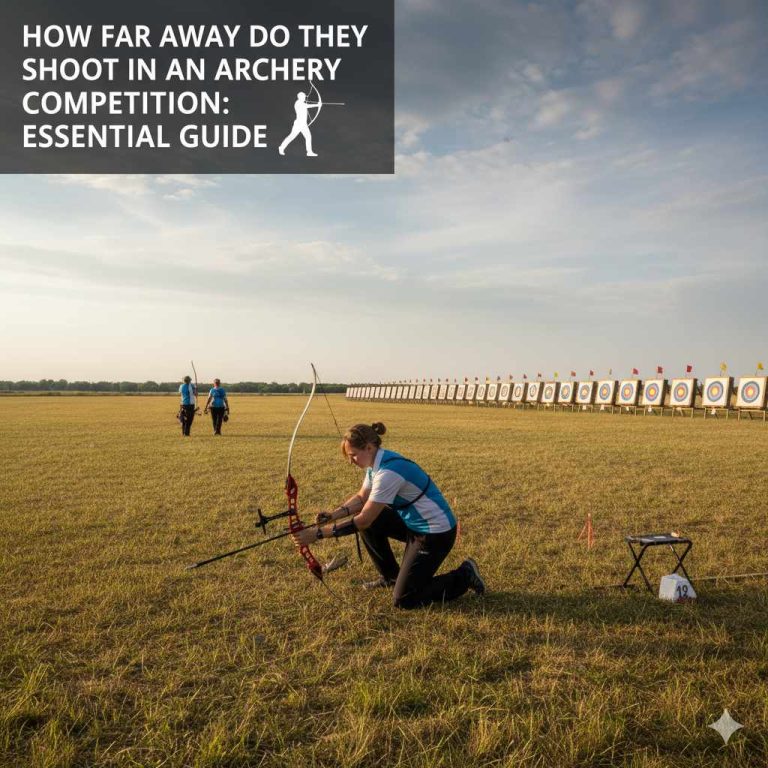
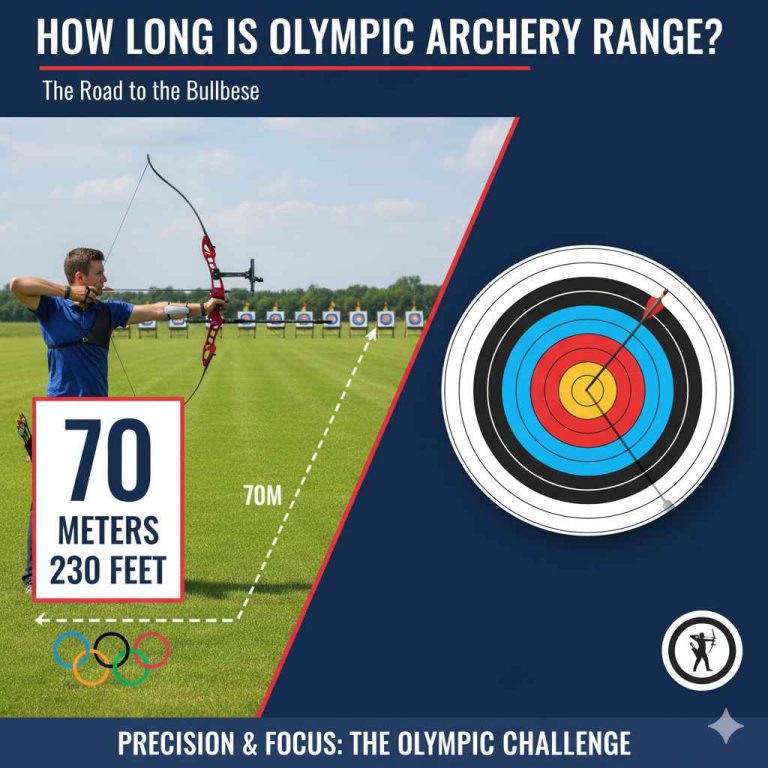
- Target archery: Archers shoot at a circular target from set distances, usually indoors (18 meters) or outdoors (up to 70 meters for Olympic recurve).
- Field archery: Targets are placed on varied terrain and distances, often in woods or fields.
- 3D archery: Archers shoot at life-sized animal targets, scoring based on where the arrow lands.
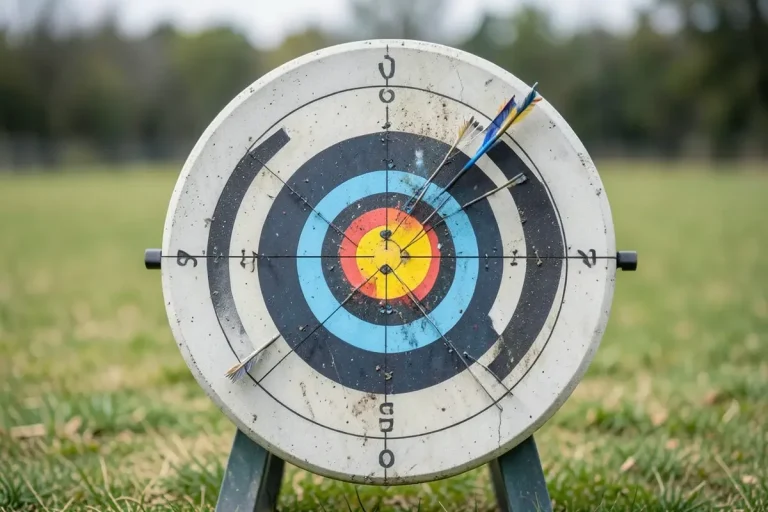
Most tournaments use a 10-ring scoring system. The center ring (gold) earns 10 points; each outer ring drops by 1 point. If an arrow lands on the line, it gets the higher score.
Example:
If you shoot six arrows per end, and all arrows hit the center, you score 60 points for that end. Tournaments can run from 30 arrows (small events) up to 144 (major ones).
Pro Tip: Always check the tournament’s rulebook before competing. Some events use unique scoring systems or distances.
What Influences A “good” Score?
A “good” score in archery depends on several factors:
- Tournament format: The number of arrows, distances, and target size change what’s possible.
- Skill level: Beginners, intermediate, and advanced archers have different scoring averages.
- Equipment: Recurve, compound, and barebow setups affect accuracy.
- Age group: Juniors, seniors, and veterans compete separately.
Let’s look at how these factors shape expectations.
Tournament Format
In Olympic-style target archery, archers shoot 72 arrows at 70 meters. The maximum score is 720. For indoor tournaments, 60 arrows at 18 meters is common, with a maximum of 600.
Skill Level
Beginners often score under 300 (out of 600) in their first tournaments. Intermediate archers can aim for 400, 500. Advanced archers, especially those with national experience, regularly score above 550. At the elite level, scores above 580 are expected.
Equipment Differences
Compound bows are more accurate, so scores are typically higher. For example, at 18 meters:
- Recurve: Good scores range from 500, 580.
- Compound: Good scores start at 570 and can reach 600.
Barebow archers (no sights) have lower average scores.
Age And Gender
Scores vary by age and gender. Juniors and seniors have different targets and distances. In major events, men and women often have similar scoring ranges, but some tournaments adjust expectations for juniors.
Typical Scores At Different Levels
Now let’s compare what’s considered a “good” score at various levels. Here’s a summary for target archery, using the 60-arrow indoor format (maximum 600):
| Skill Level | Recurve Score Range | Compound Score Range | Barebow Score Range |
|---|---|---|---|
| Beginner | 200, 350 | 300, 400 | 150, 300 |
| Intermediate | 350, 500 | 400, 550 | 300, 450 |
| Advanced | 500, 580 | 550, 600 | 450, 520 |
| Elite | 580, 600 | 595, 600 | 520, 600 |
Example: If you score 420 with a recurve bow in your first tournament, that’s solid for a beginner. With practice, you can aim for 500+.
Outdoor Tournament Scores: Olympic And National Levels
Outdoor tournaments offer tougher challenges: longer distances, wind, and weather. Olympic recurve archers shoot 72 arrows at 70 meters. Compound archers shoot at 50 meters, often with smaller targets.
Here’s a comparison of top scores:
| Event | Distance | Max Score | World-Class Score | National Average |
|---|---|---|---|---|
| Olympic Recurve | 70m | 720 | 680, 720 | 600, 680 |
| Compound | 50m | 720 | 700, 720 | 650, 700 |
| Barebow | 50m | 720 | 600, 650 | 500, 600 |
Pro Tip: Outdoor scores tend to be lower than indoor due to wind and longer distances. Adjust your expectations accordingly.
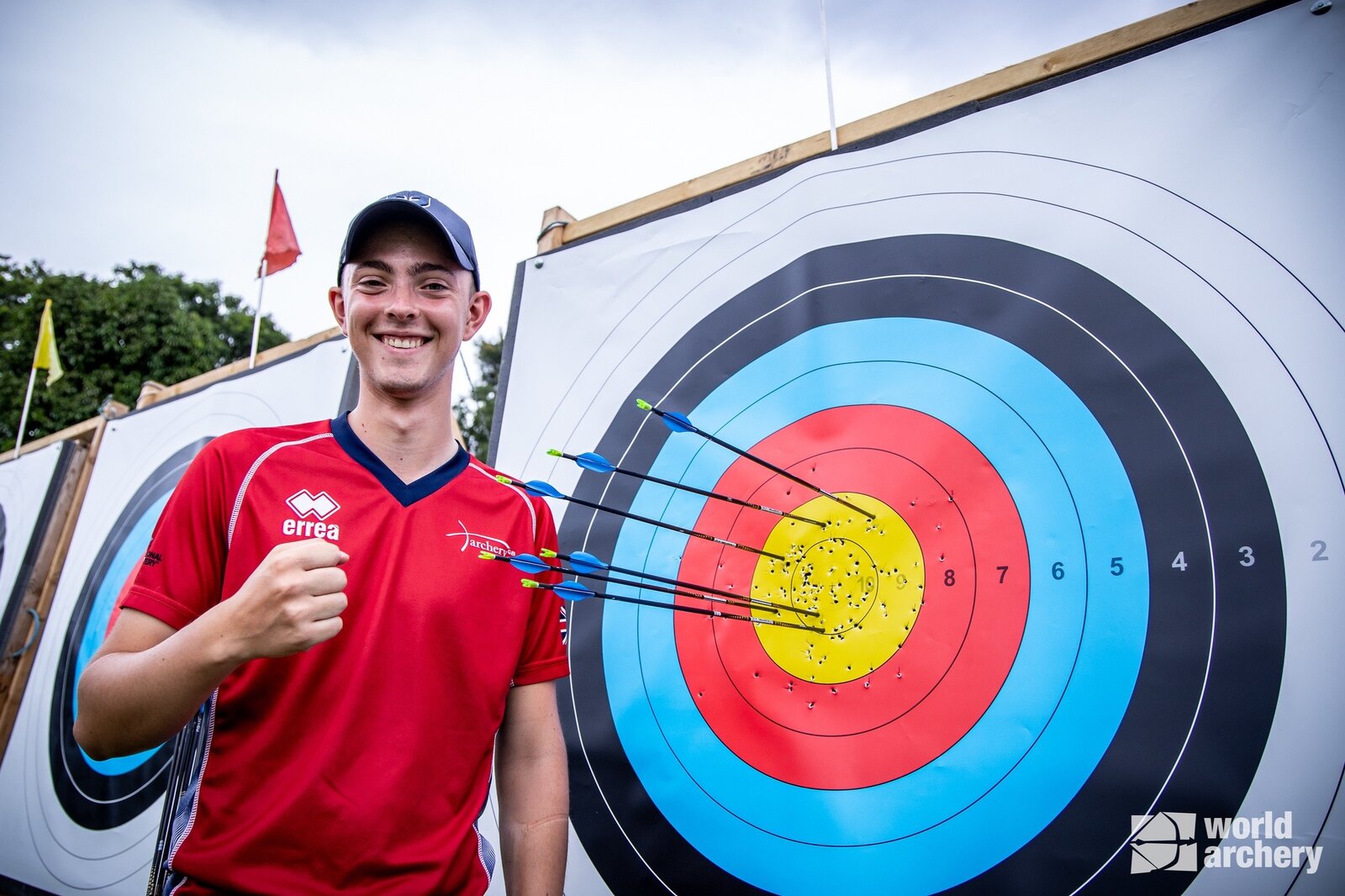
Credit: archerygb.org
What Is A Good Score For Beginners?
If you’re starting out, don’t worry about hitting high numbers right away. A “good” score means improvement, not perfection.
- First tournament: Anything above 200 (out of 600) is respectable.
- After six months: Aim for 300, 400. This shows consistent practice.
- One year mark: Scores above 400 suggest you’re ready for intermediate events.
Beginner mistakes often include inconsistent technique or nerves. Focus on learning, not just points.
Example: In my experience, new archers who score above 250 in their first tournament feel motivated to keep improving. The score is less important than enjoying the challenge.
Intermediate Scores: Progressing To The Next Level
As you gain experience, scores above 400 become common. At this stage, you might join club competitions or regional events.
- Recurve: 400, 500 is a solid target.
- Compound: 450, 550 is typical.
- Barebow: 300, 450 is good.
Intermediate archers often set personal goals, like breaking the 500 barrier. This is a sign of progress.
Warning: Avoid comparing yourself to elite archers at this stage. Focus on steady gains, not perfection.
Advanced And Elite Scores: Competing Nationally
Advanced archers aim for scores above 500, often reaching 550+ in tournaments. At elite levels, archers regularly shoot above 580, sometimes achieving perfect scores.
- National-level recurve: 550, 580+ is expected.
- Compound nationals: 580, 600 is common.
- Barebow advanced: 450, 520 is strong.
Elite archers train daily, analyze their technique, and adjust equipment for small gains.
Example: At the World Archery Championships, recurve winners often score between 680, 720 (out of 720). This shows the gap between club and world-class levels.
Factors That Affect Scores
Several factors can affect your score during a tournament:
- Weather: Wind, rain, and sunlight make outdoor events harder.
- Equipment setup: Proper tuning improves accuracy.
- Mental focus: Anxiety or fatigue lowers performance.
- Practice routine: Regular practice builds consistency.
- Physical fitness: Strong core and shoulders help control the bow.
Pro Tip: Check your equipment and rest well before tournaments. Many archers lose points due to avoidable mistakes.

Credit: www.outdooralabama.com
Setting Personal Goals In Archery
A good score is not only about numbers. It’s about improvement and reaching your own targets. Here’s how to set realistic goals:
- Track your scores in practice and tournaments.
- Identify weaknesses (e.g., grouping, release, aiming).
- Set short-term targets (e.g., increase score by 20 points).
- Celebrate progress, not just wins.
Example: If you scored 320 in your last event, aim for 340 next time. Small steps lead to big improvements.
Comparing Scores: Club, National, And International
Scores vary between club, national, and international tournaments. Here’s a quick summary:
| Level | Typical Recurve Score | Typical Compound Score | Event Format |
|---|---|---|---|
| Club | 300, 500 | 400, 550 | 18m/60 arrows |
| National | 500, 580 | 550, 600 | 70m/72 arrows |
| International | 580, 600 | 595, 600 | 70m/72 arrows |
Pro Tip: Scores at club events are often lower due to relaxed rules and less pressure. National and international events require higher consistency.
Practical Tips For Improving Your Score
Improving your score takes time and effort. Here are proven strategies:
- Practice regularly: Daily practice, even for 30 minutes, builds muscle memory.
- Analyze technique: Use video or coaching to spot mistakes.
- Focus on form: Good posture and consistent release matter more than aiming.
- Mental training: Learn breathing and visualization to handle nerves.
- Equipment maintenance: Check bowstring, arrow straightness, and sight settings.
- Join competitions: Experience under pressure improves real tournament scores.
- Rest and nutrition: Stay hydrated and rested for peak performance.
Warning: Avoid over-practicing before tournaments. Fatigue can lower your score.
Common Mistakes That Lower Scores
Many archers lose points due to avoidable errors:
- Rushing shots: Take your time, especially under pressure.
- Ignoring wind: In outdoor events, wind changes arrow flight.
- Neglecting warm-up: Cold muscles lead to poor form.
- Improper equipment: Untuned bows or damaged arrows cause misses.
- Mental distractions: Stay focused on each shot.
Pro Tip: Keep a checklist before tournaments. This reduces mistakes and improves results.
How Judges And Scoring Officials Handle Disputes
In archery tournaments, disputes over arrow placement are common. Judges use magnifiers to check if an arrow touches a higher scoring ring. If there’s doubt, the judge’s decision is final.
- Arrow calls: If an arrow barely touches a line, it gets the higher score.
- Scorecards: Official scorecards are signed by both archer and judge.
- Disputes: Always approach judges politely. Arguing rarely changes the outcome.
Example: At the Olympics, judges use electronic targets and high-resolution cameras for accuracy.
National And World Records: What Do The Best Achieve?
World-class archers set high standards. For example, the world record for recurve at 70 meters is 700/720, set by Brady Ellison (USA). Compound world records are close to perfect, often 710+ out of 720.
National records vary. Most countries publish their own benchmarks. For instance, USA Archery lists scores above 680 as national-level for recurve.
Pro Tip: Aim for personal bests first. National records are inspiring, but consistent improvement matters more.
How Scores Impact Rankings And Awards
Tournament scores determine rankings, medals, and qualifications. Here’s how it works:
- Qualifying rounds: High scores qualify you for finals.
- Head-to-head matches: In elimination rounds, the highest score wins.
- Medals: Top scorers earn gold, silver, or bronze.
Some tournaments use set systems (best of five ends) instead of total points. Always check the format.
Example: At World Archery events, archers qualify for finals based on their ranking round scores.
Realistic Expectations: What Should You Aim For?
Setting realistic expectations helps avoid disappointment. Consider your experience, equipment, and practice time.
- Beginner: Aim to improve by 10, 20 points per tournament.
- Intermediate: Breaking 500 is a strong goal.
- Advanced: Consistency above 550 shows readiness for national events.
- Elite: Scores above 580 mean you’re among the best.
Pro Tip: Record your scores and celebrate progress. Improvement is the best measure of success.
Credit: startarchery.co.uk
Key Insights Beginners Often Miss
- Consistency matters more than one high score. Many beginners focus on single shots, but tournament success comes from steady performance.
- Mental strength is crucial. Nervousness can drop scores by 50 points or more, even for skilled archers. Practicing under pressure is as important as technical practice.
Frequently Asked Questions
What Is The Highest Possible Score In An Archery Tournament?
The maximum score depends on the event format. In Olympic-style target archery, the highest possible score is 720 (72 arrows, 10 points each). For indoor tournaments with 60 arrows, the maximum is 600. Compound archers can reach perfect scores more often due to the bow’s precision.
Is It Better To Focus On Accuracy Or Consistency In Archery Tournaments?
While accuracy is important, consistency is the key to high scores. One perfect shot won’t win a tournament; steady performance across all arrows is what separates winners. Training for consistent release and aiming builds better results over time.
How Do Archery Scores Compare Between Recurve, Compound, And Barebow?
Compound bows produce higher scores because they have mechanical aids like cams and sights. Recurve bows rely more on archer skill, so scores are slightly lower. Barebow (no sights) scores are lowest,