Where to Practice Olympic Archery: Top Training Spots Near You
Olympic archery is a sport that combines precision, focus, and skill. Many people watch archers compete on television and wonder how they can practice the same discipline. But finding the right place to practice Olympic archery is not always straightforward.
The best locations depend on your experience, goals, and what resources you have nearby. This article guides you through the main options, from local clubs to high-level training centers, and explains what to expect at each. You’ll learn how to choose a practice location, what facilities matter, and mistakes to avoid.
Whether you’re a beginner or aiming for the Olympic Games, you’ll find practical advice and real-world examples to help you make the best choice.
Understanding Olympic Archery Practice
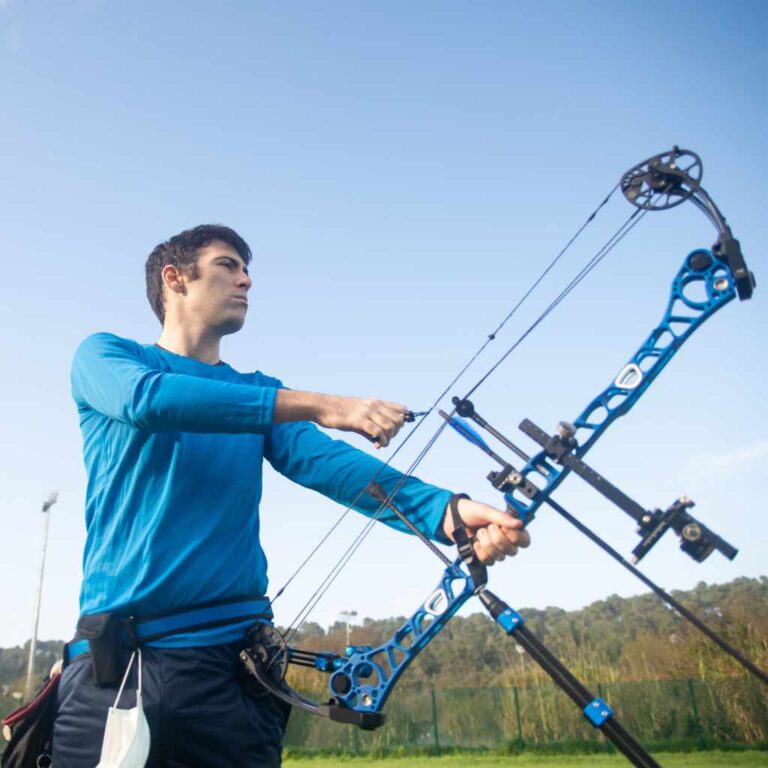
Olympic archery uses recurve bows and standardized distances. Archers shoot from 70 meters at a target with a diameter of 122 cm. The sport requires consistent practice, not just for accuracy but also for building muscle memory and mental strength. Practicing Olympic archery involves more than shooting arrows, it’s about developing discipline and learning proper technique.
The right practice location is critical. It affects your progress, safety, and motivation. Locations range from local archery clubs and public ranges to professional training centers. Each offers different facilities, coaching, and community support. Some beginners start in their backyard, but this is rarely suitable for Olympic-level training.
Pro Tip: Olympic archers often practice in all weather conditions. If you want to improve, choose a location where you can train year-round, not just when it’s sunny.
Local Archery Clubs
Local archery clubs are one of the most accessible places to practice Olympic archery. They offer safe environments, basic facilities, and structured programs for all skill levels. Clubs usually provide targets, shooting lanes, and sometimes equipment rentals.
Clubs are often affiliated with national organizations like USA Archery or Archery GB. Membership gives you access to events, tournaments, and certified coaches. Beginners benefit from group lessons, while advanced archers can find specialized training.
Benefits Of Archery Clubs
- Community: Clubs connect you with other archers, creating a supportive environment.
- Coaching: Certified instructors help correct mistakes and teach Olympic techniques.
- Facilities: Clubs maintain targets, equipment, and safety measures.
- Tournaments: Many clubs host regular competitions.
Coaches observe your form, and you get feedback after every session. This guidance helps you avoid bad habits early.
What To Look For
Not all clubs are equal. Check for:
- Certified coaches familiar with Olympic archery
- Proper target distances (70 meters for Olympic practice)
- Indoor and outdoor shooting ranges
- Equipment rental or purchase options
Some clubs only offer shorter distances, which is fine for initial practice but not for Olympic preparation. Ask about their facilities before joining.
Public Archery Ranges
Public archery ranges are found in parks, recreation centers, and sports complexes. They are open to everyone, usually for a small fee or free. These ranges provide basic facilities and are good for practicing independently.
Types Of Public Ranges
- Outdoor Ranges: Most have fixed target distances and basic amenities. Some are maintained by city councils.
- Indoor Ranges: Located in community centers or gyms, useful for winter practice.
Public ranges rarely offer coaching, so they suit archers who already know the basics. Safety rules are strict, and you must bring your own equipment.
Comparing Clubs And Public Ranges
Here’s a quick comparison:
| Feature | Local Club | Public Range |
|---|---|---|
| Coaching | Available | Rarely available |
| Target Distance | 70m (usually) | Varies, not always Olympic distance |
| Community | Strong | Limited |
| Equipment | Rental possible | Bring your own |
| Cost | Membership fees | Low or free |
Public ranges are ideal for self-directed practice. But if you want coaching or to train for competitions, clubs are usually better.
Professional Training Centers
For archers aiming for high-level competition, professional training centers offer advanced facilities and expert coaching. These centers are often affiliated with national teams or Olympic programs.
What Professional Centers Offer
- Olympic-standard facilities: Targets at 70 meters, indoor and outdoor ranges, video analysis.
- Elite coaching: Certified coaches with experience in international competitions.
- Strength and conditioning: Gyms and training rooms for physical preparation.
- Mental training: Sports psychologists available.
Example: The Chula Vista Elite Athlete Training Center in California is where many US Olympic archers train. It has world-class ranges, coaching, and sports science support.
How To Access
Professional centers usually require application or invitation. You may need to prove your skill level, compete in national tournaments, or be recommended by a coach.
Pro Tip: Even if you can’t access a professional center, some offer public workshops or summer camps. Check their websites for opportunities.
University Archery Programs
Many universities have archery programs, some with Olympic-level coaching and facilities. These programs combine education with sport, letting students train while earning a degree.
Features Of University Programs
- Structured training: Regular practice sessions, coaching, and team events.
- Access to facilities: Indoor and outdoor ranges, equipment storage.
- Competition: Intercollegiate tournaments and national championships.
Example: The University of Nottingham in the UK is known for its strong archery program, producing several national team members.
Pros And Cons
- Pros: High-level coaching, access to modern facilities, academic support.
- Cons: Must be a student, limited to university schedule.
If you are young and considering college, look for universities with Olympic archery teams. This can be a pathway to national and international competitions.
Private Coaching And Backyard Practice
Some archers practice at home or hire private coaches. This is convenient but comes with challenges.
Backyard Practice
Practicing in your backyard is possible if you have enough space and follow safety rules. You must set up a proper target, ensure no one is behind your shooting lane, and check local laws.
Warning: Backyard practice is risky if you don’t have enough space or proper safety precautions. Never shoot where others might walk or play.
Private Coaching
Private coaches offer personalized training. They can visit your home or meet at a local range. This is useful for focused improvement, especially for advanced archers.
Pro Tip: Ask private coaches about their experience with Olympic archery. Not all archery coaches know Olympic techniques.
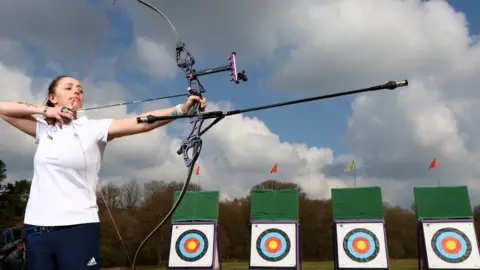
Credit: www.bbc.com
Archery Camps And Workshops
Archery camps and workshops are short-term options for intensive training. These events are open to all ages and skill levels.
Why Choose Camps
- Focused training: Sessions last several days, improving skills quickly.
- Expert coaching: Often led by Olympic-level instructors.
- Networking: Meet other archers, share experiences.
Camps are held at clubs, training centers, or universities. Some focus on beginners, others on advanced competitors.
Choosing The Right Camp
Look for camps with:
- Qualified coaches with Olympic backgrounds
- Facilities that match Olympic standards (70m ranges)
- Safety certifications
Example: The Easton Foundation runs camps across the US, including Olympic archery workshops.
What Facilities Matter Most
Not all practice locations offer the same facilities. Here’s what to look for if you want to train for Olympic archery:
- Target Distance: Olympic archers shoot from 70 meters. Shorter distances are useful for beginners, but for real preparation, you need a 70m lane.
- Quality Targets: Large, well-maintained targets that match Olympic specifications.
- Safety Barriers: Netting or walls behind targets to stop missed arrows.
- Indoor/Outdoor Options: Indoor ranges are important for winter; outdoor for full Olympic experience.
- Equipment Storage: Secure storage for bows and arrows, especially at clubs and centers.
- Coaching Availability: Access to coaches with Olympic experience.
- Video Analysis: Some professional centers use video to analyze form and technique.
| Facility | Importance | Where Common |
|---|---|---|
| 70m Range | Essential | Clubs, Centers, Universities |
| Indoor Range | Useful | Clubs, Universities |
| Safety Barriers | Critical | All |
| Video Analysis | Advanced | Centers |
| Equipment Storage | Convenient | Clubs, Universities |
In my experience, having access to video analysis made a big difference. Seeing your own form on screen helps you spot mistakes you never noticed in person.
How To Choose Your Practice Location
Choosing the right practice location depends on your needs and goals. Here are steps to help you decide:
- Identify your skill level: Beginners benefit from clubs and coaching, while advanced archers need Olympic-standard facilities.
- Check local options: Search for clubs, public ranges, or universities nearby.
- Visit and observe: Tour the facility, talk to coaches, and watch a practice session.
- Try before committing: Many clubs offer trial sessions or open days.
- Consider cost and convenience: Membership fees, travel time, and equipment costs matter.
Pro Tip: Don’t choose a location based only on price. Quality coaching and facilities are worth the investment if you want to improve.
Common Mistakes When Practicing Olympic Archery
Many beginners make mistakes when choosing where to practice. Here are some pitfalls to avoid:
- Practicing only at short distances: Olympic archery requires regular practice at 70 meters.
- Ignoring coaching: Self-taught archers often develop bad habits that are hard to break.
- Skipping safety: Shooting in unsafe locations can lead to accidents.
- Not joining competitions: Competing helps you learn under pressure and track your progress.
- Neglecting mental training: Olympic archery is as much mental as physical. Seek locations that offer mental coaching.
Example: A friend of mine practiced alone for months but struggled in tournaments. After joining a club with regular competitions and coaching, his scores improved rapidly.
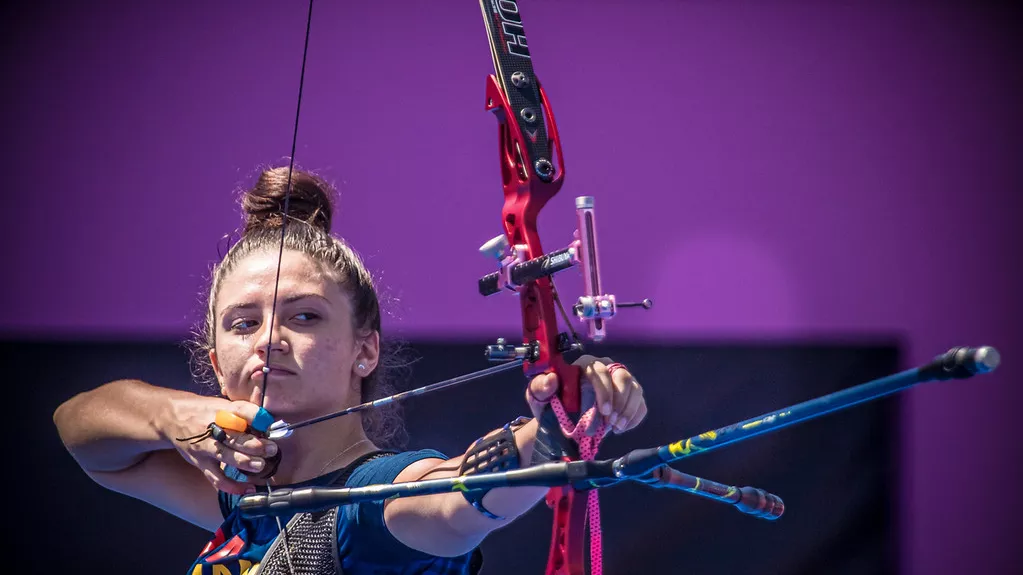
Credit: www.worldarchery.sport
International Options For Olympic Archery Practice
If you travel or live outside the US or UK, there are excellent archery facilities worldwide.
Notable Centers
- Korea Archery Center: South Korea is famous for its Olympic archers. The Korea Archery Center in Seoul offers world-class coaching.
- Australian Institute of Sport: Canberra, Australia, has top facilities for Olympic archery.
- World Archery Excellence Centre: Lausanne, Switzerland, is open to international visitors and offers coaching in several languages.
Some countries have strong school and university archery programs. For example, South Korea’s school teams produce many Olympic champions.
Traveling For Training
If you want advanced training, consider attending international camps. These offer exposure to different coaching styles and high-level competitors.
Pro Tip: When training abroad, learn about local rules and safety standards. Each country has different regulations.
Online Resources And Virtual Coaching
Technology has changed how archers practice. Now, online resources and virtual coaching are available. These help when you can’t find local coaches or want to supplement your training.
What’s Available
- Video tutorials: Platforms like YouTube and World Archery provide lessons from top coaches.
- Virtual coaching: Some coaches offer feedback on your form via video calls.
- Training apps: Record your sessions, track progress, and analyze results.
Example: World Archery’s website has free resources, including technique videos and training plans (World Archery).
Warning: Online resources are useful, but they can’t replace hands-on coaching. Use them to supplement, not substitute, real practice.
Credit: www.af.mil
Comparison Of Practice Locations
To help you choose, here’s a summary of key factors:
| Location Type | Coaching | Facilities | Cost | Best For |
|---|---|---|---|---|
| Local Club | Yes | Good | Medium | Beginners, Intermediate |
| Public Range | No | Basic | Low | Self-directed practice |
| Professional Center | Elite | Excellent | High | Advanced, Competitive |
| University Program | Yes | Very good | Medium | Students |
| Backyard/Private Coach | Varies | Limited | Varies | Convenience, Focused improvement |
| Archery Camp | Yes | Varies | Medium | Skill boost, Networking |
Frequently Asked Questions
What Is The Minimum Space Needed For Olympic Archery Practice At Home?
Practicing Olympic archery at home requires at least 70 meters of clear space for the shooting lane, plus extra room behind the target for safety. This is difficult for most homes. Always check local laws and safety guidelines before attempting backyard practice.
How Can I Find Certified Olympic Archery Coaches Near Me?
You can search the official websites of national archery organizations like USA Archery or World Archery. They list certified coaches by region. Ask local clubs about their coaching staff’s credentials and Olympic experience.
Are There Any Online Platforms For Archery Practice Or Coaching?
Yes, several platforms offer virtual coaching and feedback. Some popular options include video analysis apps and online lessons from professional coaches. World Archery’s website and YouTube channel are reliable sources for technique videos and training plans.
What’s The Best Age To Start Olympic Archery Training?
Most experts recommend starting between ages 8 and 14, but there’s no strict rule. Younger archers learn basic form and safety. Older beginners can still progress quickly with proper coaching. Many Olympic champions started as teenagers.
Do I Need To Buy Expensive Equipment Before Joining A Club?
No, most clubs offer rental equipment for beginners. You can start with basic gear and upgrade as you improve. It’s better to learn proper technique first before investing in your own bow and arrows