Who Won the Most Olympic Archery: Record Holders Revealed
The Olympic Games have always celebrated the world’s best athletes, but in archery, the story is especially rich. Over the decades, this ancient sport has seen rivalries, dramatic victories, and national dynasties. Archers test not only their aim but also their focus, composure, and strategy. Many fans wonder: Who has won the most Olympic archery medals? Which nations have dominated, and what separates the greatest champions from the rest? This article explores these questions with a clear, data-driven approach, helping you understand the champions, the numbers behind their success, and the unique aspects of Olympic archery.
How Olympic Archery Works
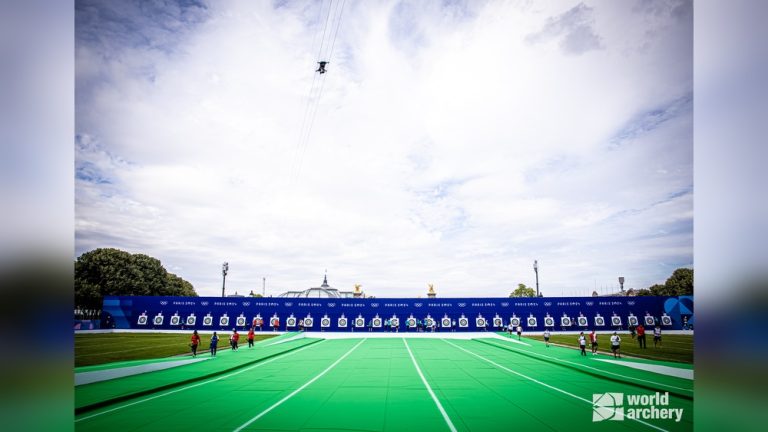
Olympic archery isn’t just about hitting a target. Since its return to the Games in 1972, the format has evolved. Today, the most common competition is the recurve bow event. Athletes shoot at a target 70 meters away, aiming for the gold center. Each shot is scored from 1 to 10, with 10 being a perfect hit.
The Olympics feature several events:
- Men’s Individual
- Women’s Individual
- Men’s Team
- Women’s Team
- (Since Tokyo 2020) Mixed Team
Each event awards three sets of medals: gold, silver, and bronze. The team events combine the scores of three archers from each country, while the mixed team involves one male and one female archer.
In my experience watching and analyzing competitions, the biggest pressure comes during elimination rounds. A single poor shot can end an archer’s Olympic dream, making consistency more valuable than raw skill.
The Most Successful Olympic Archers
When discussing “who won the most Olympic archery,” it’s important to look at both individual medal counts and national records. Some archers have earned legendary status by winning multiple medals across several Games.
Kim Soo-nyung: The Queen Of Olympic Archery
No discussion of Olympic archery legends is complete without Kim Soo-Nyung of South Korea. She competed in 1988, 1992, and 2000, earning:
- 4 Gold medals
- 1 Silver medal
- 1 Bronze medal
Kim’s total of six Olympic medals is unmatched among archers. She excelled in both individual and team events, showing both personal excellence and the ability to work with others under pressure.
Other Top Individual Medalists
Several archers have won multiple medals, but few come close to Kim Soo-Nyung’s record. Here are other notable names:
- Park Sung-Hyun (South Korea): 3 Gold, 1 Silver
- Ki Bo-Bae (South Korea): 2 Gold, 1 Bronze
- Im Dong-Hyun (South Korea): 2 Gold, 1 Bronze
- Darrell Pace (USA): 2 Gold, 1 Silver
While many archers have earned one or two medals, only a handful have reached the three-medal mark.
Men’s Records: Darrell Pace And Korean Dominance
Darrell Pace stands out as the top male archer from the United States, with 2 Golds (1976, 1984) and 1 Silver (1984, team event). However, South Korean men have been steadily increasing their medal count, especially since the introduction of team events in 1988.
Table: Top Olympic Archers By Medal Count
Here’s a comparison of the most decorated Olympic archers:
| Archer | Country | Gold | Silver | Bronze | Total | Years Active |
|---|---|---|---|---|---|---|
| Kim Soo-Nyung | South Korea | 4 | 1 | 1 | 6 | 1988-2000 |
| Park Sung-Hyun | South Korea | 3 | 1 | 0 | 4 | 2004-2008 |
| Darrell Pace | United States | 2 | 1 | 0 | 3 | 1976-1984 |
| Ki Bo-Bae | South Korea | 2 | 0 | 1 | 3 | 2012-2016 |
| Im Dong-Hyun | South Korea | 2 | 0 | 1 | 3 | 2004-2012 |

Credit: www.koreaherald.com
Countries With The Most Olympic Archery Success
While individual achievements are impressive, national dominance in Olympic archery is even more striking. No country has been more successful than South Korea.
South Korea’s Unmatched Gold Medal Haul
Since 1984, South Korea has won the majority of Olympic archery gold medals. Their system focuses on early talent identification, intense training camps, and scientific coaching methods. This formula has delivered results, with Korean archers regularly topping both individual and team podiums.
The United States: Early Pioneers
Before South Korea’s rise, the United States led the medal table, especially in the 1970s and 1980s. American archers like Darrell Pace and Rick McKinney set early benchmarks for excellence. However, in recent decades, the U.S. has struggled to compete with the depth and consistency of the Korean program.
Other Notable Nations
- Italy: Known for strong team performances, especially in men’s events.
- China: A consistent medal contender since the 2000s.
- France and Russia: Each has produced individual medalists but has not matched the consistency of Korea or the U.S.
Table: Top Countries In Olympic Archery
This table shows the total number of archery medals by country as of 2026:
| Country | Gold | Silver | Bronze | Total |
|---|---|---|---|---|
| South Korea | 27 | 9 | 7 | 43 |
| United States | 14 | 5 | 9 | 28 |
| Italy | 3 | 5 | 3 | 11 |
| China | 2 | 5 | 2 | 9 |
| France | 2 | 2 | 2 | 6 |
Pro Tip: Countries with strong youth programs and government support often outperform nations with a more casual approach to archery development.
What Makes A Great Olympic Archer?
Winning Olympic archery medals isn’t only about technical skill. The best archers share certain qualities:
Mental Focus
Olympic archery matches can last several hours, with pressure building shot by shot. Champions like Kim Soo-Nyung credit their success to mental discipline and the ability to stay calm under extreme stress.
Consistency
A single mistake can mean the difference between gold and no medal. Top archers practice for years to repeat the same perfect shot, even under the bright lights of an Olympic final.
National Support And Coaching
Archers from South Korea benefit from intense national training centers, world-class coaches, and competition from other elite athletes. This environment creates high standards that push each archer to improve.
Physical Conditioning
While archery may look like a stationary sport, it demands strong shoulders, core muscles, and stamina. Leading archers train daily, balancing technique drills with fitness and injury prevention.
Example: South Korean Training Routine
A typical day for a Korean Olympic hopeful includes:
- Early morning stretching and meditation
- 5-6 hours of shooting practice
- Video analysis of technique
- Mental training sessions
- Regular competitions within training camps
This intense routine helps explain their consistent results.
Credit: www.olympics.com
The Evolution Of Olympic Archery
The Olympic archery program has changed over the years, affecting how athletes compete and win medals.
Early Years And Hiatus
Archery was part of the 1900, 1904, 1908, and 1920 Olympics, then disappeared until 1972. The early events featured different rules and distances, making it hard to compare those champions to modern athletes.
Modern Era (since 1972)
Since its return, the program has become more standardized:
- All events now use recurve bows
- Team events (men’s and women’s) added in 1988
- Mixed team event introduced in 2020
The changes gave more opportunities for archers to win multiple medals, especially those who excel at both individual and team levels.
Table: Olympic Archery Events Over Time
A quick look at how events have changed:
| Year | Men’s Individual | Women’s Individual | Men’s Team | Women’s Team | Mixed Team |
|---|---|---|---|---|---|
| 1972-1984 | Yes | Yes | No | No | No |
| 1988-2016 | Yes | Yes | Yes | Yes | No |
| 2020 onward | Yes | Yes | Yes | Yes | Yes |
This evolution is one reason modern archers can win more medals than their early counterparts.
Non-obvious Insights: What Most People Miss
1. Team Events Boost Medal Counts
Many fans focus on individual events, but the introduction of team and mixed team competitions has allowed archers to collect more medals in a single Olympics. Kim Soo-Nyung’s record, for example, is possible because she competed (and won) in both formats.
2. Longevity Is Rare
Most archers compete in one or two Olympics. Very few maintain peak performance over three or more Games. Kim Soo-Nyung’s ability to return and win medals after a long break (she retired after 1992 and returned in 2000) is extraordinary and often overlooked.
3. Gender Parity In Success
Unlike some sports, women have consistently matched or outperformed men in Olympic archery. This is partly due to South Korea investing equally in both men’s and women’s programs, which is not the case in all countries.
4. The Importance Of Early Specialization
In top archery nations, athletes often start training as children. This early start helps develop the fine motor skills and mental habits needed for Olympic-level competition.
5. The Gap Is Closing
While South Korea remains dominant, other countries are investing heavily in archery. China, Italy, and even smaller nations have begun to challenge for medals, making the competition fiercer at each Games.

Credit: cronkitenews.azpbs.org
Common Misconceptions About Olympic Archery Winners
Many assume that Olympic archery is always won by the strongest or most physically gifted athletes. In fact, the sport rewards mental toughness and years of practice more than raw physical ability. Another misconception is that the same athletes win every time. Because of the intense pressure and narrow margins, even the best can fall short in a single competition.
Some also believe that equipment makes the biggest difference. While having a well-tuned bow helps, Olympic rules ensure a level playing field, and skill remains the key factor.
How To Become An Olympic Archery Champion
If you dream of joining the world’s best, here are key steps:
- Start Early: Most champions began training before age 10.
- Find a Good Coach: Quality coaching makes a huge difference.
- Practice Consistently: Elite archers shoot thousands of arrows each week.
- Compete Often: Local and national tournaments build experience.
- Focus on Mental Skills: Meditation, visualization, and stress management are as important as physical training.
- Learn from Losses: Even the best lose sometimes; champions use setbacks to improve.
Warning: Archery is a long-term commitment. Progress is slow, and the journey requires patience and resilience.
The Future Of Olympic Archery
With technology advancing and more nations investing in sports science, the medal table may look different in the coming decades. Some experts believe that countries like India, Turkey, and Mexico could soon challenge the traditional powers.
The addition of new events, such as the mixed team, also creates more opportunities for breakout stars.
For the latest official records and Olympic news, you can visit the Olympic archery Wikipedia page.
Frequently Asked Questions
Who Is The Youngest Olympic Archery Medalist?
The youngest Olympic archery medalist is Denise Parker from the United States. She won a bronze medal at the 1988 Seoul Olympics in the women’s team event at just 14 years old, making her one of the