Where Is the Iowa State Archery Competition? Location Guide 2026
Every spring, the excitement for archery in Iowa reaches its peak. Young archers, coaches, and families from across the state gather for a competition that blends tradition, skill, and community pride, the Iowa State Archery Competition. If you’re curious about where this event happens, how it works, and what makes it special, you’re in the right place. Let’s explore everything you need to know about the location, structure, and experience of the Iowa State Archery Competition, so you can attend, participate, or simply appreciate this unique event.
The Main Location: Where The Iowa State Archery Competition Happens
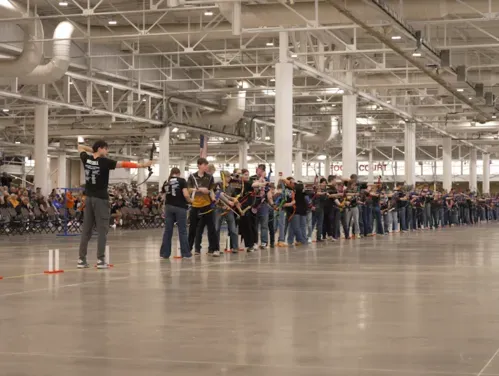
The Iowa State Archery Competition, officially known as the Iowa NASP State Tournament, is typically held in Des Moines, the state’s capital and largest city. Specifically, the competition takes place at the Iowa State Fairgrounds, inside the spacious Jacobson Exhibition Center. This venue has become the traditional home for the event due to its central location, ample parking, and facilities designed for large-scale gatherings.
The Jacobson Exhibition Center is ideal for archery tournaments because it offers:
- A large, open floor for multiple shooting lanes
- Seating for hundreds of spectators
- Modern restrooms and concessions
- Easy access for buses and equipment trailers
For those traveling from outside Des Moines, the fairgrounds are easy to reach, located just off Interstate 235. Hotels, restaurants, and other amenities are nearby, making the experience comfortable for visitors.
Why Des Moines?
Des Moines is not only the geographical center of Iowa, but also a hub for statewide events. The city’s infrastructure can accommodate thousands of participants and guests. Local businesses and tourism officials support the archery competition, helping it grow each year.
Event Dates And Timing
While the exact dates can change, the Iowa State Archery Competition is usually held in early March. The event lasts for one or two days, depending on the number of registered teams and individuals. Scheduling is managed to allow for school teams to participate without conflicting with major academic dates.
How The Iowa State Archery Competition Is Organized
The Iowa State Archery Competition is part of the National Archery in the Schools Program (NASP), a nationwide initiative that promotes archery as a safe, accessible sport for students in grades 4, 12. The Iowa Department of Natural Resources partners with NASP to organize and run the event.
Who Can Compete?
The tournament is open to:
- Elementary (grades 4, 5)
- Middle School (grades 6, 8)
- High School (grades 9, 12) students
To qualify, students must be enrolled in a school that participates in Iowa NASP. Teams are typically formed at the school level, though individual students can also compete if their school does not have a full team.
Competition Format
The competition follows NASP rules, which ensure fairness and safety. Here’s a quick breakdown:
- Equipment: Only NASP-approved Genesis bows and Easton 1820 arrows are allowed.
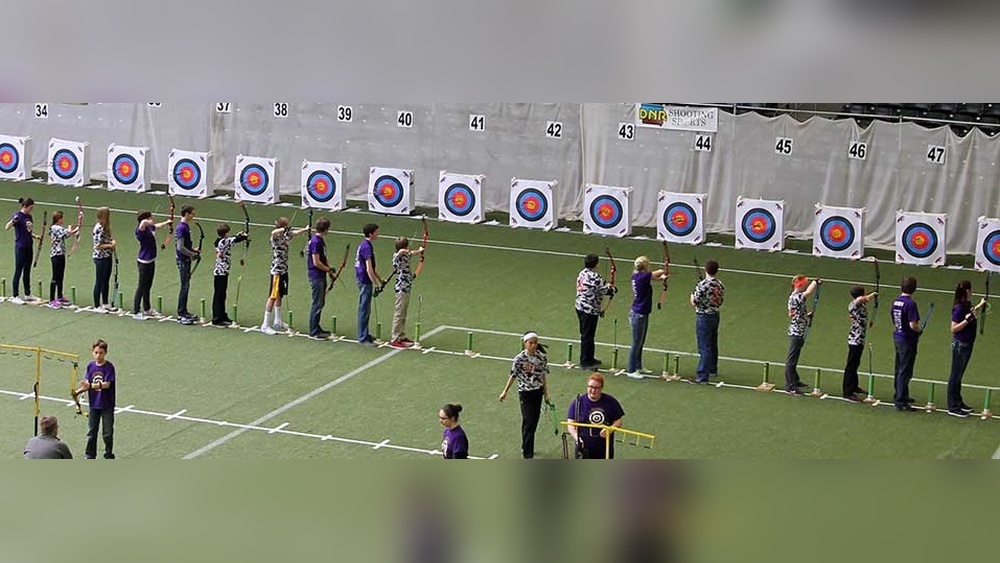
- Rounds: Each archer shoots 30 arrows, 15 from 10 meters and 15 from 15 meters.
- Scoring: Each arrow can score up to 10 points, for a total possible score of 300.
- Team Size: Teams consist of 12, 24 archers, with at least four of each gender.
Individual and team awards are given for each division. The highest scorers often qualify for the NASP National Tournament later in the year.
Schedule And Flow
Upon arrival, teams check in at the main entrance of the Jacobson Exhibition Center. Shooting flights are scheduled throughout the day, so teams are assigned specific times. Each flight lasts about 90 minutes, including setup and scoring.
Between flights, archers can relax in designated areas, and families can enjoy the fairgrounds or nearby attractions. Vendors often sell archery gear and event souvenirs.
Facilities And Amenities At The Iowa State Fairgrounds
The choice of the Iowa State Fairgrounds is not accidental. The facilities here support a smooth, comfortable experience for everyone.
Jacobson Exhibition Center Features
- Shooting Lanes: More than 60 shooting lanes can be set up, allowing hundreds of archers to compete at once.
- Audience Seating: Bleachers and chairs are arranged so families can watch the action up close.
- Scoreboards: Digital displays show real-time scores and rankings.
- Accessibility: Ramps and seating are available for people with disabilities.
Parking And Transportation
- Parking: The fairgrounds have several large lots, and parking is generally free or included with event admission.
- Buses: School buses have dedicated drop-off and parking zones.
Food And Restrooms
- Concessions: Food stands offer snacks, drinks, and light meals.
- Restrooms: Clean, modern restrooms are located just steps from the main hall.
Nearby Hotels
Des Moines offers a range of hotel options, from budget to premium. Many teams book rooms months in advance. Some popular choices within a short drive are:
- Holiday Inn Express Des Moines
- Hampton Inn & Suites Des Moines
- Comfort Inn Des Moines East
Booking early is recommended, as rooms fill up quickly during the tournament weekend.
The Archery Experience: What Makes Iowa’s State Competition Special
For many students, the Iowa State Archery Competition is the highlight of their school year. The event is about more than just shooting arrows, it’s a true celebration of focus, teamwork, and personal growth.
Community Spirit
You’ll notice the sense of community as soon as you enter the venue. Teams cheer for each other, coaches give last-minute advice, and families support every shot. Unlike some sports, archery is quiet and respectful, but the pride is obvious.
Growth Of The Sport
Archery has grown rapidly in Iowa schools since the NASP program began in the state. According to the Iowa Department of Natural Resources, over 300 schools now offer NASP archery, with thousands of students participating each year. This growth has made the state tournament one of the largest youth archery events in the Midwest.
Safety And Sportsmanship
Safety is the top priority at every level. Certified range officers supervise each lane, and archers are trained in safety procedures from their first lesson. Sportsmanship is strongly encouraged, archers are taught to congratulate opponents and respect judges’ decisions.
Inspiring Stories
Many participants discover archery as a sport where anyone can succeed, regardless of size or athletic background. Some students who struggle in other sports find their confidence and community in archery. Coaches often share stories of students who improved their grades, focus, and self-esteem through the discipline of archery practice.
Pro Tip: If you’re attending for the first time, arrive early to get a good seat and watch a full flight from start to finish. You’ll get a true sense of the skill and focus involved.
Credit: www.iowadnr.gov
Comparing Iowa’s State Archery Competition To Other States
Iowa’s archery competition stands out in several ways. Here’s how it compares to similar events in nearby states:
| State | Main Venue | Average Number of Archers | Unique Features |
|---|---|---|---|
| Iowa | Jacobson Exhibition Center, Des Moines | 2,000+ | Central location, large venue, strong school support |
| Nebraska | Pinnacle Bank Arena, Lincoln | 1,200 | University partnership, college scholarships |
| Missouri | Expo Center, Branson | 1,800 | Tourist attractions, live music events |
| Illinois | Illinois State Fairgrounds, Springfield | 1,500 | Multiple age divisions, urban setting |
As you can see, Iowa’s event is among the largest and most centrally located, making it easy for schools across the state to participate. The strong support from the Department of Natural Resources and the school system makes the competition special.
How To Qualify And Register For The Iowa State Archery Competition
If you’re a student or parent interested in participating, there are specific steps to follow. Registration is managed by NASP and the Iowa DNR.
Steps To Qualify
- Join a NASP School Program: Your school must participate in the Iowa NASP program. If your school doesn’t have a team, talk to a teacher or coach about starting one.
- Practice and Local Events: Most teams practice weekly and compete in local or regional qualifiers. Scores at these events help teams and individuals qualify for state.
- Meet Minimum Scores: Each division has a minimum qualifying score, set by NASP and the state organizers. Coaches receive these numbers at the start of the season.
- Register Through NASP: Coaches submit team and individual registrations online. Deadlines are usually in February.
Registration Costs
There is a registration fee for each archer, which covers the cost of facilities, equipment, and staffing. Some schools offer scholarships or fundraising to help cover costs for students in need.
What To Expect On Competition Day
- Check-in: Teams arrive 1, 2 hours before their scheduled flight.
- Equipment Inspection: Officials check bows and arrows for compliance.
- Warm-up: Limited practice time on the range.
- Competition: 30 arrows per archer, scored immediately.
- Awards Ceremony: At the end of the day, top teams and individuals receive trophies, medals, and sometimes scholarships.

Credit: www.desmoinesregister.com
The Impact Of The Iowa State Archery Competition On Youth Development
The value of the Iowa State Archery Competition goes far beyond trophies. Participation helps students build skills and habits that benefit them for life.
Discipline And Focus
Archery requires intense concentration. Students must block out distractions, control their breathing, and focus on each shot. These skills translate to better study habits and school performance.
Teamwork And Respect
Even though archery is an individual sport, teams support and learn from each other. Students help set up equipment, share advice, and celebrate each other’s successes. The mutual respect between competitors is a model for other sports.
Confidence And Achievement
For many students, qualifying for state is a major achievement. Competing at a large event builds confidence and provides memories that last a lifetime. Some students go on to compete nationally or earn college scholarships.
Data: Growth Of Iowa Nasp Participation
Here’s a look at how the Iowa NASP program has grown over the past decade:
| Year | Schools Participating | Students Competing at State |
|---|---|---|
| 2013 | 120 | 900 |
| 2016 | 190 | 1,300 |
| 2019 | 250 | 1,800 |
| 2026 | 310 | 2,200 |
This steady growth shows how important the competition has become to Iowa schools and families.
Spectator Experience: Tips For Attending The Iowa State Archery Competition
Watching the state archery competition is a unique experience, especially if you’ve never seen a live archery event before.
What To Bring
- Binoculars: The shooting line is set back from the audience, so binoculars help you see targets and scores.
- Snacks and Water: While concessions are available, bringing your own water bottle can be handy.
- Camera: Most venues allow photography, but be respectful of archers’ concentration.
- Comfortable Shoes: You’ll do some walking between parking, seating, and concessions.
Rules For Spectators
- Remain quiet during shooting rounds. Applause is encouraged only after each flight finishes.
- Do not use flash photography.
- Stay in designated areas for safety.
- Children must be supervised at all times.
Pro Tip
If you want to meet archers or coaches, visit between flights. Most are happy to answer questions or explain the sport to newcomers.

Credit: www.extension.iastate.edu
Opportunities Beyond State: What’s Next After Iowa’s Competition?
Top performers at the Iowa State Archery Competition often qualify for the NASP National Tournament, held each May in Louisville, Kentucky. Some even advance to the NASP World Tournament. These events bring together the best student archers from across the US and beyond.
Many colleges now offer archery scholarships, especially for students who compete at a high level. Success at state and national tournaments can open doors to new opportunities in sports and education.
Example: Moving From State To Nationals
In my experience as a coach, I’ve seen several students move from their first state tournament to competing on the national stage. The skills they developed, discipline, composure under pressure, helped them succeed in both archery and school.
How To Get Involved: Starting An Archery Program At Your School
If your school does not yet offer NASP archery, starting a program is easier than you might think.
- Contact the Iowa DNR: They provide resources and training for new programs.
- Get Certified: At least one adult must complete the NASP Basic Archery Instructor training.
- Fund Equipment: Many schools use grants or fundraising to buy bows, arrows, and targets.
- Build Interest: Host a demonstration or after-school event to introduce students to archery.
The Iowa DNR offers support for new programs, and many schools share equipment or practice space.
Common Mistakes And Misconceptions About The Iowa State Archery Competition
Even experienced archers and parents sometimes misunderstand how the competition works. Here are a few things to keep in mind:
- Not All Equipment Allowed: Only NASP-approved gear is permitted. Custom bows or arrows are not allowed, even if they are the same weight or size.
- No Late Registration: Deadlines are strict. Coaches must register teams and individuals on time.
- No Outside Coaching During Flights: Once a flight begins, only range officials can communicate with archers.
- Scores Are Final: Scorecards are reviewed and signed before archers leave the range. Appeals after this point are not allowed.
Understanding these details helps avoid disappointment or confusion on competition day.
Resources For Learning More About The Iowa State Archery Competition
For official rules, schedules, and updates, the best source is the Iowa Department of Natural Resources NASP page