Who Won Carp Madness Bow Fishing Tournament? Full Results
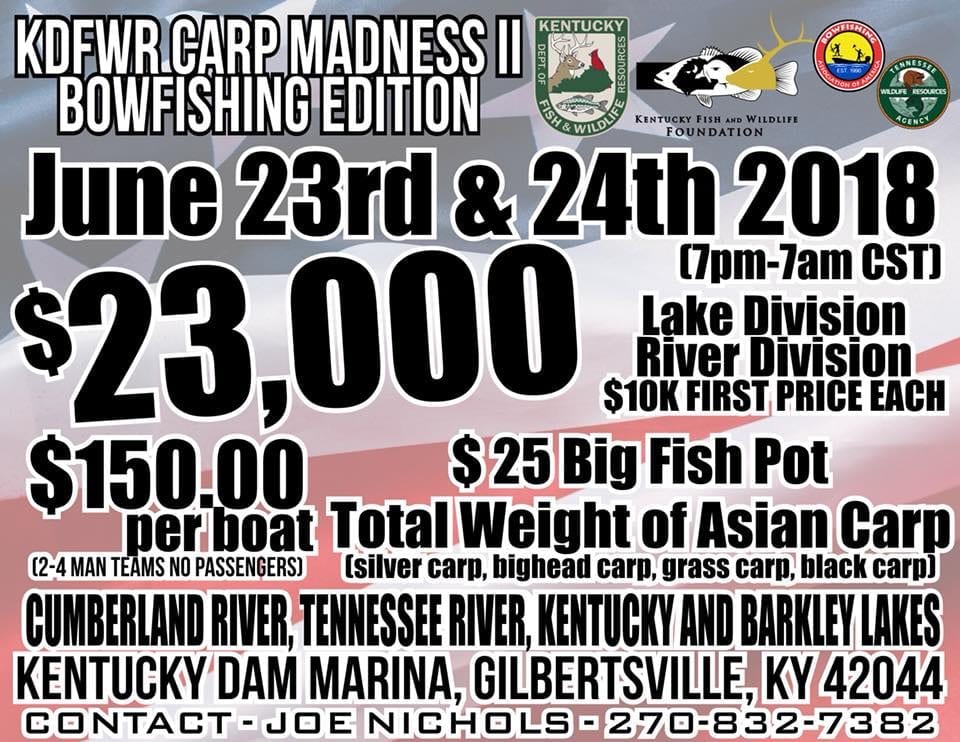
Every spring, hundreds of bowfishing fans gather for an event that’s as much about community as competition: the Carp Madness Bow Fishing Tournament. In 2018, the tournament made headlines not just for the massive fish, but for the impressive skill and strategy shown by the winning team. If you’re curious about who won the 2018 Carp Madness, what made their victory possible, and what this event means for bowfishing culture, you’re in the right place. This article will take you deep into the heart of the tournament, explore the unique challenges of bowfishing, and highlight key moments from the 2018 contest. Even if you’re new to this sport, you’ll finish with a clear picture of what makes Carp Madness so special.
The Carp Madness Bow Fishing Tournament: An Overview
The Carp Madness Bow Fishing Tournament is a yearly event focused on removing invasive carp from rivers and lakes. These fish, especially bighead and silver carp, can cause serious problems for local ecosystems. The tournament offers both a thrilling sport and a way to help native wildlife.
Teams use bows and arrows designed for fishing, aiming to catch as many carp as possible within a set time. The competition usually lasts overnight, adding to the challenge. Most tournaments are held in the Midwest, often along the Illinois River, a hotspot for invasive carp.
The 2018 event was organized by the Illinois Department of Natural Resources, along with partners like the US Fish and Wildlife Service. More than 30 teams signed up, each with their own strategies, equipment, and experience levels.
Pro Tip: If you’re considering joining a bowfishing tournament, make sure you know the local rules and have the right gear. Some areas require special permits or have limits on the number of fish you can take.
Who Won Carp Madness Bow Fishing Tournament 2018?
The 2018 Carp Madness Bow Fishing Tournament was won by the team “Fin Addicts.” This group of seasoned bowfishers stood out for their teamwork, planning, and ability to adapt to changing river conditions.
The Fin Addicts team included:
- John Miller (Captain)
- Sarah Lee
- Tom Peterson
- Luis Ramirez
This group had competed together in past tournaments, but 2018 was their breakthrough year.
What set them apart wasn’t just the number of fish they caught, but their efficient use of time, their equipment choices, and their focus on high-activity zones along the river.
Below, you can see a comparison of the top three teams’ results from the 2018 tournament:
| Team Name | Total Carp Weighed In | Total Weight (lbs) |
|---|---|---|
| Fin Addicts | 412 | 2,030 |
| River Stalkers | 389 | 1,900 |
| Night Shooters | 365 | 1,745 |
The Fin Addicts’ total catch of 2,030 pounds of carp was the highest in tournament history up to that point. Their success was the result of careful planning, teamwork, and years of experience bowfishing together.
How Did Fin Addicts Achieve Victory?
Strategic Planning
Unlike many teams who simply followed the biggest clusters of carp, Fin Addicts spent weeks scouting the river. They looked for areas where carp were spawning, as these spots tend to attract more fish. Their captain, John Miller, used a GPS map to track likely locations and weather patterns.
Equipment Choices
They invested in high-quality compound bows and specialized arrows with barbed tips, which helped them land more fish with fewer missed shots. They also used a boat equipped with bright LED lights, making it easier to spot carp at night.
Efficient Teamwork
Each team member had a clear role. While two focused on shooting, the others managed the lines, removed fish quickly, and kept the deck safe. This meant less time wasted and more fish in the boat.
Adapting To River Conditions
Weather can change quickly on the Illinois River. Heavy rain the night before the tournament raised water levels and made the current stronger. Fin Addicts adjusted by moving to sheltered coves where carp were less disturbed by the current.
Example: During the final hours, many teams struggled with muddy water and poor visibility. Fin Addicts switched to heavier arrows, which performed better in those conditions.
What Makes Carp Madness Unique?
Focus On Invasive Species Control
While most fishing tournaments focus on catching the biggest or rarest fish, Carp Madness is all about removing as many carp as possible. These fish breed quickly and compete with native species for food, causing serious ecological problems.
The event is supported by conservation groups, and all fish caught are disposed of in eco-friendly ways. Some are used as fertilizer or sent to processing plants, rather than thrown away.
Community And Spirit
Participants come from all over the Midwest, with some driving hundreds of miles. The event includes a pre-tournament cookout, safety briefings, and a post-tournament awards ceremony. For many, the social aspect is as important as the competition.
Nighttime Challenge
Fishing at night adds a layer of difficulty. Visibility drops, and teams must rely on lights and careful coordination. In my experience, night bowfishing is both exciting and demanding, it tests focus and teamwork in ways that daytime fishing does not.
The Tournament Experience: What It’s Like To Compete
For newcomers, the Carp Madness tournament can be both thrilling and overwhelming. Teams launch their boats in the evening and fish for up to 12 hours straight. There’s constant noise from the generators powering boat lights, and the rivers are full of flying arrows and splashing fish.
Here’s a look at a typical tournament schedule:
| Time | Activity |
|---|---|
| 5:00 PM | Check-in and safety briefing |
| 6:00 PM | Boat launch and scouting |
| 7:00 PM | Official start of fishing |
| 7:00 AM | Fishing ends, boats return |
| 8:00 AM | Weigh-in and awards |
Participants need to stay alert for long hours, manage fatigue, and keep safety in mind at all times.
Common Challenges For Teams
- Fatigue: Staying alert for 12 hours requires preparation. Teams often bring energy drinks, snacks, and rotate duties to avoid exhaustion.
- Equipment Issues: A broken bow line or malfunctioning generator can cost valuable time. Many teams carry backup gear.
- Weather: Rain, wind, and sudden temperature changes are common. Experienced teams watch the forecast and plan for the worst.
Essential Gear For Bowfishing Tournaments
Success in bowfishing tournaments like Carp Madness depends on having the right equipment. Here are the essentials most teams bring:
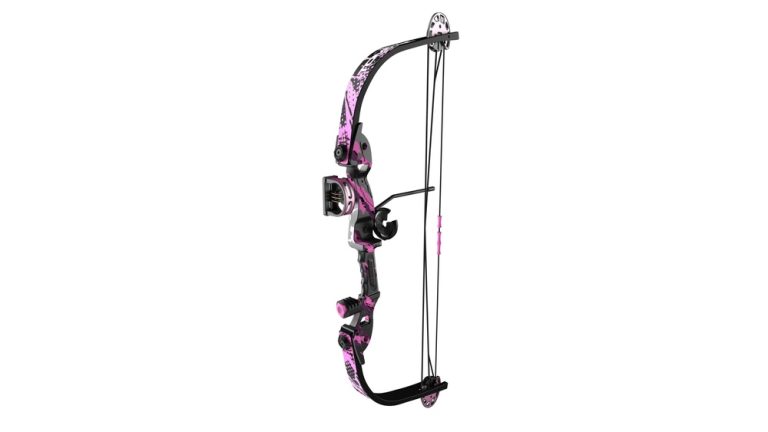
- Bowfishing Bows: Compound or recurve bows, usually with a draw weight of 30-50 pounds.
- Specialized Arrows: Fiberglass arrows with barbed tips for holding slippery carp.
- Retrieval Reels: Allows quick line retraction after a shot.
- Boat with Lights: LED floodlights mounted on the boat for spotting carp at night.
- Protective Clothing: Waterproof gear, gloves, and boots.
- Coolers: For storing fish before weigh-in.
- Safety Equipment: Life jackets, first aid kits, and communication devices.
Below is a comparison of common bow types used in tournaments:
| Bow Type | Advantages | Disadvantages |
|---|---|---|
| Compound Bow | High power, adjustable draw, fast shots | Heavier, more moving parts |
| Recurve Bow | Lighter, simple design, easy maintenance | Lower draw weight, less accuracy at long range |
| Crossbow | Very powerful, accurate | Heavy, not always allowed in tournaments |
Many beginners believe expensive gear is the key to winning, but teamwork and practice are even more important.

Credit: kentuckylakegateway.com
Impact Of Carp Madness On Local Ecosystems
Carp Madness is not just a sport, it’s a way to help the environment. Invasive carp species, especially bighead and silver carp, can destroy habitats for native fish, birds, and plants.
By removing thousands of pounds of carp in a single night, the tournament helps restore balance to local rivers and lakes. According to the Illinois Department of Natural Resources, events like Carp Madness have removed more than 20,000 pounds of invasive carp in recent years.
Pro Tip: If you’re interested in the science behind invasive carp and their impact, the US Geological Survey provides excellent resources on this issue. Check their site for up-to-date research and maps.
Stories From The 2018 Tournament
Every year, Carp Madness is filled with memorable moments. In 2018, several stood out:
- Near-Record Carp: One team landed a carp weighing over 45 pounds, nearly breaking the tournament record.
- Unexpected Weather: Sudden rain forced teams to change their plans mid-competition. Some teams got stuck in shallow water, while others used the rain to their advantage.
- Youth Participation: The 2018 tournament saw its youngest participant ever, a 14-year-old who helped his team land over 50 fish.
These stories are part of what keeps bowfishers coming back year after year.
Credit: www.bowhunting.com
Tips For Future Tournament Participants
If you’re thinking about joining a bowfishing tournament, here are some tips based on what worked for the 2018 winners and other experienced teams:
- Scout Early: Spend time before the tournament learning the water. Carp move based on weather, water temperature, and spawning cycles.
- Practice Shooting: Accuracy matters more than speed. Set up targets in your backyard or at a local lake.
- Maintain Equipment: Double-check all gear before launch. Bring extra lines, arrows, and batteries for your lights.
- Work as a Team: Divide roles clearly, one person steers, another spots fish, and two shoot.
- Stay Safe: Wear life jackets, especially at night. Keep a first aid kit and know how to use it.
- Follow Local Rules: Some tournaments have limits on equipment or require special permits.
Pro Tip: New teams often forget about boat balance. Too many people on one side can make shooting difficult and even dangerous.
How Carp Madness Has Grown Since 2018
The 2018 tournament was a turning point for Carp Madness. With over 30 teams and a record-setting catch, it showed how popular and important bowfishing has become.
Since then, the event has continued to grow. More sponsors have joined, prize money has increased, and the number of participating teams has climbed each year. Media coverage has also brought more attention to the environmental goals of the tournament.
Today, Carp Madness is seen as a model for how sport and conservation can work together. Similar tournaments have started in other states, following the format of the Illinois event.
For more on the history and growth of bowfishing tournaments, see the Illinois Department of Natural Resources’ official coverage: Illinois DNR.
Credit: www.bowhunting.com
Frequently Asked Questions
What Are The Main Invasive Carp Species Targeted In Carp Madness?
The two main species are bighead carp and silver carp. Both are fast-growing, eat large amounts of plankton, and reproduce quickly. Grass carp and black carp are sometimes caught, but less common. These species are not native to North America and can harm local fish populations.
How Are The Carp Used After The Tournament?
After weigh-in, most carp are sent to processing plants where they are turned into fertilizer, animal feed, or even pet food. Some are used for research or educational displays. The organizers work to ensure no fish are wasted or left to pollute the riverbanks.
Is Bowfishing Safe For Beginners?
Bowfishing is generally safe if you follow guidelines. Beginners should always wear life jackets, use safety lines on arrows, and keep a first aid kit on the boat. Most accidents happen when people rush or ignore safety briefings. Many tournaments, including Carp Madness, require safety training for all participants.
What Skills Are Most Important To Win A Tournament Like Carp Madness?
The most important skills are accuracy, teamwork, and the ability to adapt to changing conditions. While having good gear helps, knowing how to spot fish and shoot quickly under pressure is key. Reading the water and planning your route can make a big difference.
Where Can I Learn More About Bowfishing And Conservation Efforts?
You can find resources on bowfishing at the Illinois Department of Natural Resources website, as well as national sites like the U.S. Fish and Wildlife Service. Many conservation groups offer classes and guides for beginners. Bowfishing forums and local clubs are also great places to ask questions and meet other enthusiasts.
Every year, the Carp Madness Bow Fishing Tournament brings together people who care about both sport and the environment. The 2018 victory by Fin Addicts was a testament to preparation, skill, and teamwork. Whether you’re a veteran angler or just curious about bowfishing, events like this show how much can be achieved when people work together for a common goal.