Where is the Closest Indoor Archery Range: Find One Near You
If you love archery, finding the closest indoor archery range can make all the difference. Indoor archery offers a safe, climate-controlled space where you can shoot arrows year-round, rain or shine. Whether you are a beginner learning the basics, a parent searching for a fun activity for your child, or an experienced archer training for competition, knowing where to shoot indoors, and what to expect, matters. This guide will help you find the nearest facility, understand what to look for, and make your first visit smooth and enjoyable.
What Is An Indoor Archery Range?
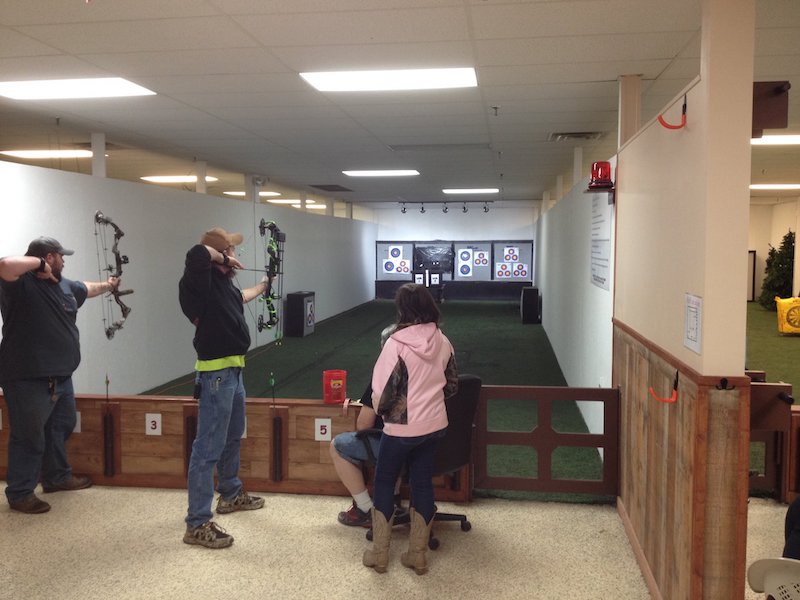
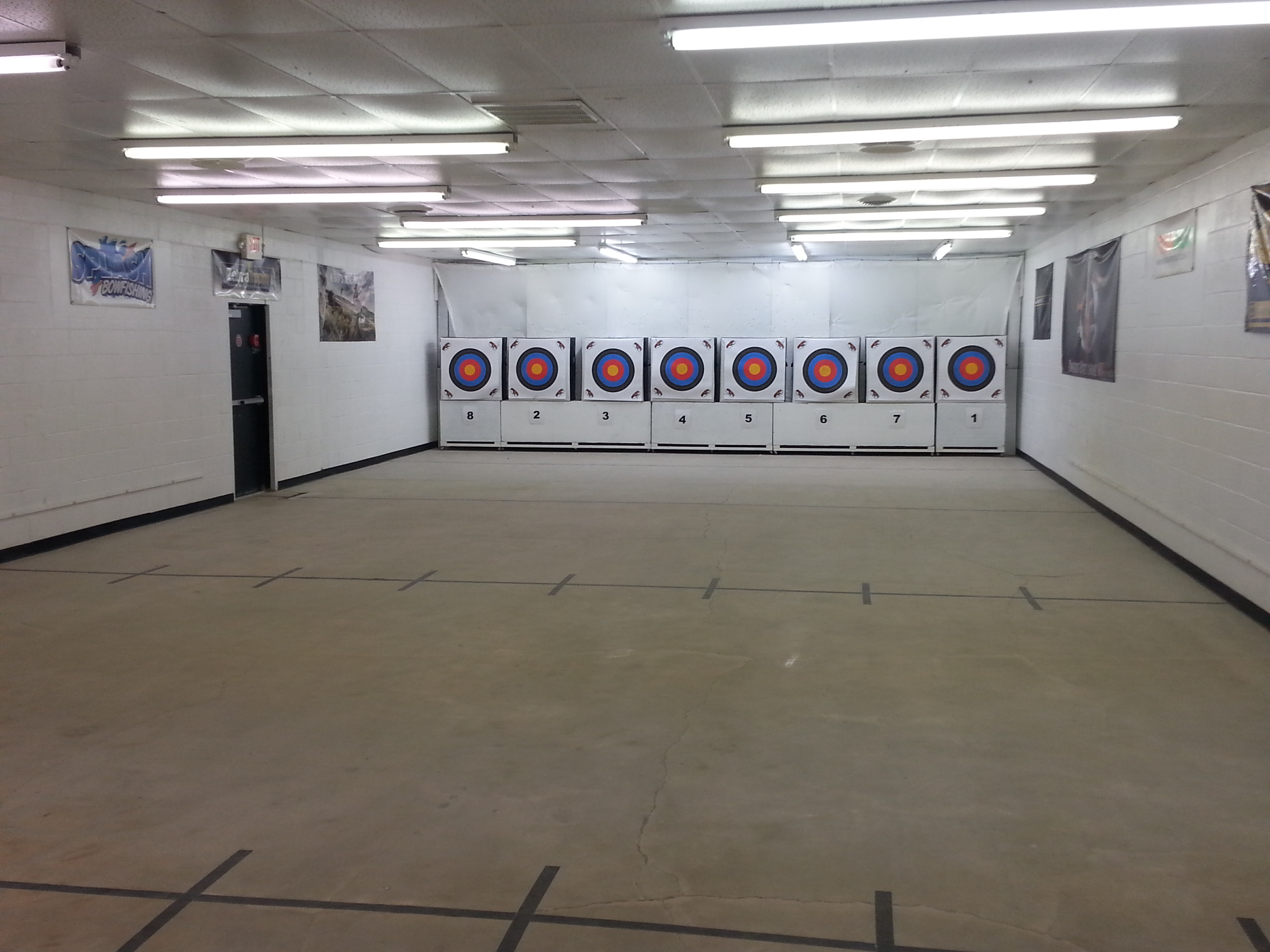
Indoor archery ranges are special places where people shoot arrows at targets inside a building. These ranges offer controlled conditions, so wind, rain, or cold weather do not affect your practice. Most indoor ranges have safety rules, clear shooting lanes, and strong backstops to catch missed arrows.
Unlike outdoor ranges, indoor facilities usually have shorter shooting distances, often 10, 18, or 20 yards. This makes them ideal for beginners and target archers. Many ranges also offer rental equipment, coaching, and organized leagues. If you want to improve your skills or just have fun, indoor archery is a great choice.
How To Find The Closest Indoor Archery Range
Locating an indoor archery range near you is easier than ever. You can use online tools, community resources, and word-of-mouth. Here are practical steps you can follow:
Online Search Tools
- Google Maps: Type “indoor archery range near me” into Google Maps. It will show nearby options with ratings, reviews, and directions.
- Archery Clubs and Associations: The USA Archery website has a “Find a Club” feature, listing certified ranges and clubs across the country.
- Local Sports Centers: Many recreation centers, gyms, and YMCA branches have archery programs. Check their websites or call directly.
Phone Apps And Social Media
Some archery apps let you find ranges and events. Facebook groups and Reddit forums often share recommendations for local facilities. You can also ask friends or coworkers who shoot archery.
Community Boards And Word-of-mouth
Local sporting goods stores sometimes display flyers or posters for archery ranges. Talking to staff at these stores or asking at your school can lead to useful tips.
Pro Tip: If you are new to archery, visit a range during open hours to see the space, meet staff, and ask about beginner programs.
Comparing Indoor Archery Ranges
Not all archery ranges are the same. When choosing a facility, consider the features, safety, and atmosphere. Here is a comparison of common features:
| Feature | Standard Indoor Range | Premium Indoor Range |
|---|---|---|
| Shooting Distance | 10, 20 yards | 10, 30 yards |
| Equipment Rental | Basic bows/arrows | Wide selection |
| Coaching | Group classes | Personal coaching |
| Safety Features | Backstops, rules | Advanced barriers |
| Extras | Leagues, events | Café, pro shop |
Some ranges focus on beginners, while others host competitive events. Choose a range that matches your goals and comfort level.
What To Expect During Your Visit
When you arrive at your chosen range, you will usually check in at the front desk. Staff will explain safety rules and help you select equipment if you need it. Most facilities require you to sign a waiver. Here’s what you can expect:
- Safety Briefing: Staff will show you how to handle bows and arrows safely.
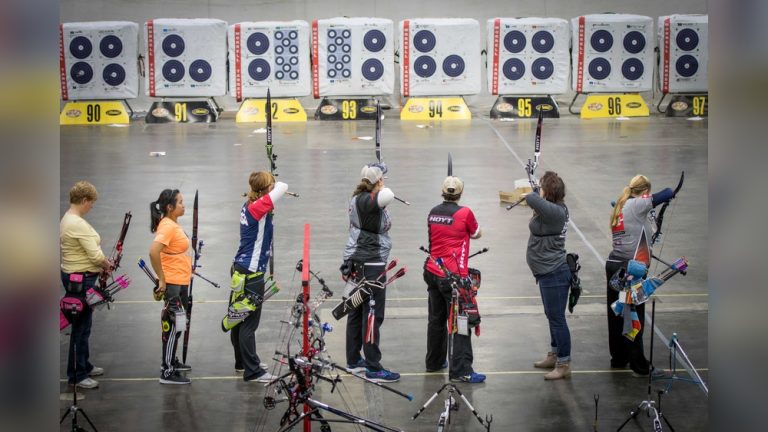
- Shooting Lane: You’ll be assigned a lane, often with clear barriers between shooters.
- Target Setup: Targets are placed at set distances. You can choose paper targets or sometimes 3D animal shapes.
- Practice Time: Sessions can last from 30 minutes to 2 hours. Some places offer unlimited shooting for a flat fee.
Example: When I tested a local range, the staff gave me a quick tour and helped me choose a bow suited to my height and strength. The atmosphere was relaxed, and other archers were friendly, offering tips on aiming.
Indoor Archery Range Rules And Safety
Safety is always the top priority at indoor ranges. Here are standard rules you’ll find almost everywhere:
- Only shoot when the range officer says it is safe.
- Never point your bow at anyone.
- Wear closed-toe shoes.
- Retrieve arrows only when all shooters have finished.
- No running or horseplay.
Some ranges may have extra rules, such as age limits or equipment restrictions. Always follow instructions from staff.
Warning: Ignoring safety rules can lead to injury or being asked to leave. Listen carefully and respect the guidelines.
Types Of Archery Offered Indoors
Indoor archery is not just about shooting at paper circles. Many ranges offer different archery styles:
Target Archery
This is the most common indoor style. Archers shoot at round, colored targets from set distances. Scoring is based on where the arrow hits.
3d Archery
Some ranges have foam animal targets, adding variety and excitement. You shoot from different angles, simulating hunting scenarios.
Youth And Adaptive Archery
Many facilities run programs for kids and people with disabilities. Special equipment and coaching make archery accessible to everyone.
Leagues And Tournaments
If you want competition, look for ranges with organized leagues or tournaments. These events are friendly and help you improve your skills.
What Makes An Indoor Archery Range Good?
The best indoor archery ranges combine safety, comfort, and community. Here are features to look for:
- Clean, well-lit space: Good lighting and clean lanes make shooting easier.
- Knowledgeable staff: Helpful staff can guide you, answer questions, and support beginners.
- Quality equipment: Bows, arrows, and targets should be in good condition.
- Flexible hours: Evening and weekend hours let you practice when you’re free.
- Community events: Classes, leagues, and socials build friendships and skills.
If a range feels welcoming, you’re more likely to return and improve. Friendly staff and supportive shooters often make a big difference in the learning experience.
How To Prepare For Your First Visit
Getting ready for your first indoor archery session is simple. Here are steps to follow:
- Check the Schedule: Call or visit the website to confirm hours and fees.
- Dress Properly: Wear comfortable clothes. Avoid baggy sleeves, which can catch the bowstring.
- Bring ID: Some ranges require ID for rental equipment or waivers.
- Ask About Rentals: If you don’t own gear, find out what’s available for rent.
- Arrive Early: Give yourself time to learn the rules and ask questions.
Most ranges welcome newcomers. Don’t be shy, staff are used to helping beginners.

Credit: orleanshub.com
Equipment: Renting Vs. Buying
When you start indoor archery, you can use rental equipment. This lets you try different bows and arrows without buying. As you progress, you may want your own gear.
Renting Equipment
- Low cost
- Staff help with fitting
- Try different types
Buying Equipment
- Custom fit
- More comfort
- Long-term savings
Pro Tip: Try several bows before buying. Each style feels different, and staff can help you choose what suits you best.
Cost And Membership Options
Prices at indoor archery ranges vary. Here’s what you might pay:
- Hourly Range Fee: $10, $20 per hour
- Equipment Rental: $5, $15 per session
- Membership: $40, $100 per month
Memberships often include unlimited range access, discounts on rentals, and special events. If you plan to shoot often, membership can save money.
Some ranges offer family packages or youth rates. Always ask about deals or seasonal promotions.
Accessibility And Location Factors
Choosing the closest indoor archery range is about more than distance. Consider:
- Parking: Easy parking makes visits smoother.
- Public Transport: Some ranges are near bus or subway stops.
- Entry Access: Facilities should be wheelchair accessible.
- Nearby Amenities: Look for places with restrooms, vending machines, or even cafes.
Many ranges are located in suburban areas or near sports complexes. If you live in a big city, check for ranges inside community centers.
Indoor Archery Range Comparison By Region
Different regions may have different types of ranges. Here’s a comparison:
| Region | Typical Range Size | Common Amenities | Popular Styles |
|---|---|---|---|
| Urban | Small (5, 10 lanes) | Rental, coaching | Target, youth |
| Suburban | Medium (10, 20 lanes) | Leagues, pro shop | Target, 3D |
| Rural | Large (20+ lanes) | Events, hunting practice | 3D, competition |
Urban ranges may be closer but smaller, while suburban and rural ranges often have more space and variety.
Credit: archery360.com
Indoor Archery Range Etiquette
Good manners make archery more enjoyable for everyone. Follow these etiquette tips:
- Wait your turn and do not distract others.
- Keep noise low.
- Help keep the range tidy, pick up used targets or trash.
- Respect all shooters, regardless of skill.
- Listen to staff and follow their instructions.
Experienced archers often welcome beginners. Asking for advice is fine, but avoid interrupting someone’s practice.
Common Mistakes Beginners Make
Many new archers repeat the same errors. Avoid these common mistakes:
- Pulling the bowstring with too much force.
- Standing too close to the target.
- Ignoring safety rules.
- Wearing loose clothing.
- Failing to ask for help.
Staff and other shooters can help correct your form and answer questions. Don’t be afraid to learn.
Benefits Of Indoor Archery
Indoor archery offers unique advantages:
- Year-round access: No weather worries.
- Consistent conditions: Always same distance, lighting, and temperature.
- Safe environment: Controlled space reduces risk.
- Social opportunities: Meet other archers and join leagues.
- Skill improvement: Focused practice helps you progress faster.
For families, indoor archery is a safe, fun activity. For serious archers, it’s an essential training tool.
How To Improve Your Skills At An Indoor Range
Improving your archery skills is easier indoors. Here’s how:
- Practice regularly, small sessions add up.
- Take lessons from certified coaches.
- Use video analysis, some ranges offer this for feedback.
- Set goals, track your scores and progress.
- Join leagues or tournaments for motivation.
Some ranges host skill clinics or workshops. Ask staff about upcoming events.
Pro Tip: Try different target distances. Shooting from farther away builds confidence and sharpens aim.
Indoor Archery For Kids And Families
Indoor archery is safe and fun for kids. Many ranges offer youth classes and birthday parties. Children learn focus, patience, and teamwork.
Family memberships can save money. Parents and kids can shoot together, making it a bonding activity.
Some ranges offer adaptive archery for people with disabilities. Special bows and coaching make archery accessible for everyone.
Why Indoor Archery Is Growing
Archery is becoming more popular, especially indoors. According to USA Archery, participation in indoor programs has grown over 20% in the past five years (USA Archery). Reasons include safety, convenience, and community.
Movies and TV shows also inspire new archers. Many people try archery after seeing it in “The Hunger Games” or “Arrow. ”
Advanced Options: Competitive And Elite Ranges
For advanced shooters, some ranges offer elite features:
- Electronic scoring systems
- Long-distance lanes (up to 30 yards)
- Coaching from national-level experts
- Specialized tournaments
Competitive archers often train at these facilities. Ask staff about advanced programs if you want to compete.
Planning A Group Visit Or Event
Indoor archery ranges host group events, such as birthday parties, corporate outings, or school trips. Group rates often include coaching and equipment.
If you plan a group visit:
- Book in advance
- Ask about age restrictions
- Request extra staff support
Group events are a fun way to introduce archery to friends or coworkers.
Credit: archeryoutposttulsa.com
Environmental And Health Benefits
Indoor archery is eco-friendly. Many ranges use reusable targets and arrows. Unlike some sports, archery produces little waste.
Archery also offers health benefits:
- Improves focus and concentration
- Builds upper body strength
- Enhances hand-eye coordination
- Reduces stress
Doctors recommend archery for children with attention issues and adults needing gentle exercise. Always consult a health professional before starting a new sport.
Frequently Asked Questions
What Should I Wear To An Indoor Archery Range?
Wear comfortable clothing that fits closely to your body. Avoid loose sleeves, scarves, or jewelry, as these can catch on the bowstring. Closed-toe shoes are required for safety. If you have long hair, tie it back.
Can I Bring My Own Equipment To The Range?
Most indoor archery ranges allow you to bring your own bows and arrows. However, staff may need to inspect your equipment to ensure it is safe and suitable for the facility. Some ranges restrict certain types, such as broadhead arrows, due to safety concerns.
Is Indoor Archery Safe For Children?
Indoor archery is generally safe for kids when supervised. Ranges often offer youth programs with trained coaches. Arrows and bows for children are lighter and easier to handle. Always check age requirements and ask about safety measures before signing up.
How Do I Improve My Accuracy In Indoor Archery?
To boost accuracy, focus on proper stance and consistent technique. Many ranges offer coaching or video analysis. Practicing regularly and tracking your scores can help. Consider joining a league, where you’ll get feedback and motivation.
Are There Archery Ranges For People With Disabilities?
Yes, many indoor archery ranges offer adaptive programs for people with physical or cognitive disabilities. Special equipment, like modified bows or supports, makes archery accessible. Staff are trained to assist and ensure everyone can participate safely.