Why Indoor Archery Is the Perfect Sport for All Ages
Indoor archery offers a unique experience for both beginners and experienced shooters. Unlike outdoor ranges, indoor archery gives you a controlled setting, making it easier to focus on technique, accuracy, and safety. Whether you’re looking to develop a new hobby, train for competition, or simply enjoy a fun activity, indoor archery stands out for many reasons.
Let’s explore why this sport is gaining popularity, how it compares to outdoor archery, and what you should know before stepping onto the range.
The Appeal Of Indoor Archery
Indoor archery is growing fast. According to USA Archery, membership has increased by 30% over the past five years (source: USA Archery). This rise is not just about convenience, it’s also about accessibility and comfort. People of all ages and abilities can participate, making it a welcoming sport.
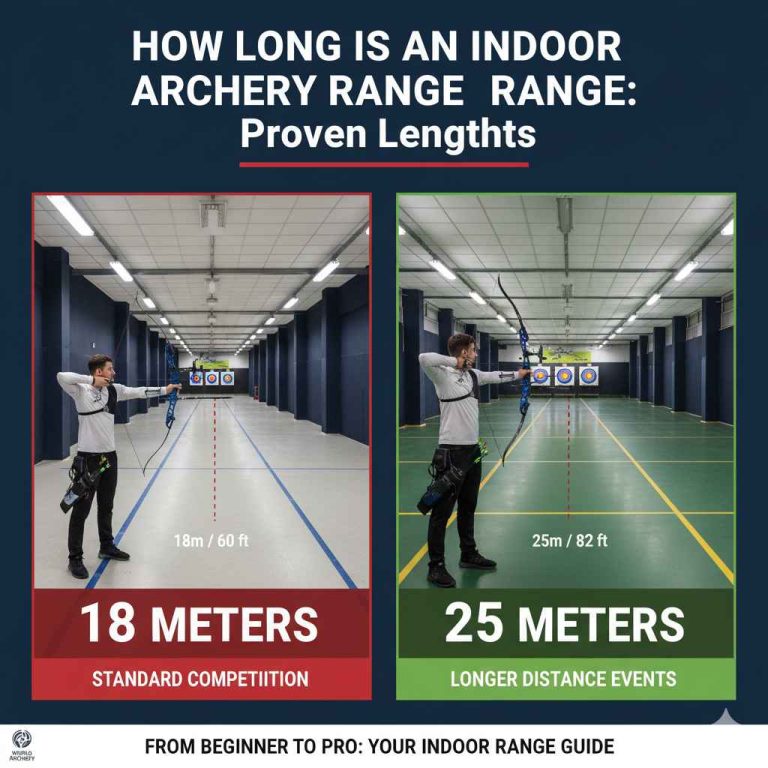
One reason indoor archery is so appealing is its focus on precision. With distances usually set between 18 to 25 meters, shooters can develop consistency without worrying about wind, rain, or temperature. This setting is ideal for anyone wanting to build skills or compete at a high level.
Comfort And Accessibility
Indoor archery is available year-round. No matter the weather outside, you can practice indoors. This is especially helpful in regions with harsh winters or unpredictable climates. The facilities often have climate control, comfortable seating, and clear lighting, making the experience enjoyable for everyone.
Facilities are often located in urban areas, so you don’t need to travel far. Many ranges offer rental equipment, coaching, and beginner classes. For families, indoor archery is safer, as there are strict safety measures and staff supervision. This encourages parents to introduce their children to the sport.
Social Environment
Indoor ranges provide a friendly atmosphere. You can meet fellow archers, join clubs, and participate in local tournaments. Many ranges have leagues, so you can compete regularly and track your progress. Social events, workshops, and team-building activities add extra value.
Pro Tip: If you’re nervous about joining, visit during an open house or beginner day. You’ll see how supportive the community is and how easy it is to start.
Comparing Indoor And Outdoor Archery
Indoor archery and outdoor archery have similarities, but some key differences set them apart. Let’s look at the most important factors.
| Feature | Indoor Archery | Outdoor Archery |
|---|---|---|
| Distance | 18, 25 meters | Up to 90 meters |
| Weather | Controlled, no impact | Wind, rain, sun affect shots |
| Lighting | Consistent, artificial | Natural, variable |
| Accessibility | Urban, easy to reach | Often rural, longer travel |
| Safety | Strict supervision | Self-managed |
Skill Development
Indoor archery is perfect for training your form. Since you don’t have to adjust for wind or uneven ground, you can focus on your stance, draw, anchor, and release. Many national champions start indoors to build muscle memory before moving outdoors.
Outdoor archery is more challenging because of longer distances and changing weather. It’s better for archers who want to test their skills in different conditions. But most people find it easier to master the basics indoors first.
Equipment Differences
The equipment for indoor archery is often lighter and simpler. You don’t need heavy bows or special arrows to handle wind. Indoor arrows are usually shorter and have larger fletching for stability. Many ranges allow compound bows, recurve bows, and even traditional longbows.
In my experience, starting with indoor archery helped me understand equipment choices without feeling overwhelmed by outdoor challenges. It’s easier to learn what works for you in a controlled space.

Credit: nfaausa.com
Health Benefits Of Indoor Archery
Archery is more than a sport, it’s a way to improve your physical and mental health. Indoor archery brings added benefits because you can practice regularly and safely.
Physical Fitness
Archery builds upper body strength. Drawing a bow uses muscles in your arms, shoulders, chest, and back. Regular practice can help tone these areas. Even at short distances, you need good posture and balance, which improves your core stability.
It also develops hand-eye coordination. Aiming and releasing arrows requires focus and control. Over time, your reflexes and precision improve.
Mental Focus
Archery is known for helping with concentration and stress relief. You must block out distractions and focus on each shot. This mindfulness can reduce anxiety and improve your mood.
Example: Many archers say shooting helps them relax after a busy day. The routine of aiming, breathing, and releasing is calming.
Accessibility For All
Indoor archery is suitable for people with disabilities. Adaptive equipment is available, and ranges often have accessible facilities. The sport can be enjoyed sitting or standing, making it inclusive for everyone.
Safety And Structure In Indoor Archery
Safety is a top priority in indoor archery. Unlike outdoor settings, indoor ranges have strict rules and supervision.
Controlled Environment
Indoor ranges have clear boundaries and safety nets behind targets. This prevents stray arrows from causing harm. Staff members are trained to watch for unsafe behavior and guide beginners.
Structured Practice
Most facilities use a whistle system to control shooting. Archers wait for a signal before retrieving arrows or starting a new round. This keeps everyone safe and organized.
Equipment Checks
Before each session, staff check bows and arrows for damage. This reduces accidents and helps beginners learn proper care.
Pro Tip: Always ask for a safety briefing if you’re new. Even experienced archers benefit from reviewing the rules.
Indoor Archery For Beginners
If you’ve never tried archery before, indoor ranges are the best place to start. Here’s why:
Easy To Learn
Indoor archery classes are designed for people with no experience. Coaches teach you how to hold the bow, aim, and release. Most beginners can hit the target within their first session.
Affordable Options
Many ranges offer rental equipment and group lessons. This reduces the cost, so you don’t need to buy gear right away. You can try different bows and arrows to see what suits you.
Step-by-step Guidance
Coaches give personal feedback. You’ll learn proper stance, breathing, and aiming. Mistakes are corrected quickly, so you build good habits.
Common Beginner Mistakes
- Gripping the bow too tightly, this affects accuracy.
- Dropping the bow arm after the shot, causes missed targets.
- Not following safety instructions, risking injury.
- Ignoring equipment checks, may lead to damaged gear.
Pro Tip: Don’t rush. Focus on consistency, not speed. Archery is about patience and practice.
Indoor Archery For Competitive Shooters
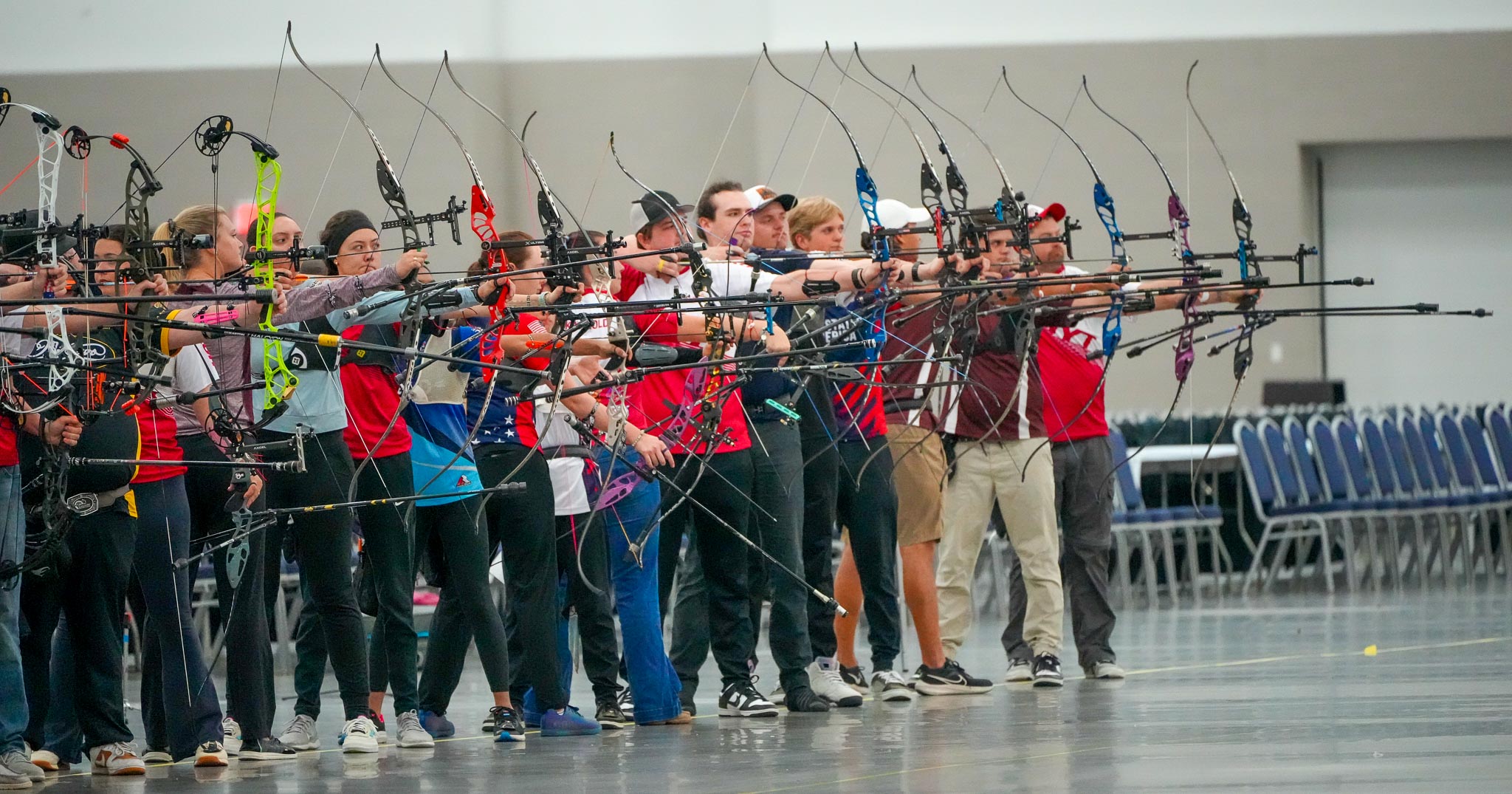
Indoor archery is not only for beginners. Many top archers use indoor ranges to train for national and international competitions.
Structured Tournaments
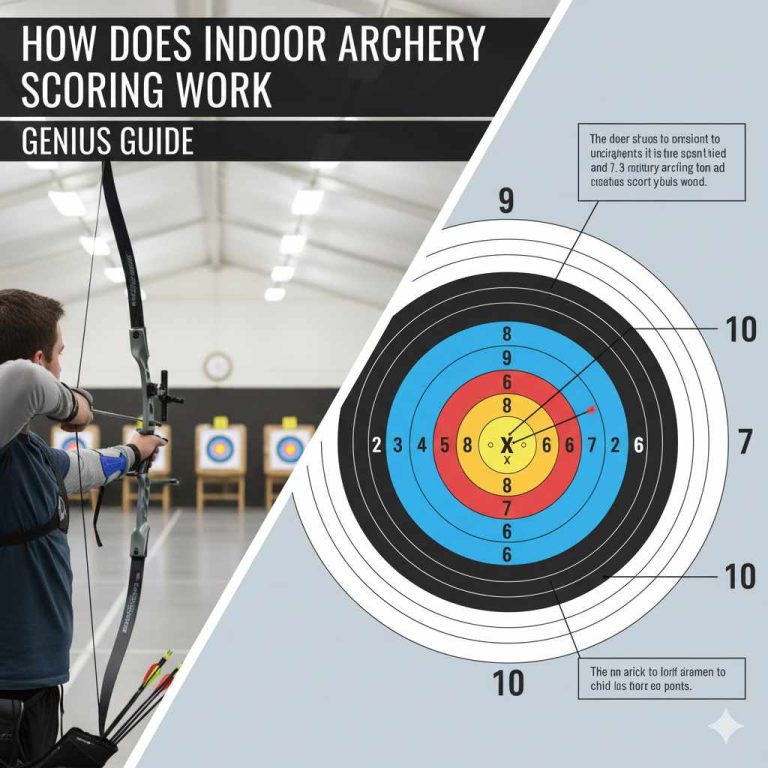
Indoor tournaments are held all year. Distances and rules are standardized, so you can compare scores with others. Most events use the World Archery format: 18 meters, 3 arrows per end, and a target face with ten scoring rings.
Skill Development
Competitive shooters use indoor archery to refine their technique and mental focus. Repetition helps with accuracy, and coaches can analyze form closely.
Data Tracking
Many ranges offer electronic scoring. This lets you track your progress and set goals. You can see improvements in accuracy and consistency over time.
| Level | Typical Distance | Target Size | Event Frequency |
|---|---|---|---|
| Beginner | 10, 18 meters | Large (80 cm) | Weekly classes |
| Intermediate | 18 meters | Standard (40 cm) | Monthly tournaments |
| Advanced | 18, 25 meters | Small (20 cm) | National events |
Equipment Choices For Indoor Archery
Choosing the right equipment is important. Indoor archery needs specific gear for best results.
Bows
Most indoor archers use recurve bows or compound bows. Recurve bows are simple and easy to maintain. Compound bows have pulleys, making them easier to draw and hold.
Traditional longbows are also allowed, but less common. Try different styles before buying.
Arrows
Indoor arrows are shorter and have larger fletching (the feathers at the back). This helps stabilize the flight at short distances. Materials include aluminum, carbon, or wood.
Accessories
- Arm guards, protect your forearm from the string.
- Finger tabs, help release the string smoothly.
- Sight, improves aiming accuracy.
- Stabilizer, reduces vibration and balances the bow.
Pro Tip: Rent equipment before buying. Many ranges let you test different bows and arrows.
Equipment Comparison
| Item | Indoor Feature | Outdoor Feature |
|---|---|---|
| Bows | Lighter, simple | Heavier, weather-resistant |
| Arrows | Short, large fletching | Long, small fletching |
| Accessories | Basic, comfort-focused | Advanced, durability-focused |
Indoor Archery For Children And Families
Indoor archery is a safe and fun activity for kids and families. It teaches discipline, patience, and teamwork.
Youth Programs
Many ranges offer youth programs. Kids learn basic skills and safety rules. They can join junior leagues and compete in age-group tournaments.
Family Events
Indoor archery is popular for family days and birthday parties. Everyone can participate, regardless of age or skill. Equipment is sized for children, and instructors supervise every session.
Educational Value
Archery builds confidence and focus. Children learn to set goals and track progress. It also encourages physical activity without the risks of contact sports.
Pro Tip: Look for ranges with certified instructors and child-friendly equipment.
Indoor Archery And Accessibility
One non-obvious insight is how indoor archery breaks barriers. People who may not feel comfortable outdoors, due to weather, disability, or schedule, can still enjoy the sport.
Adaptive Archery
Adaptive equipment includes mouth tabs, specialized releases, and bows for people with limited mobility. Many ranges offer accessible lanes and trained instructors.
Flexible Scheduling
Indoor facilities often have evening and weekend hours. This lets people fit archery into busy lives. You can practice after work or school, making it easier to stay committed.
Indoor Archery For Stress Relief And Mindfulness
Archery is more than hitting targets, it’s a form of mindfulness. The process of shooting can help manage stress and improve mental health.
Routine And Calm
The steps of shooting, nocking the arrow, drawing, aiming, releasing, help you focus on the present. This routine is calming and can be used to manage anxiety.
Community Support
Many archers report feeling more relaxed and confident after practicing. Indoor ranges offer a supportive environment, so you can share experiences and learn from others.
Pro Tip: If you feel stressed, try focusing on breathing before each shot. This helps with accuracy and calmness.
Credit: www.usarchery.org
Indoor Archery For Skill Building
Indoor archery is ideal for improving specific skills. Here are two insights beginners often miss:
- Consistency matters more than power. Indoors, you don’t need to shoot hard, you need to shoot consistently. Focus on form and routine.
- Sight adjustment is easier indoors. Since lighting and distance don’t change, you can fine-tune your sight for maximum accuracy.
Coaches often use video analysis to help you see your technique. This feedback is more effective indoors because conditions are stable.
Common Challenges And Solutions In Indoor Archery
Every sport has challenges. Indoor archery is no different. Here’s how to overcome common issues:
Target Panic
Some archers freeze before releasing the arrow. Coaches recommend breathing exercises and practice with blank targets to overcome this.
Equipment Fatigue
Using unfamiliar or uncomfortable gear can cause fatigue. Rent different bows until you find the right fit.
Distraction
Indoor ranges can be noisy. Use earplugs or ask for quiet times if you need more focus.
Warning: Never ignore pain or discomfort while shooting. Consult a coach or medical professional if problems continue.
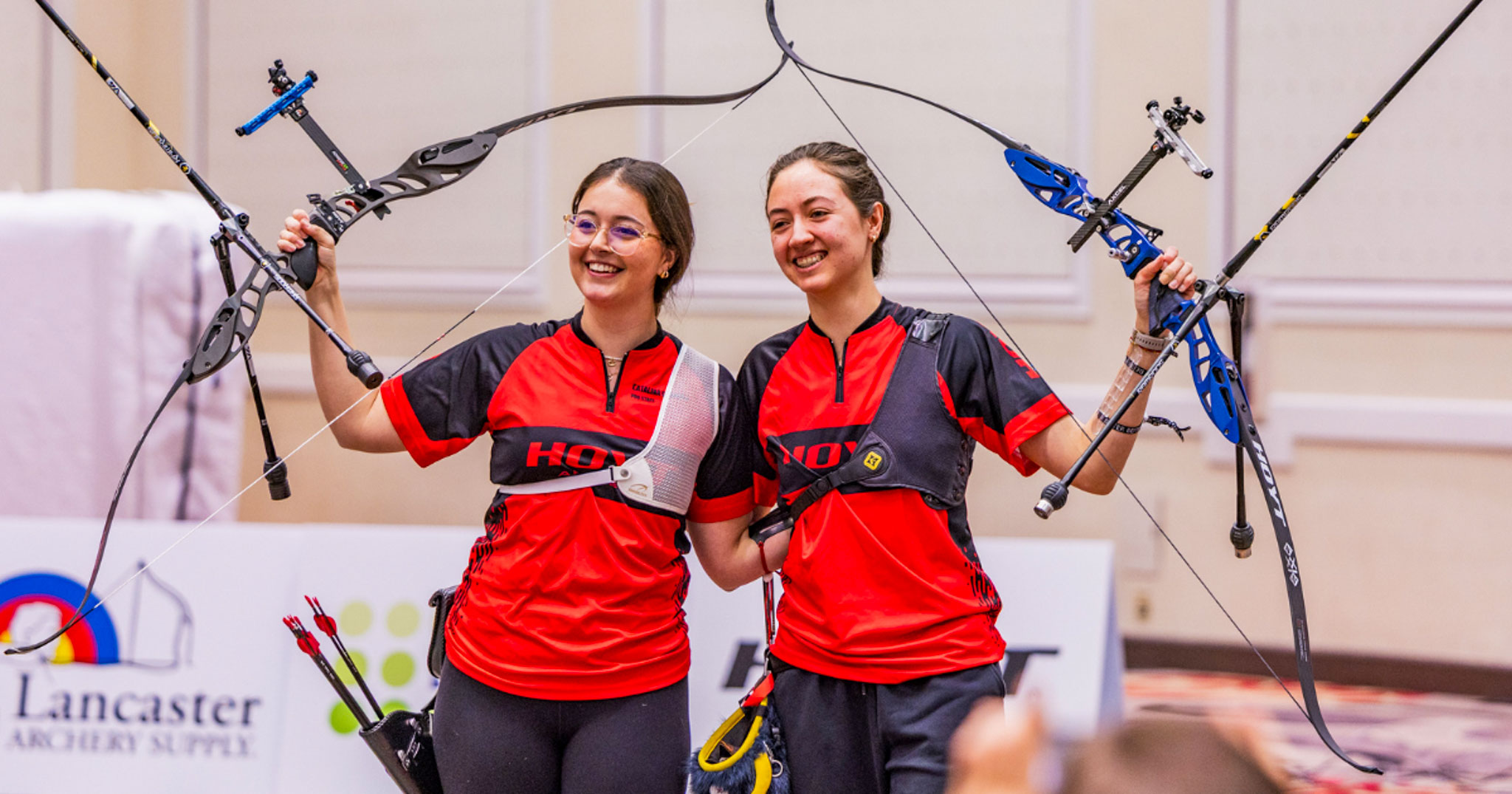
Credit: www.usarchery.org
How To Get Started With Indoor Archery
If you’re ready to try indoor archery, follow these steps:
- Find a local range. Check reviews and safety standards.
- Book a beginner class. Don’t skip the basics.
- Rent equipment. Try different bows and arrows before buying.
- Learn the rules. Safety is important for everyone.
- Practice regularly. Progress takes time.
Most people see improvement within a month. Track your scores and ask for feedback.
Frequently Asked Questions
What Is The Minimum Age For Indoor Archery?
Most ranges accept children as young as seven years old. Some youth programs start even earlier with lighter bows and special instruction. Check with your local facility for age requirements and supervision policies.
Can Indoor Archery Help With Rehabilitation?
Yes, indoor archery is sometimes used in physical therapy for improving muscle strength and coordination. Therapists may recommend archery for patients recovering from shoulder or arm injuries. Always consult a medical professional before starting.
Is Indoor Archery Expensive?
Costs vary. Many ranges offer discounted packages for beginners, including equipment rental and instruction. Monthly membership is often less expensive than outdoor sports. Ask about family or group rates to save more.
Are There Indoor Archery Leagues?
Yes, many ranges have leagues for all skill levels. You can join a team, compete weekly, and track scores. Leagues are a great way to meet people and improve your skills in a friendly environment.