How Far to Stand from Target When First Starting Training: Expert Tips
Learning how far to stand from the target is one of the most important steps when beginning any target sport or shooting activity. Whether you’re practicing archery, air rifle, darts, or even throwing axes, the right distance shapes your accuracy, confidence, and safety.
Yet, many beginners are unsure where to start and often make the mistake of standing too far away or too close, which can slow down progress and even lead to bad habits.
This article will guide you through the ideal starting distances for different activities, explain why distance matters so much, and help you adjust your position as you improve. You’ll find practical advice, real-world examples, and a few tips that most newcomers overlook.
By the end, you’ll know exactly how to set up your training space, no guesswork needed.
Why Starting Distance Matters In Target Training
Your starting distance is more than just a number, it’s your foundation. Stand too far and you’ll struggle to hit the target, leading to frustration. Stand too close and you may never learn proper technique or build the muscle memory needed for longer distances. The right starting spot gives you:
- Faster skill growth: You hit the target more often, building positive feedback and confidence.
- Better technique: You develop good habits that work at all distances.
- Safety: You minimize risk by not overshooting or ricocheting off the target area.
For example, in archery, starting at 5 meters instead of 10 can mean the difference between constant misses and regular hits. Early success helps you stay motivated.
Standard Beginner Distances By Discipline
Different sports and activities have widely accepted beginner distances, often set by coaches and organizations. These are not random, they are chosen to balance challenge and success. Here’s a comparison of common sports:
| Activity | Recommended Beginner Distance | Standard Competition Distance |
|---|---|---|
| Archery (Recurve/Barebow) | 5, 10 meters (16, 33 ft) | 18, 70 meters (59, 230 ft) |
| Air Rifle | 5, 7 meters (16, 23 ft) | 10 meters (33 ft) |
| Darts | 2, 2.37 meters (6.5, 7.8 ft) | 2.37 meters (7 ft 9.25 in) |
| Axe Throwing | 3, 4 meters (10, 13 ft) | 4.57 meters (15 ft) |
| BB Gun / Pellet Gun | 5, 7 meters (16, 23 ft) | 10 meters (33 ft) |
You’ll notice that the beginner distance is almost always shorter than the competition distance. This helps you learn form and accuracy before dealing with the pressure of a longer shot.
How To Choose Your Starting Distance
Most beginners want a clear answer: “How far should I stand?” The truth is, it depends on your sport, your equipment, and your initial skill level. However, you can use these steps to find your personal starting point:
1. Follow The Sport’s Guidelines
If you are training at a club or with a coach, ask for the official beginner distance. Most sports have a recommended range for new students. For example, USA Archery suggests 5, 10 meters for adults and youth just starting out.
2. Test Your Comfort Level
Stand at the recommended beginner distance and take a few practice shots or throws. Pay attention to:
- Are you hitting the target area at least 50% of the time?
- Do you feel you can focus on form, not just reaching the target?
- Is your equipment (bow, darts, rifle, etc.) Suitable for that range?
If you are constantly missing, move closer. If you are hitting the bullseye every time, move a bit farther away.
3. Adjust Based On Your Results
It’s normal to adjust your distance as you train. The key is to:
- Start close enough for regular success
- Move back only when you’re consistently accurate
Pro Tip: A good rule is to hit your target area at least 7 out of 10 times before increasing the distance.
4. Consider Space And Safety
Make sure you have enough safe space behind your target in case you miss. For home setups, especially with airguns or archery, use a proper backstop.
Practical Examples: Different Sports And Their Distances
Let’s break down how this works in real life for popular target sports.
Archery
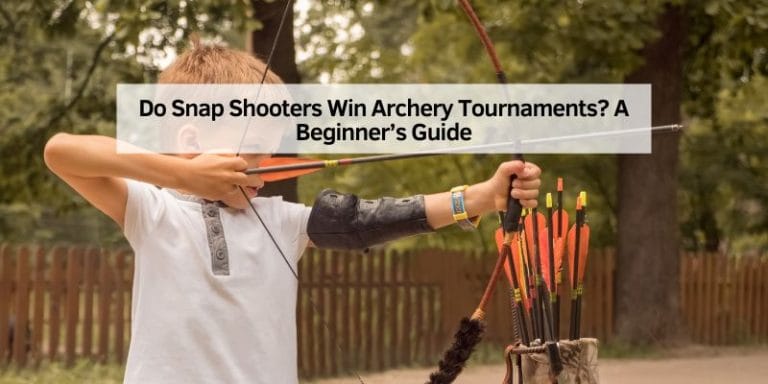
When I started archery, my coach placed me at just 5 meters from the target. It felt almost too close, but this allowed me to focus on stance, grip, and release rather than simply “hitting the target.” As my form improved, I moved back to 8 meters, then 10 meters, and so on.
- Beginner distance: 5, 10 meters
- Typical progression: Add 2, 3 meters when you can group arrows in a 6-inch circle consistently
Darts
Darts has a fixed standard distance (2. 37 meters), but beginners often start closer, especially children or those with weak throws.
- Beginner distance: 2, 2.37 meters
- Progression: Stand at regulation line once you can hit the board 8 out of 10 times
Air Rifle And Bb Gun
With air rifles, the standard competition is 10 meters. New shooters, especially kids, start at 5, 7 meters. This helps reduce frustration and teaches trigger control and aiming.
- Beginner distance: 5, 7 meters
- Progression: Move back to 10 meters when you can hit a 2-inch target consistently
Axe Throwing
Axe throwing is popular and safe if you follow guidelines. Beginners often start at 3, 4 meters before moving to the regulation 4. 57 meters.
- Beginner distance: 3, 4 meters
- Progression: Step back only when you can stick the axe in the target most throws
Knife Throwing
Knife throwing is similar to axe throwing. Beginners start at 2, 3 meters to ensure the knife rotates once and sticks.
- Beginner distance: 2, 3 meters
- Progression: Add 0.5 meters each time you master sticking the knife
What Happens If You Start Too Far Or Too Close?
This is a mistake many new shooters or throwers make. Starting at the wrong distance can affect your learning:
| Starting Too Far | Starting Too Close |
|---|---|
| – Misses are frequent – Frustration rises – Bad habits form (over-aiming, rushing) | – Easy to hit, but no challenge – Poor technique can go unnoticed – Harder to adjust to longer distances later |
Pro Tip: It’s better to start a little too close than too far. Success builds confidence, but don’t stay close forever, move back as your skill grows.
How To Measure And Set Up Your Distance
Getting the distance right is not just about pacing it out. Use a tape measure for accuracy, especially if you want to progress to official competitions. Here’s how to do it:
- Measure from the shooting line to the target face, not the backstop.
- Mark the shooting line clearly with tape or a mat.
- If possible, use a laser distance measurer for precision.
- For outdoor setups, make sure the ground is level to avoid mistakes.
Warning: Never estimate by walking “steps,” as stride length varies and can lead to big errors.
Credit: www.ritfitsports.com
How Often Should You Adjust The Distance?
There’s no perfect timeline for moving back. Some people progress quickly, while others need more time at each stage. As a guideline:
- Every 2, 4 weeks: Review your accuracy. If you’re hitting your mark 70% of the time with good form, consider stepping back 1, 2 meters.
- If you start missing often, return to the previous distance and practice more.
Remember, progress is not always in a straight line. It’s normal to move forward and backward as you learn.
Mistakes Beginners Make With Distance
Most beginners make at least one of these errors when setting up their training:
- Ignoring recommendations and starting at the competition distance
- Not measuring accurately, leading to inconsistent practice
- Moving back too quickly before mastering basic skills
- Not focusing on form at close range
- Lack of safety checks behind the target
Pro Tip: Film yourself from the side. This allows you to see if your technique changes as you move the target farther away.
How To Know You’re Ready To Move Back
It’s exciting to see improvement, but don’t rush. These signs mean you’re ready for a longer distance:
- You hit the central area of the target at least 70% of the time.
- Your grouping (how close your shots or throws land) is tight, even if not always centered.
- You feel comfortable and relaxed at your current distance.
- Your coach or training partner agrees you’re ready.
For example, in my experience, I found that my accuracy at 5 meters in archery stayed steady for a week, then suddenly jumped at 7 meters after focusing on form.
Adapting Distance For Children And Special Needs
Young children, seniors, or those with physical disabilities may need to start even closer. The key is to encourage success and safety above all.
- For children under 12, start at the closest safe distance (as little as 2, 3 meters for archery or BB gun).
- For adaptive sports, consult with a coach trained in accessibility to set the right distance.
Equipment Considerations
The type and quality of your equipment can affect how far you can stand from the target.
- Lower-powered bows or air rifles: These require you to stand closer, as the projectile may not reach far.
- Dull darts or axes: May not stick at longer distances, so start closer for safety.
If you upgrade your equipment, re-test your best starting distance.
Indoor Vs Outdoor Training Distances
Indoor ranges usually have set distances, but at home or outdoors, you have more flexibility. However, outdoor conditions like wind, uneven ground, and lighting can affect your shots or throws.
- Indoor: Easier to measure and control distance.
- Outdoor: Be prepared to start closer and adjust for weather or terrain.

Credit: debuggercafe.com
Tracking Your Progress
Keeping a training log helps you know when you’re ready to move back. Track:
- Distance from target
- Number of shots/throws
- Hits vs misses
- Grouping tightness
This data helps you spot improvement and setbacks.
When To Move To Competition Distance
Most people are excited to reach the official distance, but patience pays off. Move to competition distance when:
- You consistently hit the target well at the last “training” distance
- Your form is solid and doesn’t fall apart under pressure
- You’re mentally ready for a challenge
Example: In archery, many clubs have you shoot at 10 meters until you can group arrows tightly, then move to 18 meters (indoor competition), and later to 30 or more meters for outdoor practice.
Differences Between Target Types
The type of target can change your ideal starting distance.
- Large, soft targets (like foam or straw): Allow closer practice without damage.
- Small, hard targets (like a dartboard): May require you to stand slightly farther to ensure the projectile sticks.
Axe and knife throwing, for example, often use large wooden targets, making it safer to start very close.
Safety Tips For Setting Distance
Never compromise on safety when choosing your distance:
- Ensure there’s a clear backstop or catching system behind your target.
- Keep bystanders behind the shooting/throwing line.
- Check for obstacles, animals, or people near your target area.
- Wear protective gear as needed (eye protection, arm guards).
For more detailed safety advice, visit the National Shooting Sports Foundation.

Credit: www.ritfitsports.com
Comparing Beginner And Competition Distances
To see how much beginner and competition distances differ, here’s a quick comparison for major sports:
| Sport | Beginner Distance | Official Distance | Percentage of Official |
|---|---|---|---|
| Archery (Indoor) | 5, 10 m | 18 m | 28, 56% |
| Darts | 2, 2.37 m | 2.37 m | 84, 100% |
| Air Rifle | 5, 7 m | 10 m | 50, 70% |
| Axe Throwing | 3, 4 m | 4.57 m | 66, 88% |
Non-obvious Insights Most Beginners Miss
- Distance affects feedback loops: At closer ranges, you notice mistakes in form more easily because misses stand out. At longer distances, errors can be harder to spot since even a small mistake leads to a big miss.
- Environmental factors matter more as you move back: Wind, light, and even your breathing have a bigger effect at longer distances. Practicing at close range lets you control more variables and focus on fundamentals.
Frequently Asked Questions
What If I Have Limited Space At Home For Target Practice?
You can still train effectively in small spaces. Focus on form and consistency at the closest safe distance, even if it’s only 2, 3 meters. Use soft or low-powered equipment to avoid damage. Many top archers and shooters do “blank bale” practice, shooting at very short range to perfect their technique without aiming for the bullseye.