What is Coaching Credentials Archery Tournament? Explained Simply
For many archery enthusiasts and professionals, tournaments are more than just a place to compete. They represent a chance to learn, connect, and grow within the sport. Among the various events, the Coaching Credentials Archery Tournament stands out as a unique platform that bridges the gap between coaching qualifications and competitive archery. If you have ever wondered what this tournament is, how it works, or why it’s important, this article will answer all your questions in clear, simple language.
The Coaching Credentials Archery Tournament isn’t just another archery contest. It is designed to test not only the skills of archers but also the standards and abilities of their coaches. This event brings together archers, coaches, and officials from across regions, focusing on both performance and the quality of coaching.
Its goal is to elevate the level of archery coaching, ensure safety, and promote fairness in competitions. Whether you are an aspiring coach, a seasoned competitor, or someone simply interested in the sport, understanding the details of this tournament can help you appreciate its impact and prepare better for future events.
What Is The Coaching Credentials Archery Tournament?
The Coaching Credentials Archery Tournament is a special event where archers compete under the supervision of certified coaches. The main feature of this tournament is that every coach must present valid coaching credentials to take part. These credentials are usually issued by official bodies such as the USA Archery, World Archery Federation, or recognized national associations.
Unlike standard tournaments, this event places equal importance on the coach’s qualifications and the archer’s skills. Coaches must prove their knowledge, ethics, and safety awareness. In return, archers benefit from higher-quality guidance and support during their matches. Many regions use this tournament as a way to set higher standards for coaching, making sure only qualified individuals lead teams.
The tournament can be held at various levels:
- Local and regional tournaments
- National championships
- International events
Each level may have its own rules, but the central idea remains: only coaches with proper credentials can participate and guide their athletes.
Why Is It Different From Other Archery Tournaments?
Traditional tournaments focus mainly on archers. Coaches may be present, but their qualifications are rarely checked or required. In the Coaching Credentials Archery Tournament, coaches are evaluated just as seriously as the athletes. This means coaches must:
- Hold recognized certifications
- Follow official safety guidelines
- Demonstrate ethical behavior
This structure pushes both coaches and archers to raise their standards. It also helps prevent accidents and cheating, making the event safer and more reliable for everyone involved.
How Coaching Credentials Work
To take part in the tournament, coaches must present official credentials. These credentials prove that the coach has completed certain training, passed exams, and understands both the sport and the rules.
Types Of Coaching Credentials
Most tournaments accept credentials from these sources:
- USA Archery Certification: This is the main credential in the United States. Coaches can hold levels like Level 1, Level 2, or higher, each showing their training and experience.
- World Archery Certification: Used globally, this credential is recognized for international events.
- National Federation Certification: Many countries have their own archery federations that issue credentials.
- Safety Training Certificates: Some events require coaches to have separate safety training, like First Aid or SafeSport certification.
How Credentials Are Verified
At the tournament, officials will check each coach’s documents before the event starts. This process usually involves:
- Reviewing physical certificates or digital credentials
- Checking expiration dates
- Confirming the coach’s registration in official databases
If a coach’s credentials are expired or invalid, they cannot participate. This strict policy helps maintain the quality and safety of the competition.
Example: Credential Levels
Here’s a simple comparison of coaching credential levels in archery:
| Credential Level | Requirements | Allowed Responsibilities |
|---|---|---|
| Level 1 | Basic archery knowledge, safety training, short exam | Coach beginners, assist at entry-level events |
| Level 2 | Advanced training, practical sessions, longer exam | Coach intermediate archers, lead at regional tournaments |
| Level 3+ | Extensive experience, national recognition, advanced exams | Coach elite athletes, head coach at national/international events |
Coaches must know which level is needed for each tournament. Sometimes, only Level 2 or higher can participate.
Tournament Structure And Rules
The Coaching Credentials Archery Tournament follows a set structure to ensure fairness and safety. The rules cover both the competition format and the coach’s role.
Competition Format
Most tournaments use standard archery formats, including:
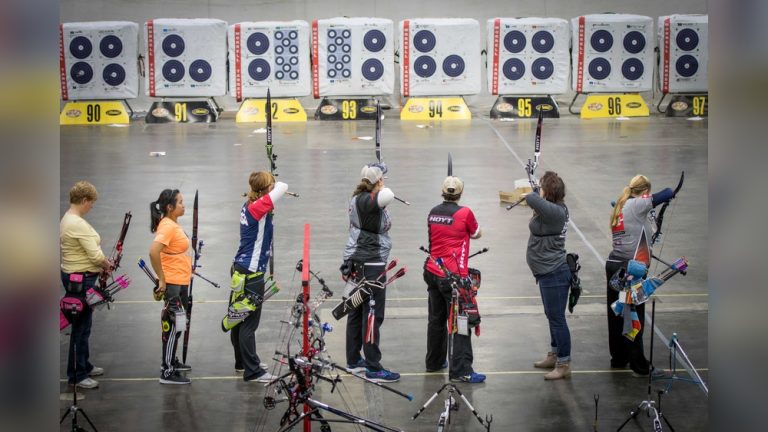
- Target archery: Archers shoot at a fixed target from a set distance.
- Field archery: Archers shoot at targets placed in different locations, often outdoors.
- 3D archery: Targets are shaped like animals, placed in natural environments.
Each format has its own scoring system and rules, but the main requirement is that all archers must be supervised by credentialed coaches.
Coach’s Responsibilities
Coaches are not only guides; they are responsible for:
- Ensuring their athletes follow safety rules
- Providing technical advice
- Reporting any issues or accidents
- Maintaining ethical standards
If a coach breaks tournament rules or acts unsafely, their credential can be suspended or revoked.
Archery Equipment Standards
Every tournament checks equipment for safety and fairness. Coaches must help their athletes use legal bows, arrows, and accessories. For example, the World Archery Federation has strict guidelines on equipment size and weight.
Example: Tournament Flow
A typical Coaching Credentials Archery Tournament may follow this flow:
- Credential Check: Coaches submit their documents.
- Equipment Inspection: Officials check bows, arrows, and accessories.
- Practice Round: Archers warm up, guided by their coaches.
- Competition Begins: Archers compete under coach supervision.
- Scorekeeping: Results are tracked and verified.
- Awards Ceremony: Top archers and coaches are recognized.
This structure helps keep the event organized and safe.
Benefits Of The Coaching Credentials Archery Tournament
Many people wonder why these tournaments matter. The benefits go beyond just competition.
Raising Coaching Standards
By requiring credentials, the tournament encourages coaches to pursue more training and education. This raises the overall quality of coaching in the sport. Archers receive better advice, learn faster, and avoid common mistakes.
Improving Safety
Safety is a major concern in archery. Unqualified coaches may not know how to prevent accidents or handle emergencies. Credentialed coaches are trained in:
- Safe equipment use
- Emergency response
- Athlete well-being
This reduces the risk of injuries and builds trust among participants.
Promoting Fairness
Credentialed coaches are expected to follow ethical rules. This means:
- No favoritism
- No cheating
- Respect for all athletes
When both coaches and archers are held to high standards, the tournament becomes fairer and more enjoyable.
Example: Positive Impact
In my experience, archers who compete with credentialed coaches often show more confidence and skill. At one regional event, I noticed teams with certified coaches performed better, avoided rule violations, and handled stressful moments calmly.
How To Prepare For The Tournament
Whether you are a coach or an archer, preparation is key to success at the Coaching Credentials Archery Tournament.
For Coaches
Coaches should:
- Check Credential Requirements: Make sure your certifications are current and accepted by the tournament.
- Review Safety Guidelines: Study all safety rules and emergency procedures.
- Update Technical Knowledge: Learn the latest coaching techniques and archery trends.
- Practice Communication: Be ready to support athletes both mentally and physically.
Pro Tip: Always bring extra copies of your credentials and emergency contact information.
For Archers
Archers should:
- Choose a Credentialed Coach: Work with a coach who holds the necessary certifications.
- Practice Under Tournament Conditions: Simulate real competition to build confidence.
- Understand the Rules: Study scoring, equipment standards, and safety measures.
- Prepare Mentally: Learn techniques for handling stress and pressure.
Example: Preparing For Credential Checks
Some tournaments use digital systems to check credentials. Coaches can upload certificates online before the event. This speeds up registration and helps avoid delays. Always double-check your documents for accuracy.
Challenges And Common Mistakes
Participating in this tournament can be rewarding, but there are also challenges.
Common Mistakes
- Expired Credentials: Coaches sometimes forget to renew their certifications, which can lead to disqualification.
- Incomplete Safety Training: Not all coaches complete required safety courses, risking their place in the event.
- Ignoring Equipment Rules: Using illegal bows or arrows can result in penalties.
- Poor Communication: Coaches who don’t communicate well with their athletes may struggle during competitions.
How To Avoid Mistakes
- Regularly update and review your credentials.
- Attend all required safety and technical training.
- Double-check equipment before the tournament.
- Practice clear and supportive communication.
Example: At a national event, one coach was disqualified because their First Aid certificate had expired. This could have been avoided by checking documents ahead of time.

Credit: www.socalshowdown.org
Comparison With Other Archery Events
The Coaching Credentials Archery Tournament is not the only type of event in archery, but it has unique features.
Comparison Table: Tournament Types
Here’s a quick comparison between standard archery tournaments and the Coaching Credentials Archery Tournament:
| Feature | Standard Tournament | Coaching Credentials Tournament |
|---|---|---|
| Coach Qualifications | Optional | Mandatory, verified |
| Safety Standards | Basic | Strict, enforced |
| Competition Format | Varied | Standard, with coach oversight |
| Fairness Controls | Limited | High, monitored |
Why Choose This Tournament?
If you value high standards, safety, and fairness, the Coaching Credentials Archery Tournament is a better choice. It also helps coaches advance their careers and gives archers more reliable support.
How To Get Coaching Credentials
If you’re interested in becoming a credentialed coach, the process involves several steps.
Steps To Become A Certified Coach
- Find a Recognized Program: Look for certification programs from USA Archery, World Archery, or your national federation.
- Complete Training: Attend courses covering safety, technical skills, and ethics.
- Pass Exams: Most programs require written and practical tests.
- Submit Documents: Provide proof of training and exam results.
- Maintain Certification: Renew credentials regularly and complete continuing education.
Example: Usa Archery Certification
The USA Archery Level 1 program is a popular entry point. It covers basic archery knowledge, safety, and coaching skills. After passing the exam, coaches receive an official certificate. Higher levels require more training and experience.
For more detailed information, visit the USA Archery Coach Certification page.

Credit: www.usarchery.org
Impact On Archery Community
The Coaching Credentials Archery Tournament has made a clear impact on the archery world.
Improving Athlete Development
With qualified coaches, athletes develop faster and more safely. They get better feedback, avoid bad habits, and build confidence.
Building Trust
Parents, sponsors, and officials trust credentialed coaches more. This helps attract new participants and supports the growth of the sport.
Example: Community Growth
Since these tournaments became more common, local archery clubs have seen an increase in membership. People feel safer and more confident joining events where high standards are enforced.
Data And Trends
While exact numbers are hard to find without official reports, a general trend is clear: events that require coaching credentials see fewer accidents, higher satisfaction rates, and more consistent performance among athletes. According to the World Archery Federation, the number of certified coaches has risen steadily over the past decade, reflecting the growing demand for quality coaching.
Comparison Table: Credentialed Vs. Non-credentialed Coaches
| Aspect | Credentialed Coach | Non-Credentialed Coach |
|---|---|---|
| Training | Formal, ongoing | Informal, limited |
| Safety Knowledge | High | Varies |
| Athlete Support | Comprehensive | Basic |
| Ethical Standards | Enforced | Not always enforced |

Credit: www.usarchery.org
Frequently Asked Questions
What Happens If A Coach’s Credentials Expire During The Tournament?
If a coach’s credentials expire before or during the tournament, they are usually disqualified from coaching in the event. The athlete may continue only if another credentialed coach is available to take over. Organizers recommend checking expiration dates well before the tournament.
Can Archers Participate Without A Credentialed Coach?
No, in the Coaching Credentials Archery Tournament, every archer must be supervised by a credentialed coach. If an archer’s coach does not have valid credentials, the archer cannot compete. This rule protects athletes and keeps the event fair.
Are There Age Requirements For Coaches Or Archers?
Most tournaments set minimum age limits for both coaches and archers. For example, coaches must often be at least 18 years old, while archers can compete from ages 10, 12 upwards, depending on their category. Always check the official rules for specific age requirements.
How Often Do Coaching Credentials Need To Be Renewed?
Credentials must be renewed every 2, 3 years, depending on the issuing body. Renewal usually involves attending refresher courses, passing updated exams, and completing new safety training. Coaches should mark renewal dates to avoid missing deadlines.