Best Hunting Quivers for Broadheads (2026): We Compared
Choose a quiver with broadhead-grabbing hood foam or sleeves, a snug arrow retention system, and a quiet mount; for most bowhunters, 4- to 6-arrow quivers balance carry and access best. A loose hood or noisy mount can nick blades, shake arrows loose, and cost you a quiet shot. This guide explains how to match quiver design to fixed-blade or mechanical heads, hunting setup, and noise risk.
Quick comparison
| Product | Badge | Best for | Price | ||
|---|---|---|---|---|---|
 | Tightspot Archery Hunting Lightweigh Pivot 2-Piece 5 ArrowTightspot | Our pick | 5 arrow · fully adjustable · black/right-hand | $197.31 Price as of 1 Nov 2026 | View |
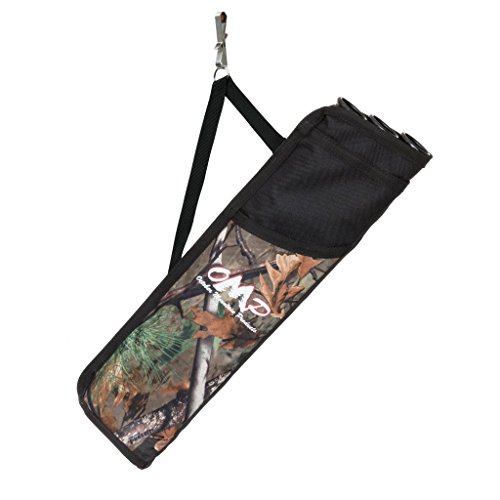 | October Mountain Products 3-Tube Field Hip Quiver (RH –October Mountain Products | Budget pick | 3-tube · hip quiver · black/camo | $23.61 Price as of 1 Nov 2026 | View |
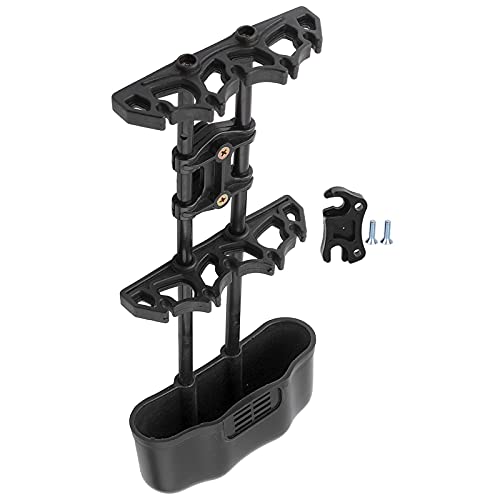 | ChengyuWei Crossbow Quiver, 5 Arrow Bow Quiver, 5 ArrowChengyuWei | Also great | 5 arrow · crossbow quiver · fixed/mechanical | $14.48 Price as of 1 Nov 2026 | View |
 | 5 Arrow Quiver,Archery Compound Bow Quiver with QuickLWANO | Upgrade pick | 5 arrow · quick release · hunting | $19.99 Price as of 1 Nov 2026 | View |
Use the comparison table to sort by hunting style first, then by broadhead type and carry needs. Arrow count matters, but hood design, retention, and mount noise matter more when broadheads are on the arrow.
How we chose
The picks below are based on manufacturer specs, listing details, and published buyer feedback. Each model was checked for broadhead fit, carry style, capacity, hand fit, and likely noise points such as hood contact, gripper tension, and mount looseness.
That matters because fixed-blade heads and mechanical heads do not create the same fit issues. Fixed blades need more hood clearance and better blade protection, while mechanicals are usually easier to pack but still need secure tip and shaft control.
Tightspot Archery Hunting Lightweight Pivot 2-Piece 5 Arrow Fully Adjustable Quiver Lite: best for tree stands and fixed blades
This is a strong all-around pick for hunters who want a bow-mounted quiver that can stay on the bow in the stand and still come off quickly when needed. It carries 5 arrows, uses a quick-detach mounting bracket, weighs about 9 ounces, and is made from ballistic copolymer with adjustable dual arrow grippers and a Soft-Touch hood.
It stands out because the 2-piece, fully adjustable fit gives more room to tune balance and hood position than a fixed, one-piece mount. The quick-detach bracket helps when a stand setup calls for hanging the quiver on a hook or rebalancing the bow after a shot.
The drawback is price. At $197.31, it is far above the budget options, and right-hand buyers only should consider it because the listing is RH.
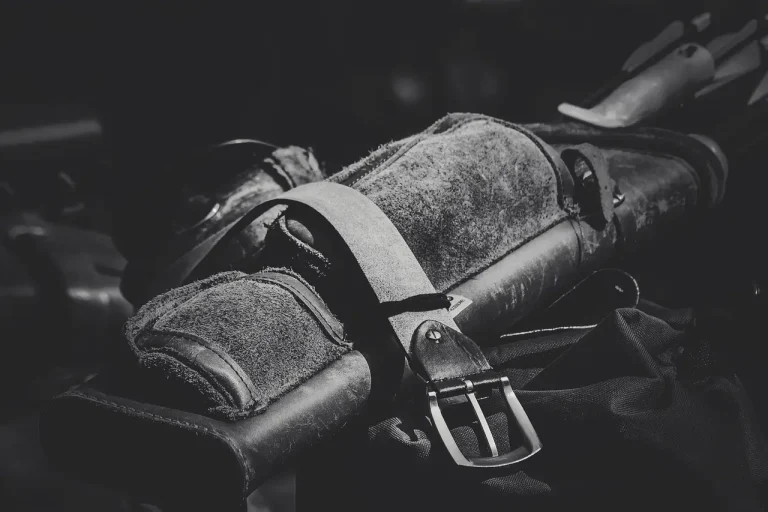
October Mountain Products 3-Tube Field Hip Quiver: best for traditional recurve carry
This is the clearest hip-quiver pick for a traditional archer who wants arrows off the bow and close at hand. It uses a quick-connect belt clip, comes in right-hand and left-hand use through its reversible fit, and uses rugged 600 denier material for field carry.
As a hip quiver, it avoids bow-mounted balance changes and keeps the bow lighter. That can help with a recurve where hand feel and shot rhythm matter more than hanging extra weight on the bow.
The honest drawback is broadhead exposure. A 3-tube field quiver is not the same as a hooded broadhead carrier, so tip safety and blade protection depend on how the arrows are stowed and whether the heads are covered well enough for the hunt.
ChengyuWei Crossbow Quiver 5 Arrow: best budget broadhead carrier
This is the budget choice for hunters who want a low-cost 5-arrow carrier with broadhead support. The listing says it works with fixed and mechanical arrows, uses ABS and rubber construction, and has a quick retrieval design with shock absorption to help cut vibration.
It makes sense for a simple hunting setup where price matters more than premium materials. The 5-arrow capacity is enough for most short hunts, and the lower cost leaves room in the budget for better broadheads or spare shafts.
The drawback is that this is a crossbow quiver listing, so fit on a vertical bow needs careful checking. Compatibility is the biggest risk here, and bow-mounted use should be confirmed against the manufacturer’s listing before buying.
LWANO 5 Arrow Quiver with Quick Release: best for fast access on a compound bow
This is the practical quick-release option for compound bow hunters who want a light, simple quiver without spending premium money. It holds 5 arrows, uses a quick-detach bracket, and has soft rubber grippers that help keep arrows from rattling during movement.
It fits the use case where a hunter wants quick removal at a tree stand or blind, then fast reattachment after the shot. The lightweight composite build should also suit hunters who do not want a heavy quiver hanging on the bow all day.
The drawback is that the listing gives less detail than the premium model about exact hood construction and adjustment range. That means the buyer should confirm hood protection and mount fit before counting on it for fixed-blade heads.
Bow-mounted quiver vs hip quiver
A bow-mounted quiver works best when the bow stays in hand, on a hanger, or on a rest point near the shot lane. A hip quiver works better when the bow should stay light and the arrows need to ride on the body instead of the bow. Broadhead safety depends on how well the hood covers the blades, not on the carry style alone.
Best use cases for each
Bow-mounted quivers suit compound hunters, tree-stand hunters, and anyone who wants one-piece carry from truck to stand to shot. Hip quivers suit traditional recurve hunters, mobile stalkers who want less bow bulk, and archers who do not want a quiver changing bow balance every time they draw.
Broadhead safety differences
On a bow-mounted quiver, the main safety issue is hood fit. A broadhead hood should fully enclose the head, grip the shaft, and keep the blades from touching hard plastic or metal. On a hip quiver, the main risk is tip and blade exposure during walking, climbing, or brush contact.
Balance and movement trade-offs
A quiver on the bow changes front-end balance. Some hunters like that steadier feel, while others want the bow as bare as possible at the shot. A hip quiver removes that weight from the bow, but it can swing, snag, or brush against gear if the belt fit is loose.
Broadhead quiver decision matrix
This decision table maps hunting style against broadhead type, then points to the quiver style, capacity target, retention priority, and noise risk to check. Use it as a fit screen before looking at brand names.
| Hunting style | Broadhead type | Recommended quiver style | Capacity target | Retention priority | Noise-risk warning |
|---|---|---|---|---|---|
| Tree stand | Fixed-blade | Bow-mounted quiver with hood and quick-detach bracket | 4- to 5-arrow | High hood coverage, strong grippers, tight mount fit | Watch for hood chatter, mount looseness, and blade contact inside the hood |
| Ground blind | Mechanical | Bow-mounted quiver or compact hip quiver | 4- to 6-arrow | Secure shaft grip and tip protection | Watch for arrow rattle when shifting in a seated blind position |
| Spot-and-stalk | Fixed-blade | Light bow-mounted quiver or hip quiver with firm belt attachment | 4-arrow or 5-arrow | High stability during movement | Watch for vane contact, swing, and gripper slip on uneven ground |
| Traditional recurve | Fixed-blade or mechanical | Hip quiver or very light bow-mounted quiver | 3- to 5-arrow | Quiet draw-side compatibility and easy access | Watch for belt noise, shaft bounce, and tip exposure while walking |
What the matrix means in practice
Fixed-blade heads create the most hood-fit trouble because blade width can push against the walls of a narrow hood. Mechanical heads are easier to carry, but they still need solid shaft retention so the arrows do not bounce loose while walking to the stand or pushing through brush.
Say your tree-stand setup uses fixed blades and a narrow shooting rail. A 5-arrow bow quiver with a quiet hood makes sense because it keeps the heads protected and puts fewer loose parts on the platform.
Suppose your recurve hunt is from a ground blind and you want fast access without extra bow weight. A hip quiver with a reversible fit and quiet fabric body is a better match than a bulky bow-mounted unit.
What to check before you buy
Start with the hood and gripper design. An enclosed hood with foam or a soft insert protects broadhead blades, reduces tip exposure, and cuts contact noise. A good gripper should hold both small and larger shafts without letting arrows rattle when you walk.
Hood and gripper design
The best hood design covers the blade tips and keeps the head from scraping hard surfaces. Adjustable grippers are better than fixed ones when your shafts vary by diameter or vane profile. If the gripper is too loose, the arrow can rattle. If it is too tight, removal slows down at the shot.
Capacity and bulk
A 4-arrow setup keeps the bow light and compact. A 5-arrow setup is the common middle ground. A 6-arrow quiver adds insurance for follow-up shots, but it also adds bulk and more chances for brush contact. An 8-arrow hip quiver is useful for long practice or traditional carry, but it is more gear than many hunters need in the field.
Handedness and draw-side fit
Hand fit matters more than many buyers expect. A right-hand quiver should sit correctly on the draw side for a right-handed bowhunter, while a left-hand or reversible model gives more flexibility. Hip quivers also need the right belt-side position so arrows clear the draw and do not snag clothing.
Materials and mount hardware
Ballistic copolymer can give a stiff, weather-ready body with less weight than metal in many designs. Aluminum can be firm and durable, but it can transmit contact noise if the fit is poor. Synthetic fabric and leather often make better hip quivers because they can stay quiet against clothing, though they need attention to keep from wearing loose or soaking up mud.
A common first-timer mistake is picking a quiver for its broadhead capacity without checking whether it keeps the blades covered and the arrows quiet on the walk in. A 6-arrow model may look efficient, but if it adds hood clatter or forces a poor draw-side angle, the extra capacity can hurt more than it helps.
Which one should you buy?
If the goal is the best broadhead quiver for most hunters, the Tightspot Archery Hunting Lightweight Pivot 2-Piece 5 Arrow Fully Adjustable Quiver Lite is the strongest pick because it combines a quick-detach bracket, adjustable dual grippers, and a Soft-Touch hood in a 5-arrow bow-mounted format.
Budget-first choice
Pick the ChengyuWei Crossbow Quiver 5 Arrow if the main need is the lowest price and you can confirm compatibility on your bow. It is the least expensive option here, but the product type and fit details make it the one that needs the most checking before purchase.
Quietness-first choice
Pick the Tightspot model if quiet carry is the priority and you want a bow-mounted setup that includes a noise-reducing hood and adjustable grippers. For broadheads, the hood and mount matter more than a bare claim of light weight.
Fast-access choice
Pick the LWANO 5 Arrow Quiver with Quick Release if fast removal and simple reattachment matter most in a compound-bow setup. The quick-detach bracket and soft rubber grippers suit hunters who want speed without moving to a full premium price tier.
Traditional-archery choice
Pick the October Mountain Products 3-Tube Field Hip Quiver if the bow is a recurve and the hunter wants less gear on the bow itself. Its reversible fit and belt clip suit traditional carry better than a heavy bow-mounted rig, though broadhead protection must still be checked carefully.
Frequently asked questions
What is the best hunting quiver for broadheads?
The best broadhead quiver is the one that fully covers the blades, grips the shaft tightly, and matches the hunting style. For most bowhunters, a 4- to 6-arrow bow-mounted quiver with an enclosed hood is the safest and most practical starting point. Tightspot’s 5-arrow model is the strongest overall fit here.
Do broadheads fit safely in all bow quivers?
No. Fixed-blade heads are the hardest to fit because the blade width can contact the hood or rub during movement. Mechanical heads are easier to carry, but they still need secure retention. Always check hood depth, blade clearance, and gripper tension before relying on a quiver in the field.
How many arrows should a hunting quiver hold?
Most hunters do well with 4 to 6 arrows. Four keeps the bow lighter and narrower. Five is the common middle ground. Six adds backup capacity, but it also increases bulk and movement. An 8-arrow setup makes more sense for some hip quivers than for a bow-mounted hunting rig.
Is a quick-release quiver worth it for hunting?
It is worth it when the quiver comes off the bow often, such as in tree stands or when rebalancing the bow after setup. It is less important if the quiver stays on the bow all day. The trade-off is one more fit point that must stay tight and quiet.
What is the quietest quiver for bowhunting?
The quietest quiver is usually the one with a soft hood, firm grippers, and a tight mount that does not shift. Noise problems usually come from loose hardware, shaft rattle, or broadhead contact inside the hood. Materials help, but fit and tension matter more than the material name alone.
Should I choose a bow-mounted quiver or a hip quiver for broadheads?
Choose a bow-mounted quiver if you want everything on the bow and need broadhead protection during transport. Choose a hip quiver if you want to keep the bow lighter, especially with a recurve. For broadheads, the deciding factors are hood protection, belt fit, and how much motion you expect.
What quiver works best for a compound bow?
A compound bow usually works best with a bow-mounted quiver that has a quick-detach bracket, good hood coverage, and adjustable arrow grippers. That setup keeps the arrows protected and close at hand. The Tightspot and LWANO models fit that use case better than a field hip quiver.
What quiver works best for a recurve bow?
A recurve bow usually works best with a hip quiver because it keeps weight off the bow and avoids changing balance at full draw. A reversible hip quiver with a quiet belt attachment is the safer default. If the hunter prefers bow carry, a very light quiver can still work, but fit matters more.