5 Best Quivers for Beginners (2026): Based on Specs and Reviews
For most beginners, choose a hip quiver for target practice, a back quiver only if you want free movement, and a bow-mounted quiver only for hunting; if your bow feels tip-heavy, skip the bow quiver. A bad match hurts draw consistency, balance, and accuracy fast. This article explains how to choose by bow type, practice style, and balance sensitivity.
For most beginners, choose a hip quiver for target practice, a back quiver only if you want free movement, and a bow-mounted quiver only for hunting. If your bow feels tip-heavy, skip the bow quiver. A poor match hurts draw consistency, balance, and accuracy fast. This article explains how to choose by bow type, practice style, and balance sensitivity.
Quick comparison
| Product | Badge | Best for | Price | ||
|---|---|---|---|---|---|
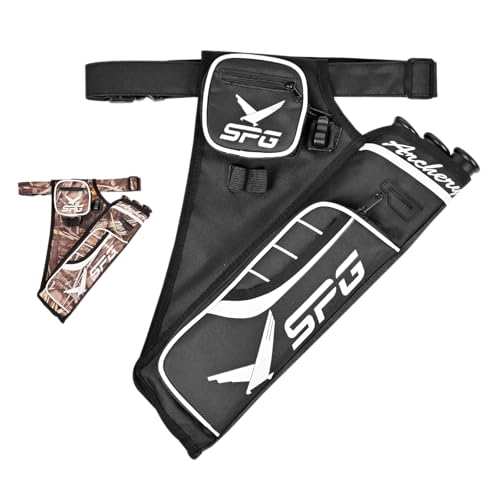 | SPG Arrow Quiver Archery Hip Quiver, Durable AdjustableSPG | Our pick | 3-tube hip quiver · black | $20.99 Price as of 19 Oct 2026 | View |
 | Patravious 4 Arrow Quiver, Archery Quiver, Recurve BowPatravious | Also great | 4-arrow recurve quiver · brown | $35.99 Price as of 19 Oct 2026 | View |
 | 5 Arrow Quiver,Archery Compound Bow Quiver with QuickLWANO | Budget pick | 5-arrow compound quiver · black | $19.99 Price as of 19 Oct 2026 | View |
 | Easton Flipside 3-Tube Hip Quiver, Black, Left/RightEaston | Also great | 3-tube hip quiver · black | $20.99 Price as of 19 Oct 2026 | View |
 | Tightspot Hunting Shooting Archery Shift Lock 5 ArrowTightspot | Upgrade pick | 5-arrow adjustable bow quiver · gun metal | $155.00 Price as of 19 Oct 2026 | View |
Most beginners do better with a hip quiver on the target line because it is simple to wear, quick to access, and does not load the bow. Bow-mounted quivers fit best when hunting matters more than balance, while back quivers stay a niche choice for traditional archers.
How we chose
The comparison here follows four checks: bow compatibility, balance impact, arrow access, and setup difficulty. Those are the points that matter most before brand, color, or extra pockets.
For beginners, setup matters as much as carry style. A quiver that mounts quickly and leaves the bow’s feel intact is usually the easier first buy.
We also separated target use from hunting use. That matters because a quiver that works well on a range can be a poor fit on a stand, and a hunting quiver can feel awkward on a target line.
Beginner quiver decision table
| Shooting style | Best quiver type | Why it fits | Common mistake to avoid |
|---|---|---|---|
| Recurve target practice | Hip quiver | Fast access on the line, arrows stay at your side, and the bow stays free of extra weight. | Buying a bow-mounted quiver first, then wondering why the bow feels different at full draw. |
| Compound bowhunting | Bow-mounted quiver | It attaches directly to the riser and keeps arrows attached to the hunting setup. | Leaving it on for every target session even when the added weight makes the bow feel front-heavy. |
| 3D/field rounds | Field quiver | Backward-angled arrows sit flatter and snag less while moving through brush and uneven lanes. | Choosing a hip quiver without considering how often arrows catch on clothing or obstacles. |
| Indoor target line | Ground quiver | It stays beside the shooter, keeps arrows upright, and avoids extra weight on the bow. | Buying a carry quiver when you only need range storage at the shooting line. |
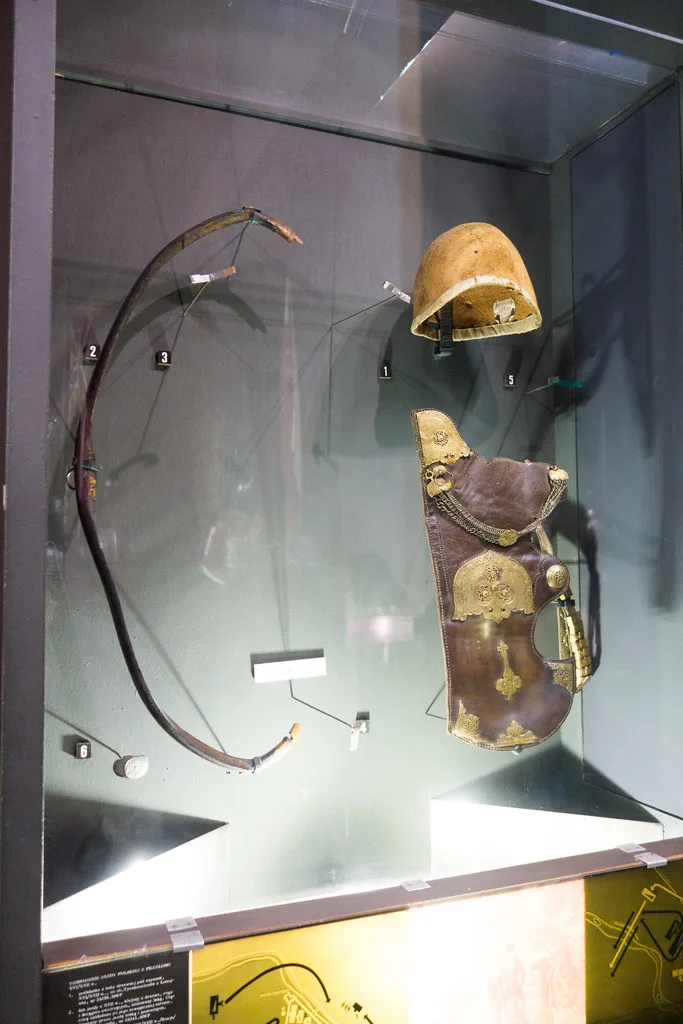
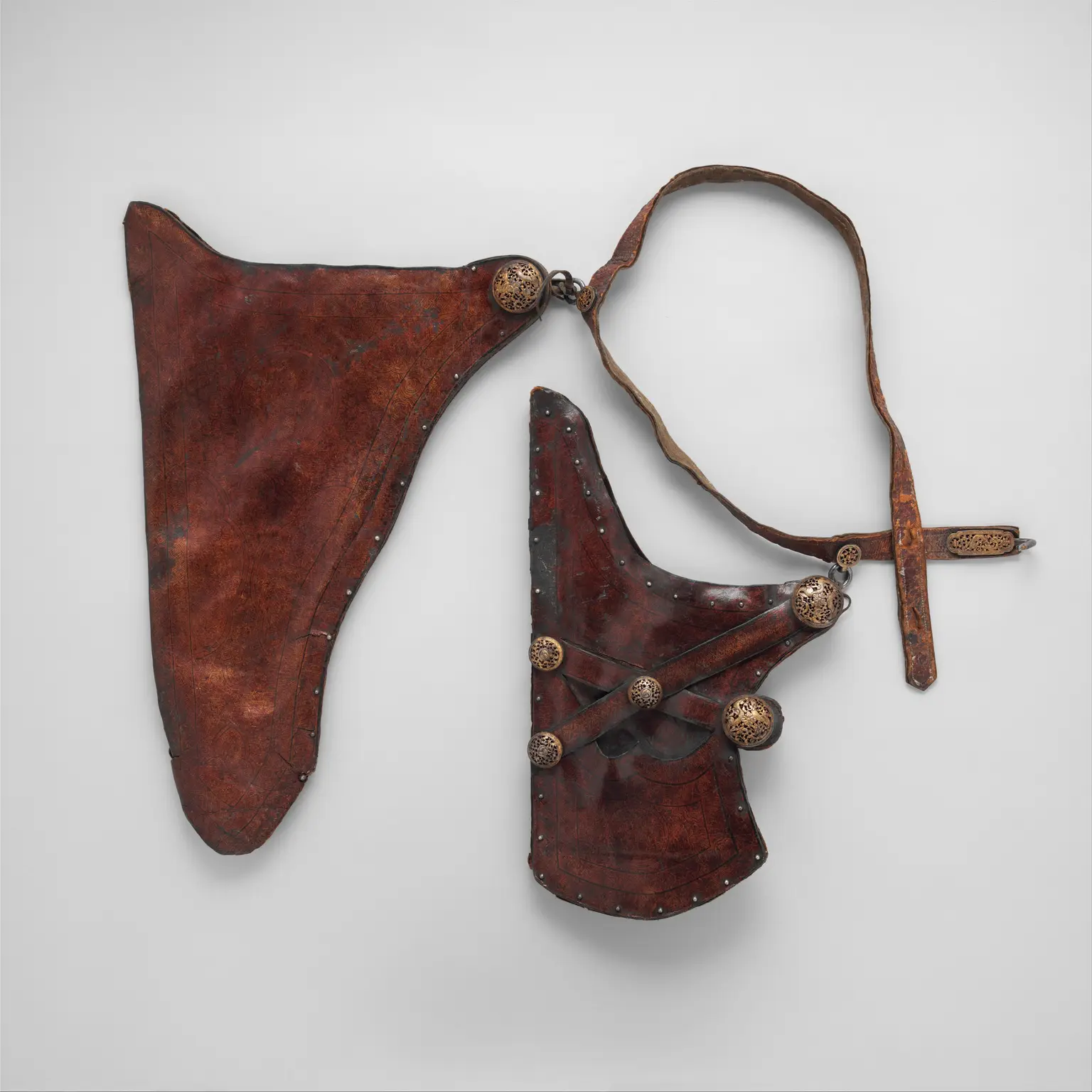
| Traditional shooting | Back quiver | It gives a classic carry style and can hold many arrows for traditional setups. | Expecting fast, quiet arrow access when bending and reaching can spill or disturb arrows. |
Easton Flipside 3-Tube Hip Quiver: best for target practice
This is the cleanest fit for many beginner target archers. Based on the listed features, the ambidextrous reversible pocket, belt clip, bow square slot, and three-tube layout make it easy to sort arrows and carry a few useful tools without loading the bow.
It works well for range sessions where fast arrow access matters more than matching a hunting setup. A hip quiver like this keeps arrows at the side, which is simpler for new archers who are still learning line discipline and clean movement.
The drawback is capacity and carry style. Three tubes are enough for practice, but they are not the best choice if a beginner wants more arrows for longer sessions or wants a quiver that stays attached to the bow.
SPG Arrow Quiver: best for simple belt carry
This is a straightforward option for beginners who want a light hip quiver without extra bulk. The adjustable waist belt and three-tube layout make it easy to wear, and the nylon build keeps the design simple for practice use.
It suits archers who want arrows at the belt and a setup that is easy to understand on day one. For recurve practice, that can be enough; it keeps the bow unweighted and the carry method familiar.
The honest drawback is limited capacity. Three tubes are fine for short practice, but they offer less room than four- or five-arrow carry options, and they do not solve hunting-specific needs.
Patravious 4 Arrow Quiver: best for recurve use
This quiver is a sensible middle ground for beginners who want a recurve-friendly setup with a little more capacity. The quick-release system helps when removing it, and the four-arrow capacity gives more room than a basic three-arrow carry.
That makes it a decent fit for practice and light hunting crossover. A beginner who is still deciding between target work and occasional hunting-style shooting may find the extra arrow slot useful without moving to a bow-mounted system.
The drawback is that it still follows a side-carry format. It will not copy the attached feel of a bow quiver, and beginners focused only on indoor target shooting may not need the extra capacity.
LWANO 5 Arrow Quiver: best for compound hunting
This is the most direct match for a compound bowhunter who wants a basic attached quiver. The quick-detach bracket and soft rubber grippers are the right features for keeping arrows secure while still allowing removal when needed.
It also fits the common hunting pattern where the quiver lives on the bow in the field. For a beginner compound setup, that matters because bow-mounted quivers are the default for compound bowhunters and keep the whole kit together.
The drawback is the tradeoff in bow feel. Bow-mounted quivers can add close to a pound of weight, and that extra front load can make a lightweight rig feel nose-heavy if the shooter keeps it attached for every practice round.
Tightspot Hunting Shooting Archery Shift Lock: best for adjustable balance
This is the most adjustable option in the list and the strongest fit for a beginner who is sensitive to bow balance. The telescoping rod, second gripper, and fully adjustable layout give more control over how the quiver sits on the bow.
That adjustment matters because bow-mounted quivers change balance, and a beginner may want to fine-tune that feel instead of accepting a fixed mount. It is a better match for a shooter who plans to hunt and wants a more dialed-in carry system.
The drawback is price. At $155.00, it asks more than the other options, and beginners who only need a simple practice quiver may not need that level of adjustability yet.
Should you buy a bow-mounted quiver?
Buy a bow-mounted quiver if the bow will be used for hunting and you want the arrows attached to the riser. For compound bowhunters, that is the normal setup. For target practice, it often makes the bow feel heavier and can change how stable the bow sits at full draw.
What the added weight changes
Bow-mounted quivers can add close to a pound of weight, and one guide says a five-arrow bow-mounted quiver adds close to a pound. That extra mass can help some bows settle, but on a lightweight rig it can also make the bow feel tip-heavy and more tiring to hold.
The balance effect matters more than the number alone. A beginner who notices the sight pin drifting or the bow tipping forward should not treat the quiver as a harmless add-on.
When to take it off
Take the quiver off before target shooting if the added weight changes anchor feel, slows follow-through, or makes the bow harder to hold level. Many hunters leave it mounted for field use, then remove it for range sessions where balance and repeatable form matter more than carrying arrows on the bow.
Field quiver: best for 3D and field rounds
A field quiver is the better choice when a beginner moves through lanes, brush, or uneven ground. Its backward-angled arrows sit flatter than a hip quiver, which reduces snagging and keeps the profile tighter during field and 3D rounds.
Why the backward angle matters
Field quivers angle arrows backward, and that angle helps when a shooter bends, walks, or turns on a course. It keeps the arrow shafts closer to the body and out of the way of branches and clothing.
That distinction matters because hip quivers and field quivers do not behave the same way on course lines. The difference is especially important for beginners who are learning how to move without catching gear on the course.
How it differs from a hip quiver
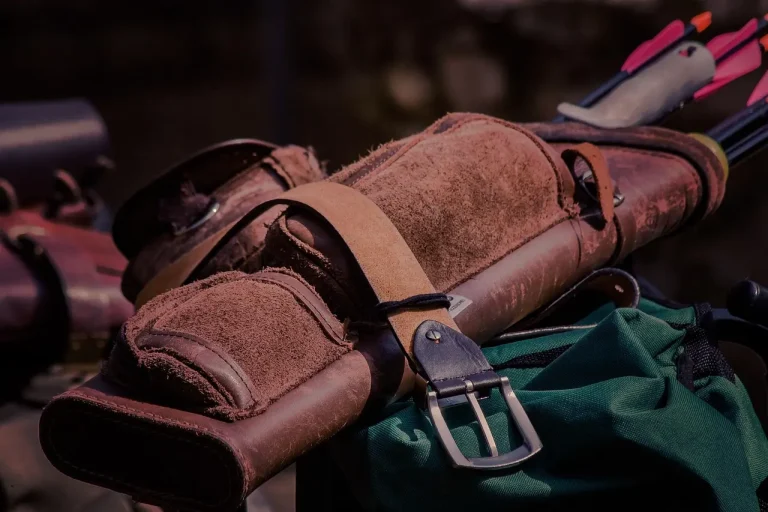
Hip quivers are worn on the belt at your side, and hip quiver arrows are angled forward. Field quivers angle arrows backward, which is why they usually feel flatter and less exposed when moving through a course.
Use a hip quiver when fast line access matters most. Use a field quiver when snag reduction and a lower-profile carry matter more.
Can one quiver cover hunting and target practice?
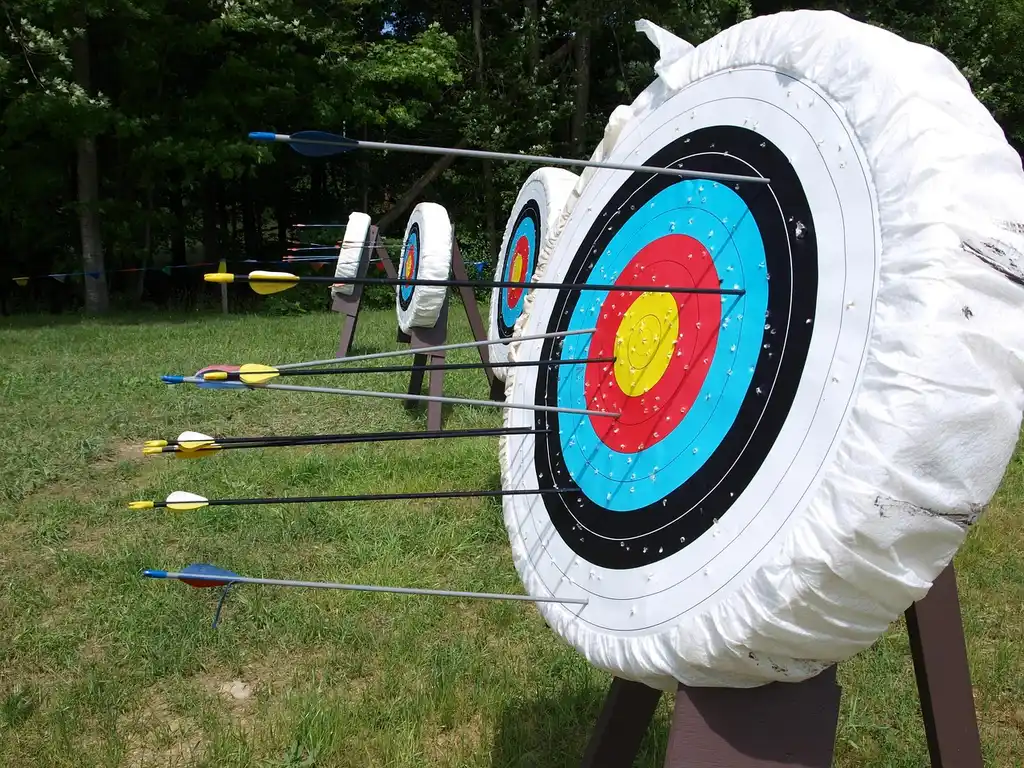
One quiver can cover both jobs, but only if the beginner accepts compromise. A bow-mounted quiver can do hunting and some practice, while a hip quiver can handle target work and some light field use, but each setup gives up something on the other side.
What works for dual use
For a compound shooter, a detachable bow-mounted quiver is the easiest dual-use path. It stays on the bow for hunting and comes off when a lighter, more stable target feel is needed.
For a recurve shooter, a hip quiver is usually the simpler dual-use choice for practice and casual field shooting. It keeps the bow free and avoids making the recurve feel front-heavy.
Where dual-use setups fail
Dual-use quivers fail when the same setup is expected to fit both jobs perfectly. A hunting quiver can feel bulky on the line, while a target quiver does not always carry securely in the woods or in rough weather.
Say your bow is a lightweight recurve and the quiver holds four arrows on the riser. The bow may start to feel nose-heavy during longer holds, and the shooter may remove the quiver just to recover the original balance.
Suppose a beginner buys a back quiver for range practice and later wants to hunt from cover. The same quiver may be awkward when crouching, and spilled arrows become a real problem if the shooter bends to kneel or crawl.
Why many beginners still choose one discipline first
Most beginners do better by picking the main discipline first. That keeps the first quiver choice simple and avoids paying for a carry style that does not match the range, the bow, or the shot sequence.
Which one should you buy?
Choose by bow type first, then by how you shoot. Recurve target archers usually do best with a hip quiver or ground quiver. Compound bowhunters should start with a bow-mounted quiver. Traditional archers can consider a back quiver, but only if they accept slower access.
By capacity and budget
Three-arrow quivers are the lightest and least bulky. Four-arrow quivers give a little more room without a big jump in size. Five-arrow quivers are common on hunting setups, and six-arrow options add even more capacity, though bulk and weight rise with each extra arrow.
For a beginner, that tradeoff matters more than raw capacity. A quiver that carries more arrows is not automatically better if it makes the bow heavier, the belt wider, or the carry style harder to learn.
By balance sensitivity
If the bow already feels sensitive to front weight, avoid a bow-mounted quiver at first. If the shooter wants the simplest path for target work, a hip quiver is usually the cleaner choice. If the goal is indoor practice only, a ground quiver can be the easiest option at the line.
For recurve beginners, a 20-25 pounds draw weight recommendation is common, and recurve bows are described as more forgiving for beginners. That makes a lighter, simpler quiver choice more sensible while form is still developing. Compound bows are more complex and costly than recurve bows, so compound beginners often need to pay more attention to setup and balance.
The main decision rule is simple: match the quiver to the bow and the range first, then add capacity only if the carry style still feels stable.
Frequently asked questions
What type of quiver is best for a beginner archer?
For most beginner archers, a hip quiver is the safest starting point for target practice. It keeps the bow free of extra weight, gives quick access to arrows, and is simple to wear. If the beginner plans to hunt with a compound bow, a bow-mounted quiver makes more sense.
Should a beginner get a bow-mounted quiver or a hip quiver?
A beginner should choose a hip quiver for target shooting and a bow-mounted quiver only if hunting is the main goal. The hip quiver is easier to learn and does not change bow balance. The bow-mounted option is more specific and can make a lightweight bow feel front-heavy.
How many arrows should a beginner quiver hold?
Most beginners should start with three to five arrows, depending on the session. Three-arrow quivers stay light, four-arrow models add a little flexibility, and five-arrow options suit hunting-style setups. Six-arrow capacity is usually more than a beginner needs unless the practice session is long.
Is a back quiver good for beginners?
A back quiver can work for traditional archery beginners, but it is not the easiest first choice. It is slower to draw from, can be noisier, and may spill arrows when the archer bends. That makes it less forgiving than a hip quiver or ground quiver.
What is the difference between a hip quiver and a field quiver?
A hip quiver hangs on the belt at your side and its arrows angle forward. A field quiver also rides on the belt, but the arrows angle backward. That backward angle gives a flatter profile and usually works better for field and 3D rounds.
How much weight does a bow-mounted quiver add to a bow?
Bow-mounted quivers can add close to a pound of weight, though the exact amount depends on the model and arrow setup. That extra mass can change balance enough to matter for beginners, especially on lighter bows. Many shooters remove it for target practice when the front end feels too heavy.