How Much Does a Bow Quiver Cost?
A bow quiver usually costs about $20 to $150, with many usable hunting models landing around $40 to $100. Go too cheap and you often get louder clips, weak arrow hold, or poor balance on the bow. This guide breaks down what each price tier buys for compound and recurve setups, so you can compare features before you spend.
What is a bow quiver?


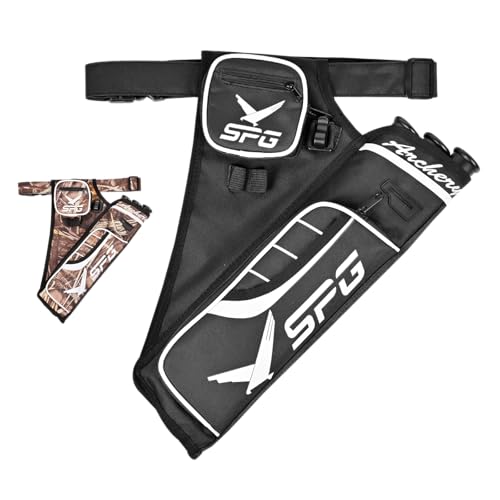
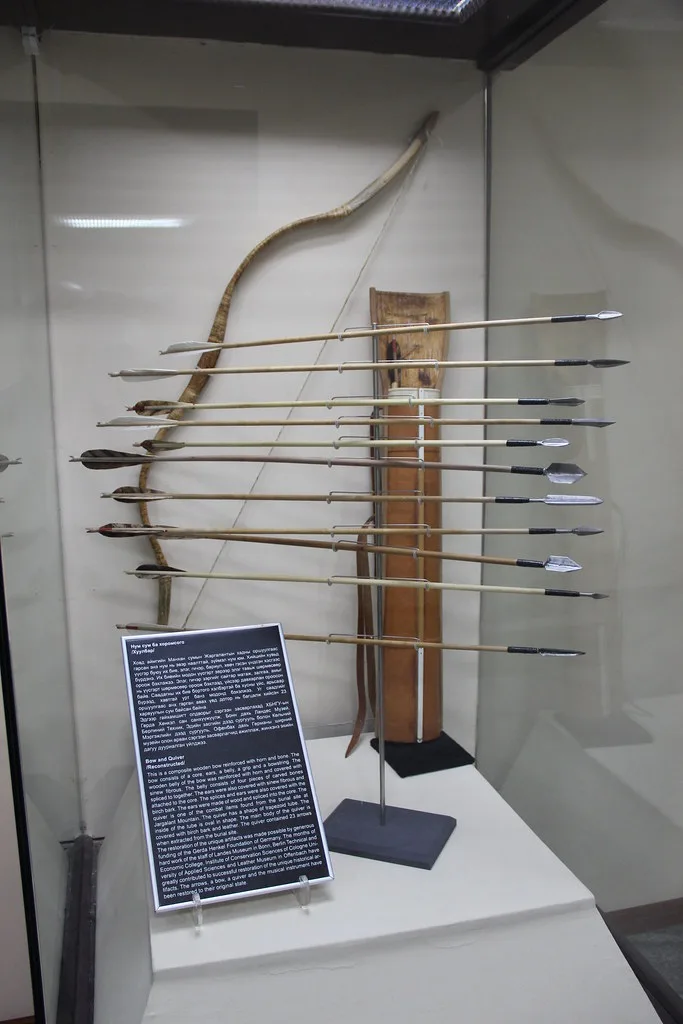
A bow quiver holds arrows on or near the bow itself. Bow-mounted models attach to the riser or limb area, while a hip quiver rides on a belt or clip and does not affect the bow’s balance. For buyers, the main checks are fit, arrow retention, noise control, and whether the quiver stays on during a hunt or comes off between ends.
Bow-mounted quiver vs hip quiver
A bow-mounted quiver keeps arrows with the bow, which helps in hunting because the setup moves as one unit. That adds weight and front bias, but it also keeps broadheads or field points close at hand. A hip quiver is better for the range or field practice because it is lighter on the bow and faster to grab during repeated shooting.
Compound and recurve fit
Compound bow quivers usually mount to the riser, use a bracket or quick-detach system, and often need room for sights and stabilizers. Recurve quivers are more varied: back quivers, side quivers, and mounted quivers all exist, and each works differently with traditional bows. Fit matters more than brand name, because a mismatch can cause rattle, vane contact, or awkward draw clearance.
How much does a bow quiver cost?
Bow quivers are commonly grouped into three spending bands: budget models around $20 to $40, mid-range models around $40 to $100, and premium models around $100 to $150 or more. Compound hunting quivers usually cost more than basic recurve or target options because of offset hardware, removable mounts, hood design, and noise control parts.
Bow quiver price matrix
| Tier | Mount type | Arrow capacity | Weight | Noise control | Compatibility | Hidden add-on costs | Who should buy this |
|---|---|---|---|---|---|---|---|
| Budget | Simple fixed bracket, basic clip, or strap-on recurve mount | 3 to 4 arrows | Often 8 to 14 oz | Basic rubber grippers; more chance of rattle | Basic compound and traditional setups, but fit can be narrow | Replacement rubber, extra screws, spare brackets: $5 to $20 | Beginners, casual target shooters, and hunters who want the lowest entry cost |
| Mid-range | Detachable or better-finished fixed mount, often low-profile | 4 to 5 arrows | Often 6 to 11 oz | Better dampers, tighter hood fit, lower rattle risk | Most hunting compounds; some recurve mounts and side quivers | Spare dampers, replacement hood inserts, adapter plates: $10 to $30 | Most bowhunters who want a dependable setup without paying premium pricing |
| Premium | Quick-detach, low-profile, highly adjustable, or refined recurve mount | 5 to 6 arrows | Often 4 to 9 oz | Best fit-and-finish, stronger retention, less movement | Hunting compounds, tighter-fit recurves, and bows with accessory clearance needs | Extra mount plates, replacement rubber, and brand-specific parts: $15 to $40 | Hunters who want the lightest bow feel, cleanest carry, and repeatable attachment |
Budget price range
Budget quivers work when the goal is simple arrow storage, not fine tuning. Expect more plastic, fewer adjustment points, and a higher chance that broadheads or vanes sit too close to the hood. That is fine for short-range practice or light hunting use, but not a good fit if silence and repeatable mounting matter.
Mid-range price range
Mid-range quivers are the price point many buyers land on. They usually improve hood padding, arrow grippers, and bracket fit without adding much bulk. For a compound hunting bow, this is often the tier where a detachable mount and better stabilizer clearance start to make sense without moving into premium pricing.
Premium price range
Premium quivers pay for low profile, tighter machining, better rubber, and more refined mounting systems. A TightSpot quiver is a common premium example because buyers are paying for slim carry, strong fit-and-finish, and hunting focus rather than extra arrow count alone. That said, premium pricing makes less sense for a casual target bow or a short treestand sit.

Why are some bow quivers so much more expensive than others?
Higher prices usually come from better materials, tighter fit, quieter hardware, and more adjustable mounts. A cheap quiver may still hold arrows, but it often costs less because it uses thicker parts, simpler retention, and fewer anti-rattle features. Price climbs fastest when the quiver is meant to disappear on a hunting bow.
Materials and finish
Lightweight quivers often use aluminum, carbon parts, or thinner composite shells to cut mass. That can put a premium model in the 4 to 7 ounce range, while budget units commonly weigh more. Better finish also means smoother edges, less wear on vanes, and fewer squeaks where parts meet the bow.
Mount design and repeatability
Quick-detach mounts cost more because they need a secure attachment method that returns to the same position after removal. Good systems reduce repeatability problems, meaning the quiver goes back on with the same alignment. Poor systems can shift, which raises rattle risk and can change how the bow balances at full draw.
Noise control and retention
Noise control adds cost because it requires better rubber, tighter hood fit, and more careful contact points. Cheap clips can let arrows buzz against the hood or let the quiver tap the riser. Retention also matters: the best quivers hold arrows firmly without crushing vanes or making them hard to draw with gloves on.
Arrow capacity and bulk
A 5-arrow quiver usually strikes a better balance than a 6-arrow version for most hunters. The sixth arrow adds bulk, length, and some weight, which can make the bow feel front-heavy. That extra capacity is useful only if a buyer truly needs one more spare arrow in the field.
Say your compound bow already feels tip-heavy with a sight, rest, and stabilizer. Adding a long 6-arrow quiver can push the balance point forward enough to notice during a long hold. A shorter 5-arrow model often solves that without giving up practical hunting capacity.
What is the difference between a bow-mounted quiver and a hip quiver?
A bow-mounted quiver attaches to the bow and moves with it, while a hip quiver hangs from the body. Bow-mounted designs are common for hunting because the arrows stay with the rig. Hip quivers are easier on balance and often better for practice, but they do nothing to reduce the bow’s carry weight or shot-ready setup.
Compound bow quiver pricing
Compound quivers cost more because they have to clear sights, rests, cables, and stabilizers. Many hunting models use an offset or low-profile body so the arrows sit close to the riser without interfering with vane clearance. That design work adds cost, but it also reduces bulk and helps the bow carry better in the field.
Hood size and vane clearance
Compound quiver hoods need enough depth for fixed-blade broadheads, yet they also need to keep vanes from rubbing. A deeper hood may protect points better, but if it sits too close to the rest or cables, the quiver becomes a fit problem. That is one reason buyers should check bow compatibility before ordering.
Offset and low-profile designs
Offset designs move the arrow bundle slightly away from the riser to improve balance and clearance. Low-profile designs reduce how far the quiver sticks out, which matters in tree stands and brush. These shapes usually cost more because they need better brackets and tighter tolerances to stay quiet.
Stabilizer compatibility
Some compound quivers mount alongside a stabilizer or require a bracket that shares space with one. That can affect price because the system must leave room for both accessories without clashing. A buyer planning to run a long front bar should check that the quiver does not steal the same mounting zone.
Detachable hunting setups
Detachable compound quivers suit hunters who want the arrows on the bow while walking, then removed at the stand or blind. The quick-detach mount costs more, but it adds convenience if the bow is also used for practice. The tradeoff is that a loose or cheap release system can rattle, so repeatable fit matters.
Suppose a hunter uses a 30-inch axle-to-axle compound in a blind and wants a compact carry. A low-profile, detachable quiver makes more sense than a bulky fixed unit. If the same bow is also shot on a 3D range, quick removal can save annoyance between ends.
Do recurve bow quivers cost less than compound bow quivers?
Often, yes, but not always. Recurve quivers can be cheaper because they may use simpler mounts and fewer moving parts, especially in back or side styles. High-end traditional setups can still get expensive if the quiver is finely made, highly adjustable, or built to match a specific hunting recurve.
Back, side, and mounted variants
Back quivers are usually the least expensive option because they are worn on the body and do not need bow-side clearance. Side quivers and mounted quivers vary more. Mounted recurve quivers can cost more when they need careful fit on a traditional bow and reliable arrow retention without clips that scrape or loosen.
Traditional bow compatibility
Traditional bows have fewer accessory mounting points than compounds, so fit can be narrower. Some recurve quivers clamp to the bow, while others tie or strap on. The best choice depends on limb shape, grip position, and whether the bow is used more for field work or hunting.
Arrow retention styles
Recurve quivers often rely on grippers, sleeve retention, or pouch-style carry rather than the rigid hood systems common on compounds. That can make them quieter and simpler, but less standardized. Strong retention matters because a loose arrow in a side quiver can shift during a walk and become annoying fast.
Field and hunting use
For field archery, a recurve quiver should stay clear of the draw path and not throw off the bow’s feel. For hunting, it should keep arrows secure while walking and still allow a smooth, one-handed draw. Buyers who want a quiet traditional setup should pay more attention to retention style than to arrow count alone.
Should I buy a 5-arrow or 6-arrow quiver?
Most buyers should start with a 5-arrow quiver unless they have a clear reason for six. A 5-arrow model usually gives enough capacity for hunting without adding unnecessary length, weight, or front-heavy feel. A 6-arrow quiver makes sense when extra backup arrows matter more than compact carry.
A common first-timer mistake is buying a 6-arrow quiver for “future proofing,” then finding that it brushes brush, sticks farther from the bow, and changes how the bow settles at full draw. If only three or four arrows are normally carried, the extra tube is dead weight.
Capacity, weight penalty, and best use case
The 6-arrow quiver adds one more spare arrow, but that usually comes with a weight penalty and more bulk. It is best for hunters who want a backup arrow for broadhead changes, uncertain conditions, or long sits where replacements are valuable. For most short treestand hunts, five arrows are enough.
Are lightweight quivers worth the extra money?
Lightweight quivers are worth paying for when bow balance, all-day carry comfort, or low-profile hunting matters. The extra money usually buys better materials and lower ounce count, often in the 4 to 7 ounce range. If the bow already feels stable and the quiver stays quiet, the premium may not matter.
Material choice, mass, and balance impact
Material choice drives the weight difference. Aluminum, carbon, and trimmed-down composite parts can reduce mass, which helps the bow settle better at full draw. That improvement is noticeable on a hunting bow with other accessories attached, especially if the setup already feels nose-heavy before the quiver goes on.
When the premium is not worth it
For casual target use, short practice sessions, or a compact recurve with a simple mounted quiver, lightweight pricing often adds little value. A heavier budget model may be perfectly fine if it stays quiet and fits well. Paying more only makes sense when the lighter build actually changes handling in a useful way.
What features justify a premium quiver price?
Premium pricing is justified by low-profile geometry, better repeatability, stronger retention, quieter hardware, and fit that holds up under hunting use. A buyer is not paying for a brand name alone. The real value shows up when the quiver stays quiet, clears the bow, and returns to the same position after removal.
Quick-detach mount quality
Good quick-detach mounts use a secure attachment method that locks cleanly and releases without slop. That matters because repeatability affects both noise and balance. Poorly made systems can introduce rattle or a slight shift every time the quiver is reattached, which is exactly what a premium buyer is trying to avoid.
Fit-and-finish and failure cases
Premium quivers usually have tighter fit-and-finish, cleaner edges, and better damping at contact points. That reduces failure cases such as vane clearance problems, hood buzz, and front-heavy handling. A pricey quiver is a bad buy if it touches the rest, blocks the sight window, or sits too far from the riser.