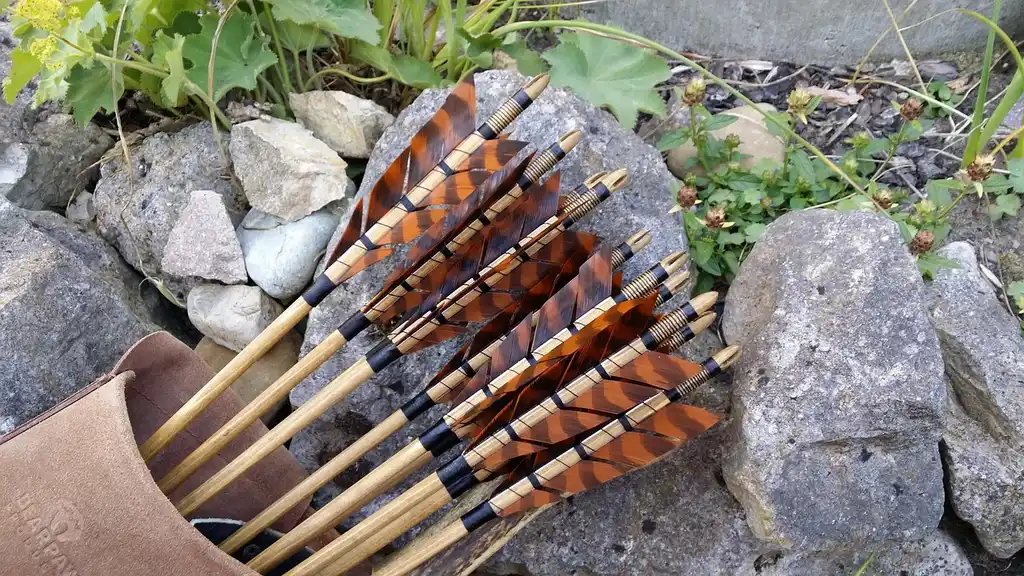
Omen Archery Quiver Review: Fit, Noise, and Balance
The Omen Archery Quiver is worth buying only if it locks on securely, clears your broadheads, and stays quiet on your bow; if it shifts weight or bumps accessories, skip it. A bad quiver throws off balance, adds noise, and can snag in the field. This review covers fit, balance, broadhead clearance, removal, and price against hunting alternatives.
Verdict
That is the right test for any quiver, especially on a hunting setup where a few millimeters can decide whether the sight window stays open or the broadhead rides too close to the hood. The Omen quiver makes sense for hunters who want a bow-mounted carry system and are willing to check fit carefully. It is a weaker buy for anyone who expects a universal fit across every compound, rest, and riser geometry.
Specs at a glance
| Spec | What to confirm before buying | Why it matters in the field |
|---|---|---|
| Arrow capacity | Not clearly confirmed in the supplied product data | Capacity changes how much the quiver sticks out and how easy it is to move through brush |
| Mounting system | Check whether it is a fixed-mount or quick-detach design | Mount style affects removal speed, repeatable alignment, and rattle risk |
| Weight | Not confirmed in the supplied product data | Weight changes bow balance, especially on a hunting bow held at full draw |
| Noise control | Look for hood padding, gripper material, and any damped contact points | Noise control matters in a tree stand, blind, and when climbing or moving brush |
| Hood design | Confirm broadhead pocket depth and how points sit inside the hood | A deeper hood protects blades and can reduce contact noise |
| Adjustability | Check whether the bracket allows position and angle adjustment | Adjustability helps clear sights, rests, stabilizers, and cams |
| Bow compatibility | Verify compound and recurve fit separately | Traditional bows and compounds place very different clearance demands on a quiver |
| Broadhead clearance | Check for fixed-blade and mechanical head clearance with your arrow length | Too little clearance can create contact, noise, or blade damage |

Who is the Omen Archery Quiver for?
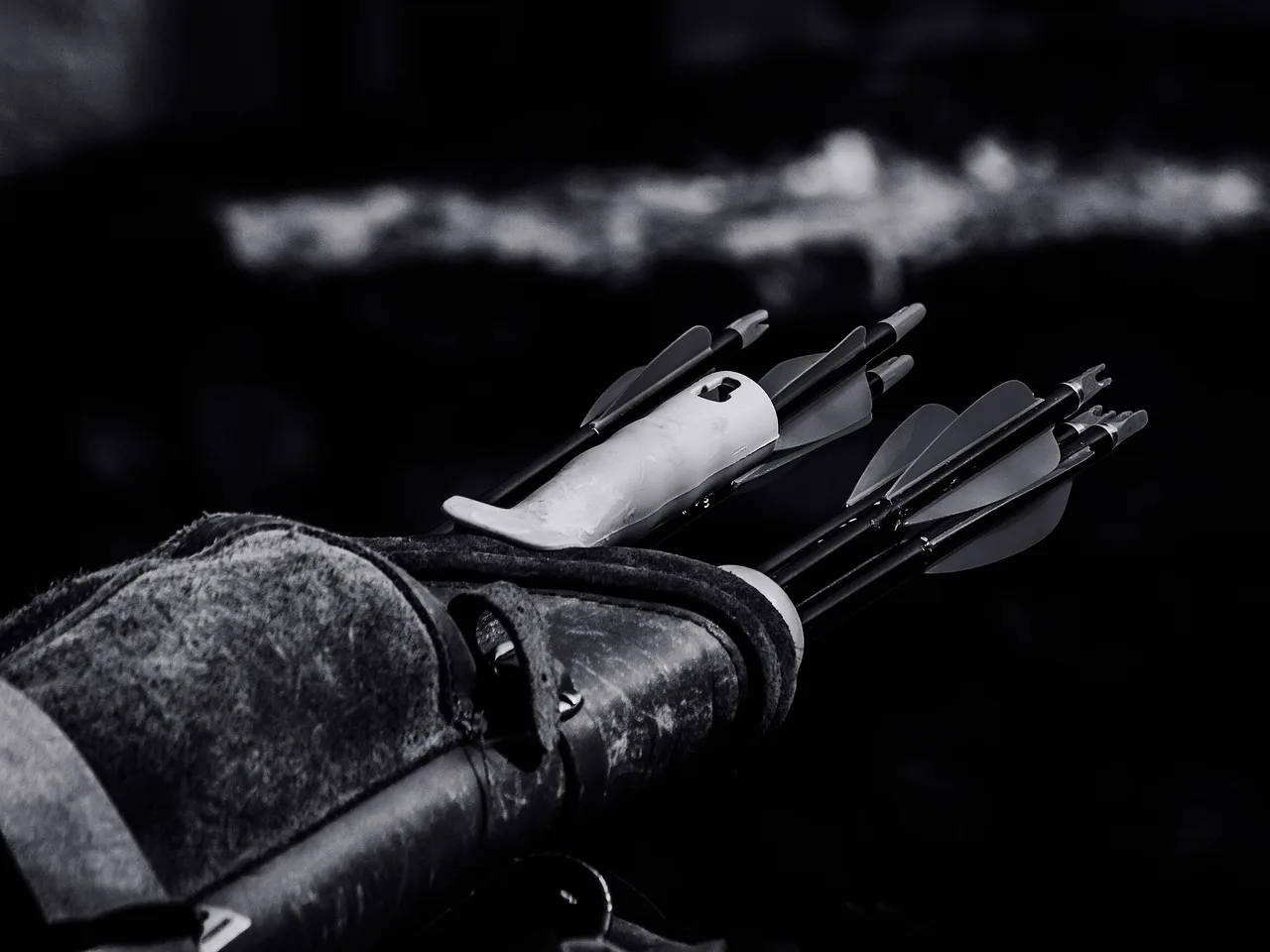
The Omen Archery Quiver is for hunters who want a bow-mounted arrow carrier and care more about fit than marketing language. It suits compound shooters who are willing to check sight, stabilizer, and cam clearance, and recurve shooters only if the mounting style matches the bow without crowding the limbs.
It is also a reasonable fit for archers who hunt from a blind or a stand and want arrows kept tight to the bow. It is less attractive for anyone who wants a quiver that disappears, changes balance very little, or works the same way on every bow in the rack.
Tree stand hunters
Tree stand hunters usually care most about silence, snag resistance, and whether the quiver stays clear when drawing under pressure. A quiver that holds arrows tight and does not tap the stand rail or seat frame is far more useful than one that looks light on paper. If the mounting bracket shifts after repeated draws, the setup is not stand-friendly.
Spot-and-stalk hunters
Spot-and-stalk hunters need a quiver that stays put while walking, climbing, and crawling through cover. A front-heavy bow can feel clumsy after an hour of side-hilling or bending under low limbs. For that style, secure retention and a compact hood matter as much as weight, because loose arrows or exposed broadheads create real field problems.
Compound bow shooters
Compound bow shooters should judge the Omen quiver by how well it clears the sight bar, drop-away rest, stabilizer, and cam profile. Single-pin hunting sights and long stabilizers can crowd the riser quickly. A good quiver on a compound is one that stays aligned after repeated detachment and does not force the rest or sight into an awkward compromise.
Recurve bow shooters
Recurve shooters need a simpler answer. The quiver must respect limb clearance and not make the bow feel top-heavy or bulky. Traditional bows usually do better with a light, compact design that keeps arrows close and avoids limb interference. A recurve quiver that adds too much offset or catches the string path is the wrong match.
Is the Omen Archery Quiver quiet in the tree stand?
The Omen Archery Quiver is quiet in a tree stand only if its arrow retention, hood padding, and bracket fit all work together. A quiver can look silent on a spec sheet and still click, buzz, or rub once it hangs on a bow with a long sight, a stabilizer, and a broadhead that sits close to the hood. Silence is a setup issue, not a promise.
Noise and rattle control
Noise and rattle control starts with how tightly arrows sit in the grippers and how the quiver body meets the bow. If the quiver allows even slight play, repeated movement will turn into noise when climbing, sitting, or shifting weight in a stand. Soft contact points help, but they do not fix a loose mount.
Arrow retention system and silencing material
The arrow retention system matters because grip force must be strong enough to hold shafts without creating a hard snap when arrows go in or out. Too much force can make extraction noisy and tiring. Silencing material around the hood and gripper reduces blade chatter, especially with fixed-blade broadheads that can touch hard surfaces.
Quiver hood protection and sound damping
A good hood does two jobs: it protects broadheads and cuts down on impact sound. Deeper hoods usually do a better job of shielding blades and limiting contact with brush, clothing, and stand hardware. The tradeoff is size. A deeper hood can add bulk, so the right design depends on how close the quiver sits to the bow.
What works
The Omen quiver’s main value is simple: it is built for hunting use, where secure arrow carry matters more than a clean catalog photo. That means the important questions are fit, clearance, and noise, not just whether it holds arrows at all. If the mount is solid and the hood protects broadheads, the quiver does its job.
Pros and cons
- Pros: bow-mounted arrow storage keeps arrows with the bow; good fit can improve carry and access; a quiet hood and gripper system help in blinds and stands.
- Pros: removable designs are useful when the bow must be stripped down for transport or shots from a fixed position.
- Cons: fit can be accessory-dependent; a sight, rest, or stabilizer can create clearance problems; poor alignment can create rattle or blade contact.
- Cons: heavier or bulkier quivers can change balance enough to matter on long sits or steep stalks.
Why balance matters
Balance is not a luxury feature. On a hunting bow, extra mass on the wrong side of the riser can make the front end dip, change hold feel, and make a bow harder to settle at anchor. A quiver that balances well sits close, stays aligned, and does not force the archer to fight torque at full draw.
Where clearance can go right
Clearance is usually best when the quiver bracket lets the hood sit close to the riser without touching the rest or sight housing. That is especially important for bows with larger hunting sights or longer stabilizers. If broadheads sit deep in the hood and the arrows stay centered, the chance of brush contact and blade noise drops.
What does not
The biggest drawback is uncertainty. Without clear published details, buyers have to confirm the things that actually decide whether the Omen quiver works on their bow: capacity, weight, offset, and mounting geometry. That is a real issue because a quiver that fits one compound perfectly can clash with another by a small but expensive margin.
Where clearance can go wrong
Clearance issues usually show up in four places: the sight bar, the stabilizer, the cam path, and the broadhead hood. A long fixed-blade head may contact the hood or brush against accessories during transport. On recurve bows, the risk shifts toward limb clearance and making the bow harder to carry or string properly.
A common mistake is buying the Omen Archery Quiver without checking whether its hood and pocket layout match the gear you actually carry. Four arrows may sound compact, but a deep hood and wide bracket can still crowd a bow more than a larger-looking model with better geometry. Suppose a hunter runs a 5-pin sight and a long stabilizer on a compact riser; the wrong quiver can turn a clean setup into a noisy, crowded front end.
How does it fit a hunting bow setup?
The Omen Archery Quiver fits a hunting bow well only when the mount style matches the bow’s geometry and the accessories already on the riser. Front-mount quivers tend to sit forward and can affect balance more; side-mount designs can feel cleaner but may create their own clearance problems. The right choice depends on draw cycle, sight layout, and broadhead length.
Front-mount vs side-mount fit
Front-mount quivers often put the arrows in line with the bow’s forward balance point. That can feel steady, but it may also make the bow nose-heavy. Side-mount quivers can keep the profile slimmer, though they sometimes need more careful tuning to avoid contact with the rest or stabilizer. Neither style is automatically better.
Bracket stability and alignment
The mounting bracket should hold position without creeping after repeated shots, transport, or brush contact. If the bracket loosens, the hood shifts, and the whole setup becomes noisy and awkward. Alignment matters because a quiver that sits crooked can look small on a shelf and still catch broadheads or interfere with the bow hand in the field.
Sight, stabilizer, and cam clearance
Compound bow setup is where quivers get judged hardest. Single-pin sights often sit farther forward, stabilizers can extend into the same space the quiver wants, and cams leave very little room on some compact risers. A quiver that clears one bow may still force awkward compromises on another, so checking real geometry matters more than assuming a universal fit.
Broadhead clearance and arrow length concerns
Broadhead clearance depends on hood depth, shaft length, and how far the arrow heads sit above the hood lip. Fixed blades are usually the hardest case because they expose more edge and catch more easily. Short arrows can tuck in nicely, but longer shafts can shift leverage and make the quiver feel less compact than expected.
Field-fit checklist for different bow setups
This checklist maps the quiver choice to the setup that actually matters in the field. The goal is simple: avoid clearance surprises, rattle, and awkward weight distribution before the season opens. If a box below sounds familiar, the bow and quiver need a closer fit check.
| Bow setup | Broadhead size | Hunting style | Likely risk | What to check first |
|---|---|---|---|---|
| Compound bow with single-pin sight | Fixed-blade, medium to large heads | Tree stand, blind | Sight and hood clearance | Measure space between hood, sight housing, and stabilizer before tightening the bracket |
| Compound bow with long stabilizer | Fixed-blade heads | Spot-and-stalk | Front-heavy balance | Check whether the quiver shifts the bow nose forward during a full draw hold |
| Compact compound bow | Mechanical or low-profile fixed blade | Ground blind | Cam and hood contact | Confirm hood depth and side offset before field use |
| Recurve bow with limb-mounted quiver | Broadheads or field points | Traditional hunting | Limb interference | Check limb clearance at brace height and full draw hand position |
| Short-arrow hunting setup | Fixed-blade, broad-head heavy arrows | Tree stand | Blade exposure inside hood | Verify the broadhead sits below the hood lip and cannot strike brush easily |
| Mixed-use bow for stalking and stands | Any hunting head | Spot-and-stalk plus stand | Rattle after repeated movement | Shake the bow, then recheck bracket tension and arrow retention force |
- Mount the quiver and check that the bracket sits flat against the riser.
- Install broadhead-tipped arrows and confirm each shaft locks without excess force.
- Draw the bow slowly and watch the sight, rest, stabilizer, and cam path.
- Move the bow side to side and listen for hood buzz or arrow chatter.
- Remove and reinstall the quiver if it is meant to be quick-detach, then confirm alignment repeats.
How does it compare with TightSpot and Fuse?
Against TightSpot or Fuse, the Omen quiver should be judged on price-to-performance, not brand reputation alone. TightSpot is often the benchmark for adjustability and field-ready tuning, while Fuse is commonly chosen for straightforward hunting use and value. If Omen costs close to those brands but lacks their fit flexibility, the case weakens quickly.
Price-to-performance comparison
If the Omen quiver offers solid retention, good hood protection, and repeatable mount alignment at a lower price, it can be a sensible buy. If it lands near premium pricing without clear fit advantages, buyers should lean toward the quiver that has proven adjustment range and wider accessory compatibility. Value depends on how many setup headaches the quiver prevents.
Removal and adjustability comparison
Removal matters most for hunters who want the quiver off the bow in a treestand or for transport. A quick-detach system that returns to the same position is worth more than a fixed quiver that needs fiddling every time. If Omen lacks that repeatability, TightSpot-like adjustability may justify the higher price.
When another quiver is the better buy
Choose another quiver if your bow already runs close to the edge on sight clearance, if your broadheads are especially tall, or if you want the safest path to a quiet, repeatable setup. A well-known alternative is often the better buy when the cost difference buys real tuning freedom instead of just a logo.
Alternatives
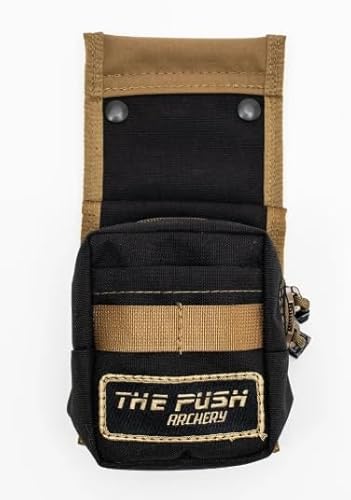
- Magnet-secured arrows for stable positioning
- No belt unbuckling needed for quick access
- MOLLE straps for accessory customization
The Push Archery Back Pocket Quiver is a different category entirely: belt-mounted convenience instead of a bow-mounted setup. Based on the supplied blurb, it suits hunters who want arrows off the bow for easier carry and access, but that also means it does less to help bow balance. It is a poor choice if the goal is a clean, always-mounted hunting rig.

- Adjustable grippers for secure arrow retention
- Soft-touch hood reduces noise during use
- Lightweight for easy mobility
The Trophy Ridge 5-Spot is a more familiar bow quiver option for compound hunters who want a lower price point and a lighter feel. The adjustable grippers and soft-touch hood are the main selling points for noise control and retention. The drawback is typical of budget-friendly quivers: fit and repeatable alignment still need to be checked against your exact sight and stabilizer setup.

- Fits 4 arrows plus broadheads/field points
- Adjustable straps for compatibility with multiple bow types
- Quick and easy installation on bow limbs
The Shatterproof Archery limb-mount quiver is the strongest traditional option in this set for recurve and longbow users. The limb strap approach suits hunters who want simple installation and a four-arrow carry, but limb-mounted systems can still affect balance and need careful clearance checks. It is a better structural fit for traditional bows than most compound-style quivers.
Should you buy it
Buy the Omen Archery Quiver if your main goal is a bow-mounted hunting quiver and you are willing to verify fit before the season. It makes the most sense for compound hunters who need a compact carry solution and for recurve users only if the mounting style and clearance are genuinely compatible with the bow. Skip it if your setup already runs tight on sight, stabilizer, or cam room.
The best buyer is the archer who values a quiet, secure, and removable quiver more than a flashy spec sheet. The worst buyer is the one who wants a universal fit with no tuning work. In quivers, that shortcut usually costs more later.
Frequently asked questions
Is the Omen Archery Quiver quiet in the tree stand?
It can be, but only if the bracket, hood, and arrow grippers all fit tightly and the bow has enough clearance around the sight and stabilizer. Stand noise usually comes from small movements and contact points, not from the quiver name. A loose mount will be loud no matter how good the hood looks.
How much does an Omen quiver weigh?
The supplied product data does not confirm a weight, so buyers should verify that number before ordering. Weight matters because it changes balance and hold feel more than many hunters expect. A quiver that is light on paper can still feel heavy if it hangs far from the riser.
Does the Omen quiver fit compound bows and recurve bows?
Fit depends on the mounting system and clearance, so the answer is not automatic. A compound bow needs room for the sight, rest, stabilizer, and cams, while a recurve needs limb clearance and a simpler profile. Any buyer should confirm compatibility with the exact bow and accessory layout.
How many arrows does the Omen quiver hold?
The supplied data does not clearly confirm capacity, so that should be checked before purchase. Arrow count matters, but not as much as how tightly the quiver carries those arrows and how far the hood extends from the bow. More capacity can mean more bulk and more potential for interference.
Will the Omen quiver rattle or interfere with broadheads?
It can if the retention force is weak, the hood is shallow, or the mount is not aligned squarely. Fixed-blade broadheads are the biggest concern because exposed edges can touch the hood or brush. A quiet setup depends on a firm lock and enough hood depth for your arrow length.
How easy is it to remove the Omen quiver in the field?
That depends on whether the quiver uses a quick-detach mount or a fixed bracket. Field removal should be simple enough to manage with gloves, but the more important issue is repeatability. If the quiver comes off easily and returns to the same position, that is a real advantage.