

Adjustable Bow Sights Vs Fixed: Your Essential Guide
For beginners, adjustable bow sights offer the precision to fine-tune your aim for different distances, making them ideal for learning. Fixed sights are simpler, more durable, and excellent for hunting at known ranges or for those who prefer a no-fuss setup. The best choice depends on your shooting style and goals.
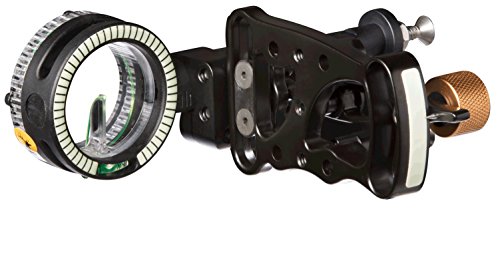
Trophy Ridge
Trophy Ridge Drive 1-Pin Slider Bow Sight,…
- INCREADED PRECISION: Adjustable indicator pin allows for ultra-precise adjustments to compensate for uncertain environmental condi…
- PREMIUM MATERIALS: Nylon bushings create smooth, quiet movement with no metal-to-metal contact
- INCREASED PRECISION: Properly align shots with the precision installed bubble level
As an Amazon Associate I earn from qualifying purchases.
Welcome fellow archery enthusiasts! Are you standing at the archery counter, gazing at the wall of sights, and wondering what on earth the difference is between adjustable and fixed? It’s a common crossroads for new archers, and choosing the right sight can feel like a big decision. Don’t worry, though! I’m here to break it down with easy-to-understand explanations, just like we’re tuning up your bow here in the shop. We’ll explore what makes each type tick, their strengths, and when one might be a better fit for you than the other. Get ready to feel confident about your sight choice!
Understanding the Basics of Bow Sights
At its heart, a bow sight is your aiming assistant. It’s that little helper attached to your bow that gives you a point to line up with your target. Think of it like the sights on a rifle, but designed for the unique physics of archery. The primary job of any bow sight, whether adjustable or fixed, is to help you aim consistently. This means taking the guesswork out of aiming and allowing you to focus on the rest of your archery form.
Shooting a bow accurately involves many parts working together: your stance, your grip, your draw, your anchor point, your release, and, of course, your aiming. The sight is the visual link between you and where your arrow will go. Without a proper sight, consistently hitting your mark becomes a challenge, especially as distances change or you try to improve your grouping.

Fixed Sights: Simple and Reliable
Let’s start with the simpler option: fixed sights. As the name suggests, a fixed sight has pins that are set at a specific, unchanging distance. They don’t move. Usually, you’ll see these with multiple pins, each representing a pre-set yardage. For example, one pin might be for 20 yards, another for 30 yards, and so on.
The beauty of fixed sights lies in their simplicity and durability. They have fewer moving parts, which means less can go wrong. This makes them incredibly dependable, especially in tough outdoor conditions where bumps and knocks are common. For many hunters, this reliability is paramount. If you know you’ll be taking shots at specific, familiar distances, a fixed sight can be a fantastic choice.
Pros of Fixed Sights
- Simplicity: Easy to understand and use, with no complex adjustments.
- Durability: Fewer moving parts means they are generally tougher and more resistant to damage.
- Cost-Effective: Often less expensive upfront than adjustable sights.
- Lightweight: Typically lighter than their adjustable counterparts.
- Dependability: Very reliable for consistent aiming at known distances.
Cons of Fixed Sights
- Limited Adjustability: Pins are set, so they aren’t ideal for shooting at varying distances without re-sighting.
- Slower to Adapt: If you’re hunting and a target appears at an unexpected range, it’s harder to adjust your aim quickly.
- Pin Blinders: For some, seeing multiple pins can be distracting.
Who are Fixed Sights Best For?
- Beginner Archers: Who are just learning and want a straightforward aiming system for practice or close-range hunting.
- Hunters: Especially those who hunt in familiar territory with predictable distances or who primarily use a single sight pin for their most common shot.
- Traditional Archers: Who might prefer a simpler setup that complements a more traditional archery style.
- Budget-Conscious Shooters: Those looking for a reliable sight without a significant investment.
Adjustable Sights: Precision and Flexibility
Now, let’s dive into the world of adjustable sights. These are the high-performance machines of the archery sight world. The key difference is that adjustable sights allow you to move your sight pins – or the entire sight housing – to correspond with different distances. This tuning capability is what makes them incredibly versatile.
Imagine you’re at the archery range. With an adjustable sight, you can set your 20-yard pin, then easily adjust it to accurately hit a target at 30, 40, or even 60 yards. This is typically done by loosening a knob or lever and moving the sight up or down. Some advanced models even allow for micro-adjustments for incredibly precise tuning. This means you can be accurate across a much wider range of distances without needing to estimate or guess.
This flexibility is a game-changer for many archers, from target shooters who need pinpoint accuracy at various distances to hunters who might encounter game at unpredictable ranges. They offer a level of control that fixed sights simply can’t match.
Pros of Adjustable Sights
- Superior Accuracy: Allows for precise tuning to hit targets at multiple, specific distances.
- Versatility: Excellent for shooting at varying ranges, whether on the range or in the field.
- Adaptability: Quickly adjust for different distances, improving shot success in dynamic situations.
- Fine-Tuning: Most models offer micro-adjustments for highly precise sighting.
- Reduced Pindrop: Often have features to minimize visual distraction from multiple pins.
Cons of Adjustable Sights
- Complexity: More moving parts can mean a steeper learning curve for adjustment and maintenance.
- Durability Concerns: While many are very robust, the extra moving parts can be more susceptible to damage from impacts.
- Cost: Generally more expensive than fixed sights.
- Weight: Can be heavier than simple fixed sights.
- Adjustment Potential: There’s a possibility of accidentally bumping an adjustment when the sight is not locked down.
Who are Adjustable Sights Best For?
- Target Archers: Who demand the highest level of precision for competition or serious practice at various distances.
- Hunters: Who frequently encounter game at unknown or variable ranges, or who hunt in diverse terrain.
- Bowhunters: Who practice extensively at multiple distances and want to dial in their sight for maximum confidence.
- Archers Seeking Ultimate Precision: Those who want to optimize their aiming for the tightest possible arrow groups.
Key Differences at a Glance
To help you quickly compare, here’s a table summarizing the main distinctions between adjustable and fixed bow sights:
| Feature | Fixed Sights | Adjustable Sights |
|---|---|---|
| Aiming Capability | Set yardage pins | Adjusts for variable yardages |
| Complexity | Simple | More complex |
| Durability | High | Good to High (depends on model) |
| Cost | Lower | Higher |
| Weight | Lighter | Potentially heavier |
| Best For | Known ranges, simplicity, hunters | Variable ranges, target shooting, maximum precision |
| Maintenance | Minimal | Requires occasional checks and calibration |
Factors to Consider When Choosing
Making the right choice isn’t just about picking a sight type; it’s about matching it to your archery lifestyle. Here are some crucial factors to ponder:
Your Primary Archery Activity
Are you mostly practicing at a single distance on a backyard range? Or are you heading out into different terrains for hunting, where ranges can change in an instant? If you’re consistently shooting at one known distance, a fixed sight might be perfect. If your shots vary wildly, an adjustable sight offers the adaptability you need.
Your Budget
Sights can range from very affordable to quite expensive, with adjustable sights generally commanding a higher price. Consider how much you’re willing to invest. Remember, sometimes paying a bit more for a quality adjustable sight can save you frustration and improve your shooting experience in the long run if versatility is key.
Your Experience Level
As a beginner, simplicity can be a huge advantage. A fixed sight removes one variable – sight adjustment – allowing you to focus more on your fundamental shooting form. Once you’ve got a solid foundation, you might find yourself drawn to the precision offered by an adjustable sight. However, many beginners find adjustable sights intuitive enough to learn with, especially if they plan to hunt or shoot at longer distances.
Durability and Maintenance
If you’re an avid hunter who walks through thick brush or a bowfisherman who spends time on the water, durability is non-negotiable. Fixed sights often win here due to their robust, simple designs. Adjustable sights, while often well-built, have more delicate mechanisms that might require a bit more care and occasional maintenance. Check out resources like Archery Trade Association for insights into equipment standards and best practices.
Weight and Balance
Every bit of weight on your bow can affect how it feels and balances. While most modern sights are designed to be lightweight, an adjustable sight might add a few extra ounces compared to a basic fixed sight. This is usually not a major concern for most archers, but it’s worth considering if you’re building a very lightweight setup.
Setting Up and Sighting In Your Sight
No matter which type of sight you choose, proper setup and sighting in are crucial for accuracy. This process helps you align your sight with where your arrows are actually hitting.
For Fixed Sights
The goal here is to set each pin to a specific yardage. You’ll typically sight in your bottom-most pin (usually the closest yardage, e.g., 20 yards) first.
- Secure Your Bow: Use a bow vise or have a friend hold the bow securely.
- Target Setup: Set up a target at your chosen starting distance (e.g., 20 yards).
- First Shot: Shoot an arrow, aiming dead center.
- Adjust the Pin: Look at where your arrow hit. If it hit high, move the pin down. If it hit low, move the pin up. If it hit left, move the pin right. If it hit right, move the pin left. Follow your sight’s instructions for micro-adjustment screws if available.
- Group Shots: Shoot a few more arrows to confirm your adjustment and try to group them tightly.
- Repeat for Other Pins: Once your first pin is dialed in, move to the next closest pin (e.g., 30 yards). Move your sight (not just the pin) to the corresponding yardage mark and repeat the adjustment process for the next pin using a target at that new distance. Many modern sights have elevation/horizonal adjustment for the entire sight housing.
For Adjustable Sights
Adjustable sights require a similar process, but you’ll be calibrating each distance more precisely.
- Secure Your Bow: As with fixed sights, ensure your bow is stable.
- Start Close: Set up a target at your closest practice distance (e.g., 20 yards).
- Shoot and Observe: Shoot an arrow, aiming at the bullseye.
- Dial In the First Distance: If your arrow hit off, adjust your sight’s first pin (usually the closest yardage for that sight) using the adjustment screws until it is centered. Ensure the sight is locked down.
- Test Other Distances: Once your first pin is accurate, move to your next distance (e.g., 30 yards). Use the adjustment mechanism on your sight to move to the 30-yard setting. Shoot, and if needed, make fine-tuning adjustments for that specific distance.
- Full Calibration: Continue this process for all the yardages you anticipate shooting. Many adjustable sights have markings or indicator systems to help you quickly return to a previously sighted-in distance.
Remember to shoot from a stable position (like a bench or using a quality rest) when initially sighting in. Also, ensure your bow is properly tuned. An untuned bow can make sighting in very difficult. You can find great resources on bow tuning from organizations like the USA Hunting initiative.

Common Questions Beginner Archers Ask
Adjustable Bow Sights vs Fixed Sights FAQ
Q1: Which type of sight is better for a complete beginner?
For absolute beginners focusing on fundamental form, a simple fixed sight can be less distracting. However, if you plan to hunt or shoot at various distances soon, an adjustable sight is a worthwhile investment to learn with from the start.
Q2: Can I use an adjustable sight if I only shoot at one distance?
Yes, you can. You would simply sight in your preferred pin for that single distance and then lock it down. However, you’d be missing out on the primary benefit of adjustability.
Q3: How often do I need to re-sight my bow?
If you don’t change your arrows or bow setup, you might only need to check your sight at the beginning of a season or after any significant travel or bumps. For adjustable sights, it’s wise to re-verify your zero (closest pin) periodically.
Q4: Do fixed sights have different pin sizes?
Yes, fixed sights can come with different pin sizes (e.g., .010″, .019″, .029″). Smaller pins are less obstructive for distant targets, while larger pins are more visible in low light or for at-a-glance sighting.
Q5: Does sight material matter?
Yes, sights are made from various materials like aluminum, carbon, and composites. Aluminum is common for its balance of durability and weight. Lightweight materials can be beneficial for compounds where every ounce counts.
Q6: Will a heavier sight make my bow less accurate?
Not necessarily. A heavier sight can sometimes help balance the bow, leading to a steadier hold. The key is how it affects the overall balance and feel for you. It’s more about the bow’s overall balance point.
Q7: Are there sights that combine features of both?
Some sights offer a primary adjustable sight with an additional “dead-on” or fixed feature for your closest yardage, aiming for a blend of versatility and quick acquisition. These are often complex models.
Conclusion: Making Your Choice
So, there you have it! We’ve walked through the ins and outs of adjustable versus fixed bow sights. Whether you lean towards the simplicity and ruggedness of a fixed sight or the pinpoint precision and flexibility of an adjustable one, the best choice is the one that aligns with your shooting goals, your hunting style, and your personal preferences.
Don’t feel rushed. If you have the chance, try handling both types at your local archery shop. See how they feel, how they look mounted on a bow, and ask questions! Remember, a sight is just one part of your archery journey. Your form, practice, and dedication are what truly unlock your potential. Whichever you select, take the time to sight it in properly, practice consistently, and enjoy the rewarding experience of hitting your mark. Happy shooting!
Related pick: Check today's price on Amazon


