5 Best Quivers for Spot-Stalk (2026): Based on Specs
Trophy Ridge 5-Spot is presented as a strong overall pick for spot-and-stalk hunting because it keeps carried weight low, mounts cleanly on the bow, and is reported to hold arrows more quietly than some other options. The tradeoff is straightforward: a bow-mounted quiver gets arrows to hand faster, while a hip or back carry can feel lighter on long hikes.
Best lightweight quiver for spot-and-stalk hunting
The right choice depends on where the weight sits. On steep climbs and side-hills, that matters as much as raw ounces.
Quick comparison
| Product | Badge | Best for | Price | ||
|---|---|---|---|---|---|
 | TRUGLO Loc-Dwn 4-Arrow Quiver Realtree XTRATRUGLO | Our pick | 4-arrow · ultra-light · Realtree XTRA | $28.24 Price as of 4 Nov 2026 | View |
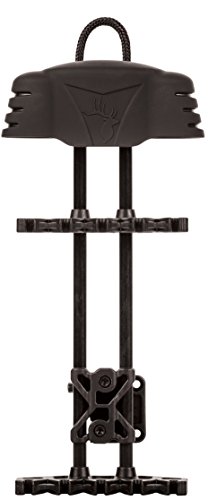 | Trophy Ridge 5-Spot Arrow Quiver, BlackTrophy Ridge | Budget pick | 5-spot · lightweight · black | $33.99 Price as of 4 Nov 2026 | View |
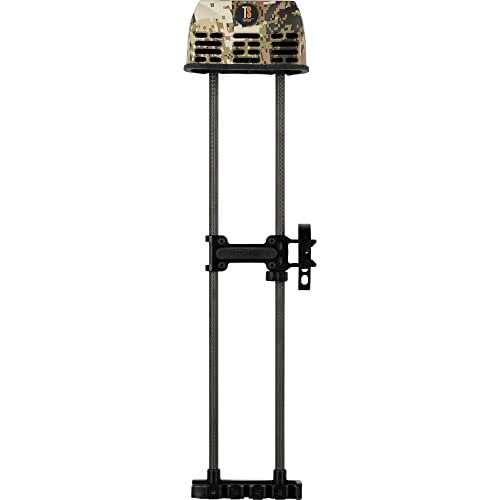 | Tightspot Lite 5-Arrow QuiverTightspot | Also great | 5-arrow · lightweight · Optifade Subalpine | $159.95 Price as of 4 Nov 2026 | View |
 | MATHEWS 4 Arrow Web Hd Series Ambush Green QuiverMATHEWS | Upgrade pick | 4-arrow · ultra-compact · Ambush Green | $169.99 Price as of 4 Nov 2026 | View |
 | REDLINE Carbon 3 Arrow QuiverREDLINE | Pair with it | 3-arrow · carbon · black | $89.99 Price as of 4 Nov 2026 | View |
This comparison keeps the same five picks used throughout the guide. The table below is meant to separate bow-ready speed, body-carry comfort, and brush-friendly carry before you buy.
How we chose
The rankings are based on manufacturer specs, listing details, and published buyer feedback. Each pick is judged on added weight, bow balance, snag risk, noise control, and one-hand access speed.
That matters because spot-and-stalk hunting punishes quivers that swing, rattle, or catch brush when the shot is still 20 yards away.
Lightweight quiver scoring table
| Quiver | Added weight | Bow balance | Snag risk | Noise control | Access speed | Open-country stalk | Thick timber | Long hike | Steep terrain |
|---|---|---|---|---|---|---|---|---|---|
| Trophy Ridge 5-Spot | 4 | 5 | 4 | 5 | 5 | Best overall | Very good | Good | Very good |
| TRUGLO Loc-Dwn 4-Arrow | 5 | 4 | 4 | 4 | 4 | Very good | Good | Very good | Good |
| Tightspot Lite 5-Arrow | 4 | 5 | 4 | 4 | 4 | Very good | Good | Best for long carry | Very good |
| MATHEWS 4 Arrow Web Hd Series | 5 | 5 | 5 | 5 | 4 | Very good | Best for tight cover | Good | Best for steep ground |
| REDLINE Carbon 3 Arrow | 5 | 4 | 5 | 4 | 5 | Very good | Best for crawling | Good | Very good |
Scores run from 1 to 5, with 5 being the best fit for lightweight stalking. Higher access speed helps on open-country stalks; lower snag risk matters more in brush, timber, and off-camber terrain.
Which quiver style fits your hunt?
For most compound-bow spot-and-stalk hunts, a bow-mounted quiver is still the practical default because it keeps arrows ready without adding another piece to carry. A hip quiver or back quiver can feel lighter during long hikes, but it moves the access problem back to the body.
That tradeoff becomes clear when the stalk gets messy. A bow quiver with a quick-release mount can ride on the bow for the approach, then come off before the shot if the setup feels nose-heavy. A hip quiver can stay clear of the bow limbs, but it can swing, bump, or catch brush if the strap is loose.
A traditional back quiver makes the most sense for recurves and other traditional bows. It gives over-the-shoulder carry and a lighter feel on the bow itself, but arrow access while walking can be awkward in thick cover.
A common first-timer mistake is choosing a 6-arrow quiver for a stalk-heavy hunt when only four or five shafts are likely to be carried. Extra capacity can add bulk without adding useful options.
Bow-mounted quiver basics
Bow-mounted quivers fit a compound-bow mount and keep the load on the bow instead of the belt. Look for a low-profile design, a quick-release option, a secure arrow gripper system, and an enclosed broadhead hood that protects blades and fletching. That setup keeps the arrows steady and helps the bow settle better in hand.
The drawback is balance. More weight on the bow can change the feel during long hikes and side-hilling, even if the quiver is quiet at the shot.
Hip quiver basics
A hip quiver uses an adjustable strap and rides on the hip or back. It can feel lighter on the bow because the bow itself carries less hardware, which is useful for target and 3D work and for some stalks where bow balance matters more than instant arrow access.
The downside is movement. If the strap shifts while stalking, arrows can swing, brush can catch the shafts, and access can slow down when the terrain turns steep.
Traditional back quiver basics
A traditional back quiver carries over the shoulder and tends to suit recurve and traditional use better than compound hunting. It can feel light and simple, and it keeps the bow free of added hardware.
The drawback is access while walking. In thick cover, drawing an arrow from behind the shoulder can be slower and less controlled than a bow-mounted system.
Why five arrows is the common stalking load
Five arrows is a common hunting load because it gives enough field margin without adding much bulk. It is a practical middle ground: fewer arrows can feel too sparse for a long day, while six or more often adds width, weight, and more chance of contact with brush or a pack.
For spot-and-stalk, the balance usually favors reduced bulk over maximum capacity. That is why a 5-arrow quiver often lands in the sweet spot for stalking, even when 4-arrow designs are slightly trimmer.
Trophy Ridge 5-Spot: best for open-country stalks
Trophy Ridge 5-Spot is the best overall pick for open-country stalks because it combines a 5-arrow capacity with a compound bow bracket mount, a quick detach bracket, and adjustable dual arrow grippers. That mix fits hunters who want a secure, bow-ready carry with clean access at the shot.
The Soft-Touch hood helps reduce noise, which matters when the bow is already in hand and a final step can decide the shot. Its 5-arrow capacity also keeps the load practical without turning the bow into a bulky carry system.
The drawback is that it is still a bow-mounted quiver, so the bow carries the weight during the hike. Hunters who want the lightest possible bow feel may prefer a body-carry option instead.
Fit notes to confirm before buying: check handedness, mount style, hood type, and arrow length compatibility on the manufacturer listing for your bow. A quick-detach mount helps if you want to remove the quiver before the final draw.
For brush, crawling, and side-hilling, the key check is whether the hood and grippers hold the arrows tight enough to prevent movement. Any loose shaft can slap the rest or brush, and that noise travels fast in open country.
TRUGLO Loc-Dwn 4-Arrow: best for long hikes
TRUGLO Loc-Dwn 4-Arrow is the better choice when the carry is the main issue and the stalk includes a lot of ground. It is listed as under 8 oz, and that low carried weight makes it attractive for hunters who want a lighter bow in hand.
The vibration-absorbing design and twist-lock mounting support quiet carry and one-hand removal. That combination helps when the quiver needs to stay secure on the move but come off quickly before the shot.
The honest drawback is capacity. A 4-arrow layout trims bulk, but it gives up one slot compared with the common 5-arrow stalking load.
Look closely at how the bracket sits on your bow. A low-profile mount helps, but the final balance still depends on your riser shape, arrow length, and how far the quiver sits from the bow centerline.
Suppose a hunter is hiking 1 mile uphill before the stalk starts. A lighter quiver can matter more than one extra arrow, especially if the bow will stay in hand for much of the approach.
Tightspot Lite 5-Arrow: best for long hikes
Tightspot Lite 5-Arrow fits hunters who want a 5-arrow load with a lighter carry feel and a flexible mounting system. It holds up to five arrows, which keeps it in the stalking sweet spot without pushing into bulky territory.
The big draw is how it spreads the load. A careful mount can help the bow feel more settled than a heavier, more exposed quiver, especially during long hikes where the bow is carried for hours.
The drawback is price. This is the highest-priced pick in the group, so the value case depends on whether the mounting system and carry feel are worth the premium to the buyer.
Confirm how the mounting system fits your bow before buying. A flexible attachment can be useful, but it should still hold tight enough for side-hills, crawling, and quick posture changes.
If the hunt has long ridgelines and lots of glassing time, this is the sort of quiver that makes sense when the bow must stay ready without feeling overloaded.
MATHEWS 4 Arrow Web Hd Series: best for thick timber or steep terrain
MATHEWS 4 Arrow Web Hd Series is the tight-cover pick because it uses an ultra-compact design, a tool-free quick detach, and a soft-touch finish that helps eliminate noise. That combination suits crawling, brushy timber, and off-camber ground where a bigger quiver can snag.
The 4-arrow layout keeps bulk down and reduces the amount of exposed gear that can catch on branches. That makes it a strong fit when the stalk happens in tight lanes or steep terrain.
The drawback is the lower capacity. Hunters who want the more common 5-arrow hunting load will need to decide whether the smaller footprint is worth the tradeoff.
Set up checks matter here. Make sure the hood closes tightly over broadheads, the arrows cannot shift side to side, and the mount does not rock when the bow is tilted on steep ground.
Picture a steep side-hill with brush at knee height. A compact quiver with a clean detach is easier to manage than a longer setup that catches on saplings or bounces while the hunter shifts footing.
REDLINE Carbon 3 Arrow: best for thick timber or steep terrain
REDLINE Carbon 3 Arrow is the most stripped-down option here. Its all-carbon design keeps weight low, the quick-detach bracket helps before the shot, and the soft-touch rubber hood insert is built to reduce noise.
That makes it a good fit for hunters who want the smallest possible carry and the fastest access. The 3-arrow capacity is the main limitation, but it also cuts bulk and can help on tight, noisy routes through brush.
The drawback is obvious: three arrows is lean for hunting, especially when the plan includes a long day or uncertain shot angles. It fits minimalists better than hunters who want extra margin.
Check that the arrow retention system holds firmly over rough ground. A lightweight quiver that allows any movement can defeat the point of carrying less hardware.
For a crawl under low branches, the shorter profile can be a real advantage. Less exposed gear usually means less snag risk.
Should you choose bow-mounted or hip carry?
Choose bow-mounted carry when the shot must come fast and the quiver needs to stay with the bow through the stalk. Choose hip carry when long hiking comfort matters more than having arrows on the bow, especially if the route includes repeated climbs or a pack that already adds weight.
For open-country stalks, bow-mounted is usually the better fit because access speed matters. For all-day miles, hip carry can feel better on the body, but it may be slower to manage when the final setup gets tight.
A quick-release mount helps bridge the gap. It lets the hunter leave the quiver on for the walk, then remove it before the shot if the bow feels nose-heavy or if the extra width is getting in the way.
Do quick-release quivers help with bow balance in the field? Yes, when the hunter actually removes them before the shot. That lowers bow weight, trims front-end feel, and can make the sight picture steadier at full draw.
What features make a quiver better for stalking than treestand hunting?
Spot-and-stalk puts more stress on snag risk, side-hill movement, and quiet handling than treestand hunting does. A stalking quiver should sit close to the bow, hold arrows tight, and keep broadheads covered so nothing catches when the hunter crawls or turns sideways.
Treestand hunters can tolerate more bulk and less access speed because they are not weaving through brush. In stalking, the important features are a low-profile design, an arrow gripper system, an enclosed broadhead hood, and a mount that does not shift when the bow angle changes.
What should I look for so my quiver does not rattle? Check for tight arrow retention, a snug hood, firm mounting hardware, and any contact point where plastic or metal can tap under vibration. If a quiver rattles in hand, it usually rattles worse in the field.
Lightweight quiver checklist
- Confirm the hood closes tightly around the broadheads.
- Check whether each arrow seats firmly in the gripper.
- Move the bow at a crawl and listen for hood or shaft movement.
- Look for exposed corners that can catch on brush or clothing.
- Test the mount after tightening, then recheck after the first hike.
That checklist is simple, but it catches the most common field failures: arrow slap, branch snagging, and quiver movement during side-hilling.
How much weight does a quiver add to a hunting bow?
Most hunting quivers add a small but noticeable amount of weight to the bow, and the feel changes more than the number alone suggests. A compact quiver can still shift balance, especially when arrows and broadheads are loaded and the bow is carried at arm’s length for miles.
The practical answer is to think in categories, not just ounces. Under 8 ounces is a useful target for a lightweight setup, while a larger or bulkier mount can make the bow feel front-heavy even if the number does not seem dramatic on paper.
That is why the same quiver can feel fine at a treestand ladder and tiring on a steep stalk. The terrain changes how much the added weight matters.
How to choose by scenario
If the hunt is open country and the final shot may come after a long crawl, Trophy Ridge 5-Spot is the cleanest all-around choice. If the day starts with a lot of hiking, TRUGLO Loc-Dwn 4-Arrow is the lightest-feeling bow-mounted option in this group.
If the route is steep, brushy, or likely to involve kneeling and side-hilling, MATHEWS 4 Arrow Web Hd Series is the strongest fit for low bulk. If the buyer wants the lightest minimal setup and can live with three arrows, REDLINE Carbon 3 Arrow is the slim carry option.
For a hunter who wants a 5-arrow layout and a premium mounting system, Tightspot Lite 5-Arrow is the high-end carry choice. The tradeoff is price, not field performance alone.
Which one should you buy?
Buy Trophy Ridge 5-Spot if you want the best all-around spot-and-stalk quiver and care most about a balanced mix of access speed, quiet carry, and a common 5-arrow load. Buy TRUGLO Loc-Dwn 4-Arrow if the hunt involves more hiking and you want a lower carried weight on the bow.
Choose Tightspot Lite 5-Arrow if you want a premium 5-arrow setup and are willing to pay for it. Pick MATHEWS 4 Arrow Web Hd Series for tight timber, crawling, and steep ground where compact shape matters more than extra capacity.
Choose REDLINE Carbon 3 Arrow if minimal bulk is the top priority. A hip or back quiver still makes sense for some traditional setups, but for compound spot-and-stalk hunting, a bow-mounted quiver is usually the more practical field choice.
Say your route includes a 2-mile hike, a rocky ridge, and a likely 20-yard shot. A quick-release bow quiver can be the better answer than a body-carry rig because it keeps the arrows ready while still letting the hunter trim weight before the final setup.
Frequently asked questions
What is the best lightweight quiver for spot-and-stalk hunting?
Trophy Ridge 5-Spot is the best lightweight all-around choice here because it keeps a practical 5-arrow capacity, uses a compound bow bracket mount, and adds quiet field handling without giving up quick access. It is the strongest blend of balance, noise control, and hunting-ready convenience for most spot-and-stalk buyers.
How many arrows should a lightweight hunting quiver hold?
Five arrows is the common balance point for lightweight stalking. It keeps enough hunting margin without adding the bulk that often comes with 6-arrow quivers. Four arrows can save space, but it reduces flexibility, while three arrows is best only for hunters who value minimal carry above all else.
Which quiver style is quietest when hiking through brush?
A bow-mounted quiver with an enclosed broadhead hood and secure arrow grippers is usually the quietest choice in brush when it is fitted well. Hip and back quivers can be quiet too, but only if the strap stays tight and the arrows do not swing or tap each other while walking.
Should I use a bow-mounted quiver or a hip quiver for spot-and-stalk?
Use a bow-mounted quiver if fast access, bow-ready carry, and shot-time convenience matter most. Use a hip quiver if you want the bow itself to feel lighter on long hikes. For most compound spot-and-stalk hunts, the bow-mounted option is the simpler and more reliable choice.
What should I look for so my quiver does not rattle?
Look for an arrow gripper system that holds shafts firmly, a hood that closes snugly over the broadheads, and mounting hardware that stays tight after movement. If the quiver shifts when you tilt the bow or climb, it is more likely to rattle in the field and give away your position.