Best First Archery Tournament Formats for Beginners
The easiest first archery tournament formats are indoor spot rounds, outdoor target rounds at a single distance, and club fun shoots; for most beginners, pick the format with one distance, fixed target size, and no elimination bracket. A complex format too early can mean confusion, slow shooting, and a scorecard you barely understand. This guide ranks beginner-friendly tournament formats by entry difficulty, rule simplicity, and how likely they are to feel manageable on day one.
Which first tournament format is easiest?

Indoor target is usually the easiest first tournament format because it removes wind, keeps distance steady, and uses a simple scorecard. Outdoor target comes next, then 3D, then field archery. The main difference is how many moving parts a new archer must handle before the first arrow is even shot.
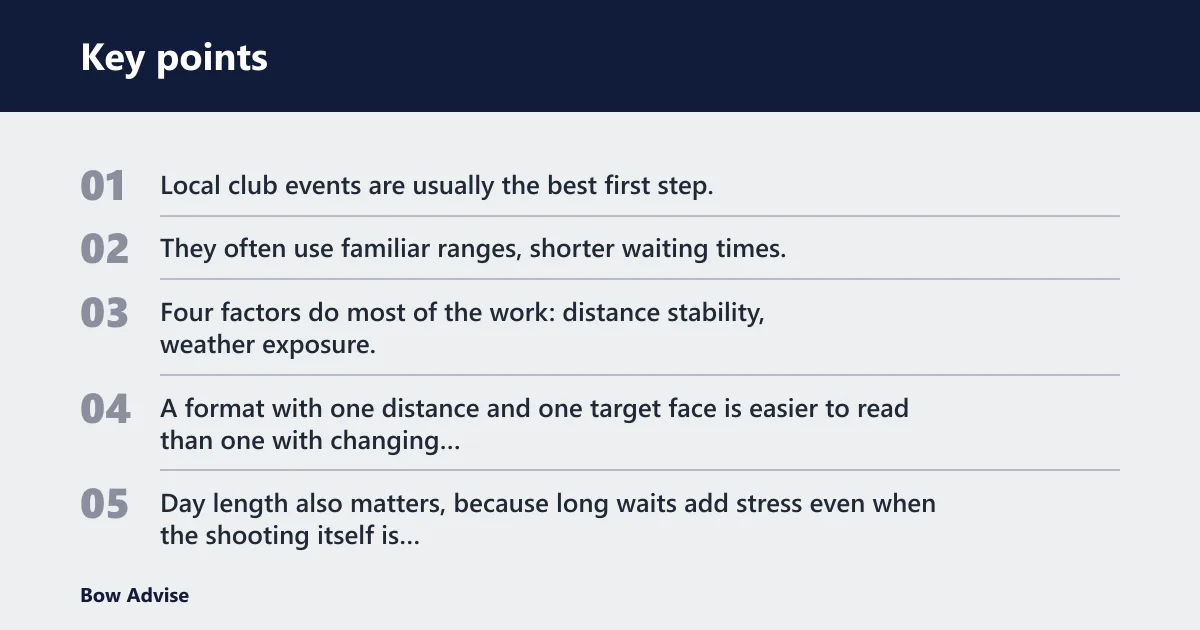
Local club events are usually the best first step. They often use familiar ranges, shorter waiting times, and simpler admin than larger regional shoots, which helps a beginner focus on shooting rather than logistics.
What makes one format feel simpler than another?
Four factors do most of the work: distance stability, weather exposure, scoring simplicity, and equipment demands. A format with one distance and one target face is easier to read than one with changing positions, uneven ground, or unmarked distances. Day length also matters, because long waits add stress even when the shooting itself is simple.
A common first-timer mistake is signing up for the first event that fits the calendar, then discovering it needs distance judging, a full day on foot, or equipment that differs from practice setup. A simpler first format avoids those surprises.
Who should start with each format?
Indoor target suits nervous first-timers and archers whose practice distance is still short or inconsistent. Outdoor target fits a backyard archer who already shoots in wind and wants a familiar target format. Field and 3D make more sense for a coach-led club member who has already handled event routines, walked varied ground, and used different distances.
| Format | Distance variability | Weather exposure | Scoring simplicity | Equipment complexity | First-day stress | Best fit by beginner profile |
|---|---|---|---|---|---|---|
| Indoor target | 1 | 1 | 2 | 2 | 1 | Nervous first-timer |
| Outdoor target | 3 | 4 | 3 | 3 | 3 | Backyard archer |
| 3D archery | 4 | 3 | 4 | 3 | 4 | Coach-led club member |
| Field archery | 5 | 4 | 5 | 4 | 5 | Coach-led club member |
How to read the rankings: 1 means easiest and 5 means hardest for a first-day beginner. These rankings are an editorial guide based on distance stability, weather exposure, scoring simplicity, and equipment demands. Indoor target wins because it stays predictable from end to end. Field archery sits last because changing distances and terrain add the most judgment calls.
Is indoor target archery the best first choice?
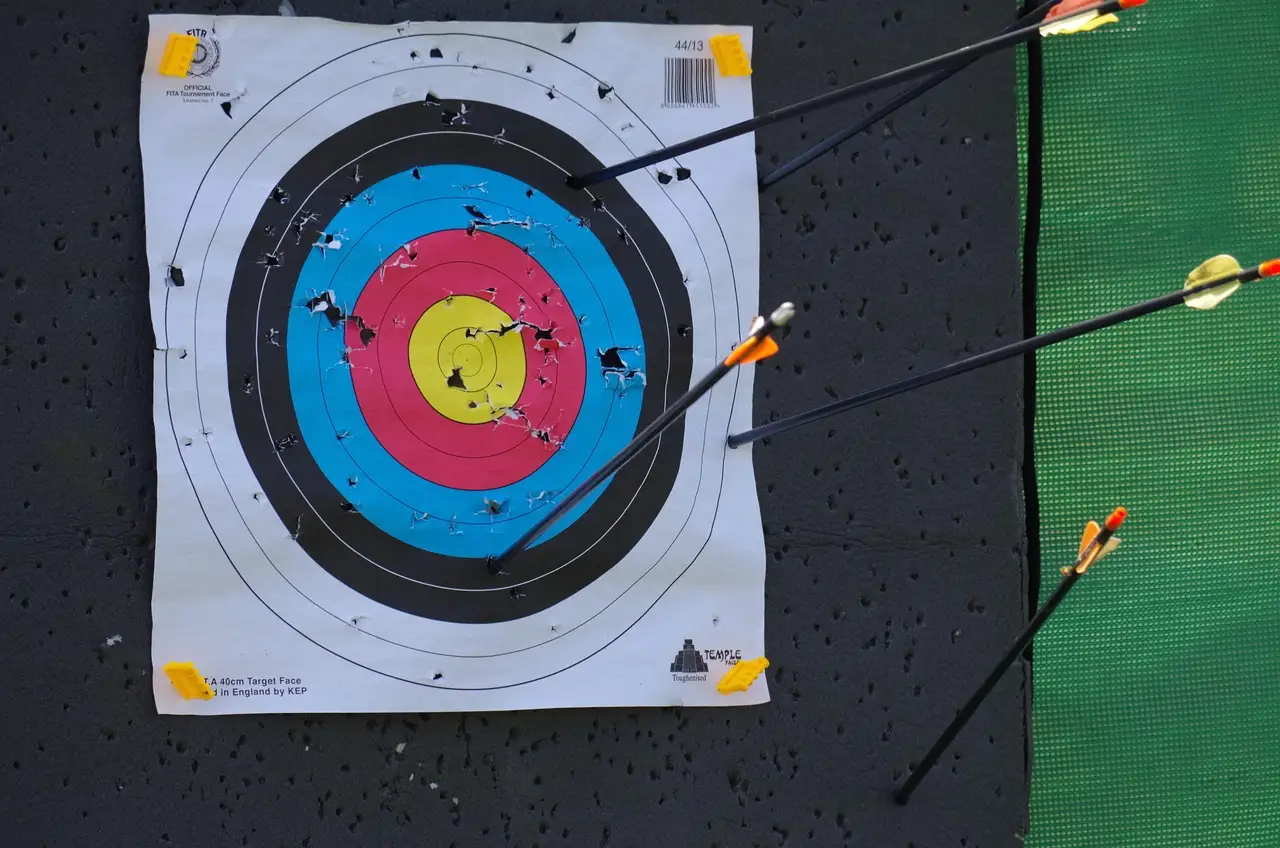
For most beginners, yes. Indoor target archery is usually the best first competition because the distance is typically 18 meters, the lighting is controlled, and there is zero wind. That means fewer variables to manage while learning line calls, timing, and score entry.
Why 18 meters feels manageable
At 18 meters, the archer is still close enough to read the target clearly without needing to judge a long outdoor line or fight a crosswind. Indoor shooting also tends to shorten the mental gap between practice and competition, especially for archers who already group well at short range.
Indoor archery can be held in sports halls, gymnasiums, or exhibition centers. Those settings reduce weather surprises, which matters more for a first event than any difference in prestige.
What a short indoor round looks like
Many first indoor events use a simple 18-meter round with a fixed target face and a fixed arrow count. According to World Archery, the indoor round format is an indoor target round, not an outdoor one, and it is designed around a single indoor distance rather than an 18-meter outdoor setup.
That structure is easy to follow: shoot, score, repeat. There is no need to shift across hills, guess changing yardage, or adapt to gusts between ends.
How do outdoor target rounds compare?
Outdoor target rounds are still beginner-friendly, but they add more friction than indoor events. The distances are longer, the season matters, and wind changes arrow flight. For a first competition, outdoor makes sense if the archer already practices outside and understands how distance affects sight marks or gap aiming.
Longer distances and seasonal conditions
Outdoor target distances are commonly longer than indoor 18-meter rounds, and the exact distance depends on age and division. Those longer distances magnify small setup errors and make arrow drop more visible. Spring through fall also brings more weather variation, so line conditions may change before the round is over.
If a beginner shoots tight groups indoors at 18 meters, then steps into a windy outdoor round, the same anchor and form can still work, but the sight picture, hold time, and confidence often change because the shot is less forgiving.
When outdoor makes sense for a first event
Outdoor is a good first choice when the archer has already practiced at the tournament distance and has shot in wind before. It also fits beginners who want the same target-archery format they already know, just in a more open setting. The format itself is familiar; the environment is the harder part.
What should beginners know about field and 3D?
Field and 3D are more demanding first starts than indoor target because they add terrain, movement, and more distance judgment. Field archery uses varied terrain and changing target distances, and some rounds include unmarked distances that require visual distance judgment. 3D adds animal-shaped targets and often a stronger need to estimate range quickly.
Field archery basics and distance judgment
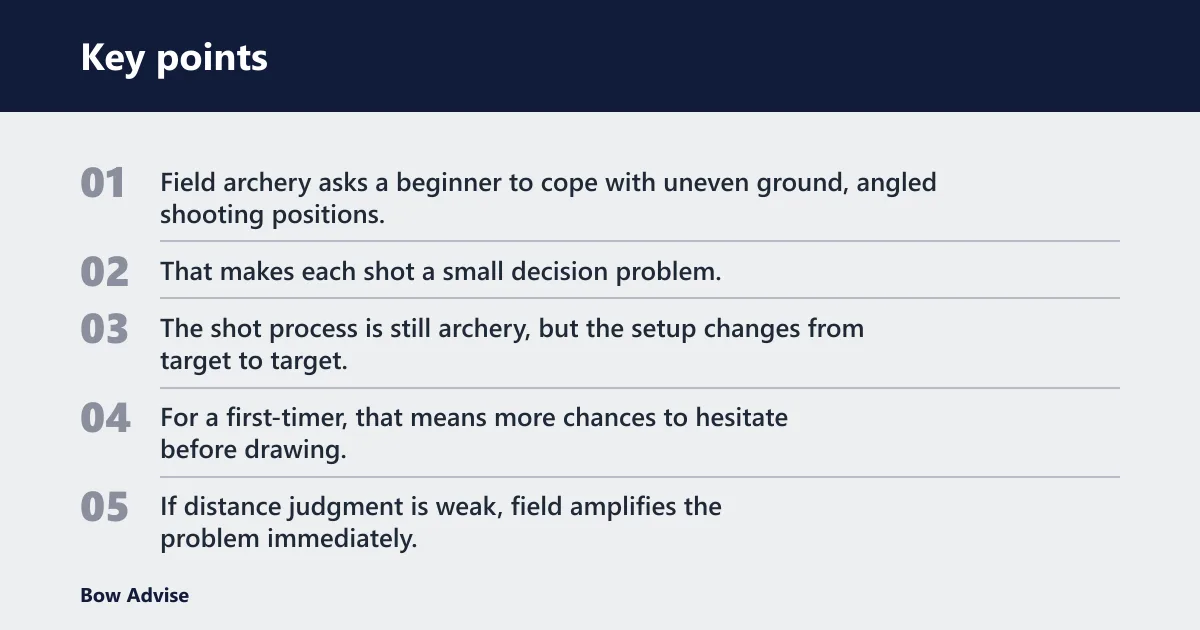
Field archery asks a beginner to cope with uneven ground, angled shooting positions, and targets that do not always sit at the same range. That makes each shot a small decision problem. The shot process is still archery, but the setup changes from target to target.
For a first-timer, that means more chances to hesitate before drawing. If distance judgment is weak, field amplifies the problem immediately.
Why terrain and changing distances add pressure
In field, the archer may need to read slope, angle, and target placement before deciding how to aim. If the distances are unmarked, the round asks for more than shooting skill. It asks for judgment under time pressure. That is why field usually belongs after one or two simpler target events.
How 3D differs from target rounds
3D is still shot at a target, but the target is a three-dimensional form rather than a flat face. That changes the aiming picture and often the mental rhythm. A beginner who already knows how to score a target face may still feel less certain on a 3D target because the aiming reference is different.
What division should a beginner enter?
Most first-timers should enter the target archery division that matches their equipment, then select the correct age category. Common divisions include recurve, compound, and barebow. The right choice is the one that matches the bow and accessories already allowed by the event rules.
Recurve, compound, and barebow divisions
Recurve is the broadest access point for organised events and the most common Olympic-style discipline. It usually carries lower equipment investment than a full compound setup. Compound uses a let-off system and, depending on the rule set and division, may use a release aid, stabiliser system, and a properly tuned rest. Barebow is shot without the sight and accessory package used in many recurve setups.
Check the event rulebook before registering. Some competitions separate divisions by age, bow style, and equipment details, and a small mismatch can cause a registration headache on arrival.
Age category selection
Age category matters because many tournaments divide archers by age as well as bow type. A beginner should choose the category that matches the event rules, not the one that looks easiest. That keeps the scorebook clean and avoids last-minute changes at check-in.
What do beginners shoot in a standard round?
A standard beginner round is often a target round with a fixed number of arrows at a fixed distance. A common indoor example is a simple 18-meter round: fixed distance, fixed face, fixed scoring. That structure gives new archers a clear routine without adding complex route changes or moving stations.
Common arrow counts and distances
Arrow count varies by event, but a fixed-distance indoor round is a useful reference because it shows what a full target session looks like. The important point for beginners is not the total volume alone. It is the consistency of shooting one distance and one face, which keeps the round easy to follow.
What distances do beginners usually shoot in archery tournaments? Indoor events are typically 18 meters, while outdoor target rounds can be much longer. The exact distance depends on age and division, and event notices usually list the yardage or metres in advance.
How scoring works at a high level
Most target rounds use concentric scoring rings. Shots closer to the center score higher. For a beginner, the main task is to learn how to mark arrows, confirm the score, and keep the process calm between ends. That is simpler indoors than in formats that force a walking route or a range estimate.
What should I bring to my first tournament?
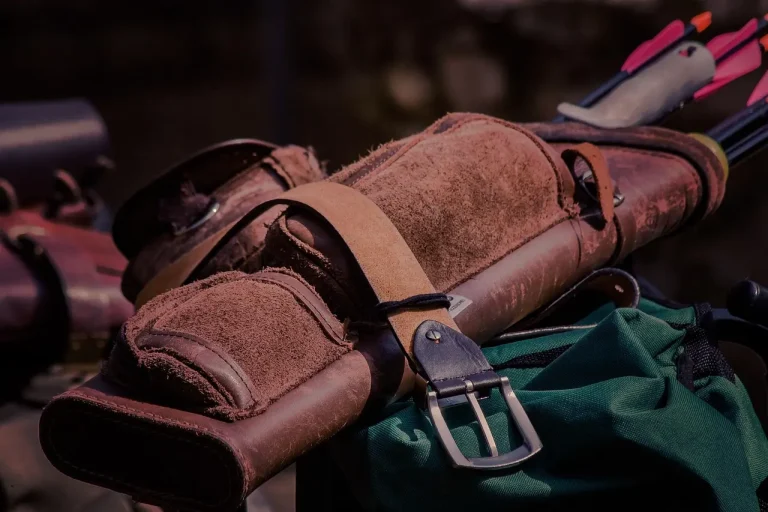
Bring matched arrows, a finger tab or release aid, an armguard, a bow stand, water, and snacks, as these are commonly listed as first-tournament essentials. That basic kit covers the day without clutter. Beginners should also confirm equipment rules before registering so the bow setup and accessories are legal for the chosen division.
Matched arrows and bow setup items
Matched arrows matter because consistency helps with tuning and scoring. A bow stand keeps the bow off the floor between ends. The rest of the setup depends on the division, but the event rules should be checked early rather than on the morning of the shoot.
Finger tab, release aid, and armguard
A recurve archer typically uses a finger tab. A compound archer typically uses a release aid. An armguard helps protect the forearm from string slap and makes the first day less distracting. Those three items are basic, not optional extras.
Water, snacks, and simple day-of essentials
Water and snacks matter because first events often last longer than practice sessions. A beginner who stays hydrated and keeps energy steady is less likely to rush ends or lose focus late in the round. Simple comfort items reduce fatigue better than any mental trick.
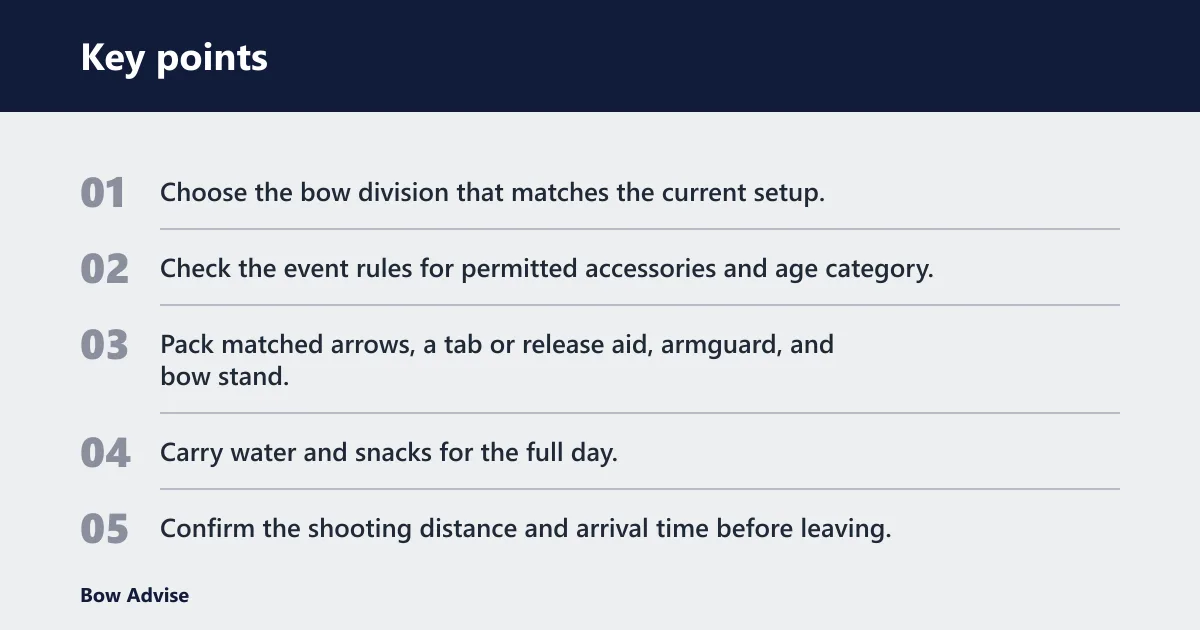
- Choose the bow division that matches the current setup.
- Check the event rules for permitted accessories and age category.
- Pack matched arrows, a tab or release aid, armguard, and bow stand.
- Carry water and snacks for the full day.
- Confirm the shooting distance and arrival time before leaving.
Frequently asked questions
What is the best first archery tournament format for beginners?
Indoor target archery is usually the best first format because it keeps distance fixed, removes wind, and uses a clear scorecard. For a brand-new competitor, that is the simplest way to learn the line, the timing, and the scoring flow without also managing terrain or changing distances.
Is indoor or outdoor archery better for a first competition?
Indoor is better for most first competitions. Outdoor target adds wind, longer distances, and more arrow drop, which increases first-day pressure. If the archer already shoots outdoors often and knows the distance well, outdoor can still work, but indoor is the cleaner entry point.
What distances do beginners usually shoot in archery tournaments?
Beginners commonly shoot 18 meters indoors. Outdoor target distances are longer and vary by age and division. The event notice should list the exact distance, and a beginner should practice at that range before entering.
What bow division should a beginner enter in a first tournament?
A beginner should enter the division that matches the actual bow and accessories being used: recurve, compound, or barebow. Age category selection matters too. If the registration rules are unclear, the safest move is to ask the organiser before entering rather than guess.
How many arrows are shot in a standard beginner archery round?
A common standard round is a fixed-distance target round with a set number of arrows. Not every beginner event uses the same format, but it is a useful model because it shows the typical structure of a full target competition without extra moving parts.
Should I start with a local club shoot or a bigger event?
Start with a local club event. Smaller shoots usually have simpler admin, shorter travel, and a friendlier learning curve. Bigger events can wait until the archer is comfortable with scoring, timing, and division rules, because those basics matter more than event size at first.