Archery Gifts for Kids: Safe, Fun Ideas Parents Will Approve
A common top pick for many parents is a low-poundage youth bow with blunt or suction-tip arrows, a simple target, and clear age guidance for supervised practice in a controlled archery space. It gives a child a real archery experience without too much power or setup hassle.
Quick picks by age and use
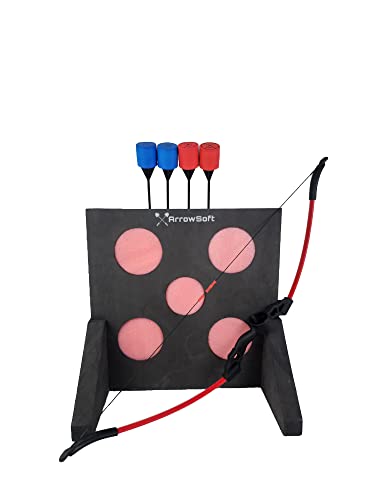

Below are the easiest gift paths to compare first. The main split is simple: toy-style sets for supervised play, and true youth bows for kids who can handle a real draw and a more structured practice setup.
| Best for | Gift type | Key spec | Setup burden | Price clue |
|---|---|---|---|---|
| Indoor play and younger kids | Toy-style children’s bow set | Foam-, suction-, or rubber-tip arrows; age-appropriate sizing | Low | €21.99 wooden set |
| First real archery gift for older kids | Youth bow set | 15 lbs draw weight; child-sized fit | Low to moderate | €24.95 set |
| Child who will practice regularly | Longer youth bow set | 31 to 45 inches long; arrows included | Moderate | €49.99 longbow set |
| Budget-first gift buyer | Starter set with target | Bow, arrows, and practice target in one box | Low | Under €25 options exist |
Best toy-style set for indoor play
A wooden children’s bow set fits families who want a light, low-risk gift for short supervised play sessions. Toy bows work best when the arrows use suction cups, foam, or rubber tips, when the target is soft, and when eye protection and a backstop are part of the setup.
Best beginner bow for older kids
A youth bow set listed at a low draw weight is a better match when the child wants a real archery feel and can follow instructions closely. That draw level helps keep form cleaner and limits strain, but the bow should still be used only in a controlled practice space with supervision.
Best budget set for first-time buyers
A set with the bow, arrows, and a target gives the best value when parents want a simple first setup. Parents usually get the cleanest experience from an all-in-one package because it cuts down on guesswork and avoids extra shopping for missing parts.
Kid archery gift safety matrix
This matrix sorts gift types by safety level first, then by setup burden. It helps separate toy bows from true beginner bows, which is where many buyers get tripped up.
| Gift type | Age band | Arrow tip type | Draw weight | Indoor/outdoor fit | Supervision | Best use case |
|---|---|---|---|---|---|---|
| Toy bow with suction arrows | 8 and up, if manufacturer allows | Suction cup | Very light | Indoor first, light outdoor use | Needed | Short, playful practice sessions |
| Wooden toy bow set | Younger kids with close adult oversight | Foam or rubber tip | Very light | Indoor-friendly | Needed | Simple play and basic hand-eye coordination |
| Starter youth bow | 8 and up | Blunt or rubber tip | Around 15 lbs | Indoor target room or calm outdoor space | Needed | First real archery set for a child |
| Beginner youth bow set | 8 and up, with strength fit checked | Foam or felt tip | 15 -30 lbs category | Mostly outdoor, some indoor with soft target | Needed | Skill building and repeat practice |
| Longer youth bow | Older child or taller beginner | Blunt practice tip | Light to moderate beginner range | Outdoor practice works best | Needed | Better fit when a compact bow feels cramped |
| Adult-style bow | 18 and over or manufacturer exclusion | Metal tip or field point | Higher, not for casual kids | Outdoor range use | Trained supervision expected | Not a kids’ gift |
| Crossbow-style kids’ item | Only if age-labeled and supervised | Usually toy tip or blunt tip | Varies widely | Outdoor only in most cases | Needed | Specialty play, not the default choice |
What is the safest archery gift for a child?
For most children, the safest archery gift is a low-poundage youth bow or toy bow with blunt, suction, foam, or rubber-tip arrows and a soft target. The safest choice is the one that fits the child’s age, strength, and attention span without adding extra power or hard-tipped arrows, and with eye protection and a backstop in place.
Toy bows versus youth bows
Toy bows are for play. Youth bows are for beginner archery. That difference matters because a toy bow is usually built around light arrows and short sessions, while a true youth bow is meant to teach form, anchor point, and repeatable shots with more control.
Parents should not treat a toy bow set as if it were a real training bow. A child who wants a real archery experience usually does better with a beginner youth bow than with a flashy toy that feels strong but teaches very little.
Safest arrow tips for kids
Suction cup tips are the safest choice for indoor play because they are designed to stick to smooth targets instead of punch through them. Foam tips and rubber tips are also kid-friendly for practice, especially on soft or purpose-made targets.
Blunt tips can still injure and are not the same as suction or foam tips. Metal tips belong in a different category. They are for traditional or field archery, not casual child gifts or indoor use. A gift set that mixes toy branding with metal-tip arrows is a poor buy for family use.
When supervision is non-negotiable
Adult supervision is needed whenever a child is shooting, retrieving arrows, or setting up the target area. It matters even more with 8 and up labels, because that label often means the product is aimed at children who can follow directions, not children who can be left alone.
Supervision also matters when the set is new. The first session is when parents spot overdrawn bows, unsafe shooting direction, loose arrow nocks, and targets that tip over too easily.
What should be included in a beginner kids’ set?
A good beginner set should include the bow, several arrows, and a target, with size and tip type matched to the child. If it also includes a simple carry bag or quiver, that helps with storage and keeps arrows from getting lost between sessions.
Bow and arrow basics
Look for children’s bow set listings that state age-appropriate sizing and a clear draw weight. A light draw helps beginners, and bows that are too heavy should be avoided for first-time shooters.
Bow length matters too, but it is only one part of fit. Some children’s bows are under 30 inches long, while other kids’ bow listings run from 31 to 45 inches long, so the best choice depends on how the child holds and draws the bow.
Target choices that work indoors
An included target is better than an empty box, but the target material matters. Soft practice targets for kids are easier to use indoors, while a separate soft backstop or purpose-made practice target can make sense for controlled outdoor sessions or more durable backyard practice.
A common first-timer mistake is buying a bow set with no real target plan. If the only target is a hard wall, the setup is wrong from the start. If the target is too fragile, arrows will bounce off or break it quickly.
Storage and replacement parts
Parents should look for a set that stores cleanly, especially if the child is young enough to leave arrows lying around. A simple quiver, case, or bundled carry option reduces clutter and makes it easier to keep tips, strings, and arrows together.
Replacement arrows matter too. Cheap sets often fail because one lost or bent arrow makes the whole gift less useful. If the arrows are not easy to replace, the gift can lose value fast.
How do you choose the right bow size and draw weight?
The right bow is the one the child can draw smoothly with good form. For many kids, that means a light bow, not a bow chosen because it looks more serious or more powerful on the shelf.
-
Match the child’s size.
Use the bow length as a first filter. Under 30 inches usually signals a compact build, while 31 to 45 inches is better for a child who needs more room and a steadier hold, but length alone is not enough to choose the right bow.
-
Check the draw weight.
A light draw helps the child anchor the string without shaking or leaning back. The bow should be easy enough for the child to pull smoothly and repeat the motion safely.
-
Watch the first full draw.
If the child strains, shortens the draw, or twists the torso, the bow is too much. A bow that fits should let the child aim without fighting the string.
-
Choose the arrow tip for the space.
Suction cup, foam, and rubber tips suit indoor practice and supervised backyard play. Metal tips should be left out of casual kids’ gifts.
Suppose a 9-year-old can pull a light bow smoothly but struggles to hold a heavier one at full draw. The lighter option is the better gift, because it lets the child learn alignment instead of fighting the bow for every shot.
Picture a child getting a longer bow with foam-tip arrows and a soft target. That is a better long-term setup than a tiny toy bow with hard plastic parts, because the child can keep using it after the first afternoon instead of outgrowing it immediately.
What should parents avoid buying?
Parents should avoid overpowered bows, incomplete sets, and anything that uses adult-style arrows for casual child play. The goal is safe fun, not maximum draw weight or a gift that looks impressive but is hard to use correctly.
Overpowered bows
A bow that is too heavy can create poor form and frustration fast. If the child cannot draw it smoothly, the gift is wrong, even if the price looks good. That is especially true for younger kids and first-time shooters.
Cheap sets with weak arrows or targets
Very low-cost sets sometimes save money by using fragile arrows, flimsy strings, or targets that collapse after a few shots. The result is a gift that does not last long enough to become part of regular play.
Outdoor gear that looks like toy gear
Some products are marketed like toys but behave more like adult gear. If the set uses metal tips, lacks clear age guidance, or has no real supervision note, it should not be treated as a casual kids’ gift.
Budget expectations are simple. A basic wooden toy bow set may be the least expensive option, a starter set can offer somewhat better gift value, and a more complete longbow-style set may give the child more room to grow. The right spend is the one that matches the child’s age and the amount of setup the parent wants to manage.
Frequently asked questions
What age is a kids’ archery set appropriate for?
Many products mark children’s sets for 8 and up, but the age label should be paired with supervision and size fit. Age alone is not enough. A child must also be able to follow instructions, wait for turns, and handle arrows safely.
Should I buy a bow with suction-cup arrows or foam-tipped arrows?
Suction-cup arrows are usually the safer choice for indoor play because they stick to smooth targets. Foam-tipped arrows are better when the set is meant to feel more like beginner archery. Both are far better than metal tips for a child’s casual gift.
What draw weight is safe for kids’ beginner bows?
A light draw weight is the safest starting point for kids’ beginner bows. If a child struggles to draw cleanly, the bow is too heavy. Light control matters more than looking powerful.
Do kids’ archery gifts need adult supervision?
Yes. Adult supervision is needed for shooting, arrow retrieval, and target setup. That is true even for 8 and up products. Supervision helps keep the shooting lane clear and prevents the common mistakes that lead to broken gear or unsafe aim.
What should be included in a beginner archery gift set for kids?
A good set should include the bow, arrows, and a target at minimum. A storage option or quiver is a useful extra. If the box leaves out arrows or a target, the gift is incomplete and usually more frustrating for the parent to set up.