Best Arrow Holder Alternatives for Archery (2026): We Compared
The best arrow holder alternative depends on use: an arrow tube for transport and practice, a shoulder quiver for traditional carry, and a tree stand bow holder only as part of a separate hunting setup. Pick the wrong setup and arrows can snag, rattle, slow the draw, or get damaged.
Quick comparison
| Product | Badge | Best for | Price | ||
|---|---|---|---|---|---|
 | Seenelling Arrow Tube Case Storage Adjustable StrapSeenelling | Our pick | Adjustable 22–39 in. · clear tube · arrow carrier | $28.99 Price as of 11 Nov 2026 | View |
 | Easton Arrow Tote Adjustable Arrow CarrierEaston | Budget pick | Adjustable 22–34.5 in. · holds 12–18 arrows · carrier | $22.07 Price as of 11 Nov 2026 | View |
 | Plano Bow Max Arrow CasePlano | Upgrade pick | Hard case · 6 arrows · black storage case | $19.99 Price as of 11 Nov 2026 | View |
If you want the simplest non-bow-mounted option, start with an arrow tube. If you want a carry method for shooting, a belt-mounted field quiver or hip quiver keeps arrows close and easy to reach. If you want a classic over-the-shoulder setup, a back quiver or shoulder quiver fits that style better. For treestand hunting, a tree stand bow holder helps with the bow, but it does not carry arrows.
For most target and 3D archers, a belt-mounted field quiver is the best carry choice. It stays steady while walking the course, keeps arrows close, and does not add mass to the bow like a bow-mounted quiver does.
How we chose
The ranking below weighs five points: how fast arrows come out, how likely the setup is to snag or make noise, how it feels while sitting, how well it protects arrows, and how well it fits hunting, target, 3D, traditional, beginner, or budget use.
One setup can win on the range and fail in a blind. Another can protect arrows well and still be miserable when seated for an hour. That tradeoff is the point of this guide.
Movement and access speed
Archers who move a lot need a setup that keeps arrows steady without forcing extra reach or awkward body turns. Hip and field quivers usually win here because they keep the arrows close and easy to grab.
Noise risk and brush snag risk
For hunting, the main problem is not only silence. It is how often a tube cap, arrow shaft, or long tail of gear taps brush, blind fabric, or a pack strap during a slow draw.
Sitting comfort and carry stability
Sitting changes everything. Hip quivers can press into a chair, blind wall, or tree stand rail. Back quivers can shift as the torso bends. A tube or separate holder often works better when seated for long periods.
Price and beginner friendliness
Beginners usually need the simplest system that does not fight their stance or draw. Budget buyers should look first at a basic hip quiver or a modest arrow tube before paying for extra storage they will not use.
Field quiver: best for target and 3D
A field quiver is the best all-around carry choice for target and 3D archery because it stays belt-mounted, stable during movement, and easy to reach between ends. It is also a common fit for tournament and 3D archery, where repeated draws matter more than long-term storage.
For a course shooter, that balance matters. A field quiver keeps arrows off the bow, reduces the chance of a long shaft catching the riser, and usually leaves the bow itself lighter in the hand.
The drawback is simple: it is still a waist carry. If the round includes lots of sitting, kneeling, or tight bench work, the belt hardware can get in the way.
Hip quiver: best for target archery
A hip quiver sits on the waist and gives fast access, which makes it a strong fit for target work and casual field rounds. It is one of the easiest ways to keep arrows off the bow while still reaching them fast after each shot.
It also stays out of the way better than a back quiver during repeated shooting. For many archers, that means fewer awkward reaches and less time spent turning the shoulder to clear an arrow.
The weak point shows up when sitting. A hip quiver can be cumbersome in a chair, on a stool, or inside a tight blind.
Back quiver: best for traditional carry
A back quiver is worn over the shoulder, which gives it a classic traditional look and large arrow capacity. It suits recurve and longbow shooters who want a simple carry method that keeps arrows away from the bow and off the belt.
That classic appeal comes with tradeoffs. Back quivers can snag on branches or obstacles, and retrieval is slower because the hand has to reach over the shoulder and find the right shaft. For wooded hunting, that can become annoying fast.
It is also less friendly in cramped seating positions.
Arrow tube: best for transport and practice
An arrow tube is the cleanest answer when the goal is rigid protection. It separates arrows from the bow, works well for practice and transport, and keeps fletchings, points, and shafts from rubbing against other gear.
This is the right choice for archers who carry arrows in a pack, vehicle, or range bag and do not need instant access between shots. It is also useful when arrows must stay straight and sorted on the way to the range.
The drawback is access speed. A tube is slower than a waist quiver, and it often needs a belt, strap, or bag to be practical in the field. The Seenelling tube includes an adjustable shoulder strap, which makes transport easier than a loose tube, but it still adds one more step before shooting.
Tree stand bow holder: best for hunting setups
A tree stand bow holder keeps the bow quiet and secure in the stand, but it does not carry arrows. That makes it a support item, not a true replacement for a quiver. It helps manage bow positioning while the arrows stay in a separate carrier.
For treestand hunting, that split is useful. The bow can stay off the floor and out of the way, while the arrow carrier can be chosen for silence and seated access. That matters more than on a range, where movement is more open.
The drawback is obvious: you still need another arrow solution. A tree stand holder solves bow placement, not arrow carry, so it belongs in a hunting system rather than as a standalone answer.
What can replace a quiver?
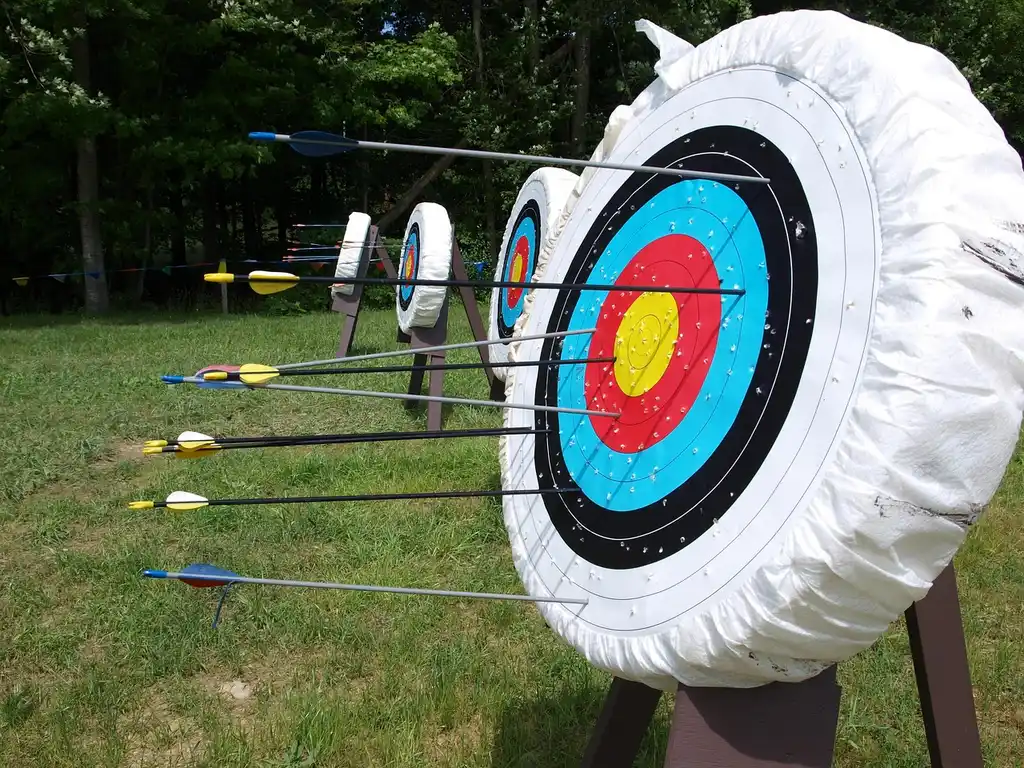
The main replacements are a hip quiver, field quiver, back quiver, shoulder quiver, arrow tube, and a tree stand bow holder paired with a separate arrow carrier. For target and 3D, a belt-mounted setup is usually easiest. For travel and practice, a rigid tube is safer.
Beginner buyers usually do best with the simplest belt or tube solution they will actually wear. Budget buyers should start with the least complicated option that matches the shooting venue, because extra pockets and quick-detach parts are only useful if the setup gets used.
Say your 3D course has steep walks between targets and you shoot a recurve. A field quiver is usually less annoying than a back quiver, because the arrows stay stable at the waist and are easier to grab without twisting the shoulders.
Arrow carry comparison table
| Setup | Arrow protection | Access speed | Noise risk | Sitting comfort | Brush snag risk | Who should avoid it |
|---|---|---|---|---|---|---|
| Field quiver | Moderate; arrows stay exposed | Fast | Low to moderate; depends on pocket hardware | Fair | Low to moderate | Archers who sit for long periods |
| Hip quiver | Moderate; open carry | Fast | Low | Poor in tight seats | Low | Hunters spending long time in a stand or blind |
| Back quiver | Low to moderate | Slow | Moderate | Poor in seated positions | High | Hunters moving through brush |
| Shoulder quiver | Moderate | Moderate | Low to moderate | Fair | Moderate | Archers who want the fastest possible access |
| Arrow tube | High | Slow | Low | Good when carried off the body | Low | Anyone needing quick shots on the move |
| Tree stand bow holder | None; it does not hold arrows | Not applicable | Low | Good for bow placement, not arrows | Low | Anyone expecting it to replace arrow carry |
| Belt pouch or small carrier | Low to moderate | Moderate | Low to moderate | Fair | Low | Archers who need long-arrow storage or hard protection |
| Pack-mounted tube | High | Slow | Low | Good while walking, poor for fast access | Low | Anyone who needs instant access at full draw |
Which one should you buy?
For target and 3D, start with a field quiver. For a recurve or longbow shooter who wants tradition first, a back quiver or shoulder quiver fits the style better, but it will be slower. For beginners, a hip quiver is usually the easiest first step.
For treestand or blind hunting, do not chase a classic look. A quiet arrow carrier plus a tree stand bow holder is the cleaner setup, because the bow stays secure and the arrows can be chosen for seated access. For budget buyers, a basic hip quiver or a simple arrow tube usually beats a fancy rig.
Do bow-mounted quivers affect balance? Yes. Bow-mounted quivers attach directly to the bow and keep arrows close for quick shots, but they also add weight to the bow and can shift the center of gravity toward the quiver side. That is fine for some hunters and annoying for others.
Do not pick by category name alone. A bow quiver may be popular for hunting, but a quiet belt carrier can be the better choice in a blind, and an arrow tube can be the better choice for transport or practice bags.
Picture a beginner with a 30-inch recurve walking a public range. A hip quiver is easier to manage than a back quiver, because it keeps the arrows at the waist and avoids shoulder reach on every shot. Now picture the same archer in a small blind. The hip setup becomes a nuisance.
Frequently asked questions
What can I use instead of a quiver for archery?
The most practical substitutes are a hip quiver, field quiver, back quiver, shoulder quiver, or an arrow tube. For hunting, a separate tree stand bow holder can help with the bow, but it does not carry arrows. The best substitute depends on access speed, noise, and whether you are seated.
Are hip quivers better than bow quivers?
Hip quivers are often better for target work, 3D rounds, and beginners because they are fast and easy to wear. Bow-mounted quivers are better when compact hunting carry matters and the arrows need to stay close to the bow. The tradeoff is weight on the bow and less freedom in the hand.
Is a back quiver practical for hunting?
Usually not as a first choice. A back quiver has large capacity and a traditional look, but it can snag on branches and slows arrow retrieval. It is better suited to traditional carry than to crawling, ducking, or working through heavy brush where a hunter needs fast, quiet access.
What is the best arrow holder for a recurve bow?
For a recurve, the answer depends on use. A hip quiver fits target shooting and casual field rounds. A back quiver or shoulder quiver fits traditional carry better. If the goal is transport or practice storage, an arrow tube is safer for the shafts and easier to pack away.
Can I hunt without keeping arrows on the bow?
Yes. Many hunters keep arrows in a separate carrier and use a bow holder in the stand or blind. That can reduce bulk on the bow and make seated movement easier. The important part is choosing a quiet carrier that does not rattle, snag, or force a long reach at the shot.
What should I look for in a quiet arrow carrier?
Look for low-profile construction, a secure arrow hold, and fewer loose parts that can tap against the bow, stand, or blind. For hunting, quiet often matters more than capacity. For range use, ease of access and belt stability matter more. Try the setup while sitting and while drawing.