Side Quiver vs Back Quiver for Target Archery: What’s Better?
For target archery, a side quiver is usually the better choice. Pick a back quiver only if movement freedom matters more than speed. On the line, faster nocking, cleaner posture, and an easy arrow count beat style. A poor quiver choice costs seconds, breaks shot rhythm, and can pull your shoulders or twist your torso under pressure. This guide compares side and back quivers on draw efficiency, posture, visibility, and practical use for recurve and compound shooters.
| Factor | Side Quiver | Back Quiver | Winner |
|---|---|---|---|
| Arrow access on the line | One-handed reach at the hip; arrows stay in view and are easy to sort. | Requires reaching over the shoulder; retrieval usually takes more movement. | Side Quiver |
| Posture under pressure | Lets the archer stay upright with less torso twist and less shoulder lift. | Can encourage bending, twisting, or a head turn that changes stance. | Side Quiver |
| Crowded target line use | Compact at the hip and easier to manage beside other archers. | Can sway or snag when turning in a tight line. | Side Quiver |
| Mobility off the line | Fine for walking, but less streamlined than a field-style carry. | More freedom while moving between ends or across open ground. | Back Quiver |
| Accessory carry | Often includes pockets, separators, and tube storage. | Usually carries fewer extras and relies more on the strap layout. | Side Quiver |
| Competition fit | Matches typical target-line expectations and club setups. | May be allowed, but is less practical and may face rule limits. | Side Quiver |
Target quiver
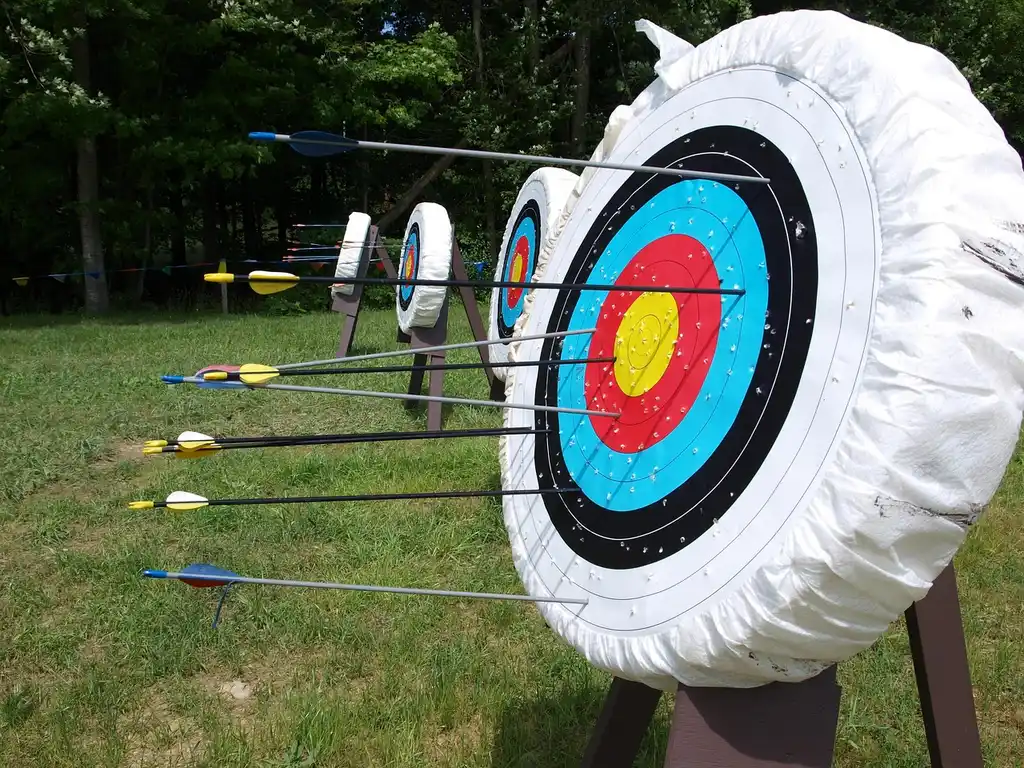
The trade-off is simple. Side quivers are built for fast, visible, low-interference arrow handling on a target line. Back quivers give more freedom while moving, which matters more on a field course, but that advantage usually fades on a static indoor or outdoor target line.
Arrow access speed
Side carry wins because the hand drops to the hip and finds the next shaft without a shoulder reach. Back carry needs a higher, less direct motion, and that extra movement becomes more obvious when the clock, crowding, or pressure starts to matter.
Comfort and posture
A side quiver usually leaves the torso and shoulders in a more neutral position. A back quiver can feel fine for walking, yet it often asks for a larger turn of the upper body during retrieval, which can change how the archer sets up the next shot.
Capacity and storage
Capacity should match the discipline, not just the maximum number the quiver can hold. Hip quivers commonly hold 10–14+ arrows, while back quivers can hold 20–25 in one guide, but a target archer may need fewer than that if the goal is quick counting and clean sorting rather than hauling spares.
Say your indoor round uses numbered arrows and you keep six shafts in the quiver, with two spares in a bow case. A side quiver makes the next arrow obvious at a glance. A deep back quiver can hide the count and make the order harder to confirm without extra head movement.
Bending and dump risk
Here is the failure mode many archers miss: bending at the waist to pick up a dropped tab, score sheet, or fallen arrow can tilt a back quiver enough to shift the bundle or spill a loose shaft. On a crowded line, that is more than a comfort issue; it interrupts the shot plan and can knock the rhythm out of the end.
Accessory carry
Target quivers often make the best use of pockets, separators, and tubes. That matters when you want a release aid, finger tab, scorecard, or small tools kept close. A back quiver can carry arrows well, but it usually gives up the neat, segmented layout that target archers use to keep gear sorted.
Target quiver comparison matrix
The comparison below covers the target-line decisions that change shot rhythm the most. Each row is framed around what happens in real use, not around style.
| Scenario | Side Quiver | Back Quiver | Yes/No recommendation | Rationale |
|---|---|---|---|---|
| Indoor line | Best fit | Acceptable, not ideal | Side Quiver: Yes | Static lanes reward visible arrows and short, repeatable hand movement. |
| Outdoor target | Best fit | Works, but slower | Side Quiver: Yes | Wind, distance, and scoring pressure favor quick, tidy access. |
| Beginner practice | Easier to learn | Harder to learn | Side Quiver: Yes | Beginners benefit from simple retrieval and fewer extra body motions. |
| Recurve | Strong match | Possible, but less efficient | Side Quiver: Yes | Recurve target form stays cleaner when the draw path is short and predictable. |
| Compound | Strong match | Possible, but uncommon | Side Quiver: Yes | Compound shooters also benefit from less movement between shots and easier arrow count checks. |
| Crowded club line | Better control | More snag and sway risk | Side Quiver: Yes | Hip carry stays closer to the body and interferes less with neighbors. |
| Mixed target/3D use | Good for target, less ideal for walking | Better walking carry | Back Quiver: Yes | If one quiver must cover both, the back option fits open ground better. |
| Arrow-counting | Easy to see and sort | Harder to count quickly | Side Quiver: Yes | Forward-leaning shafts and built-in tubes make the next arrow obvious. |
| Bending risk | Lower dump risk | Higher dump risk | Side Quiver: Yes | Bending from the waist can shift a back quiver and disturb loose arrows. |
| Accessory carry | Usually better equipped | Usually simpler | Side Quiver: Yes | Target quivers more often add pockets and separators for line gear. |
What is a side quiver?
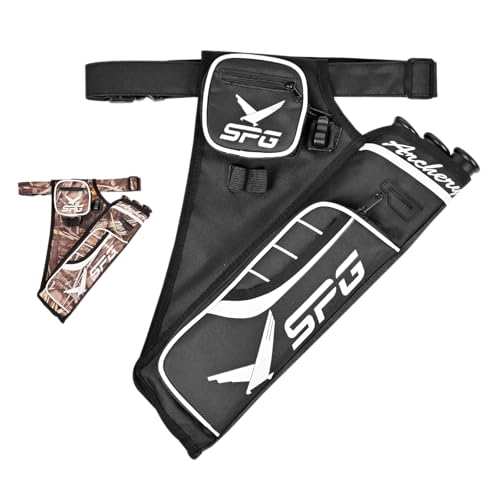
A side quiver, often called a hip quiver, is worn on a belt at the hip. In target archery it is the standard choice because the arrows sit in easy reach, with target models often leaning arrows forward and using three to four built-in plastic tubes to separate shafts and help sorting.
Target quiver layout
Target quivers are the hip quiver variant built for the line. They usually angle arrows forward, so the archer can see the shaft count, identify the next arrow, and reach with one hand without turning away from the target. That layout is why they are described as best for target archery and competitions.
Capacity and smaller versions
Hip quivers commonly hold 10–14+ arrows, though slimmer versions may carry 4–6. Smaller layouts make sense when the archer shoots short ends, uses numbered arrows, or wants less bulk at the hip; larger layouts fit longer practice sessions or added spares.
Attachment and stability
Side quivers usually use a belt clip or a belt loop. That simple attachment keeps the quiver stable when the body turns and makes the draw path consistent, which matters more in target shooting than in casual walking.
What is a back quiver?
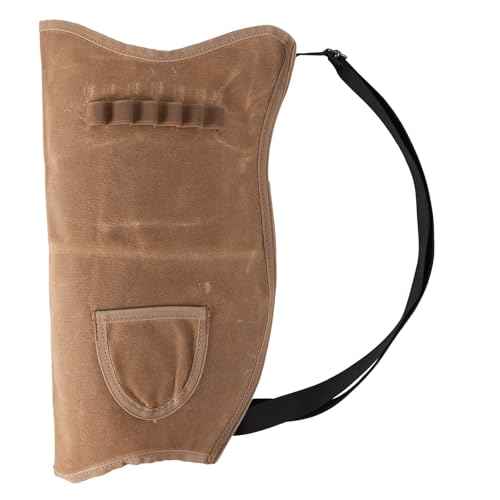
A back quiver is worn diagonally across the back and requires reaching over the shoulder for retrieval. It is popular with traditional archers and works best for hunters and those navigating open or lightly wooded areas, where movement freedom matters more than fast, repeated access.
Capacity and strap system
Back quivers often hold about 8–12 arrows, though some larger designs are reported to hold more. Many use a three-point strap system, which can help with stability, though that strap layout can still shift more than a hip quiver when the archer bends or twists.
Target, field, and 3D use
A back quiver fits field and 3D use better than static target work because the arrows sit out of the way while walking. Field quivers, by contrast, angle arrows backward and are often lighter and more compact, which is why they are favored when the shooter spends more time moving than standing still.
Is a side quiver better for target archery?
Yes. For target archery, a side quiver is usually the better tool because it preserves draw rhythm, keeps arrow count visible, and avoids the awkward shoulder reach that a back quiver demands. That difference matters most on a target line, where repetition and timing are the real performance factors.
Why access and visibility matter more than style
Why do target archers usually use a side quiver instead of a back quiver? Because the side carry keeps the next shaft in view and close to the hand. On a crowded line, that makes arrow sorting easier and reduces the chance of a messy draw that changes the next shot’s tempo.
A common first-timer mistake is picking a back quiver for indoor target night because it looks tidy from behind. Then the archer bends to score an arrow, the bundle shifts, and the next three shots start with extra shoulder movement that was never needed in the first place.
Posture, bending, and dump risk
Does a back quiver make it harder to bend down during archery? Often yes. Bending at the waist can cause the quiver to swing, tilt, or expose arrow nocks in a way that makes retrieval less controlled, while a hip quiver stays closer to the center of mass and is less likely to dump arrows during routine movement.
Can you use a back quiver in target competition?
Sometimes, yes, but it is usually a poor fit for pure target competition. Club rules may restrict back quivers, and even when they are allowed, the over-the-shoulder draw is still slower, less visible, and more awkward on a static line than a side quiver.
When it is acceptable
A back quiver can be acceptable in target competition when the event rules allow it, especially if a more traditional setup is preferred over speed. It also makes more sense for archers who split time between target and open-ground shooting and want one carry system for both.
When it becomes a bad fit
It becomes a bad fit when the line is crowded, the round is fast, or the archer needs to keep numbered arrows sorted without looking away from the target. In those settings, the shoulder draw and extra motion cost time without offering much in return.
Choose Side Quiver if… / Choose Back Quiver if…
Choose Side Quiver if you shoot indoor target, outdoor target, or club rounds where speed, visibility, and repeatable posture matter most. Choose Back Quiver if you split time with field or 3D, want freer movement while walking, and accept slower retrieval on a target line.
Choose side quiver if…
Choose it if you want fast one-handed access, easy arrow counting, and a setup that stays out of the way on a crowded target line. It is the better pick for recurve and compound target archers, for beginners who need simple handling, and for anyone who carries accessory tools at the belt.
Do not buy a side quiver if your main use is open-ground walking and you dislike having gear at the hip. It also becomes a poor choice if you want a carry style that does more to stay out of the way while moving between targets than while shooting them.
Choose back quiver if…
Choose it if you care more about movement freedom than shot-line speed, especially for field or 3D use where walking matters. It can work for target archery, but only when the slower shoulder reach and lower arrow visibility do not interfere with the shot process.
Do not buy a back quiver if you shoot mostly on a static target line, bend often to score or pick up gear, or need to keep arrow count obvious at a glance. That is where the style becomes acceptable at best, not optimal.
Frequently asked questions
Why do target archers usually use a side quiver instead of a back quiver?
Target archers usually choose a side quiver because it keeps arrows visible, speeds up retrieval, and lets the archer stay in a cleaner shooting posture. On a target line, those benefits matter more than the extra freedom a back quiver gives during walking.
Can you use a back quiver in target archery competition?
Sometimes you can, but club or event rules may restrict it. Even when allowed, a back quiver is usually less practical than a side quiver because it slows access, hides arrow count, and can shift more when the archer bends or turns.
How many arrows should a side quiver hold for target shooting?
A common target setup is enough capacity for the round plus a few spares, which often means a quiver in the 10–14+ range or a slimmer 4–6 arrow version for short ends. The right number depends on end length, spare policy, and whether the archer sorts numbered arrows.
Is a back quiver good for recurve archery?
It can be used with recurve gear, but it is usually not the best choice for target recurve. Recurve shooters on a target line tend to benefit more from a side quiver because it keeps the draw path shorter and the next arrow easier to control.
Which quiver is more comfortable for long target sessions?
For long target sessions on a static line, a side quiver is usually more comfortable because it avoids repeated shoulder reaches and keeps the load lower on the body. A back quiver may feel fine while walking, but that advantage shrinks once shooting starts.
What quiver is best for indoor target archery?
For indoor target archery, the best choice is usually a side quiver, preferably a target quiver with visible arrow separation and a stable belt attachment. Indoor shooting rewards quick access, low movement, and easy arrow sorting more than traditional carry style.