Bow Quiver vs Back Quiver: Pros and Cons
Bow Quiver is the better choice for most hunting situations, especially from a stand or blind, because it keeps arrows ready on the bow and shortens the path to a follow-up shot. Back Quiver fits open-ground traditional shooting and roving where keeping the bow free matters more than speed.
Choose Bow Quiver if you hunt from a stand, need fast arrow access, or shoot a compound; choose Back Quiver mainly for ground or roving traditional shooting where freer bow movement matters. Pick the wrong style, and you trade slower follow-up shots, more noise, and awkward balance at the exact moment you draw. Here’s how both quivers compare on noise, balance, arrow access, shooting positions, and the best use cases for each.
| Factor | Bow Quiver | Back Quiver | Winner |
|---|---|---|---|
| Access speed | Fast. Arrows stay on the bow, so the hand path is short. | Slower. The draw path reaches behind the shoulder. | Bow Quiver |
| Brush noise | Usually quieter if arrows and hood stay snug, but more parts ride on the bow. | Can be noisy when moving through brush and may snag on clothing or branches. | Bow Quiver |
| Bow balance | Adds weight and can add torque on lighter bows. | Adds nothing to the bow itself. | Back Quiver |
| Seated use | Good for treestands if kept on; detachable models can come off. | Poorer in tight seats because the quiver sits behind the archer. | Bow Quiver |
| Traditional fit | Best for hunting setups and compound users. | Better fit for traditional roving and casual practice. | Back Quiver |
Where arrows ride changes how you shoot
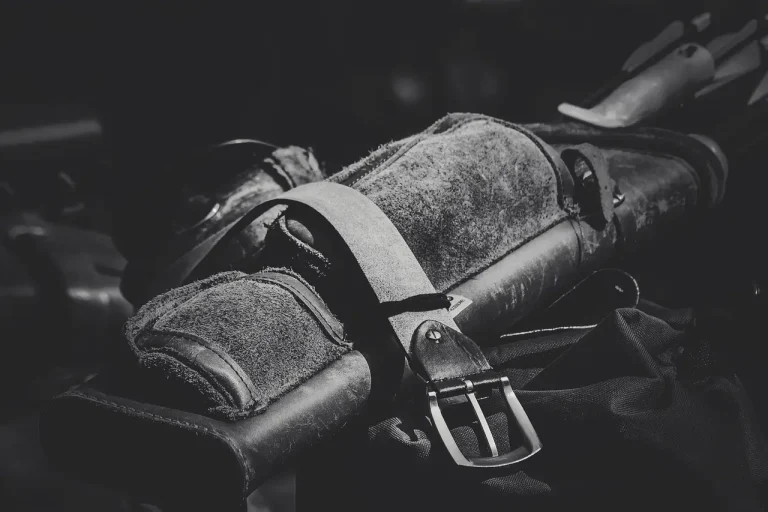
A quiver is a holder that carries arrows and protects points. The real split here is where the arrows ride and how that changes the shot. Bow-mounted quivers attach directly to your bow, while back quivers are worn over the shoulder and back, usually on the side opposite the drawing arm. Bow-mounted quivers are especially common with hunters and compound bow users.
That difference matters more than style preference. A quiver can change noise, balance, seat clearance, and how fast an arrow comes free under pressure. The four main types are bow-mounted, hip, back, and field/ground, and each one fits a different kind of movement.
Why shooting context matters more than style
The same quiver can fit one setting and fail in another. A setup that feels tidy on a walking course may be awkward in a treestand, and a setup that feels quick in a blind may feel heavy on a light recurve. The right choice comes from how you shoot, not from what looks traditional.
Say your hunt starts with a 10-yard shot from a stand and ends with a second chance at 18 yards. A bow-mounted quiver keeps the arrows with the bow and shortens the reach to the next arrow. A back quiver slows that second draw, especially if clothing, straps, or a pack sit in the way. That is the kind of field problem archery coaches and manufacturers alike warn about when they talk about retention, clearance, and easy access.
Quiver decision matrix
This matrix gives the practical call, not a fashion verdict. The scores use 1 to 5, with 5 meaning the best fit for that factor. The use case column points to the setup most likely to benefit from each quiver style.
| Criterion | Bow Quiver | Back Quiver | Winner | Best use case |
|---|---|---|---|---|
| Access speed | 5 | 2 | Bow Quiver | Treestand hunters, compound hunters, fast follow-up shots |
| Brush noise | 4 | 2 | Bow Quiver | Hunters moving through light cover |
| Bow balance | 2 | 5 | Back Quiver | Light recurve bows, roving, long carries |
| Seated use | 5 | 1 | Bow Quiver | Treestand hunters and seated blinds |
| Traditional fit | 3 | 5 | Back Quiver | Casual traditional shooters, ground practice, roving |
Access speed
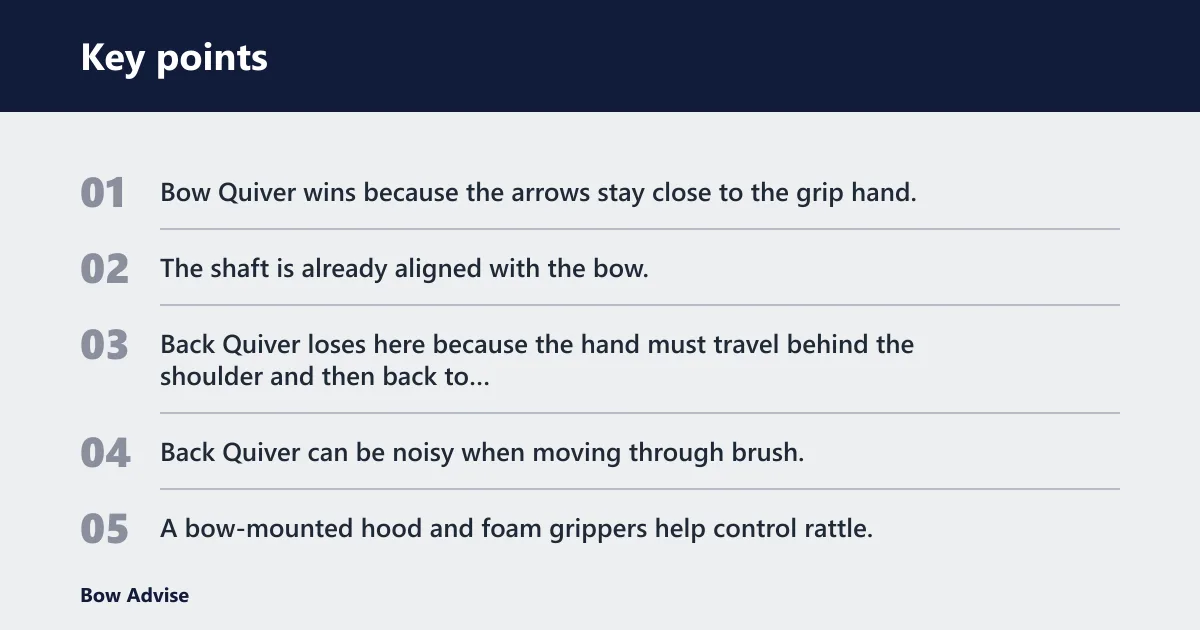
Bow Quiver wins because the arrows stay close to the grip hand. The shaft is already aligned with the bow, so the draw to the next arrow is short and predictable. Back Quiver loses here because the hand must travel behind the shoulder and then back to the bow.
Brush noise
Back Quiver can be noisy when moving through brush, especially if arrow shafts shift or broadheads touch fabric. A bow-mounted hood and foam grippers help control rattle, but they do not remove every sound. In thick cover, the bow-mounted setup is usually easier to keep quiet.
Bow balance
Back Quiver wins because it adds nothing to the bow itself. Bow Quiver adds weight and can change feel on a light riser, especially on a short or low-mass recurve. Rather than naming a single ounce figure, the important point is that added mass on the front of a lighter bow is more noticeable when you come to full draw and hold for several seconds.
Seated use
Bow Quiver is the stronger choice in a treestand because the arrows stay attached to the bow and remain reachable in a tight seat. A back quiver can be awkward when the tree, harness, seat pan, or pack blocks the shoulder path. A detachable mount makes the bow quiver even more adaptable.
Traditional fit
Back Quiver fits casual traditional shooting better because it keeps the bow free and preserves the clean feel many archers want during roving practice. That does not make it better for hunting. It only makes it better for movement, field comfort, and a more open bow hand.
Is a bow quiver better for hunting?
Yes, for most hunters, Bow Quiver is the better pick because it keeps arrows ready on the bow, shortens follow-up access, and suits seated or stand-based shots. Back Quiver can work for hunting, but it is slower and more likely to snag, so it fits a narrower set of field conditions.
When added weight becomes a problem
The tradeoff is weight and torque. Bow-mounted quivers attach directly to your bow, and that extra mass can change how a light bow settles at full draw. On heavier hunting compounds, that penalty is easier to ignore. On a light recurve, the same quiver can feel more noticeable and can shift balance enough to matter.
When a detachable mount makes sense
A detachable quiver can be a good choice for treestand hunters who want the bow to feel lighter at the shot or who prefer to remove the bulk once they are in position. It snaps off quickly, but it needs a place to hang after removal. If the hunt involves climbing, sitting, and a tight rest, a detachable setup is usually the cleanest option.
What are the drawbacks of a back quiver?
Back Quiver’s main drawbacks are slower access, more chance of snagging, and weaker performance in tight spaces. It can be fine for casual practice and roving, but it asks the archer to reach behind the body for every arrow, which is a poor match for fast hunting work.
Slower access and longer draw path
That longer path matters when the shot window is short. Reaching for an arrow behind the shoulder adds motion and can shift posture before the next shot. A bow-mounted setup keeps the arrows in front of the body, which is why hunting quivers are so often mounted on the bow.
Snag risk in brush and clothing
Back quivers can catch on branches, packs, jacket hoods, or seat backs. They also move more freely on the body, which can make them noisier in brush. For open ground or casual range use, that is often tolerable. For hunting, it is a real downside.
Picture a roving archer walking a narrow trail with a 20-inch pack and a back quiver full of shafts. Every turn of the shoulder can shift the arrows into the pack strap. That is not a tradition problem. It is a clearance problem.
How does quiver choice affect recurve bows?
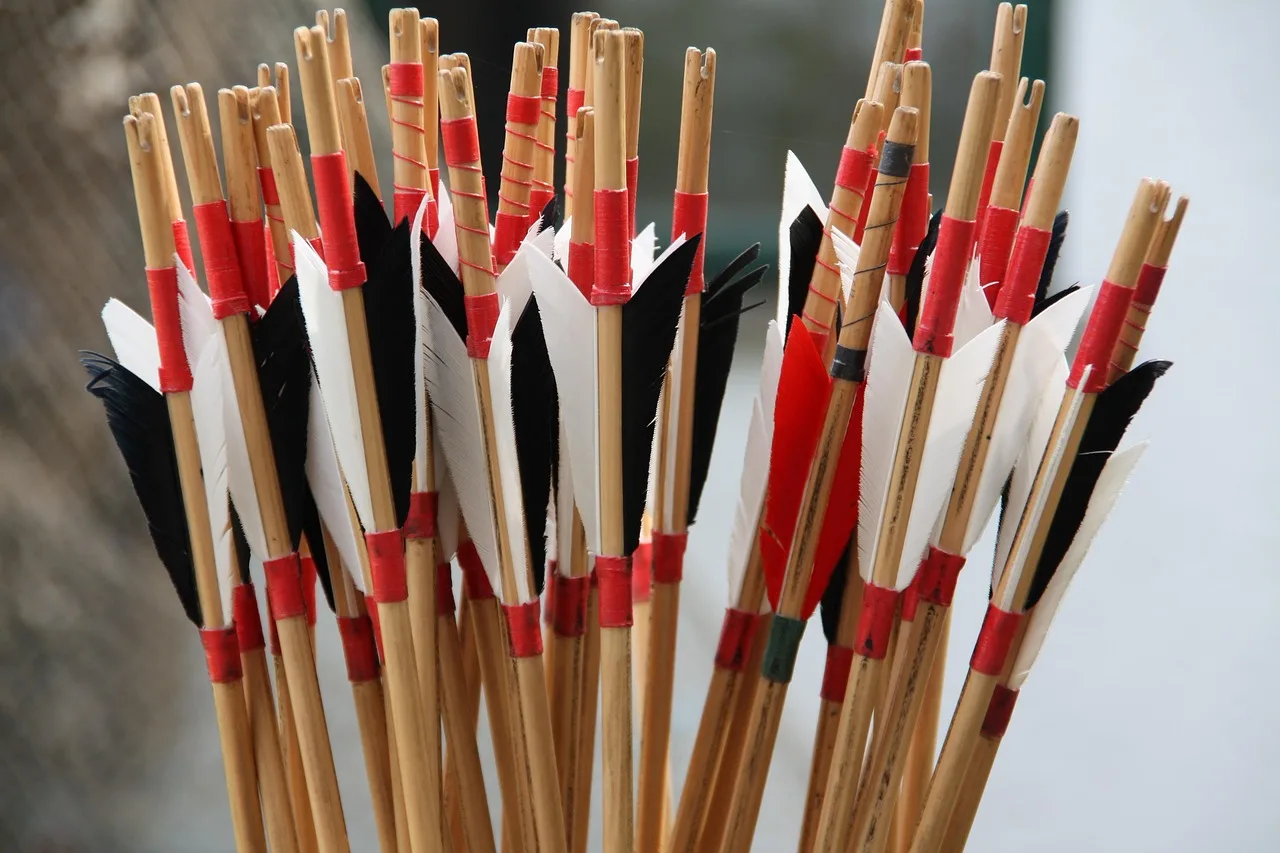
Recurve bows feel quiver weight more quickly than many hunters expect. A light riser changes character fast when a quiver adds mass out front. For that reason, recurve hunters should choose based on how much weight they can tolerate in the hand, whether the bow is used seated, and how many arrows they really carry.
Light risers and balance changes
Bow-mounted weight can be acceptable on some recurves, especially if the bow already has enough mass to settle well. On very light bows, though, the added front weight can pull the balance point forward and make the bow feel less lively. Back Quiver avoids that problem because it does not load the bow at all.
Arrow count that suits a recurve setup
Most bow-mounted quivers hold about 4 to 7 arrows, which is usually enough for hunting. Back quivers often carry 12 to 20 arrows, which is useful for practice or roving but not a hunting necessity. Quiver capacity should match the arrows you actually carry, not the biggest number printed on the listing.
A common first-timer mistake is buying a large quiver because the capacity sounds useful, then carrying only 4 arrows in the field. Extra slots add size and bulk without adding real value. If 4 arrows cover the hunt, buy for 4 to 6, not for a dozen or more.
When bow-mounted weight is acceptable
For recurve hunters, Bow Quiver is the better choice when seated in a blind, climbing into a stand, or moving through brush with a short hunting window. The added weight is acceptable if the bow still holds steady at full draw and the arrows remain easy to reach. If the bow feels nose-heavy or the shot feels cramped, back off the quiver size or switch to a back carry for practice only.
Hip and field quivers compared
Hip quivers and field quivers often get mixed up, but they do different jobs. A hip quiver hangs on the belt and gives easy and quick arrow access, while a field quiver angles the arrows backward and sits flatter while walking. Both keep weight off the bow, which is why target and 3D archery shooters use them so often.
Hip quiver basics
A hip quiver is the target and 3D archery standard. It keeps arrows close to the body, often includes pockets for accessories, and makes repeated arrow grabs fast. For a static shooting line, it is hard to beat.
Field quiver basics
Field quivers are designed with competitive archers in mind. The backward angle helps the quiver ride flatter while walking, and some models include pockets for accessories. That shape makes it distinct from a hip quiver even though both wear on the belt.
Why target and 3D shooters often prefer them
These belt-worn quivers keep weight off the bow and keep arrows ready for repeat shooting. That makes them well suited to target rounds, 3D courses, and field archery. For hunting, though, they leave points exposed and are not the first pick unless the setup is built for non-broadhead use.
Broadheads, retention, and capacity
Hunting quivers need more than carry space. They need secure retention, a hood over sharp points, and enough stiffness to keep shafts from bouncing.
Broadhead hood safety
A broadhead hood covers sharp broadheads and reduces the chance of contact with gear, skin, or brush. It also helps cut noise when the hood fits tightly. If the hood is loose, the quiver becomes louder and less safe at the same time.
Foam grippers and arrow rattle
Foam grippers hold the shaft and reduce rattling. They can pack down or wear out, so they are not a set-and-forget part. On some quivers they are replaceable, which matters for hunters who notice a shift in retention after repeated use. If the gripper no longer holds the same arrow firmly, that is a practical failure case, not a minor annoyance.
Picking a realistic quiver capacity
Capacity should reflect real carry need, not bragging rights. A 3- or 4-arrow setup is enough for many hunters, while some quivers hold a dozen or more for practice or roving. Bow-mounted models often sit in the 4 to 7 arrow range, and back quivers often carry 12 to 20 arrows because they are built around a different use case.
- Choose Bow Quiver if you hunt from a stand, sit in a blind, or want the fastest path to a follow-up shot.
- Choose Back Quiver if you rove, practice casually, or want the bow completely free of added weight.
- Choose a detachable bow quiver if you want hunting speed on the move and less weight once you are set in place.
- Choose a hip quiver for target and 3D shooting, where quick access matters more than broadhead carry.
- Choose a field quiver if you want a flatter ride while walking and need a belt-worn setup built for competition.
Choose Bow Quiver if…
Choose Bow Quiver if your priority is hunting speed, seated access, and broadhead-safe carry. It fits compound users especially well, and it is the better call for treestand hunters who do not want a shoulder-mounted arrow path or a quiver that catches on gear.


Choose Back Quiver if…
Choose Back Quiver if you want the bow free of added weight, shoot mostly ground or roving traditional practice, and do not need fast hunting access. It is workable for hunting in open settings, but its slower draw and higher snag risk make it a secondary choice for most bowhunters.
Frequently asked questions
Can you hunt with a back quiver?
Yes, but it is a limited-use hunting choice. Back Quiver can work in open ground or slow traditional setups, yet it is slower to access, more prone to brush noise, and less convenient in tight stands or blinds. For most hunting, a bow-mounted quiver is the better field tool.
What are the pros and cons of a back quiver?
The main pros are large arrow capacity and the fact that it adds nothing to the bow itself. The main cons are slower access and a higher chance of noise or snagging in brush. It is fine for casual practice, but that does not make it the best hunting option.
Does a bow-mounted quiver affect bow balance?
Yes. Bow Quiver adds weight and can change torque, especially on lighter bows. That penalty is easier to ignore on many hunting compounds, but recurve shooters often feel it sooner. If the bow starts to feel nose-heavy or awkward at full draw, the quiver is part of the cause.
Which quiver is best for recurve bows?
For recurve bows, the best choice depends on the job. Bow Quiver is better for hunting and seated use, while Back Quiver is better for roving, open movement, and keeping the bow itself light. If the recurve is a light riser, balance should weigh heavily in the decision.
Should I use a detachable quiver or keep it on the bow?
Use a detachable quiver if you hunt from a stand or want to remove weight after settling in. Keep it on the bow if you need instant access the whole hunt and do not want to manage another piece of gear. Either way, broadheads still need a secure hood and firm retention.
What quiver is best for beginners who shoot recurve or compound?
Beginners who shoot compound should usually start with Bow Quiver because it matches hunting use and keeps the system simple. Beginners with recurve bows should choose based on whether they hunt or practice more often. If the goal is target work, a hip or field quiver is often the cleaner starting point.