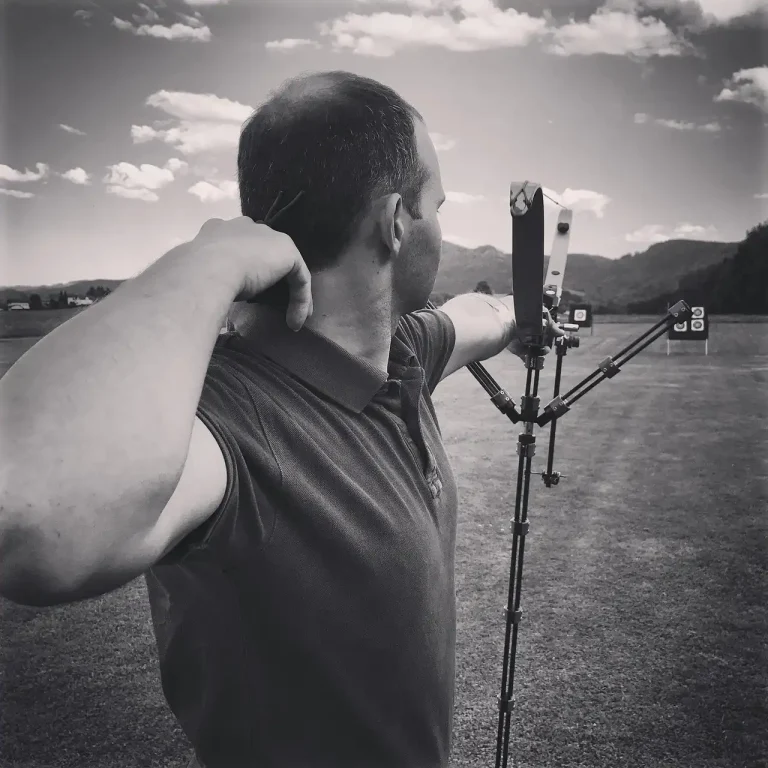
DIY Archery Gifts: Handmade Ideas for Archers
The safest DIY archery gifts are small, non-structural items: finger tabs, bow socks, arrow wraps, quivers, and bow slings, because anything that changes draw weight, limb alignment, or string life should stay off the gift list. Bad handmade gear can damage equipment, throw off the shot, or create avoidable safety problems. This guide covers practical DIY archery gifts for bowhunters and target archers, with simple materials, low-risk builds, and clear use cases.
Why archery gifts are hard to make


Archery gear depends on fit. Bows are handed and sized, arrows are spined, and draw weight is a safety number, so a gift that looks useful can still miss the mark if the setup is unknown. That is why accessories that do not depend on those specs are the safer path when the recipient’s bow details are not confirmed.
Handedness, draw length, and draw weight matter
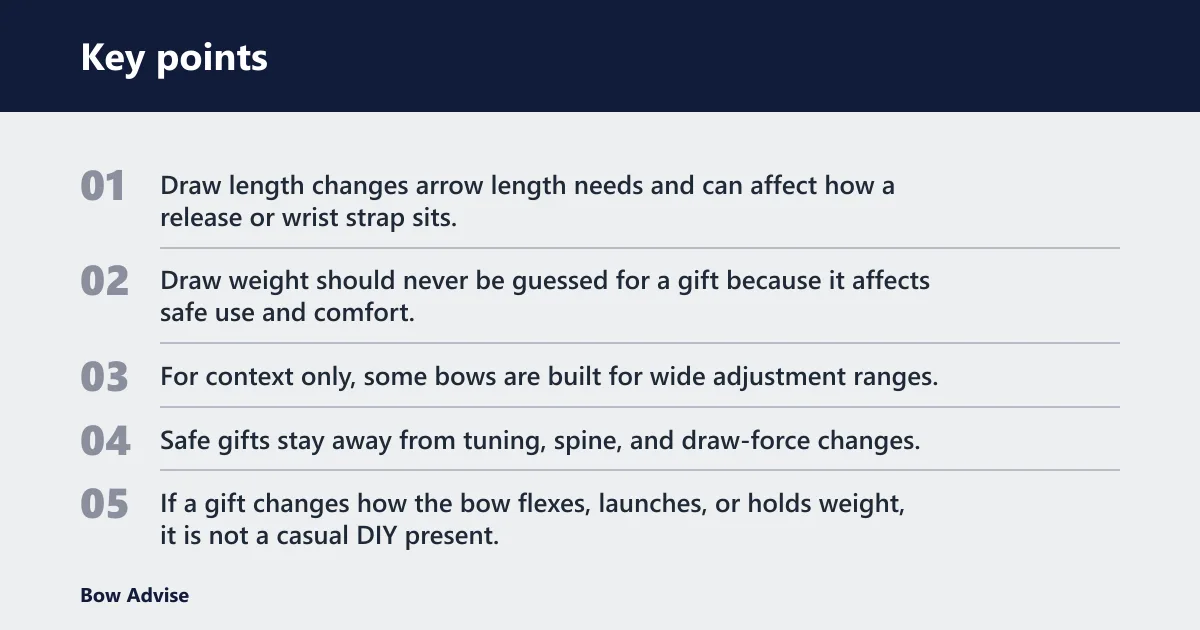
Right-hand and left-hand fit matters for releases, rests, some quivers, and any accessory that sits on the bow side of the shot. Draw length changes arrow length needs and can affect how a release or wrist strap sits. Draw weight should never be guessed for a gift because it affects safe use and comfort.
For context only, some bows are built for wide adjustment ranges. ArcherySetup lists a Genesis Original Compound Bow with a 15 to 30 inches draw range, and the Bear Cruzer G4 with 10 to 70 lb draw weight and 14 to 30 inch draw length. Those ranges show why guessing is risky.
Why some handmade gifts are safe and others are not
Safe gifts stay away from tuning, spine, and draw-force changes. Unsafe handmade gifts include improvised arrow parts, homemade rests, string changes, and anything that touches cam timing or paper tune. If a gift changes how the bow flexes, launches, or holds weight, it is not a casual DIY present.
What to ask before you make anything
The first questions should be about fit, use, and season. Ask whether the recipient shoots right-hand or left-hand, what draw length and draw weight the bow uses, and whether the gift is meant for tree-stand hunting, backcountry travel, or indoor target work. That keeps the project useful and lowers fit risk.
- Confirm handedness. Ask whether the shooter uses a right-hand or left-hand bow setup. This matters for releases, rests, bow-mounted accessories, and some quivers, because the wrong side can be awkward or unusable.
- Check draw length. If the gift depends on bow fit, measure first or ask for the exact setting. Draw length affects arrow and accessory fit, and some adjustable bows cover wide ranges, such as 14 to 30 inches on the Bear Cruzer G4.
- Ask about draw weight. Do not guess here. A beginner setup and a hunting setup are often very different, and draw weight affects what the archer can safely hold and shoot.
- Learn the discipline. Bowhunters often need field carry, weather protection, and quiet storage. Target archers often want bench organization, clean transport, and range convenience.
- Check cold-weather use. Gloves or handmuffs need to stay thin enough for release use. Tree-stand hunting calls for different bulk and warmth than a stationary target line.
Say a shooter uses a right-hand bow and a buckle-strap release. A left-hand wrist sling or a bulky glove can still be a bad fit if it interferes with the trigger hand. The safest path is to keep the gift off the shot path unless the setup is confirmed.
Archery gifts matrix
This matrix favors handmade items that are useful without touching tuning, spine-sensitive parts, or cam setup. Cost and time are practical maker estimates, not price guarantees. Fit-risk stays low only when the item does not depend on handedness, draw length, or draw weight.
| Handmade idea | Best for | Cost | Skill | Time to make | Usefulness: bowhunter | Usefulness: target archer | Fit-risk level | What not to customize |
|---|---|---|---|---|---|---|---|---|
| Bow sock with drawstring | Both | Low | Easy | 30 to 60 min | High | Medium | Low | Do not add thick seams near cams or string loops. |
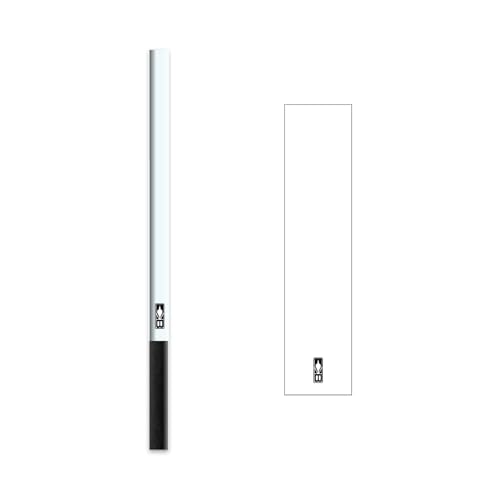
| Arrow tube wrap and label band | Both | Low | Easy | 20 to 40 min | Medium | High | Low | Do not alter arrow shafts or spine marks. |
| Quiver storage pouch | Both | Low | Easy | 45 to 75 min | Medium | Medium | Low | Do not change quiver mounting points. |
| Bow sling with quiet lining | Bowhunter | Low | Medium | 45 to 90 min | High | Low | Medium | Do not cover grip texture or hand position. |
| Tree-stand bow hook wrap | Bowhunter | Low | Easy | 20 to 30 min | High | Low | Low | Do not change hook shape or load rating. |
| Hand muff liner insert | Bowhunter | Low | Easy | 30 to 45 min | High | Low | Low | Do not make the hand opening too tight for release use. |
| Range day gear roll | Target archer | Low | Medium | 60 to 90 min | Low | High | Low | Do not add pockets that press on nocks or tips. |
| Scorecard clipboard sleeve | Target archer | Low | Easy | 30 to 45 min | Low | Medium | Low | Do not make it bulky enough to snag a bow case. |
| Bow stand carry pouch | Target archer | Low | Easy | 25 to 40 min | Low | High | Low | Do not change leg fit or stability. |
| Case tag and ID panel | Both | Low | Easy | 15 to 30 min | Medium | Medium | Low | Do not stitch through structural padding. |
| Glove organizer insert | Both | Low | Easy | 20 to 35 min | Medium | Medium | Low | Do not make finger seams that affect release use. |
| Tool pouch for string wax and nocks | Both | Low | Easy | 20 to 30 min | Medium | High | Low | Do not store loose parts that can damage arrows. |
Handmade gifts for bowhunters
Bowhunter gifts should help with transport, tree-stand use, quiet carry, and cold weather. The best handmade options are the ones that make field time easier without touching bow tune or string timing. A good bowhunter gift usually improves access, storage, or comfort.
Tree-stand carry and storage ideas
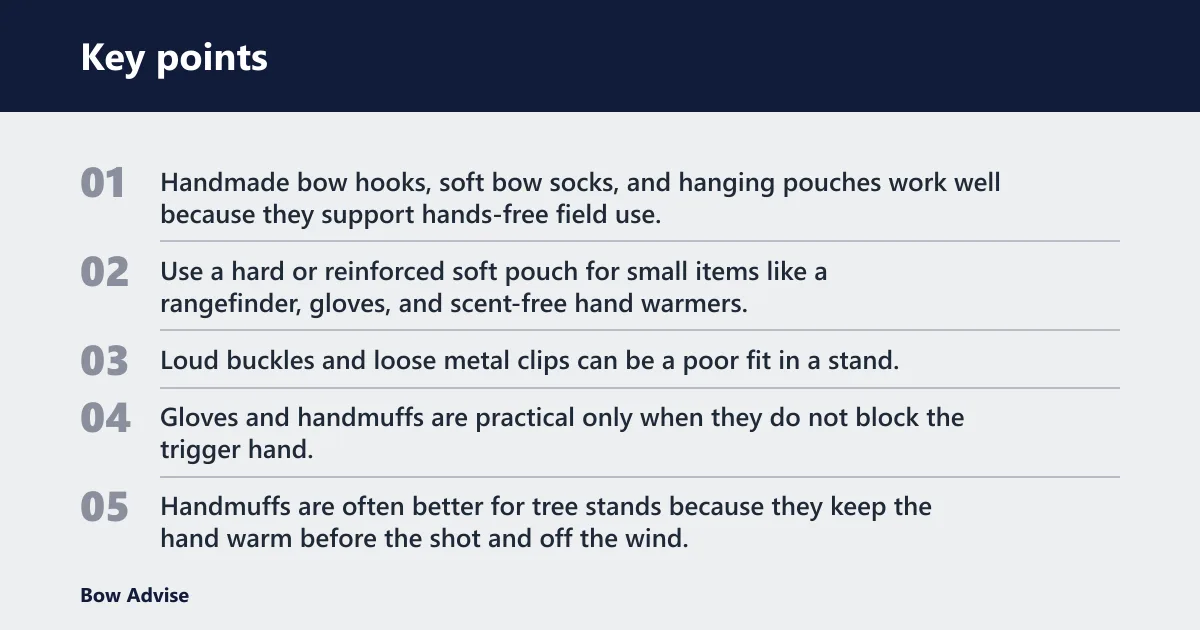
Handmade bow hooks, soft bow socks, and hanging pouches work well because they support hands-free field use. Man Makes Fire lists the Neet Bow Hook as a bowhunting gift for hanging a bow hands-free, which points to a simple need: keep the bow secure and close, then get it out of brush and mud.
Use a hard or reinforced soft pouch for small items like a rangefinder, gloves, and scent-free hand warmers. Keep it quiet. Loud buckles and loose metal clips can be a poor fit in a stand.
Cold-weather accessories that stay thin enough for release use
Gloves and handmuffs are practical only when they do not block the trigger hand. Thin material matters for release use, especially with a buckle-strap release or a release that needs a clean finger path. Handmuffs are often better for tree stands because they keep the hand warm before the shot and off the wind.
Do not add thick palm padding to the trigger side. That can make the grip clumsy and slow. A thin liner with a quiet outer shell is the safer build.
Field-use add-ons that do not touch tuning
A bow sling, quiet case tag, or storage sleeve can be personalized with color, initials, or a small patch. That keeps the gift useful while leaving the bow itself alone. A full body bowhunter harness is a purchased safety item, not a DIY part; Blaze & Budget lists the Hunter Safety System X-1 as a full body bowhunter harness.
Handmade gifts for target archers

Target archers usually need organization, range convenience, and clean storage more than field carry. Handmade gifts should support those needs without touching arrow spine, rest setup, or release fit. A bench-friendly gift is often better than a decorative one.
Range and practice accessories
A range gear roll, scorecard sleeve, or string-wax pouch is useful because it keeps small items together. Target archers often move between lanes, so a tidy kit saves time and reduces lost parts. These items work with nearly any bow model.
Range accessories should stay light and compact. A bulky organizer can be annoying in a crowded practice bag, even if it looks well made.
Storage, organization, and bow protection
A bow case is one of the safer gift categories because it is protective storage rather than a fit-critical part. The Archery Expert lists a Plano bow case as a protective gift option. Hard cases protect better during transport, while soft cases are lighter and easier to carry. Cam protection matters in both styles.
For a shooter who travels to leagues or clubs, a case tag or labeled pocket can be the most useful handmade add-on. It helps identify the case without changing any shooting setup.
Useful gifts that avoid spine-sensitive parts
Do not make arrows for someone unless spine, draw length, and draw weight are confirmed. Blaze & Budget lists a Gold Tip Hunter arrow in 400 spine, sold as a 6-pack, which shows how specific even one arrow choice can be. The wrong spine can make a gift unusable.
Suppose a target archer uses a 400 spine setup and a gift arrives in a different spine class. The arrows may look fine in a tube, but they may not tune correctly for that bow. That turns a thoughtful present into spare parts.
What not to customize
Skip anything that changes tuning, fit, or safety unless the exact setup is known. That includes arrows, rests, releases, and any homemade piece that touches cams, strings, or limb alignment. A good-looking custom part can still be a bad gift if it affects how the bow shoots.
Arrows, spine, and shaft length
Arrow gifts are only safe when the archer’s draw length, draw weight, and spine choice are confirmed. Many guides note that arrows are spined for a reason. A shaft that is too stiff or too weak can shoot poorly, and in some setups it can be unsafe.
Do not guess on arrow length either. A cut shaft may be wrong even before broadhead or point choice enters the picture.
Releases, rests, and other fit-dependent gear
Release aids and arrow rests are tempting gift ideas because they are popular, but they are highly setup-specific. The Scott Archery Talon bow release uses a buckle strap and adjustable trigger, and the Archery Expert says the Trophy Ridge Sync Drop Away arrow rest has a drop-away design and full containment. Those features are useful, but they still need the right hand fit and bow fit.
Tool-less adjustment on a rest sounds convenient, yet it does not erase fit risk. If the recipient’s bow side, draw length, or shot style is unknown, leave these parts out.
Decor that can interfere with grip or clearance
Decorative wraps, stiff patches, and thick handle covers can change grip feel or clearance. Keep personalization away from the grip face, string path, and cam area. If a decorative item could snag clothing, block the release hand, or contact the string, it should be removed from the design.
How to personalize without changing performance
Personalization is safest when it stays on storage, labels, color, and weather resistance. That means initials, color coding, zipper pulls, name tags, and quiet fabric choices are fair game. It also means leaving the bow, arrows, and release setup alone unless the fit is confirmed.
- Choose a non-contact spot. Put names, patches, or colors on the case, pouch, or strap, not on the grip, string, cam area, or arrow shaft. That keeps the look without affecting shot behavior.
- Use soft, quiet materials. Favor fleece, felt, waxed canvas, or padded fabric for field gifts. These materials cut noise and usually hold up well in cold weather and transport.
- Keep labels simple. Mark compartments for gloves, wax, nocks, or range cards. Clear labels help the gift work faster without changing the bow setup.
- Leave tuning parts plain. Do not engrave, paint, or glue anything onto rests, releases, limb pockets, or arrows. Those parts affect the shot and should remain spec-clean.
A common first-timer mistake is to engrave the quiver instead of the bow sleeve, turning a practical gift into a mismatched keepsake. A bow sling with a stitched name is fine; a painted rest mount is not. The first is storage and carry. The second can affect fit or maintenance.
Frequently asked questions
What are some DIY archery gifts I can make for a bowhunter?
Good bowhunter gifts include a bow sock, tree-stand bow hook wrap, hand muff liner, quiet sling, and a small storage pouch for gloves or a rangefinder. These items help with carry, warmth, and access. They also stay away from tuning, handedness-specific parts, and arrow fit.
What handmade archery gifts are actually useful for archers?
The most useful handmade gifts are the ones that solve storage, transport, or weather problems. Case tags, gear rolls, bow socks, arrow tube wraps, and glove organizers work for many archers. They do not depend on arrow spine or draw weight, so they are safer than bow parts.
How do I make a safe archery gift without buying bow-specific parts?
Stick to accessories that never touch the bow’s tuning or launch system. Use fabric, stitching, labels, and quiet closures for storage or carry items. Avoid anything that changes cam timing, limb alignment, string life, or release fit. If you cannot confirm handedness, keep the gift generic.
What can I make for an archer under $25?
Under $25, a bow sock, case label, string-wax pouch, glove organizer, or arrow tube wrap is realistic. Materials matter more than complexity here. Keep the design simple and soft, and focus on useful storage rather than decorative pieces that add bulk or interfere with gear.
What DIY gift is best for a compound bow shooter?
A compound shooter usually benefits most from a case, gear roll, or storage sleeve, because those gifts protect the bow and organize small items without touching setup. If the exact bow is unknown, stay away from rests, releases, and arrows. Those items need confirmed handedness and fit.
What handmade gift works for both bowhunters and target archers?
A bow sock, case tag, arrow tube wrap, or small tool pouch works well for both groups. These gifts help with storage, identification, and transport. They are low risk because they do not depend on draw length, draw weight, or arrow spine.