How to Measure Bow Size for Hunting vs Target Shooting
For recurves, a 27–29-inch draw often points to a 58–62-inch hunting bow and a 66–70-inch target bow; for compounds, choose shorter axle-to-axle for hunting and longer for target steadiness. Pick poorly and you can get finger pinch, worse tuning, extra noise, or a bow that feels twitchy in the field and unstable at full draw. This guide compares both setups by draw length, shooting goals, and the size ranges that fit each use.
| Decision factor | How to Measure Bow Size for Hunting | Target Shooting | Winner |
|---|---|---|---|
| Maneuverability | Shorter, easier to move in blinds, tree stands, and tight field positions | Less convenient in cramped spaces, but less of a concern on a range | How to Measure Bow Size for Hunting |
| Stability at full draw | Good enough for field use, but usually less steady than a longer setup | More stable and easier to hold still than a shorter bow | Target Shooting |
| Anchor comfort and string angle | Shorter limbs can create a steeper string angle and a cramped anchor at longer draw lengths | Longer bows usually open the string angle and feel calmer at anchor | Target Shooting |
| Speed and compact carry | Shorter bows are almost always faster than a similar draw weight longer bow and easier to carry in the field | Speed matters less than repeatable hold and form | How to Measure Bow Size for Hunting |
| Best fit for discipline | Built around stealth, power, and handling | Built around precision, control, and a steady aiming picture | Tie |
Why hunting bows are shorter and target bows are longer
Bow size follows the job. Hunting bows are usually shorter because the shooter may need to draw in a blind, rotate inside a tree stand, or keep limbs clear of brush. Target bows are usually longer because a steadier hold and cleaner anchor matter more than compact carry.
That split applies to both recurve and compound bows, but the measurement language changes. Recurves are measured by total bow length, while compounds are compared by axle-to-axle length. Treating those as the same thing leads to bad size comparisons.
Maneuverability for hunting
Shorter hunting bows help when space is limited. They are easier to move through a stand rail, easier to settle in a blind window, and less likely to snag when position changes fast. Most hunting bows are 4” -8” shorter than a target bow.
Stability for target shooting
Longer target bows are steadier and easier to hold still than a shorter bow. That extra length helps the sight picture settle and can make the anchor feel less cramped. On a range, that steadiness usually matters more than compact size.
How to measure your draw length
Draw length comes first because it drives bow fit. Most adult archers have a draw length between 26 and 30 inches, but the right number should still be checked on the actual bow. A common starting point is a wingspan estimate, then a close check at full draw.
Nocking point to anchor method
A slight bend at the elbow is recommended at full draw, and that small bend affects the final fit. For example, a 29-inch draw length may end up ideally at 28.5 inches.
Wingspan method as a quick estimate
A quick estimate is to divide wingspan by 2.5. That number is not the final answer, but it gives a useful starting point before the bow is checked in hand. The key is whether the archer reaches anchor without feeling crushed or stretched.
Why draw length matters before bow length
Draw length changes how a bow feels at full draw. A bow that fits one archer well can feel cramped or awkward for another archer with a different draw length. On compounds, most bows require a bow press to change the draw length, so the starting size should already be close.
- Estimate draw length with wingspan divided by 2.5.
- Check anchor position and elbow bend at full draw.
- Match the bow to the discipline first: hunting or target.
- Confirm whether the bow feels smooth, steady, and manageable at anchor.
- Watch for stacking, cramped string angle, or an awkward hold.
Bow length basics for recurve bows
For recurves and traditional bows, length means total bow length. Recurve bows are typically measured by their length, which ranges from 56 inches to 72 inches. That range is broad enough to cover compact hunting setups and longer target setups.
A longer bow puts less stress on the limbs than a shorter bow. That can matter when the draw length is on the long side or when the shooter wants a calmer hold at anchor.
Shorter recurve bows in the field
Shorter recurve bows are easier to move in the field. They suit hunters who need a compact bow for close quarters or awkward angles. The tradeoff is a steeper string angle at full draw, which can make the anchor feel tighter and may increase the chance of stacking.
Longer recurve bows for steadier aim
Longer recurve bows are steadier to hold. They also tend to feel smoother through the draw cycle when the shooter has a longer draw length. For target work, that stability often matters more than the extra length.
Axle-to-axle length for compound bows
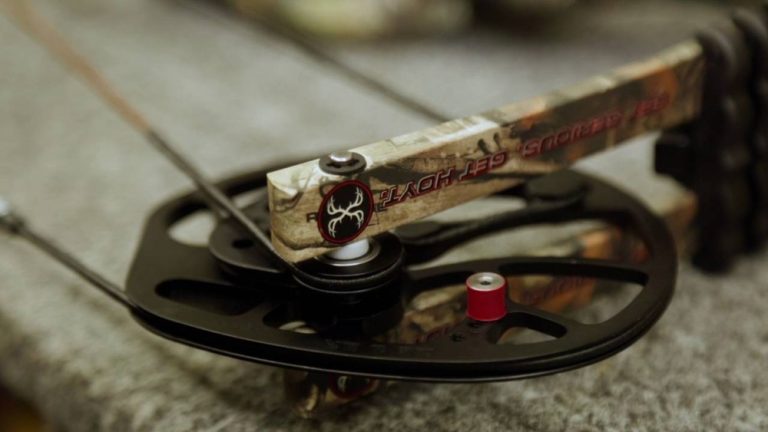
Compound bows are measured by axle-to-axle length, typically 29 inches to 37 inches. That is the main size number used to compare hunting and target compounds. Shorter compounds usually suit field movement; longer compounds usually suit steadier aiming.
Shorter bows are almost always faster than a similar draw weight longer bow. That speed can help in hunting, but it should not come at the cost of a cramped hold or hard-to-manage string angle.
Common hunting compound ranges
Hunting compounds usually sit toward the shorter end of the range. They are easier to carry and easier to turn inside a stand or blind. A hunter with a 27- to 29-inch draw will often find a shorter axle-to-axle bow more manageable, provided the anchor still feels open enough.
Common target compound ranges
Target compounds usually sit toward the longer end of the range. The extra length helps the bow settle during aiming and can make the release feel less rushed. For shooters who want repeatable hold and a calm pin picture, longer axle-to-axle lengths usually fit better.
Does a shorter bow work better for hunting?
A shorter bow often works better for hunting because it moves more easily in tight spaces and usually feels quicker on target. That said, short is only good when it still fits the shooter’s draw length. If the bow gets too short, comfort and tuning start to suffer.
Where short bows help
Short hunting bows make sense in blinds, tree stands, and brushy setups. They also help with carry and handling when the archer needs to pivot without hitting limbs or railings. For many field shots, that compact feel is a real advantage.
When short bows become too short
Short bows become a problem when the draw length is long enough to force a cramped anchor or a steep string angle. That is where stacking can show up. Stacking means the bow no longer pulls smooth and even, and it is a clear warning sign that the bow is too short for the shooter’s draw length.
Signs of cramped full-draw fit
Warning signs include a face that feels crowded at anchor, a string angle that presses hard into the fingers or face, and a draw cycle that gets harsh near the end. If the bow feels twitchy at full draw or the anchor shifts every shot, the size may be wrong even if the draw weight is manageable.
Say your draw length is 30 inches and you buy a very short hunting recurve because it looks handy in the woods. The bow may feel fine halfway back, then get harsh and crowded at full draw. That is a size problem, not just a strength problem.
Is a longer bow better for target shooting?
A longer bow is usually better for target shooting because it is steadier and easier to hold still. It gives the archer more room at anchor and usually reduces the cramped feeling that can show up on shorter bows. For precision, that extra calm matters.
Why longer bows hold steadier
Longer bows spread the working length over more inches, which often makes the hold feel less nervous. That steadiness can help the archer keep the sight or anchor picture from drifting as much. For target work, that added control is often worth the extra size.
Anchor comfort and string angle
Shorter bows create a steeper string angle at full draw. That can make a clean anchor harder to repeat and may affect arrow clearance, especially for archers with longer draw lengths. A longer bow usually opens that angle and gives more comfortable room at the face.
When a long bow becomes awkward
A bow can be too long for some field setups. If it becomes hard to maneuver, catches on clothing, or feels slow to move on target, the extra length is working against the shooter. Target archers can accept more length, but even they need a bow that feels balanced in hand.
Picture a target archer with a 28.5-inch draw moving from a compact recurve to a longer one in the 66- to 70-inch range. The anchor often feels less crowded, and the bow settles more cleanly at full draw. That is the kind of change target shooters are usually after.
Hunting vs target bow size selector
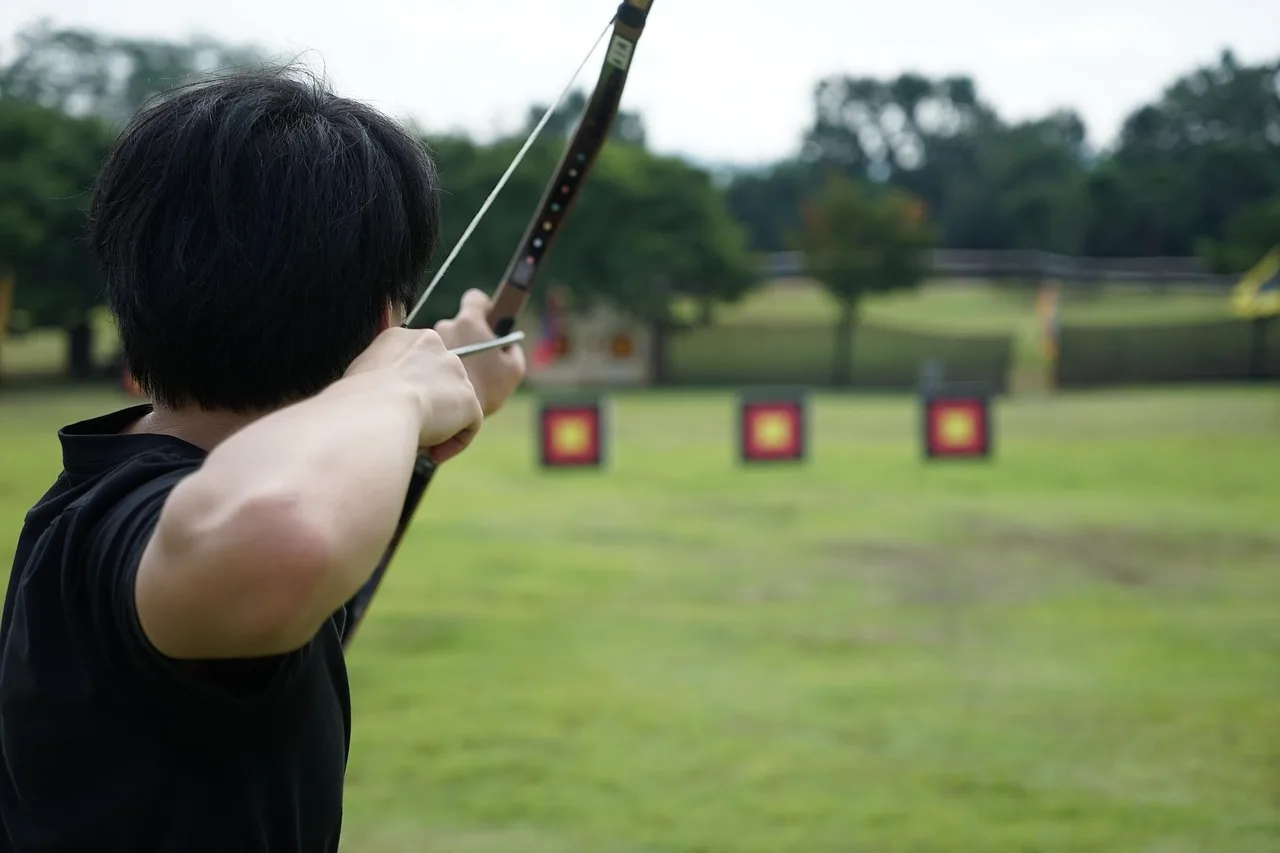
This selector uses draw length first, then separates recurve and compound choices by discipline. The goal is not to force one exact size. It is to show when the same draw length points toward different bow lengths because the shooter values maneuverability or stability more.
| Draw length band | Recommended recurve length | Recommended compound axle-to-axle range | Why it fits | Warning signs if the bow is too short or too long |
|---|---|---|---|---|
| 26 inches to 27 inches | 58 inches to 60 inches for hunting; 62 inches to 66 inches for target | 29 inches to 31 inches for hunting; 31 inches to 34 inches for target | Shorter hunting sizes stay handy; longer target sizes add hold stability | Too short: stacking, tight anchor, steep string angle. Too long: awkward carry and slower movement in tight spaces. |
| 27 inches to 29 inches | 58 inches to 62 inches for hunting; 66 inches to 70 inches for target | 30 inches to 33 inches for hunting; 33 inches to 36 inches for target | Common adult draw range; both disciplines can fit well if the bow matches the goal | Too short: harsh end of draw and cramped face fit. Too long: more bulk than needed for hunting positions. |
| 29 inches to 30 inches | 60 inches to 64 inches for hunting; 68 inches to 72 inches for target | 32 inches to 35 inches for hunting; 34 inches to 37 inches for target | Longer draw lengths usually benefit from extra bow length and a more open string angle | Too short: stacking and finger pinch are more likely. Too long: the bow can feel unwieldy for field movement. |
How to read the selector
Start with the draw length band, then choose the discipline. If the bow will be used mostly in the field, lean toward the shorter hunting option within the range. If the bow will live on the range, lean toward the longer target option within the range.
Draw weight still matters, but it comes after fit. A bow with the right draw weight but the wrong length can still feel hard to hold, hard to anchor, or hard to control.
How draw weight fits into bow size
Draw weight matters more for hunters than target shooters, according to the NRA article. That is because hunters need enough power for the job, but they also need a bow that stays controllable in real field positions. If the bow size is wrong, even a reasonable draw weight can feel harder to manage.
Do not use draw weight as the first sizing input. First get the length right for the draw length and discipline, then choose a draw weight the shooter can hold, aim, and release without strain.
Choose How to Measure bow Size for Hunting if…
Choose How to Measure Bow Size for Hunting if the bow must move easily in a blind, tree stand, or tight field setup. It is also the better pick if compact carry, quicker movement, and easier handling matter more than maximum steadiness at full draw.


Choose Target Shooting if…
Choose Target Shooting if the priority is a steadier hold, a more open string angle, and a calmer anchor. It is the better pick for archers who want repeatable form on the line and who can accept extra length for better control.
Frequently asked questions
What bow size should I get for hunting vs target shooting?
For hunting, choose the shorter size that still fits your draw length and keeps the bow easy to move in the field. For target shooting, choose the longer size that gives a steadier hold and a more comfortable anchor. The same draw length can point to different bow sizes because the goal changes.
How do I match bow length to my draw length?
Start with draw length, either from the nocking point to anchor method or by using wingspan divided by 2.5 as an estimate. Then check the bow at full draw. If the anchor feels crowded or the bow stacks, the length is likely too short for that archer.
What axle-to-axle length is best for a compound hunting bow?
A compound hunting bow is usually better when it is shorter than a target compound, often somewhere inside the common 29 inches to 37 inches range. The right choice depends on how much maneuverability the shooter needs. Shorter helps in the field, but not if the string angle gets too steep.
What bow length is best for a recurve target bow?
A recurve target bow is usually longer than a hunting recurve because steadiness matters more than compact carry. Many archers with adult draw lengths do better with a longer recurve in the 66-inch to 70-inch neighborhood, though the final choice should still match the shooter’s draw and anchor comfort.
How do I know if my bow is too short or too long?
A bow is likely too short if it stacks, feels cramped at full draw, or gives a steep string angle that crowds the face. A bow may be too long if it becomes awkward to carry, slow to move, or harder to manage in the spaces where it will be used most.
Can I use the same bow for both hunting and target shooting?
Yes, but it usually means choosing a middle ground. A mixed-use shooter should look for a bow that fits the draw length well, stays manageable in the field, and still gives enough stability on the range. The best compromise is often neither the shortest nor the longest option in the size range.