How to Adjust Draw Poundage on Alpine Youth Bow Easily
Adjusting the draw poundage on an Alpine Youth Bow can make a big difference in both safety and performance for young archers. Whether you’re a parent, coach, or a youth archer yourself, knowing how to properly change the draw weight helps build confidence and skill. Many beginners worry about making mistakes, but with clear steps and some simple tools, you can adjust an Alpine Youth Bow safely at home. This guide will show you everything you need: what draw poundage means, how to prepare, the adjustment process, and how to check your work. You’ll also find practical tips, troubleshooting advice, and answers to questions that often come up. Let’s make sure your Alpine Youth Bow fits perfectly for a safer, more enjoyable archery experience.
Understanding Draw Poundage On Youth Bows
Before you start adjusting, it’s important to know what draw poundage means and why it matters for youth archers. Draw poundage, sometimes called draw weight, is the amount of force needed to pull the bowstring back to its full draw length. For Alpine Youth Bows, this is usually adjustable, so the bow can grow with the archer.
A lower draw poundage is easier to pull. It’s better for younger or smaller archers who are just starting. A higher draw poundage gives more arrow speed and power, but it can be tiring or unsafe for beginners. Alpine Youth Bows typically have a range, often from 15 to 30 pounds.
This lets you start light and increase the weight as the archer gains strength.
Why does poundage matter? Too much weight can cause poor form, bad habits, or even injury. Too little weight can make it hard to shoot with accuracy. Adjusting the bow to the right draw poundage helps young archers improve without strain.
Example: If an 11-year-old cannot draw the bow fully, the poundage is too high. But if they draw easily and shoot smoothly, the weight is probably just right.
Tools And Preparation
You don’t need a lot of equipment to adjust an Alpine Youth Bow, but having the right tools makes the job easier and safer. Here’s what you should gather before you begin:
- Allen wrenches (also called hex keys): Most Alpine bows use these to adjust limb bolts.
- Bow scale: A simple hand-held scale helps you measure the draw weight accurately.
- Soft cloth or mat: To protect the bow from scratches.
- Safety glasses (optional): For extra safety if you’re new to working with archery equipment.
Make sure the area where you work is well-lit and has enough space to move the limbs without hitting anything. If the bow has been used recently, check for any signs of damage or wear before starting.
Pro Tip: Always keep the bow pointed in a safe direction, even when not strung, and never dry-fire (shoot without an arrow) during adjustments.
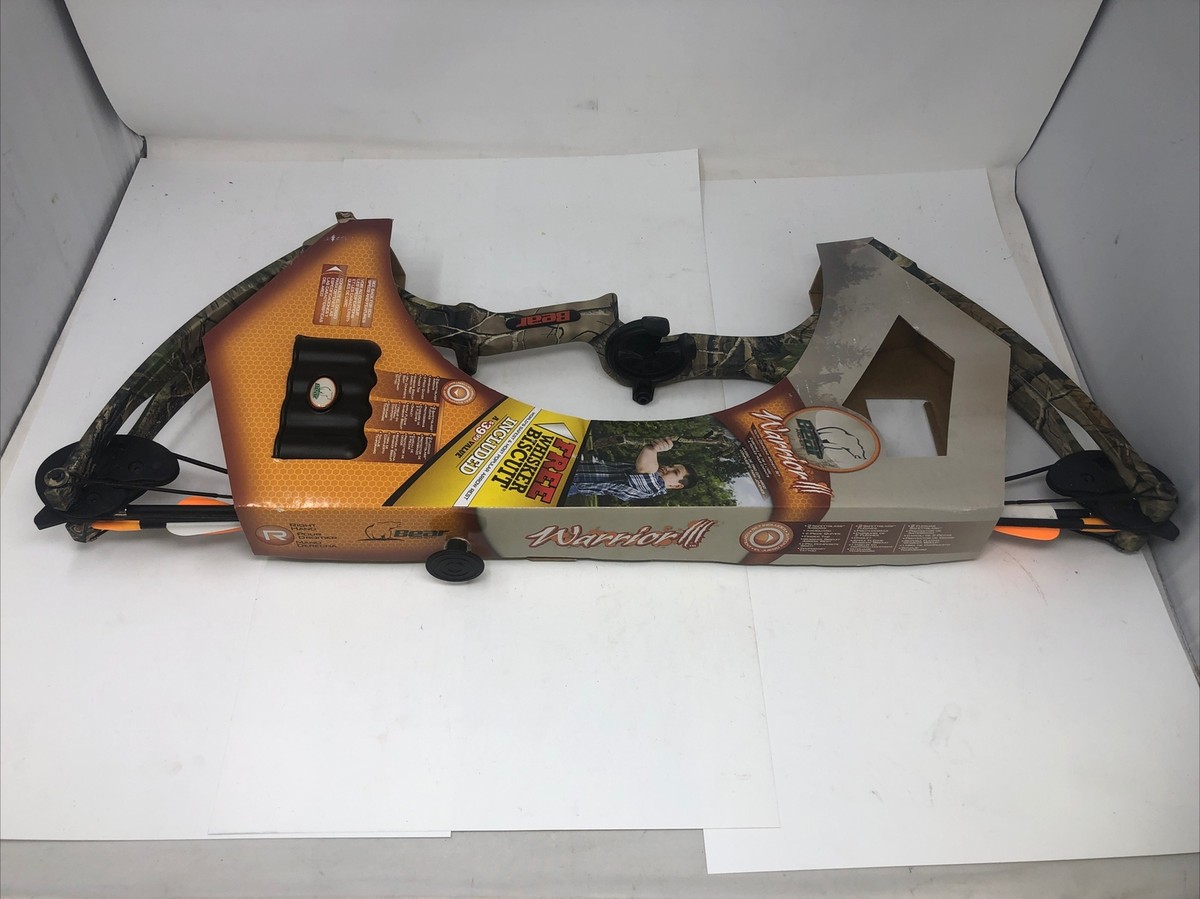
Credit: www.ebay.com
Checking The Current Draw Poundage
It’s smart to start by checking the current draw weight of the bow. This gives you a reference and helps you avoid adjusting too much at once.
- Attach the bow scale to the string at the nocking point (where the arrow sits).
- Draw the string slowly to the archer’s full draw length (usually marked on the bow or matched to the archer’s arm length).
- Read the scale at full draw. This is your current draw poundage.
If you don’t have a bow scale, you can estimate by feel, but a scale gives more accurate results. If the draw weight is far from your target, note how much you need to increase or decrease.
How To Adjust Draw Poundage On Alpine Youth Bow
The Alpine Youth Bow is designed for easy adjustments, but the process must be done carefully to avoid damaging the bow or making it unsafe.
Step 1: Locate The Limb Bolts
The limb bolts are usually found where the limbs meet the riser (the handle section of the bow). On most Alpine Youth Bows, these are large bolts, one on the top limb and one on the bottom.
Step 2: Loosen Or Tighten The Limb Bolts
- To decrease draw weight: Turn each limb bolt counterclockwise (loosen).
- To increase draw weight: Turn each limb bolt clockwise (tighten).
Always adjust both bolts evenly. For each half-turn on the top bolt, do the same on the bottom bolt. This keeps the limbs balanced.
Warning: Never unscrew a limb bolt more than the manufacturer’s recommended number of turns (usually marked on the bow or in the manual, commonly 4, 5 turns out from fully tight). Going too far can make the bow unsafe.
Step 3: Make Small Adjustments
Turn the limb bolts in small steps, usually half turns. After each adjustment, check the draw weight again using your bow scale. Repeat until you reach the desired poundage.
Step 4: Double-check Everything
After adjusting, carefully look over the limbs, riser, and bolts to be sure everything is tight and aligned. If anything seems off or if you hear strange noises when drawing, stop and check the bow again.
Step 5: Test Draw And Shoot
Have the archer draw the bow at the new setting. If they can draw smoothly and hold for a few seconds without shaking, the poundage is probably a good fit. Shoot a few arrows at a safe target to confirm.
Example: When I tested this with a 12-year-old beginner, we increased the draw weight by one pound at a time. She could draw and shoot well at 18 pounds, but struggled at 22. Keep the setting at 18 to build confidence.
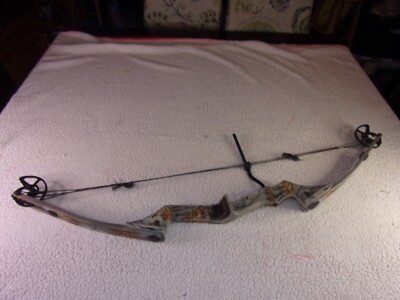
Credit: www.ebay.com
Recommended Draw Poundage By Age And Strength
Choosing the right starting draw weight depends on the archer’s age, size, and strength. Here’s a general guide for Alpine Youth Bows:
| Age | Recommended Draw Poundage | Notes |
|---|---|---|
| 7, 9 years | 10, 15 lbs | Lightest setting for new archers |
| 10, 12 years | 15, 20 lbs | Increase as strength improves |
| 13, 15 years | 20, 25 lbs | For experienced or strong archers |
| 16+ years | 25, 30 lbs | Older teens with good form |
Remember, these are guidelines. Always choose the lowest poundage that lets the archer draw smoothly and shoot with good form.
Pro Tip: Build up poundage slowly. Increasing too fast can cause injury or bad habits.
Safety Checks After Adjustment
Safety is always the top priority, especially for youth archers. After adjusting the draw weight, follow these steps to make sure the bow is ready for use:
- Inspect the limbs: Look for cracks, splinters, or warping. Even small damage can make a bow unsafe.
- Check string alignment: The string should run straight down the center of the limbs. If it looks twisted or off-center, stop and consult a pro shop.
- Test for smooth draw: Pull the string back slowly and listen for creaks or clicks. Unusual sounds might mean something is loose or damaged.
- Confirm bolt tightness: Make sure both limb bolts are snug. Loose bolts can cause uneven stress.
If you notice any problems, do not shoot until they’re fixed. Sometimes, after a big change in draw weight, the bowstring may need adjusting or replacing.
Common Mistakes To Avoid
Many beginners make the same errors when adjusting Alpine Youth Bows. Being aware of these mistakes saves time and prevents damage.
- Uneven adjustments: Turning one limb bolt more than the other causes the limbs to bend unevenly. This can affect accuracy and even break the bow.
- Going beyond the limit: Unscrewing the limb bolts too much can make the limbs fall out or lose tension.
- Skipping safety checks: Always inspect the bow after changes, even if the adjustment seems small.
- Increasing poundage too quickly: Young archers may want more power, but it’s better to go slow and focus on good form.
- Ignoring the manual: Every Alpine Youth Bow may have small differences. If you have a manual, follow its instructions for your specific model.
Pro Tip: If you’re ever unsure, ask for help at an archery shop. It’s better to be safe than sorry.
Comparing Alpine Youth Bows To Other Youth Bows
How does the Alpine Youth Bow stand out when it comes to adjustability and safety? Let’s compare it with two other popular youth bows:
| Feature | Alpine Youth Bow | Genesis Original | Bear Archery Brave |
|---|---|---|---|
| Draw Weight Range | 15, 30 lbs | 10, 20 lbs | 15, 25 lbs |
| Adjustment Method | Limb bolts | Limb bolts | Limb bolts |
| Maximum Turns Out | 5 | 4 | 4 |
| Beginner Friendly | Yes | Yes | Yes |
| Price Range | Mid | Low | Low |
The Alpine Youth Bow offers a slightly wider range and solid build quality. Its adjustments are simple, making it a good choice for families who want a bow that lasts as the child grows.
Fine-tuning For Accuracy And Comfort
After setting the draw poundage, you can make small changes to help the archer shoot better and feel more comfortable.
Adjusting Draw Length
Most Alpine Youth Bows also let you change the draw length. This is the distance the string moves back before it stops. If the draw length is too long or short, it can hurt accuracy and comfort.
- To adjust, look for a rotating module or a set of screws near the cams or wheels.
- Change the setting one step at a time, then have the archer test.
- The ideal draw length lets the archer’s elbow line up with the arrow when at full draw.
Choosing The Right Arrows
The draw poundage affects which arrows are safe to use. Too heavy or too light arrows can cause problems.
- Heavier draw weights need stiffer (higher spine) arrows.
- Lighter draw weights work with softer (lower spine) arrows.
Ask at an archery shop or check online charts for the right arrow type based on your Alpine Youth Bow’s setting.
Example: A bow set at 15 pounds may use 700 spine arrows, while a bow at 30 pounds might need 500 spine arrows.
Checking Grip And Stance
A correct grip and stance help the archer use the new draw poundage safely. Make sure the archer’s hand sits comfortably on the grip, and their feet are shoulder-width apart.
Troubleshooting Common Problems
Sometimes, even after careful adjustment, things don’t feel right. Here are solutions for the most common issues:
- Bow feels too hard to pull: Lower the draw poundage in small steps. Double-check that the archer’s form is correct.
- Arrows don’t fly straight: Check arrow spine and nocking point. Make sure both limb bolts are even.
- Strange sounds or vibrations: Inspect all bolts and the string for tightness. Look for damage on the limbs or cams.
- String slaps arm: The draw length or poundage may be too high, or the stance needs correcting. Use an arm guard for safety.
If problems continue, visit a certified archery shop for expert help.

Credit: www.youtube.com
When To Seek Professional Help
While most Alpine Youth Bow adjustments can be done at home, some situations call for a professional:
- Visible damage to limbs, string, or riser
- Unusual noises that don’t go away after tightening bolts
- Difficulty setting draw length or replacing strings
- Uncertainty about correct settings
Archery shops have tools and experience to fix complex problems and make sure the bow is safe for use. Many offer free or low-cost safety checks for youth equipment.
Benefits Of Proper Draw Poundage Adjustment
Getting the draw poundage right brings many benefits for young archers:
- Improved accuracy: The archer can focus on aiming, not struggling with the draw.
- Faster skill growth: Proper poundage helps build muscle memory and good habits.
- Reduced injury risk: The archer is less likely to strain muscles or joints.
- Increased enjoyment: Shooting feels easier, so kids are more likely to keep practicing.
Pro Tip: Celebrate progress by tracking scores or grouping of arrows after each poundage change. This keeps young archers motivated and shows how the right adjustment helps.
Maintaining Your Alpine Youth Bow
Adjusting the draw poundage is just one part of keeping your bow in top condition. Regular maintenance extends the bow’s life and keeps it safe.
- Wipe down the limbs and riser after each use to remove dirt and moisture.
- Check the string for fraying every week and replace as needed.
- Lubricate moving parts (like cams or wheels) with approved archery oil.
- Store the bow in a cool, dry place away from direct sunlight.
If you use the bow regularly, have it inspected by a pro shop at least once per year.
Cost Considerations For Adjusting Youth Bows
One reason the Alpine Youth Bow is popular is because it’s affordable to adjust. Most changes only require basic tools you may already own.
- Allen wrenches usually come with the bow or cost a few dollars.
- Bow scales can be borrowed or bought inexpensively.
- Professional tune-ups at archery shops range from $20, $50, depending on the services needed.
Investing in these small tools saves money over time and lets you make changes at home.
Real-world Example: Adjusting For Growth
Let’s look at a practical example. A parent buys an Alpine Youth Bow for their 10-year-old, starting at 15 pounds. After six months of practice, the child finds the draw too easy. They check with a bow scale