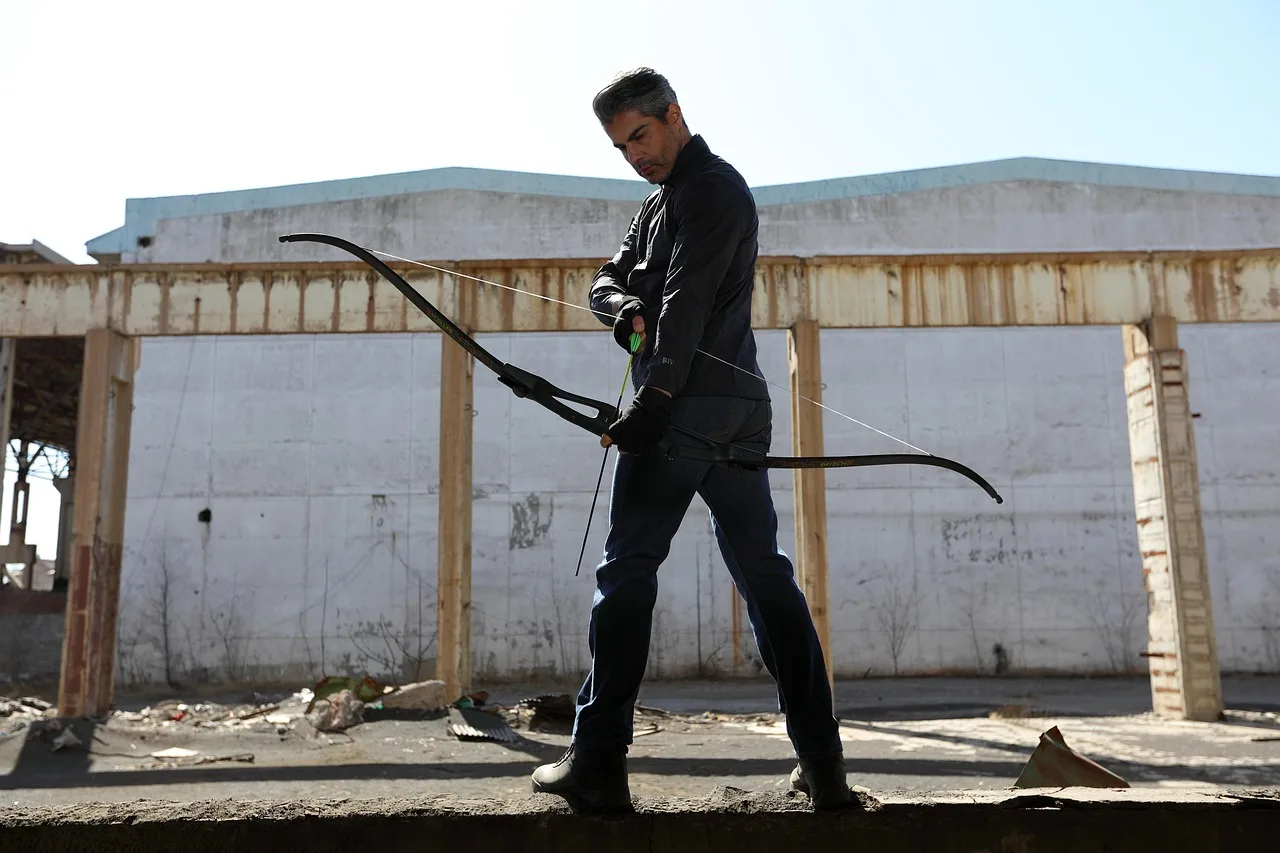
Indoor vs Outdoor Arrow Direction: What Changes Most
At 18–20 yards, indoor spots care more about clean clearance and consistent spine than long-range drop; at 30–70 meters, outdoor field rounds punish weak spine and poor launch angle, so I tune for stable flight first. Bad setup costs points indoors and wide misses outdoors, with wind and poor arrow choice making the gap worse. I’ll break down what changes in arrow direction, arrow selection, and tuning between short-range spots and long-range field rounds.
This guide is part of our Arrow direction guide for archers series.
| Factor | Indoor | Outdoor Arrow Direction: What Changes Between Short-Range Spots and Long-Range Field Rounds | Winner |
|---|---|---|---|
| Arrow diameter | Fatter shafts can help cut lines on a small target face. | Thinner shafts usually handle wind better and drift less. | Indoor |
| Point weight | Heavier points can calm close-range reaction and help line-cutting. | Point choice must balance sight marks, distance stability, and drift control. | Outdoor |
| Fletching style | Larger drag can help short-range correction and repeatability. | Lower-drag vanes or feathers usually help distance flight and wind response. | Outdoor |
| First fix for left/right drift | Check clearance, nocking point, and bareshaft behavior first. | Check wind, then tune, then distance judgment before chasing the sight. | Tie |
| Best fit use case | Short, fixed-distance target shooting on controlled faces. | Field rounds, 3D, and hunting-style practice where wind and distance matter. | Tie |
What changes between indoor and outdoor arrow direction?


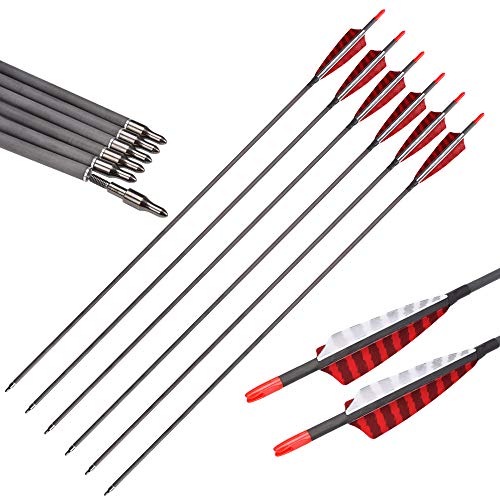

Indoor and outdoor arrow direction are not the same problem. Indoors, I care about how the arrow leaves the bow and how it scores on a fixed face at short distance; outdoors, I care about how that same arrow holds line in wind, survives distance judgment errors, and lands where I aimed.
Indoor archery changes the setup first
Indoor archery is shot at short, fixed distances, usually 18–20 yards. I shoot it on a controlled line with no wind, so I focus on clean launch, repeatability, and target-face scoring rather than chasing every bit of downrange stability.
That is why arrow diameter matters more indoors than most shooters think. A larger shaft can catch more line on a small multi-ring target face, and that can be worth more than a slightly flatter flight path.
Outdoor archery changes the flight problem first
Outdoor archery covers longer, varied distances and brings wind and weather into the shot. Outdoors, a setup that looks fine at closer distances can drift at longer distances because small launch errors get magnified.
Field rounds and 3D archery make this even more obvious. On marked field courses or unknown-distance 3D lanes, I need arrows that fly clean through changing terrain, angle, and weather, not just arrows that group tightly at short range.
According to Indoor vs Outdoor Archery: Key Differences & Which Is Right for You — Indoor archery is shot at short, fixed distances, usually 18–20 yards.
How indoor archery changes arrow setup
For indoor shooting, I choose setup around line-cutting and repeatable short-range impact. The target face is small, so the difference between a clean 10 and a cut line can come down to shaft size, point weight, and how the arrow leaves the rest.
Why large-diameter arrows can help on indoor faces
Large-diameter arrows can catch more scoring line on indoor target faces. I have seen shooters move up a size and gain more line calls without changing their form at all, which tells me the face itself is part of the setup.
That does not mean bigger is always better. If the shaft is too soft for the bow, the arrow can leave ugly, and the extra diameter stops helping once the flight is messy.
Point weight and line-cutting on small spots
Point weight indoors is mostly about how the arrow behaves right out of the bow and how it settles on the face. Heavier points can calm some setups, but they can also make the bow feel sluggish if the shaft is not matched to it.
Fletching choices for short-range repeatability
Indoors, I often care more about consistent arrow reaction than raw speed. Bigger fletching can help the arrow correct quickly, which is useful when the distance is fixed and the main job is to group and score cleanly.
For a recurve, that can mean a little more drag is helpful. For a compound, I still watch clearance first, because a vane that looks good on paper is useless if it clips the cable or rest.
How outdoor archery changes arrow setup
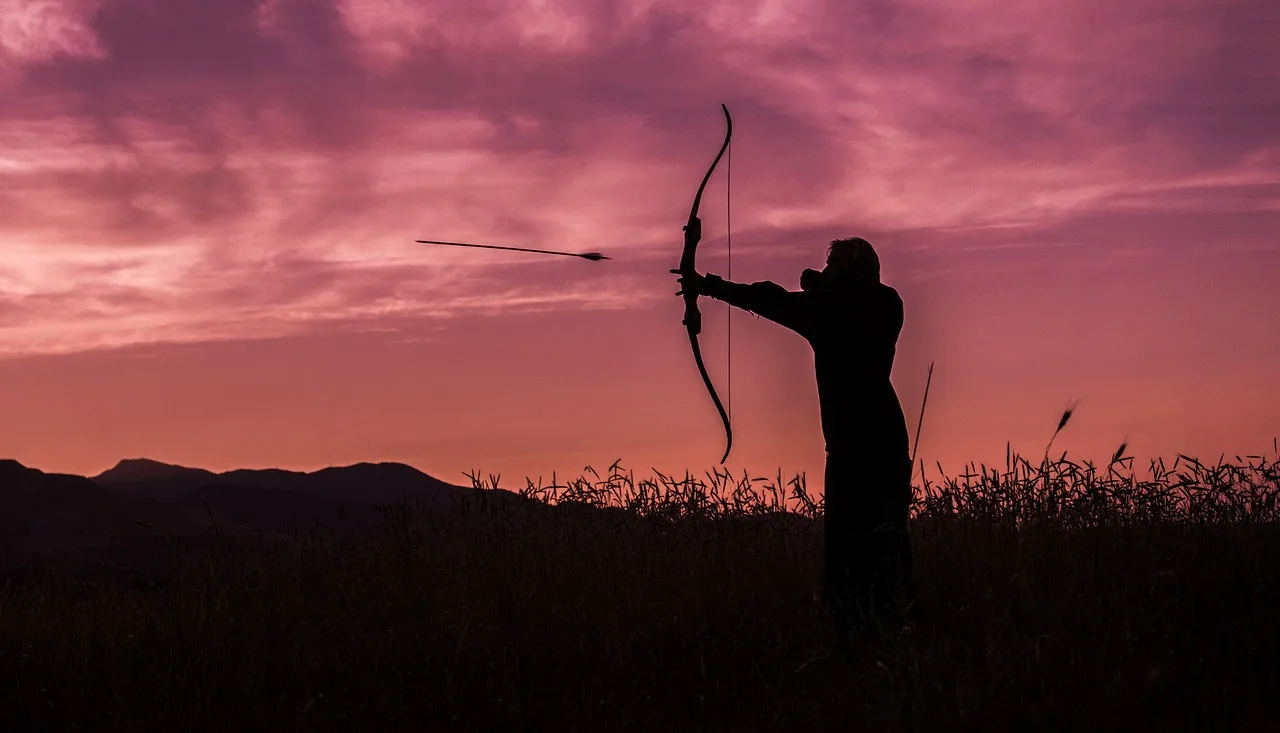
Outdoor archery is where arrow direction becomes a flight problem more than a scoring problem. The shaft has to keep its line through wind, stay stable over longer travel, and arrive with enough consistency that field marks, 3D angles, and hunting practice all make sense.
Wind drift and why shaft size matters more outdoors
Wind drift is the big outdoor variable. The farther the arrow travels, the more a shaft with more surface area can be pushed around, which is why thinner arrows often make more sense when I expect wind or long shots.
That is also why outdoor arrow choice changes with distance. A setup that is perfect for 20 yards may give away too much in a crosswind at 60 yards, especially on open field rounds.
Distance judgment and sight marks on field rounds
Field rounds force you to judge distance, then trust the sight, then trust the arrow. A mistake in distance judgment shows up as a vertical miss, but a poor launch or wind drift can still pull the arrow left or right and make the shot look worse than your sight picture did.
That is the part many indoor shooters miss. Indoors, sight behavior is mostly about repeatability at one distance. Outdoors, sight marks must work across a range of distances, and the arrow has to stay honest at each one.
Why 3D and hunting-style practice push different arrow choices
3D archery and hunting-style practice reward the same things: stable flight, real-world angle management, and arrows that do not blow off line when conditions change. Unknown distances and odd shot angles punish a setup that only looks good on a flat range.
That is why I treat outdoor practice as a separate arrow conversation. It is closer to hunting and field conditions than a winter indoor line ever is.
Do you orient arrows differently for short-range and long-range rounds?
Yes, but mostly in the sense of setup orientation and flight correction, not by pointing the shaft some special direction on the rack. Indoors I care about vane clearance and consistent launch; outdoors I care about how the arrow settles in the air and whether the group opens from wind or distance errors.
What arrow direction means during setup
“Arrow direction” can mean three things: which way the shaft faces on the bow, how the vanes are clocked, and where the arrow lands left or right. Those are related, but they are not the same problem.
If I am setting up a bow, I start with clearance and tune. If the arrows are hitting left or right, I do not assume the vane orientation is the cause. I check the bow first.
When vane placement matters and when it does not
Vane placement matters when it affects clearance, especially on a compound. It matters less than people think when the real issue is a weak launch, poor nock fit, or a bow that is not tuned for the shaft.
On a recurve, the way the arrow behaves off the shelf can be sensitive. On a compound, a small contact issue can send you down the wrong path fast if you keep changing the wrong thing.
The difference between visual orientation and actual flight correction
Visual orientation is how the arrow sits. Flight correction is what the arrow does after release. I have seen clean-looking setups shoot left because the tune was off, and messy-looking setups group well because the rest of the bow and shaft matched.
That is why I always separate appearance from impact. The target tells the truth.
Indoor vs outdoor setup: the decision table
This is the part I wish more archers used before changing six things at once. Indoor and outdoor setups solve different problems, so the “best” arrow is the one that fits the round you are actually shooting.
| Decision factor | Indoor | Outdoor | Winner |
|---|---|---|---|
| Arrow diameter | Fatter shaft to help line-cutting on a small target face. | Thinner shaft to reduce wind drift and clean up flight at distance. | Depends on scoring goal |
| Point weight | Choose for stable short-range reaction and clean score-face behavior. | Choose for a balance of stability, sight marks, and distance control. | Outdoor |
| Fletching style | More drag can help the arrow settle quickly indoors. | Lower-drag vanes or feathers usually hold up better for distance flight. | Outdoor |
| Sight behavior | One distance, one mark, little weather change. | Multiple marks, changing conditions, and more room for error. | Outdoor |
| First fix for left/right drift | Check clearance, center shot, nock fit, then bareshaft or walkback. | Check wind, then tune, then confirm distance judgment before chasing parts. | Tie |
Why the table favors indoor on diameter
Indoors, the target face rewards line-cutting. That makes diameter a scoring tool, not just a flight tool, so a fatter arrow can be worth more even if it is not the cleanest aerodynamic choice.
Why the table favors outdoor on point weight and fletching
Outside, the arrow has to live through more distance and weather. A point and fletching setup that stabilizes flight and keeps wind drift under control usually matters more than chasing one more line on a face.
Why left/right drift gets a tie
Left/right drift can come from tune, clearance, release, or wind. That is why the first fix depends on where you are shooting. Indoors I rule out contact and tune; outdoors I rule out weather and distance judgment first.
Why do my arrows hit left or right at longer distances?
At longer distances, small errors grow up fast. A bow that looks fine at 20 yards can send arrows left or right at 60 because the shaft has more time to show bad tune, release torque, wind drift, and even a small sighting mistake.
How a clean 20-yard setup can miss at 60
Short range hides a lot. If your arrow leaves slightly weak or slightly stiff, you may never notice indoors because the target is close and the window for error is small.
Move that same setup outdoors and the error has more room to spread. The group opens, and the miss may look like a form problem even when the root issue is tuning.
Wind, tune, and release errors at distance
Wind is the obvious one. It pushes the shaft, and the farther the shot, the more it matters. But tune and release still matter more than many shooters admit, because a bad launch angle gives the wind something easy to work with.
Beginners should fix release and bow setup before blaming the weather. That order saves time.
First troubleshooting step for recurve and compound shooters
For a recurve, I start with bare shaft behavior, nock point, and shelf clearance. For a compound, I start with center shot, rest timing, and whether the arrow is contacting anything it should not.
Then I move to sight marks and then to wind. If I reverse that order, I waste arrows.
How do I switch arrow setup between indoor and outdoor seasons?
Switch one variable at a time.
A simple indoor-to-outdoor swap order
- Confirm the bow is still tuned and the arrows are not damaged.
- Decide whether you need a different diameter for scoring or wind.
- Adjust point weight only after the shaft choice makes sense.
- Choose fletching for the round you will shoot most.
- Recheck sight marks after the arrow flies clean.
I do this every season because the target tells me when I have changed too much too fast. It is slower on paper and faster in real life.
When to keep the same arrows and when to start over
If your arrows group well indoors and outdoors, you may not need a full rebuild. If the shaft is wrong for wind, the face, or the draw weight, I would start over instead of forcing the bow to accept a bad fit.
My own left-eye-dominant switch taught me that truth. Once I moved to a left-hand bow, my groups tightened within two weeks because the system finally matched the shooter.
Frequently asked questions
How does wind affect arrow direction outdoors?
Wind pushes the shaft off line, and the effect grows as distance increases. That is why a setup that groups well indoors can wander outdoors. Thinner shafts and cleaner flight help, but the real fix starts with reading conditions and tuning the bow properly.
What arrows work best for indoor target shooting?
For indoor target shooting, I like arrows that help on small faces and leave the bow cleanly. Larger diameter shafts can help with line-cuts, and fletching that settles the arrow quickly can make short-range groups easier to repeat. The bow still has to be tuned to the shaft.
What arrows work best for outdoor field rounds?
For outdoor field rounds, I want arrows that stay stable in wind and hold a predictable line across changing distances. Thinner shafts usually make more sense outdoors, especially when the course includes longer shots, uneven terrain, or weather that can move a wider shaft around.
Does arrow diameter matter indoors versus outdoors?
Yes, and it matters for different reasons. Indoors, diameter can help with line-cuts on a target face. Outdoors, a smaller shaft usually handles wind and long-range drift better. That is one of the clearest setup differences between the two styles of shooting.
Verdict
Choose indoor setup if you shoot fixed-distance spots, want cleaner line-cuts, and care most about repeatable short-range impact. Choose outdoor setup if you shoot field rounds, 3D, or hunting practice, where wind, distance judgment, and long-range flight stability decide the score. I keep one rule in mind: indoor rewards scoring shape, outdoor rewards flight control.