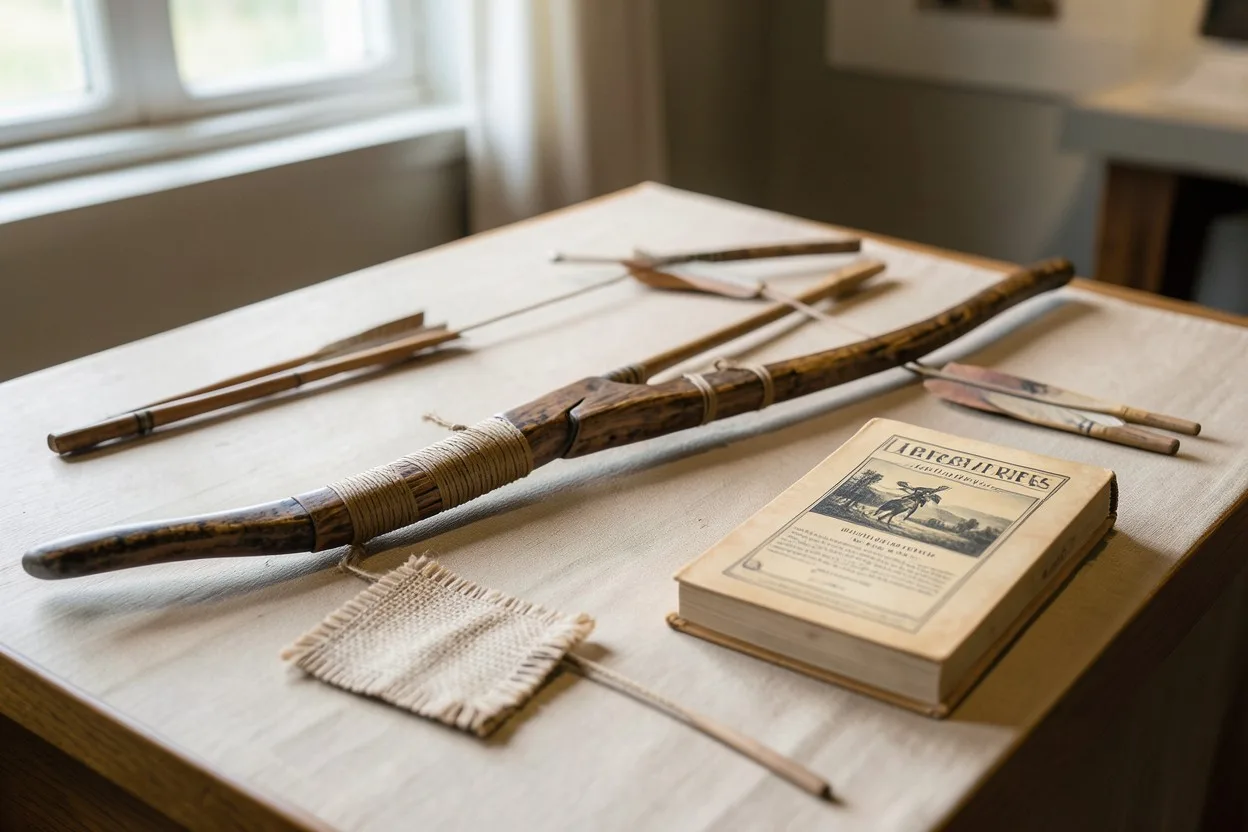
How to Identify an Authentic Native American Style Bow
I treat authenticity like a 5-point check. If 3+ of these align, documented maker or tribal affiliation, period-correct materials, matching construction methods, correct hand-fit or warping, and a wear pattern consistent with age, it’s likely authentic. If fewer than 3 align, keep looking. Buying fakes wastes money, risks cultural disrespect, and can lead you to store or hunt with an unsafe bow built from modern guesses. I’ll walk you through a practical checklist, covering materials, joinery, tribal fit, wear, repairs, and provenance records you can verify.


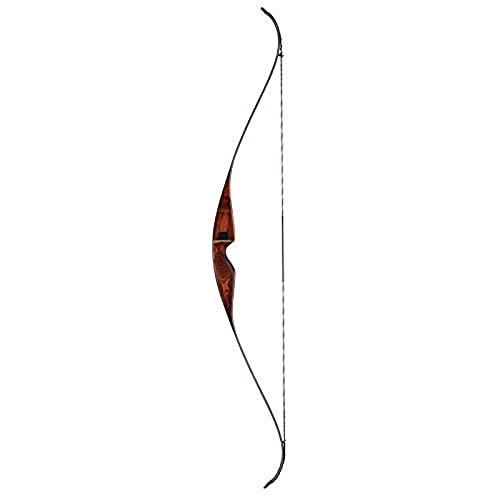
What does “Native American style” mean for buyers?
“Native American style” is a marketing label unless it’s tied to a specific tribal attribution, maker, or a documented collection history. Functional bows, ceremonial pieces, and later reproductions can overlap visually. Your job is to separate “looks like” from construction evidence, material choices, and provenance you can verify.
Separate tribe attribution from bow type
I’ve seen collectors buy “Plains-style” bows that match the general look, then miss core build cues like string materials and limb geometry. Those misses usually point to a modern reproduction, or a different cultural tradition than the seller claims.
Set expectations for functional vs ceremonial pieces
Some pieces were made to be shot. Others were made to be displayed. Wear patterns, repair scars, and string-groove evidence tell you which path the bow took most of its life.
How can I tell if a Native American style bow is authentic?
Use construction evidence first: wood or composite build, limb geometry, handle wrapping, string build, and wear trails. Finishes and hardware often get treated as suspect until they match what the piece’s era and method would produce. When you score those categories together, “looks Native” stays a weak signal, not your deciding factor.
Use evidence you can inspect up close
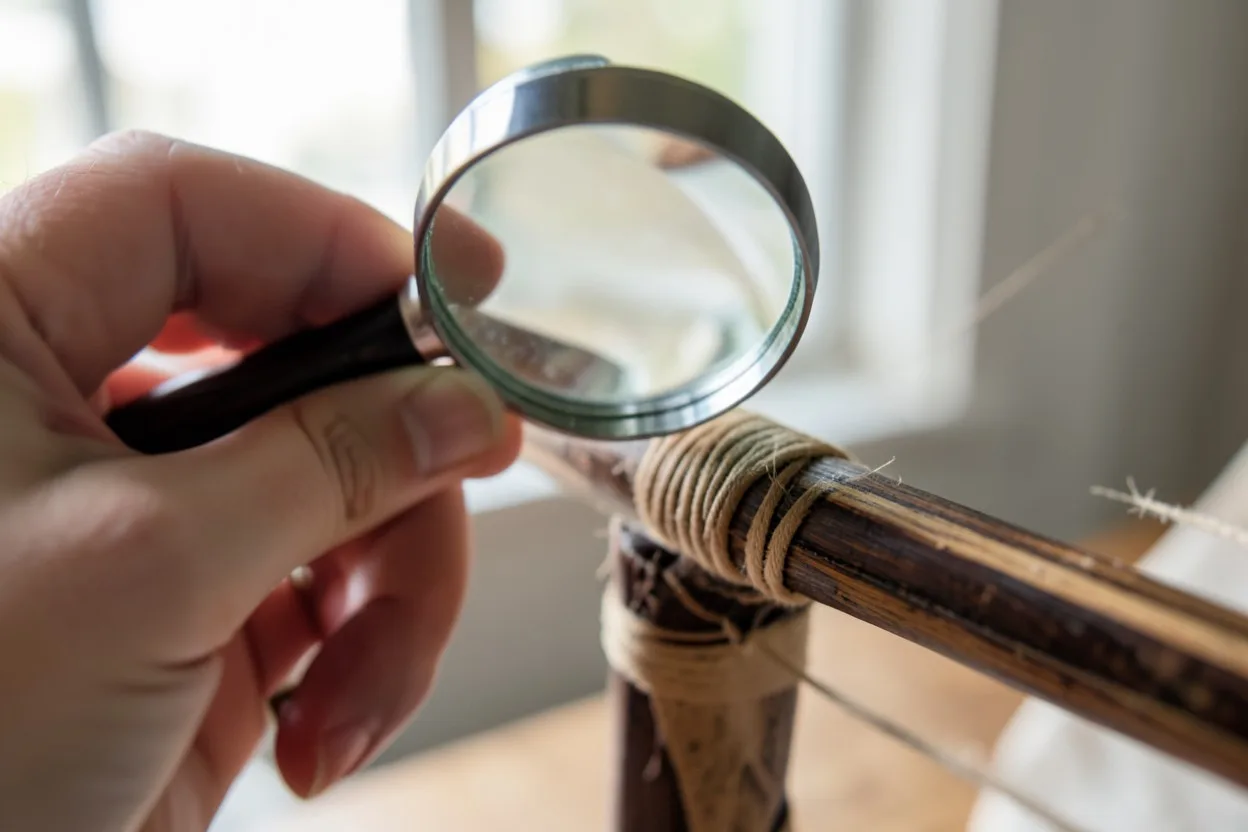
I bring a flashlight and check the underside and handle area for wear and repair. Measured in ranges and shops, the strongest proof on bows shows up where hand and string have rubbed for years.
What materials were used in traditional Native American bows?
Traditional builds often use self bow wood in single-piece designs, or composite stacks that combine wood with horn, antler, and/or sinew. Bowstrings commonly use plant fibers, rawhide, or sinew. Arrow shafts were straight sticks or woody reeds, and arrow points could be bone, stone, glass, or metal. In traditional contexts, stone flintknapped points show up often.
Bow wood species you should recognize
Bow wood species listed for traditional builds include ash, willow, juniper, cedar, walnut, hickory, oak, and birch. If a “traditional” bow’s limb core is a modern engineered board, laminated plywood, or an unfamiliar synthetic composite, you should expect authenticity problems.
Strings and what “period-correct” means here
Bowstrings could be made from plant fibers, rawhide, or sinew. Plant-fiber strings were often made from nettles, milkweed, or inner bark fibers. If you see braided synthetic cord where plant fiber, rawhide, or sinew evidence should be, treat it as a major red flag.
How do self bows differ from composite Native American bows?
Self bows come from a single piece of wood. Composite bows combine multiple materials, commonly wood plus horn, antler, and/or sinew. Foot-used bows are typically around five feet long for self bows. Mounted bows are often composite, and they tend to be shorter because they fit horseback handling better.
Self bow indicators
On a self bow, you should see one wood piece forming the whole working structure. Foot-used bows were typically made from a single piece of wood about five feet long. The wood is usually thicker at the center and thinner toward the ends.
Composite bow indicators
Composite bows commonly combine wood, horn, antler, and/or sinew. In builds associated with mounted archery, these composite designs were often shorter and more compact. If the seller claims “self bow,” but the limb clearly shows layered material at the working face, stop and verify.
What should a real Native American bow look like?
A real Native American style bow usually looks like a tool built to survive and perform. You should see consistent wood shaping, a grip that shows real hand contact, and a string system that matches period-appropriate fiber choices. I also expect believable wear and repair patterns that fit real use. If everything looks newly “aged,” with no functional wear evidence, I treat it as a replica.
Foot-use vs mounted-use geometry cues
For foot archery, a self bow is often about five feet long. For mounted use, composite bows are often shorter. Geometry tells more than one measurement, because makers and traditions vary. Modern reproductions can copy outlines while missing the working geometry.
My quick reality check from the range
I hunt whitetail every fall. The first thing I care about is whether the bow tracks and holds its string properly. When verifying bows in a shop, watch for the same discipline: warping clues, grip wear, and string-groove behavior that match the bow’s intended use, not only the silhouette.
How can I spot a modern replica or fake Native American bow?
I spot fakes by mismatches. Modern finishes can hide wood character. Incorrect laminations can show up when a seller calls it a self bow. Hardware and adhesives can fail to match the construction method. String and arrow materials can also miss the mark on what traditional builds used. If the provenance is thin or absent, treat every mismatch as an authenticity downgrade.
Look for anachronistic construction and “too neat” evidence
Modern replicas can be well-made, but they often carry recognizable tells. I’ve seen synthetic threads where plant fibers or sinew should be. I’ve also seen an overly uniform laminate look. Grip wrapping sometimes lacks believable sequencing and wear.
My “left-eye” reminder on verification
Authenticity works the same way, the correct construction cues show up under inspection and in how the bow behaves over time.
Were Native American bows short because they were used on horseback?
Mounted archery often favors shorter, more compact bow forms. The shooter needs control and clearance while riding. Verification depends on build cues: composite construction and shorter working geometry show up often. Measure shape and limb design, not only overall length.
Verify with build cues, not one number
If a bow is marketed as “mounted,” but it’s a long self bow with a one-piece wood structure typical of foot use, the claim is weak. If it’s composite and shorter, that matches the broader pattern, though tribal variation still matters.
How accurate were Native American bows in hunting and war?
Accuracy was strongly tied to training and consistent technique. Traditional hunters and warriors adapted to local materials and shot often enough that the bow became a predictable tool. In practice, a well-built bow with correct fit and reliable arrow construction can be consistently effective.
What I look for when assessing functional accuracy
When tuning bows in a setup, judge whether the string system and arrow balance produce stable flight. On traditional-style bows, flight starts with fletching consistency, point attachment, and a string build that doesn’t fight the arrow.
What arrow materials were commonly used with Native American bows?
Arrow shafts could start as branches about as thick as the human thumb. Builders then bundled them and left them in a dark place for three to eight months to dry. Arrowheads might be made of bone, stone, glass, or metal. Most commonly, arrow points were made of stone, often flint. Fletching typically used three feathers.[1]
Fletching norms and how they affect flight
Three feathers were used for fletching to give the arrow spin and help maintain straight flight. Turkey feathers were most commonly used. They were often tied with sinew and glued with hide glue or a similar animal-based adhesive. If you see a different feather count or purely decorative fletching, investigate further.
Arrow points and materials
Stone, including flintknapped stone points, is the most commonly cited point material in traditional contexts. Bone, stone, glass, or metal points also appear depending on region and access to materials.
Did Native American archers use a chest anchor or chin anchor?
Anchor style varied by shooter and tradition, and evidence can point to different anchoring habits even within foot shooting. For example, I’ve seen documentation noting Pope documenting Ishi hunting with an anchor to his chest while on foot. A replica maker claiming one universal anchor is oversimplifying.
Use anchor evidence as a weak-to-medium authenticity cue
Anchor gear is hard to validate on the bow itself. You can still use it to judge expected shooting posture when the seller includes documentation, but don’t treat anchor as proof unless the provenance supports it.
What woods were traditionally used for Native American bows?
Traditional bow woods listed include ash, willow, juniper, cedar, walnut, hickory, oak, and birch. If the bow uses a clearly modern wood, engineered laminate, or an unfamiliar synthetic core while claiming to be “traditional,” treat that as a likely mismatch and score it down heavily.
How I interpret wood choice during verification
I’m not trying to memorize every local species. I’m verifying whether the bow’s wood choices match categories commonly reported for traditional builds, and whether the workmanship matches how those woods behave when shaped, bent, and dried.
How can I identify an authentic Native American style bow? (12-point checklist + scoring table)
I verify authenticity with a checklist you can apply at a table, not a gut-feel. I score each category on a 0 to 2 scale based on how strong the evidence seems. If the total lands in the “likely traditional” band and the major mismatch items are absent, I treat the bow as authentic until proven otherwise.
12-point authenticity checklist (score 0–2 per item)
Score key: 2 = strong supporting evidence you can inspect; 1 = partial fit or unclear evidence; 0 = strong mismatch or impossible claim.
- Materials match the claim (self vs composite, and expected wood/horn/antler/sinew presence)
- Self-bow construction evidence (single-piece wood about five feet for foot use; thicker center tapering to ends)
- Composite-bow construction evidence (wood plus horn/antler/sinew; shorter working geometry consistent with mounted use)
- Bow wood species plausibility (ash, willow, juniper, cedar, walnut, hickory, oak, birch in line with the build)
- Bowstring materials plausibility (plant fibers, rawhide, or sinew; plant fibers such as nettles/milkweed/inner bark)
- Arrow shaft materials plausibility (straight sticks/woody reeds; branches about thumb-thickness; bundled and dried)
- Arrow point materials plausibility (bone, stone, glass, or metal; stone flintknapped points commonly)
- Fletching norms (three feathers for spin and straight flight; turkey feathers often; tied with sinew and glued with hide glue)
- Handle wrapping method (leather grip wrapping with believable sequencing and wear)
- Tool marks, shaping, and repair evidence (heat or steam bending, slow drying over fire, animal fat coating; repair scars consistent with use)
- Finish and adhesive evidence (expected animal-based or traditional surfaces; modern “aging” or synthetic sealing as suspect)
- Provenance and documentation (maker/tribal attribution, collection notes; or consistent lack of documentation for a later reproduction)
Scoring table (how I separate likely replicas from likely traditional)
| Score band | My call | What you should still verify |
|---|---|---|
| 0–12 | Likely replica / modern reproduction | One or more core categories contradict the claimed build; check string, adhesive, laminations, and provenance again. |
| 13–16 | Uncertain (possible mix of old and new parts) | Look for repair evidence and wear that “ties together” the bow and its components; demand documentation. |
| 17–23 | Likely traditional (or very close reproduction with strong evidence) | Confirm wear patterns, string groove behavior, grip wear, and whether the adhesives/finishes match the construction method. |
| 24–24 | High confidence traditional | Still sanity-check for anachronisms; provenance should align with age and materials. |
Decision grid: likely replica vs likely traditional
| Evidence pattern | Likely outcome | Typical red-flag mismatches that drive the call |
|---|---|---|
| Score ≥ 17 and no major mismatches | Likely traditional | Modern synthetic string where plant fiber/rawhide/sinew should be; layered laminations inconsistent with self-bow claim; synthetic adhesives with no evidence of hide glue-type fastening. |
| Score 13–16 with one major mismatch | Uncertain or mixed | Correct wood but wrong string materials; correct arrow materials but grip wrapping looks modern and pristine. |
| Score ≤ 12 or two+ major mismatches | Likely replica | Self bow claimed but composite construction visible; modern hardware/threads where traditional build would differ; provenance absent or inconsistent with the claimed era. |
Major mismatch flags I treat as deal-breakers
- Anachronistic string construction: synthetic cord where plant fibers, rawhide, or sinew would be expected.
- Anachronistic adhesives or sealers: synthetic glues or modern threads used where tied sinew and hide glue-like attachment would be expected for fletching.
- Geometry contradicts the stated type: a “foot self bow” that is short like a mounted design, or a “mounted composite” that is long and clearly single-piece.
- Self bow claim with visible lamination: a one-piece claim doesn’t survive contact with layered construction evidence.
- Provenance claims without documentation: if the seller insists on a tribal attribution but can’t produce any consistent collection story, score that category low.
Preservation and age cues (what to expect on older pieces)
Older bows tend to show wear at the grip and string contact zone, plus repair evidence where damage was addressed. I look for string groove and related polishing, grip wear through leather wrapping, and repair scars that match the bow’s method. New replicas often lack believable wear trails or show “uniform aging” with no pattern.
Tool marks, shaping, and finish sequencing
Traditional bow shaping clues include heat or steam bending, slow drying over fire, and animal fat coating as part of conditioning. Handle wrapping should show consistent sequencing, not random modern shortcuts. When finishes look like they were applied to hide every surface detail, I treat it as a mismatch risk.
Tribal variation vs “Native American style” marketing claims
Different groups and time periods used different materials and build methods. A checklist helps you avoid treating a single generic “Native American style” pattern as universal. If the seller’s story includes a specific regional claim, your job is to see whether the construction choices actually match that claim.
Replica ethics and “ceremonial vs functional” expectations
A reproduction can be respectful, especially when it’s clearly labeled and when materials and construction match what the piece is. What concerns me is deception: incorrect attribution, false age claims, or presenting a ceremonial piece as a working hunting bow. Provenance records and transparent labeling should match the category you’re buying.
Frequently asked questions
What is considered the best Native American bow and arrow?
There isn’t one universal “best” because different traditions, uses, and makers targeted different performance needs. For buyers, “best” means the correct combination for your goal: a functional bow with credible materials and wear, paired with arrow shafts and fletching norms that match traditional expectations. Use the 12-point checklist to pick what fits the build story, not what looks impressive.