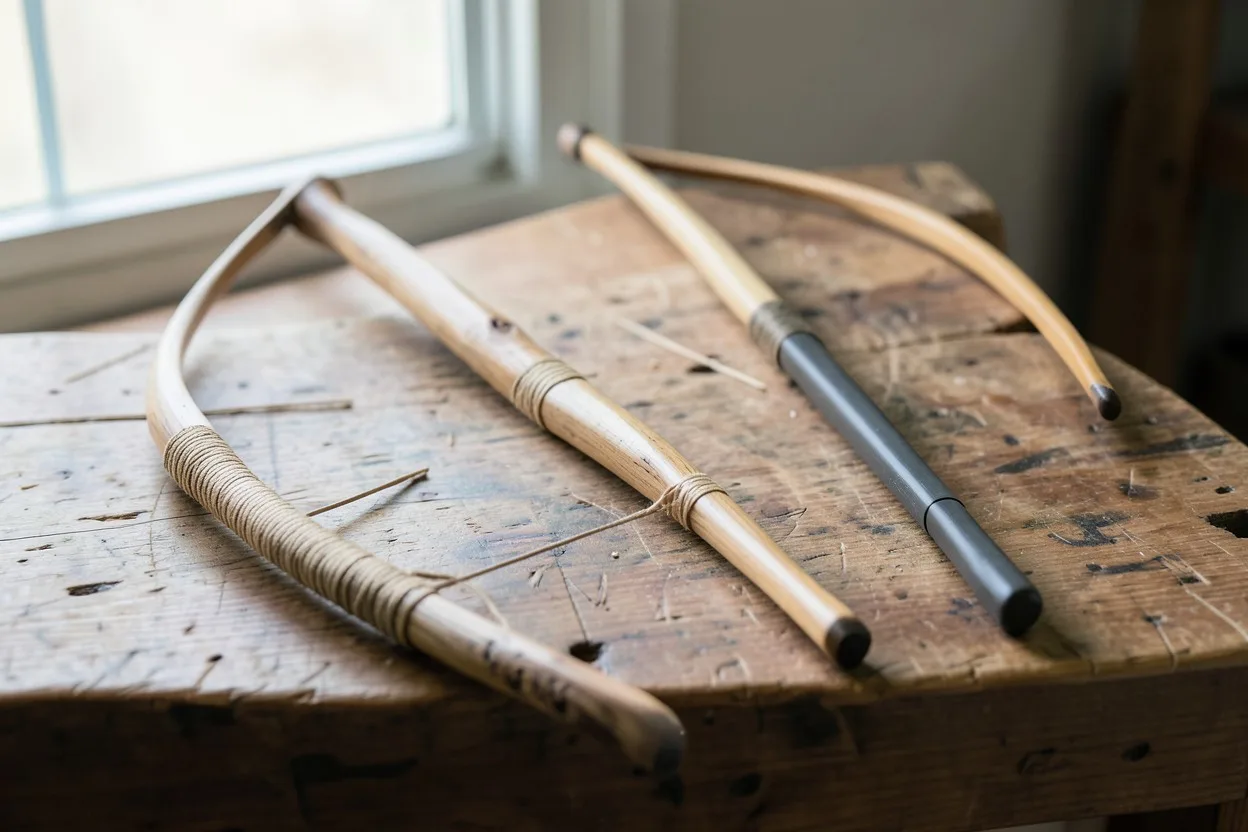
Handmade Native American Bows vs Mass-Produced Replicas
Handmade Native American bows and mass-produced replicas differ most in maker intent and performance consistency. I pick handmade when I want authentic construction to study, and when I’m willing to learn how to tune around the bow’s real reflex and backing behavior. I pick replicas when I need repeatable feel, easy availability of setup parts, and a predictable practice platform that still looks period-correct. Choose wrong and you may pay for inaccurate history, weak materials, or a bow that won’t tune to your form. This guide compares authenticity cues, build quality, and usability so you can choose for use, display, or study.


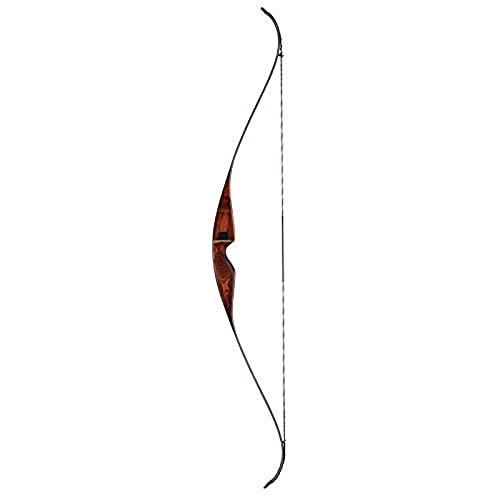
Are handmade Native American bows worth it compared with replicas?
Handmade bows are worth it when I want authentic construction to study, and when I’m prepared for the long learning curve that comes with tuning around real reflex and backing behavior. Replicas are worth it when I need repeatable feel, easy availability of setup parts, and a predictable practice platform that still looks period-correct.
What “worth it” means for practice, display/study, and hunting or re-enactment use
For practice, replicas usually win on convenience. The limbs tend to behave the same from day to day, so I spend less time correcting for the bow’s personality.
For display and study, I scrutinize craft decisions. I check whether the sinew backing is genuinely integrated, and whether the wood choice and profile match the bow’s claimed style. For re-enactment and hunting contexts, I also want reliability under weather, and consistent arrow flight when conditions shift.
What you gain with handmade work
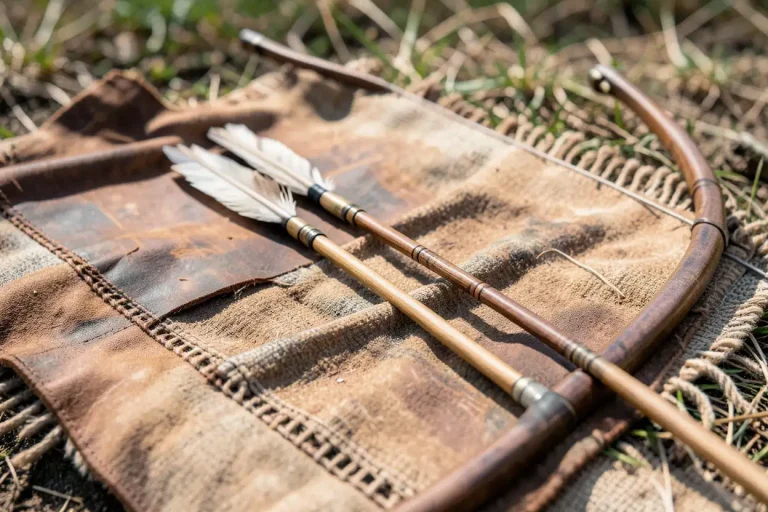
Handmade work gives you material intent. Plains sinew-backed bows were traditionally layered with sinew using hide-scrapings glue, then shaped to a short, reflexed or gull-wing profile. When that execution is real, the draw and hold can match what the design is trying to do.
Bow length, reflex consistency, and sinew placement are build decisions that show up as predictable shooting behavior when the bow is built well.
What you gain with replicas
Replicas are often built for uniformity, and that helps beginners. It helps when the bow is already set up to match a common draw length range, and when you can find compatible arrows and strings without hunting through options.
Budget matters, too. When a replica is cheap enough that you can buy arrows and a string immediately, you’re more likely to shoot sooner. I’ve watched beginners quit after they overpay for the bow first, then run into arrow and string mismatches that stall progress.
According to Plains Indian Weapons, part I: the Bow and Arrows — Plains bows are short, about 42-48 inches, for mounted use. (source)
What makes a Native Archery bow truly handmade?
A Native Archery bow is “truly handmade” when you can see coherent construction choices from stave to backing to finishing details. The wood looks selected for straight grain, the limb reflex is consistent, and the sinew backing is physically integrated. The grip and nock follow the bow’s profile, and the bowstring setup matches its draw behavior.
Structural cues: limb symmetry, reflex consistency, and backing attachment
Start with limb symmetry. Measure or visually compare tip-to-tip. A handmade bow can have slight variation, but it shouldn’t look like one limb carries more twist or bend than the other.
Reflex is the next tell. Plains bows are commonly short, about 42-48 inches, and they often show a reflexed gull-wing profile for power. When a replica copies the shape with a generic form, the reflex geometry usually looks right at a glance, but it doesn’t behave the same under draw.
Material cues: plausible wood species and executed sinew backing
Traditional Plains bow staves are commonly ash, chokecherry, juniper, or osage orange. Those choices aren’t only aesthetic. Stave straightness and grain orientation affect how the bow loads and unloads.
Sinew backing should look applied with intention, not pasted on like a decorative patch. Sinew backing was layered onto the bow back using glue from hide scrapings and sinew scraps. If the backing on a replica is uniform, overly smooth, or too perfect, it can be a warning that it’s imitation rather than traditional method.
Craft cues: grip shaping, nock detail, and bowstring setup
Grip shaping matters because you anchor differently when the grip geometry fits your hand.
Nock quality is also telling. A real bow’s nock should suit the bowstring diameter and how the string lays in the nock throat. If the string sits oddly or the nock forces the arrow to cant, you’ll feel it in arrow flight immediately.
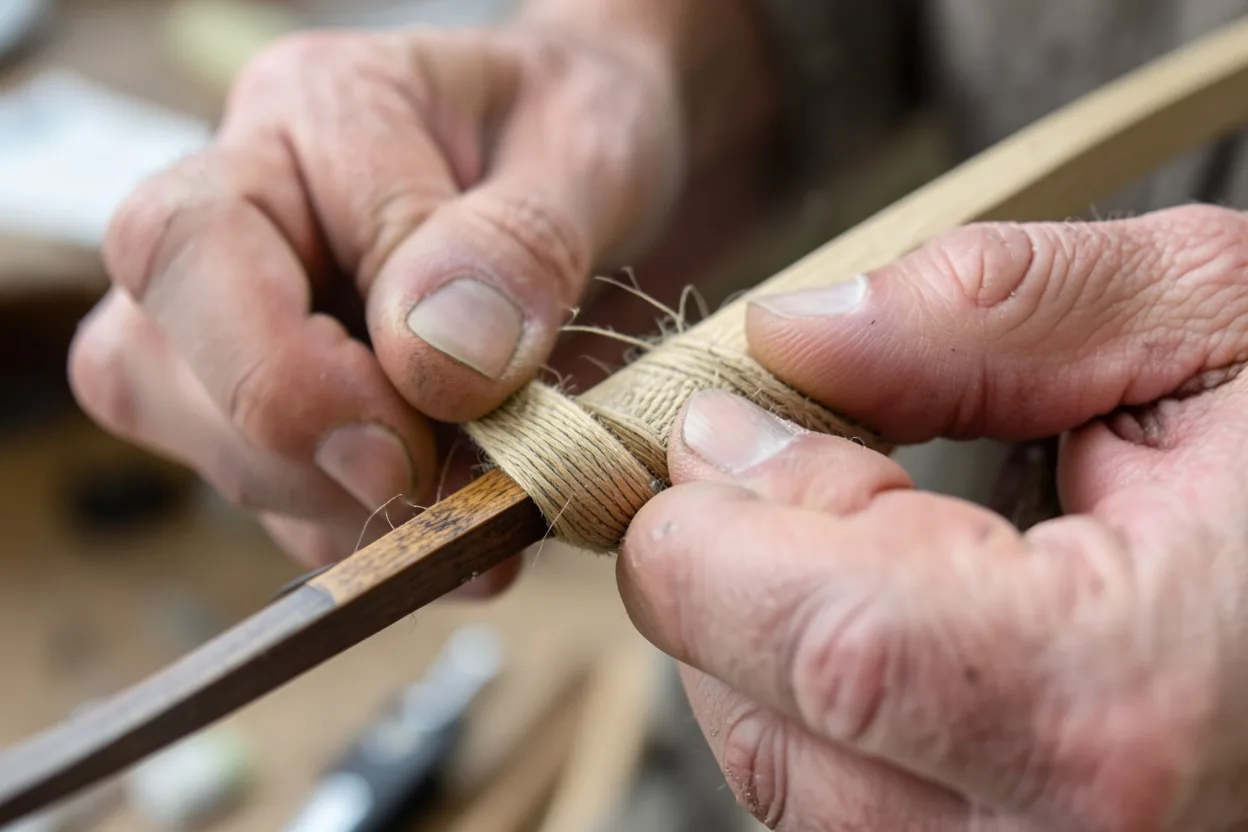
Mass-produced replicas: where quality drops and why it matters
Replica quality drops when shortcuts touch the loading system: reflex profile, stave straightness, sinew backing execution, and nock geometry. That matters because the bow’s draw feel and arrow tune depend on consistent bending and a predictable string track. I’d rather have a simpler, consistent bow than one that looks right but won’t tune to my form.
Common failure areas to inspect: poor reflex, sloppy backing imitation, incorrect stave choice
Poor reflex geometry is the biggest practical issue. Plains bows often aim for power through reflexed or gull-wing profiles, but a factory can copy the silhouette without matching the load path. When that happens, beginners feel like they’re doing everything right and still can’t get consistent groups.
Sloppy backing imitation is the next. Some replicas simulate sinew texture but skip integration. Plains sinew-backed bows averaged 50-70 pounds draw weight, so even small backing problems can show up as string creep, inconsistent hold, or early fatigue.
Incorrect wood choice is the quiet problem. If a bow claims ash, chokecherry, juniper, or osage orange style but the stave grain looks wrong or the wood bends unpredictably, the bow won’t behave like its intended design.
Consistency versus authenticity: when uniformity helps and when it hurts
Uniformity helps for practice and learning. If I shoot the same bow every day, I build consistent form without chasing variables. Replicas can be valuable here because their draw and let-off feel stable across sessions.
Authenticity hurts less than you’d think, even for beginners, when I buy with correct expectations and I tune responsibly. A handmade bow can require small adjustments, but those adjustments teach you how reflex and backing affect your sight picture, anchor, and follow-through.
Red-flag traits tied to likely shortcuts
Generic grips and mismatched limb taper are common tells. Another red flag is nocks that don’t suit real arrow flight. If you see a string groove that forces an odd nock contact point, the arrow may fishtail even when the spine should be close.
Finally, watch for finish that masks defects. When a replica is coated to hide uneven limb thickness or uneven reflex, it becomes harder to evaluate quality, and harder to predict how the bow will behave as it dries or warms.
How do Plains sinew-backed bows compare in size, feel, and use?
Plains sinew-backed bows are usually fairly short, roughly in the 40-50 inch range, with reflexed or gull-wing profiles and sinew backing. That size changes shooting angle and control, and it ties to mounted use, where a shorter bow is easier to manage. Many average 50-70 pounds draw weight, which you should treat as a readiness check.
Size expectations: short length and what it changes for shooting angle and control
Length drives everything from clearance to anchor repeatability. A shorter bow helps on horseback because you’re managing space around saddle and torso. On foot, the same short length can feel lively and fast to aim, but it still demands clean form.
The design target is mounted use. Plains bows were described as the most powerful Native American bows because they could shoot through buffalo, and the short form supports maneuverability alongside that power goal.
Profile expectations: reflexed or gull-wing shapes and their influence
Reflexed gull-wing profiles are common in Plains sinew-backed bows. That geometry affects how the bow stores energy and how it holds at full draw. When the reflex is correct, the bow’s spring and hold feel coherent. When reflex is wrong, you get a draw that feels either dead or unpredictable.
I’ve run into this on my own tuning when I assumed a bow’s shape equaled its behavior. A bow can look close, yet it still asks for different release timing because string speed and hold length are different.
Mounted context: why those dimensions matter for horseback maneuverability
Mounted hunting and war use favored shorter bows for maneuverability, speed of shooting, and practical control on horseback. The short length, often around 42-48 inches, keeps the bow quick to point while you’re changing head position and working around reins and tack.
Carry also matters. Bows and arrows were carried in a bow case and quiver on a warrior’s back. If you plan to re-enact or practice mounted safely, a traditional Plains carry setup can reduce gear distraction.
Typical draw weight range and what it implies for beginner readiness
Plains sinew-backed bows averaged 50-70 pounds draw weight. That range can be a lot for beginners, especially if you’re learning form and release timing at the same time.
With a Plains-style bow, flinch at full draw often shows up as inconsistent arrow grouping, which can mislead you into blaming arrows instead of bow weight.
What should you look for when buying a Native American style bow?
When buying, look for coherence. The wood stave species matches the style claim, the bow length and reflex profile fit the intended Plains use case, and the sinew backing is actually integrated. Confirm limb symmetry and nock quality, then choose draw weight you can hold without flinching. That is how you avoid both inaccurate history and poor shooting.
Wood bow stave species options and how grain affects performance
Stave species matters because stiffness and working properties differ. Plains bow staves are commonly ash, chokecherry, juniper, or osage orange. Straightness and grain orientation also change how the limb loads under draw. That affects speed, forgiveness, and whether the bow behaves consistently shot to shot.
In my shop checks, I treat stave straightness like a tuning input. A bow can be the right species and still behave poorly if the grain orientation is unlucky, or if thickness was built inconsistently.
Arrow materials: wood shafts, stone or flint points, feathers, and metal after trade
Traditional arrows used wood shafts with arrowheads carved from flint or another hard stone. Turkey feathers were used to help arrows fly straighter. After European trade, metal arrowheads were adopted because they were easier to shape and more durable.[2]
For your purchase decision, match the arrow system to the bow’s draw weight and profile. If you buy a replica bow meant to be decorative but you plan to shoot it, you’ll still need a workable arrow setup that respects draw weight and spine behavior.
Bowstring material and what it changes
Plains men used bowstrings made from sinew. Traditional sinew strings differ in elasticity and behavior compared with common modern substitutes. That affects how the bow returns and how it sounds and feels at release.
If a bow is designed around sinew behavior but you run a modern string without adjusting your expectations, you can see changes in tuning and arrow flight. It can still work, but it’s harder to diagnose problems because the bow and string are now mismatched to the intended draw feel.
Bow case and quiver basics: carry method, protection, and back-carry use
Traditional carry used a bow case and quiver on a warrior’s back. For your day-to-day use, the key is protecting the limbs and backing surface from bumps and weather while keeping arrows secure during movement.
If you’re practicing or traveling, a case that supports the bow’s shape and reduces twist is more helpful than a case that just fits. That is especially true for short reflexed bows where handling mistakes can shift your grip during transport.
Mounted hunting bow context: shorter length, maneuverability, speed of shooting
Mounted hunting bow context favors shorter length for horseback. The goal is maneuverability and speed of shooting. War use context demands quick pointing and repeatable release while you’re moving.
If you plan to shoot mounted, choose a bow that matches the mounted dimensions. If you plan to shoot from stands or ground blinds, you’ll still benefit from the short design’s control, but you’ll want a draw weight you can handle without flinching.
Comparison checklist: Handmade Native American bows vs mass-produced replicas
Use this checklist in a store or at pickup. Go point by point, record what you see, and keep your decisions tied to build coherence. That means species plausibility, length, reflex geometry, real sinew backing execution, and how the nock and grip fit a safe, repeatable shot. If a point looks close without matching behavior, assume it’s a problem.
| Inspection point | What “handmade” suggests | What a replica red flag can look like |
|---|---|---|
| Wood species | Ash, chokecherry, juniper, or osage orange consistent with the claim | Stave looks generic or grain selection is unclear for the stated species |
| Bow length | Plains-like short build for mounted use, about 42-48 inches | “Short” in name but measured length doesn’t match the intended style |
| Reflex profile | Reflexed gull-wing profile that matches the bow’s power approach | Silhouette looks right but reflex is uneven or collapses feel under draw |
| Sinew backing | Sinew backing layered onto the bow back using hide-scrapings glue and sinew scraps | Backing reads as applied decoration or sits like a separate skin |
| Limb symmetry | Tips and limb thickness feel balanced side to side | One limb flexes differently or thickness taper looks mismatched |
| Grip shape | Grip supports a stable anchor and matches the bow’s profile | Generic grip that forces your hand into an awkward hold |
| Nock quality | Nock geometry suits the bowstring and keeps the arrow aligned | String contact sits oddly or the arrow seats inconsistently |
| Finish | Finish doesn’t hide major thickness or reflex problems | Heavy finish that masks uneven limbs or backing transitions |
| Arrow compatibility | Built to shoot appropriate arrow length and mass for the draw weight | Claims compatibility without matching spine, point, and fletching behavior |
| Draw feel | Draw and hold feel coherent with reflex and sinew behavior | Dead spots, sudden weirdness, or a draw that changes from session to session |
| Intended use | Designed for mounted use when short Plains style is claimed | Decorative design marketed for hunting practice without build cues |
| Red-flag replica traits | Consistent build choices from stave to backing to string fit | Generic styling, mismatched limb taper, and nocks that don’t suit real arrow flight |
- Measure bow length and confirm it matches the claimed style.
- Check reflex consistency visually from both limbs.
- Inspect sinew backing transitions: look for real integration cues, not only surface texture.
- Compare limb symmetry for thickness and curve.
- Test the grip position with your anchor plan.
- Check nock and bowstring interaction before you commit.
- Discuss intended use case: display, practice, historical re-enactment, or hunting legality where applicable.
- Match arrow setup plans to the bow’s draw weight and profile.
- Only then decide on draw weight for beginner readiness.
What size and setup should you choose for your arrows and goals?
Your arrow setup should follow your bow’s draw weight and profile. Traditional Plains systems used wood shafts with flint or stone points and feathers for fletching, and later metal points became common for durability and easier shaping. Choose sinew-like bowstring behavior when you want traditional draw feel, and protect carry with a proper case and quiver.
Arrow materials and how traded-era metal points change selection
If you’re building a traditional practice kit, wood shafts paired with flint or another hard stone points and feather fletching keep the system coherent with historical materials. Turkey feathers were used to help arrows fly straighter.
If you move to metal points after trade-era adoption, remember the point weight and balance change. You’ll need to adjust arrow mass and length choices so your arrow flight matches the bow’s draw weight and your release style.
Bowstring material and behavior: sinew-backed feel vs modern substitutes
Traditional bowstrings made from sinew affect elasticity and response. If you run modern substitutes on a bow built around sinew behavior, you can feel changes in how the bow returns and how it holds. That can still shoot well, but diagnosis gets harder when tuning issues appear.
When you’re learning, reduce variables. If the bow is sinew-backed and was intended for that string behavior, start there before you change arrow components.
Accessory fit: bow case and quiver choices, including back-carry considerations
For practical use, get a bow case that protects limbs and backing during transport and weather. A traditional Plains setup carried bows and arrows in a bow case and quiver on a warrior’s back, and that carry method reduces gear snagging during movement.
If you plan to practice in varied environments, choose carry gear that keeps the bow stable and protected. Short reflexed bows are fast to aim, but they can get bumped if your case fit is poor.
Frequently asked questions
Are handmade Native American bows better than mass-produced replicas?
Handmade bows are better when your priority is authentic construction study and a bow whose draw behavior matches the real design choices. Replicas are better when you want predictable feel, easier practice repeatability, and faster access to matched accessories. Your goal should decide first, then your inspection checklist decides what you actually buy.
How can you tell if a Native American style bow is handmade?
Look for coherent build execution. That means plausible wood species selection, short Plains-style length around 42-48 inches when claimed, reflex geometry that matches the profile, and sinew backing that appears integrated using traditional layered method cues. Check limb symmetry, grip function, and nock geometry that suits the bowstring and arrow alignment.
What makes a replica bow inaccurate or low quality?
Replicas tend to be low quality when reflex profile is copied without matching how the limbs load, when sinew backing is imitated only at the surface, and when the stave straightness and grain orientation don’t support the bow’s claimed draw behavior. Nocks and strings that don’t fit the intended arrow system can also ruin flight.
Do handmade Native American bows shoot better than factory-made ones?
Handmade bows can shoot extremely well when built with correct reflex, integrated sinew backing, and sound limb symmetry. Factory-made replicas can also shoot well, especially for consistent practice. The deciding factor is whether the bow-tune system is coherent: bow reflex, string behavior, and compatible arrow setup.
What materials were traditionally used in Native American bows?
Traditional Plains bows commonly used wood staves such as ash, chokecherry, juniper, or osage orange. Sinew backing was layered onto the bow back using glue from hide scrapings and sinew scraps, and bowstrings were made from sinew. Arrows used wood shafts, stone or flint points, and feathers for fletching.
What size Native American style bow should I buy?
If you’re targeting a Plains-style mounted bow, expect short lengths about 42-48 inches. If you’re a beginner, you still need to choose draw weight you can hold without flinching, and Plains sinew-backed bows averaged 50-70 pounds draw weight. Match length and weight to your goals: practice, display, or realistic use.
Are sinew-backed Native American bows more powerful?
They can be, because sinew backing and the reflexed gull-wing profile contribute to how the bow stores and returns energy. Plains bows were described as the most powerful Native American bows because they could shoot through buffalo. That said, power only matters if you can control it safely and tune arrows properly for your setup.