What Wood Did Native American Bows Use Most Often?
Native American bows often used woods like ash, hickory, and osage orange, though the best-known wood likely varied by region and bow type. Hickory and ash were common in many self bows, and osage orange was also valued in some southeastern hunting bows. Skip that regional split, and the result is oversimplified. It misses why some bows held up under hard use and others failed.
This guide is part of our Native American bows and arrows guide series.
What wood did Native American bows use most often?
The shortest accurate answer is that there was no single universal bow wood. Local hardwood came first, then regional favorites such as ash, hickory, and osage orange. In many examples, bow makers chose wood that was flexible, tough, and close at hand, because a bow had to bend deeply without taking a permanent set or breaking.
Why there was no single universal bow wood
Native American bows were made from local natural materials, so wood choice shifted by tribe, environment, and use. A long self bow in the Eastern Woodlands did not need the same wood as a short sinew-backed Plains bow. Geography mattered. So did game size, climate, and whether the bow was for hunting or war.
The short answer: local woods first, then regional favorites
If a reader wants the shortest honest answer, it is this: ash and hickory appear often because they are strong, flexible hardwoods suited to self bows; osage orange appears often because it is highly prized for strength; cedar and birch show up in some regional examples, especially where those woods were practical and available.
📊 Approximate draw weight of many Native American bows is said to be 50 pounds for most game. Source: Archeryhistorian.
Which woods show up most often in Native bow examples?
The woods most often named in examples are hickory, ash, and osage orange. Cedar and birch appear too, but more as regional or situational choices than as the first woods mentioned in broad summaries. The ranking shifts with geography, yet the same pattern repeats: flexible hardwoods get used where strength and spring matter most.
Hickory: flexible and strong for self bows
Hickory is one of the most commonly listed bow woods because it bends well and stands up to hard use. It fits the classic self bow pattern, where a single stave is shaped into a working bow. Hickory is especially useful when a maker wants toughness without building a layered composite design.
Ash: a common hardwood choice across regions
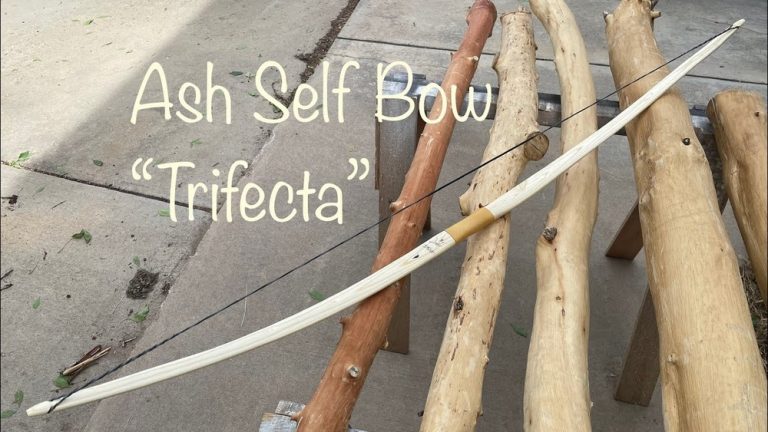
Ash is another wood commonly named for Native American bows. It is a flexible hardwood, which is exactly the kind of material that works for a self bow. Ash appears across multiple regions because it was widespread and workable, not because it belonged to only one tribal tradition.
Osage orange: prized for strength and durability
Osage orange is often described as a favorite bow wood because of its strength. It is dense and durable, which made it valuable for powerful self bows. It is especially associated with the Southeast and with high-performance bows, where a maker wanted maximum cast from a naturally strong stave.
Cedar and birch: lighter regional options
Cedar is listed among the popular woods used in Native American bow making, and it also appears in western Plains examples. Birch shows up in some regional traditions as well. Neither should be treated as the default everywhere, but both belong in the broader picture of local woods chosen for local needs.
A common first-timer mistake is to treat every named wood as equally common. That flattens the real pattern. Ash and hickory are broad favorites because they suit many self bows. Osage orange is famous because it makes a serious bow. Cedar and birch matter because some regions relied on them when local conditions made them practical.
Were Native American bows self bows, sinew-backed bows, or composite bows?
Native American bows included all three forms, but not in equal ways. Self bows were common, especially in the Eastern Woodlands. Sinew-backed bows became more important on shorter Plains bows. Composite bows used wood plus sinew, horn, or antler, making them more compact and efficient in some settings.
Self bows and why they were common in the Eastern Woodlands
Eastern Woodlands tribes typically used long self bows. A self bow is a single-piece wood bow, and that simple structure suits many eastern woods and hunting styles. The long shape spreads the bend over more of the limb, which helps a wood bow work well without added layers.
Sinew backing and why it mattered on shorter bows
Sinew-backed bows became common after horses were adopted on the Plains. Sinew, or animal tendon, adds power and resilience to a bow limb. That mattered most on shorter bows, where the wood had less length to absorb stress. Sinew backing let a compact bow store more energy safely.
Composite bows and where wood was only one part of the design
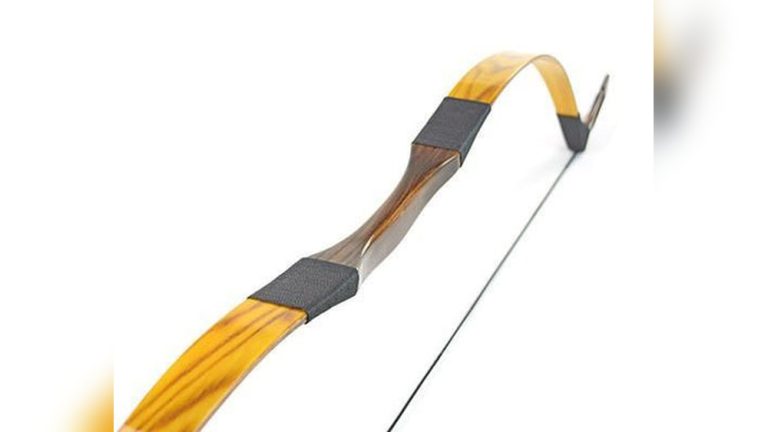
Composite bows were more complex. Wood was only one part of the structure, with sinew, horn, or antler added to change performance. A Sioux example used horn, cow horn, or elk antler in a bow type. That kind of design is different from a plain self bow and should not be lumped in with it.
How did region change the wood choices?
Region changed the answer. Eastern Woodlands bows were often long self bows. Plains bows were often shorter and later became sinew-backed after horse culture spread. Western and Southwestern examples could include ash, mulberry, osage orange, or cedar. The wood choice followed local species, bow length, and the way the bow would be used.
Eastern Woodlands examples
In the Eastern Woodlands, long self bows were typical. Hickory and ash fit that pattern well because they are strong, flexible hardwoods. Osage orange also appears in the broader record, especially where stronger staves were available. The defining feature here is the long, simple bow made from a single piece of wood.
Plains examples
The western Plains used woods such as ash, mulberry, Osage orange, or cedar. After horses were adopted, bows often became shorter. Sinew-backed bows became common, because shorter bows needed extra resilience and power. This is the setting where cedar and other local woods appear alongside the better-known hardwoods.
Western and Southwestern examples
Western and Southwestern traditions show more variation because wood availability could be limited in dry country. Makers used local species that fit the environment, and the bow design often reflected that scarcity. Flexible hardwoods still mattered most, but shorter forms and backing materials became more important where a simple long stave was harder to obtain.
| Region | Bow wood | Backing material | Bow length | Likely use case |
|---|---|---|---|---|
| Eastern Woodlands | Hickory, ash, sometimes osage orange | Usually none for a self bow | Long self bows | Hunting and warfare with a simple single-piece bow |
| Plains | Ash, mulberry, osage orange, cedar | Sinew backing common after horses | Shorter bows | Mounted use, quick handling, hunting, warfare |
| Western and Southwestern examples | Ash, cedar, birch, other local woods | Sinew or composite construction in some cases | Varied, often compact | Regional hunting needs and local material limits |
Why did some Native bows get shorter on the Plains?
Plains bows got shorter because mounted use favored a compact, handier bow. After horses were adopted, a long bow was less convenient on horseback. Shorter bows were easier to manage from the saddle, and sinew backing helped those shorter limbs store more energy without failing under stress.
Horse culture and compact bow design
When mobility changed, bow shape changed with it. A shorter bow is easier to draw and control in tight mounted use. Sinew-backed bows became common after horses were adopted on the Plains because they helped offset the limits of a shorter stave. That design fits fast movement and close-range fighting.
Why sinew backing helped shorter bows perform well
Sinew backing adds resilience by reinforcing the back of the bow, where tension is highest. On a short Plains bow, that matters a great deal. The bow can bend more safely and recover more quickly. That is why the material choice and the bow length are tied together in Plains examples.
How shorter bows changed material choices
Shorter bows often pushed makers toward stronger woods and added reinforcement. Osage orange became especially attractive where power mattered. Ash, mulberry, and cedar also appear in Plains examples because local access still mattered. The shorter format did not replace wood choice; it made backing and stave quality more important.
Say your only goal is to identify a likely Plains bow from a museum photo. A short stave with sinew backing points in one direction. A long unbacked bow points in another. The shape tells as much as the wood, because bow design and wood choice were linked.
What other materials were used besides wood?
Besides wood, Native American bows used sinew, horn, antler, and plant fibers. Sinew could be a backing material or a string material. Plant fibers such as hemp and nettle were twisted into bowstrings in some contexts. These materials are separate from the bow wood itself and should be treated that way.
Sinew as reinforcement and string material
Sinew is identified as a popular material for bow strings, and it also served as backing on some bows. That dual use matters. It could strengthen a short bow or function as part of the string system. In both cases, sinew changed how the bow stored and released energy.
Plant-fiber strings such as nettle, milkweed, and hemp
Plant fibers such as hemp and nettle were used as string materials, and milkweed appears in traditional stringing discussions as well. Two-ply twisting was a common way to make Native bowstrings. Three-ply twisting was used to make even stronger bowstrings. These details belong to string making, not bow wood identification.
Hide, horn, and antler in composite construction
Hide, horn, and antler appear in composite bow construction, where wood is only one part of the finished bow. A composite design can be more compact and efficient than a plain self bow. That is useful for mounted use or for regions where short, strong bows were preferred.
- Identify the region first.
- Decide whether the bow is a self bow, sinew-backed bow, or composite bow.
- Check whether the wood is a local hardwood such as ash or hickory.
- Look for osage orange when the bow is especially strong or associated with southeastern examples.
- Consider cedar, birch, or mulberry when the bow comes from a regional example rather than a broad generalization.
- Separate bow wood from string material and arrow-shaft material.
Frequently asked questions
What wood did Native American bows use most often?
Native American bows generally used local woods, with ash, hickory, and osage orange appearing often in examples. There was no single universal wood across all tribes. Region, bow type, and available species shaped the final choice more than any one tree did.
Was ash or hickory more common for Native American bows?
Both ash and hickory are commonly listed as bow woods, and neither should be treated as a clear universal winner. Hickory often stands out for toughness and flexibility, while ash appears widely across regions. The more accurate view is that both were common hardwood choices for self bows and regional variations.
Did Native American tribes use Osage orange for bows?
Yes. Osage orange is often described as a favorite bow wood because of its strength and durability. It is especially associated with powerful self bows, and it appears frequently in southeastern examples. That said, it was not the only important bow wood, and it should be read as one prized option among several.
Were Native American bows made from cedar or birch?
Yes, both cedar and birch appear in Native American bow traditions, but they were not universal favorites. Cedar shows up in Plains and other regional examples, often as a lighter option. Birch appears in some local traditions as well. Their presence reflects local availability more than continent-wide dominance.
Were Native American bows self bows or sinew-backed bows?
Both types existed. Eastern Woodlands tribes typically used long self bows, while sinew-backed bows became common after horses were adopted on the Plains. Self bows are simpler single-piece bows. Sinew-backed bows add reinforcement, which helped shorter bows perform well in mounted or high-stress use.
Why did some Native American bows get shorter on the Plains?
Plains bows got shorter because horse culture favored compact bows that were easier to handle from the saddle. Shorter bows also worked well with sinew backing, which added strength and resilience. The shift was practical, not decorative. It matched mounted use, mobility, and the demands of Plains hunting and warfare.
What other materials were used besides wood in Native American bows?
Sinew was used for reinforcement and, in some cases, as a string material. Plant fibers such as hemp, nettle, and milkweed were also used for bowstrings, often twisted into two-ply or three-ply forms. Some composite bows used horn or antler as well. These materials changed how a bow behaved, without replacing the wood itself.