How to Tune Broadheads to Match Field Points
Tune broadheads by first matching field-point impact at 20 yards, then diagnose the first miss in this order: paper tune if needed, rest alignment, spine, timing, and broadhead flight behavior. Skipping that order wastes arrows, hides setup faults, and can leave fixed blades off target at hunting distance. This guide shows a simple diagnosis workflow to get broadheads grouping with field points on a compound bow.
This guide is part of our Archery basics: beginner guide to bows and shooting series.
What you’ll need

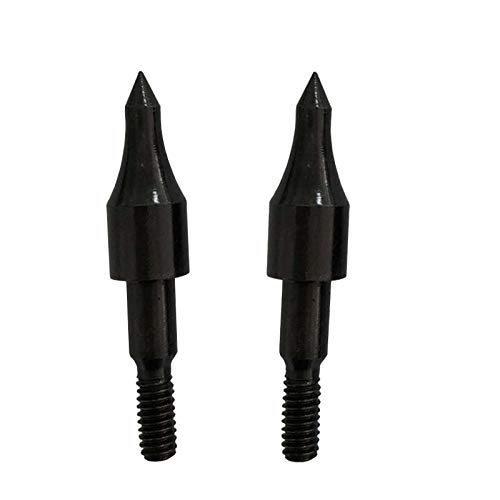

- Field points in the same weight class as your broadheads, usually 100 gr or 125 gr
- Broadheads of the same weight as the field points
- Three to six identical arrows
- Arrow rest tool or Allen keys for windage and height
- Bow sight for checking point of impact
- Paper tuning frame or paper target
- Square or ruler for arrow length checks
- Marker or tape for labeling test arrows
Why do broadheads hit different?
Field tips are simple practice points with a rounded nose and a small surface area. Broadheads add blades, and those blades catch air. That extra drag can make an arrow plane left, right, high, or low depending on spine, release quality, and bow setup. Fixed-blade heads usually show the problem sooner because their blades steer the shaft more than mechanical heads.
Arrow spine matters too. Static spine is the shaft’s rating. Dynamic spine is how that shaft behaves once you add point weight, arrow length, nock fit, and bow speed. A setup that looks fine at 20 yards can still miss with broadheads at 30 yards if the bow and arrow setup are not fully tuned.
Field tip vs broadhead
Field tips are used for practice and target work. Broadheads are hunting tips with cutting blades, so they do not always fly the same out of the box. That difference is why point-weight matching, arrow length, and rest position matter before sight changes do.
Step 1: Match the setup first
- Match broadhead and field-point weight as closely as possible, following the manufacturer’s guidance, such as 100 gr to 100 gr or 125 gr to 125 gr.
- Keep draw weight fixed during the test. Do not change limb bolts between shots.
- Measure every test arrow from the nock throat to the end of the shaft, and keep the length the same across the batch.
- Check each broadhead for straightness and sharpness before shooting.
Say your field points are 100 gr and your broadheads are 125 gr. That 25-grain jump can change dynamic spine enough to move impact even if the bow looked tuned before. Start with matched weight first, because that removes one variable before the rest gets touched.
Do I need paper tuning before broadhead tuning?
Paper tune first if the bow has not been checked recently. Paper tears point to nock and rest issues, which broadhead groups will also punish. Paper tuning is a diagnosis step, not final proof. A clean hole does not guarantee broadheads will group, but a bad tear usually means the rest or nock travel needs work first.
Read the tear, not the guess
For right-handed shooters, a left or right tear can point to rest position, nock travel, or grip torque. For left-handed shooters, the same tear can point in the opposite direction. A high or low tear can point to rest height, nocking point issues, or vertical timing problems. Keep the bow at the same draw weight and use the same arrows during every paper shot.
Step 2: Tune at short range first
- Set a target at about 10 to 20 yards.
- Shoot one field-point group and one broadhead group with the same arrows and form.
- Move the rest in very small increments only; about 1/32 inch is a common starting change for windage or height, then recheck.
- Retest before touching the sight.
The sight confirms point of impact. It should not hide a bad tune. If a broadhead group is left, move the rest toward the broadhead group first. If it is high or low, check rest height and nock travel before changing sight pins. Drop-away rests often react more cleanly to small center-shot changes than biscuit-style rests, which add more contact and can affect vane clearance and broadhead tuning.
Picture a beginner compound shooter with a drop-away rest and a 20-yard gap between field points and broadheads. A 1/32 inch rest move and a second paper check will usually tell more than a big sight correction. If the group closes up after that move, stay with it and confirm again before going farther back.
Should you adjust the rest or sight?
Adjust the rest first when the broadhead impact shifts relative to the field point group. Use the sight only to confirm the new point of impact after the tune improves. Sight movement alone can make two groups line up at one distance while hiding a rest or spine problem that shows up later.
Drop-away vs biscuit rests
Drop-away rests usually leave less blade contact, so they are easier to fine-tune with broadheads once centershot is close. Biscuit rests can stabilize the arrow well, but they also create more contact and can affect vane clearance and broadhead tuning. That does not make them bad; it just changes the order of checks.
Broadhead tuning matrix
| Impact direction | Likely cause | First adjustment | When to stop tuning and change setup |
|---|---|---|---|
| Left | Rest too far left, weak dynamic spine, nock travel issue | For a broadhead that lands left, a common first adjustment is to move the rest right about 1/32 inch and retest at about 10 to 20 yards. | Stop if three rest moves do not close the gap; try a stiffer spine or shorter arrow |
| Right | Rest too far right, stiff dynamic spine, blade steering | For a broadhead that lands right, a common first adjustment is to move the rest left about 1/32 inch and retest. | Stop if the gap stays after paper tune and centershot checks; try more point weight or a different spine |
| High | Rest too high, nock point too high, timing mismatch | Lower rest 1/32 inch and recheck paper and groups | Stop if the tear stays or vane clearance fails; inspect timing and nocking point setup |
| Low | Rest too low, nock point too low, poor clearance | Raise rest 1/32 inch and retest | Stop if the arrow still shows clearance trouble; change arrow length, nock fit, or timing setup |
What if broadheads still won’t group?
If the broadheads still miss after rest micro-adjustments, stop treating the sight as the fix. Check arrow spine, cam timing, nock travel, and vane clearance next. Those problems can mimic a bad broadhead tune even when the rest looks close. Fixed-blade heads are more sensitive here than mechanical heads.
- Inspect timing marks and cam sync on the bow.
- Check for fletching contact on the rest, cable, or berger hole.
- Compare one broadhead arrow against one field-point arrow at 30+ yards only after the 10- to 20-yard group is clean.
- Change point weight, arrow length, or spine only after the same rest move fails more than once.
A common first-timer mistake is chasing a broadhead group with only the sight. Suppose a 70-pound bow with 500 spine arrows prints field points well at 20 yards, but a 125 gr fixed blade lands 4 inches left. If rest moves and a paper check do not reduce that gap, the shaft may simply be too weak for the setup.
Fixed-blade versus mechanical heads
Fixed-blade broadheads usually need the cleanest tune because the blades steer the arrow. Mechanical broadheads often behave closer to field points, but they still need the same weight match and identical arrows. If a mechanical head groups poorly, do not assume the bow tune is fine; check straightness and weight first.
Common mistakes
Most bad broadhead sessions come from changing too many things at once. Keep draw weight constant, keep arrow length identical, and use the same shooting form during every test. A sight change, a rest change, and a different arrow in the same round make the result hard to read.
- Using 100 gr field points with 125 gr broadheads
- Changing draw weight during tuning
- Mixing arrow lengths in the same test set
- Making large rest moves before checking paper
- Ignoring cam timing or nock travel when the broadhead still misses
Prevention: label the test arrows and keep one tuning log for weight, rest position, and distance. That makes it easier to return to the last good setting if a later change makes the group worse.
Frequently asked questions
How do I tune broadheads to match field points?
Start by matching point weight, then paper tune, then shoot at 10 to 20 yards. Use rest micro-adjustments before sight changes. If the gap remains after several small moves, check spine, cam timing, and arrow length instead of forcing the sight to hide the problem.
Why do broadheads hit different than field points?
Broadheads create more steering drag than field points, especially fixed blades. That drag exposes weak spine, imperfect centershot, and nock travel issues. Mechanical heads are often less sensitive, but they still depend on weight match and a consistent arrow setup.
What is the difference between field tip vs broadhead?
Field tips are practice points with simple shapes that track well in target work. Broadheads have cutting blades, so they interact with air differently and can plane if the bow or arrow setup is not close. That is why a matched weight is the baseline, not the finish line.
How far should I tune broadheads from my field points?
Start at 10 to 20 yards, where rest and spine problems show up early and are easier to read. Once the groups are close there, confirm at 30 yards or more. Do not use long-range sight changes as proof that the tune is fixed.
Can fixed-blade broadheads be tuned like field points?
They can be brought into the same group, but they are less forgiving than field points. The usual path is matched weight, clean paper tune, small rest moves, and then verification at short and longer range. If that fails, the arrow setup may need a different spine or length.