Olympic Recurve Bow Cost
A usable Olympic recurve setup usually costs about $500 to $1,200; a competition-ready rig often lands around $1,500 to $3,000+, depending on riser, limbs, sight, arrows, and stabilizers. Buying only the bow leaves out parts that control fit, tuning, and scoring. This guide breaks down each line item, what is optional, and where new competitors should spend first.
What an Olympic recurve bow costs


An Olympic recurve bow is the bowstyle used at the Olympic Games, and it has been since archery’s return in 1972. The price question gets messy because buyers often stop at the riser or limb set, while the full system also needs aiming and tuning gear. That is why the bare bow price rarely tells the full story.
A bare riser can look affordable on its own, but a full target setup adds the parts that make the bow ready to shoot and tune. A complete Olympic recurve setup starts around $500–800, while flagship setups can run above $2,000. Most buyers should think in layers, not in one bow price.
Bare bow versus full setup
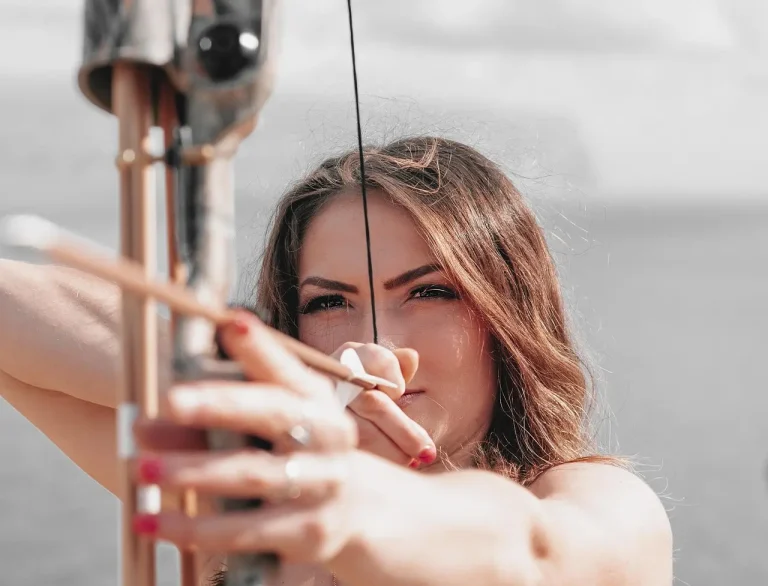
The riser is the bow’s center handle and mounting base. It accepts limbs and accessories, but it cannot aim an arrow by itself. Once you add limbs, string, sight, arrow rest, pressure button, stabilizers, finger tab, and arm guard, the total changes fast.
A takedown recurve with ILF limb fitting is the most practical upgrade path for most new competitors. ILF is a universal standard with cross-brand limb compatibility, so a buyer can change limbs later without replacing the whole bow. That keeps early spending from becoming a dead end.
What most buyers miss on first purchase
Many first-time buyers budget for the riser and limbs, then discover the setup still needs aiming and tuning parts. The sight, rest, and plunger are not extras in Olympic recurve shooting; they are part of the real cost stack. Stabilizers also add meaningful expense if the archer wants a competition-style setup.
Say your budget covers a $250 riser and a $180 limb set. The bow is still incomplete without the rest, plunger, sight, string, and protective gear, so the final bill can climb by several hundred dollars before the first tournament is even possible.
📊 Recurve has been the Olympic bowstyle since archery’s reintroduction in 1972. Source: Worldarchery.
Olympic recurve parts and costs
The main cost drivers are easy to name, but each one does a different job. The riser sets the platform. Limbs set draw weight and feel. The sight, rest, and plunger handle aiming and arrow clearance. Stabilizers steady the bow. Protective accessories keep the shooter safe and consistent.
Riser
The riser is the bow’s center handle and base. Recurve risers are often made of aluminum or carbon fiber, and price varies widely by brand, machining, and finish. A basic riser may be enough for club shooting, while a higher-end one can cost far more without changing the bow’s basic function.
Limb set
Limbs determine draw weight on a takedown recurve. Beginners typically start with 18–24 lb limbs, because lighter limbs help form stay clean while the archer learns posture, draw length, anchor, and release. Buying heavy limbs too early is a common mistake, and it usually costs more than it saves.
String, sight, rest, and plunger
The string is not where the budget should be cut to the bone, because a proper string belongs in a tuned setup. The sight attaches to the riser and is used for aiming. The arrow rest supports the arrow at full draw, and the pressure button helps the arrow leave the bow straight. Those parts are part of a real Olympic setup, not extra decoration.
Stabilizers, finger tab, and arm guard
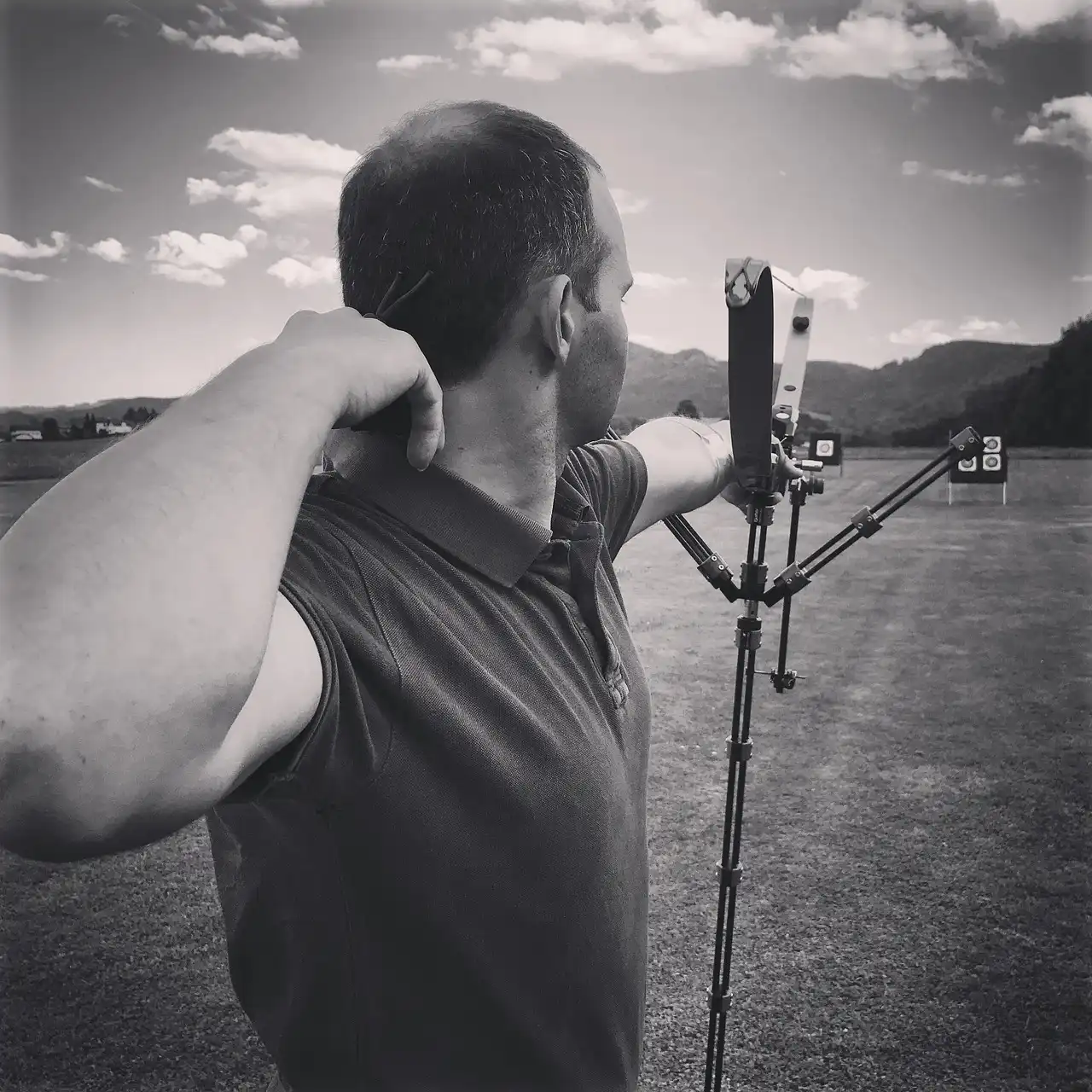
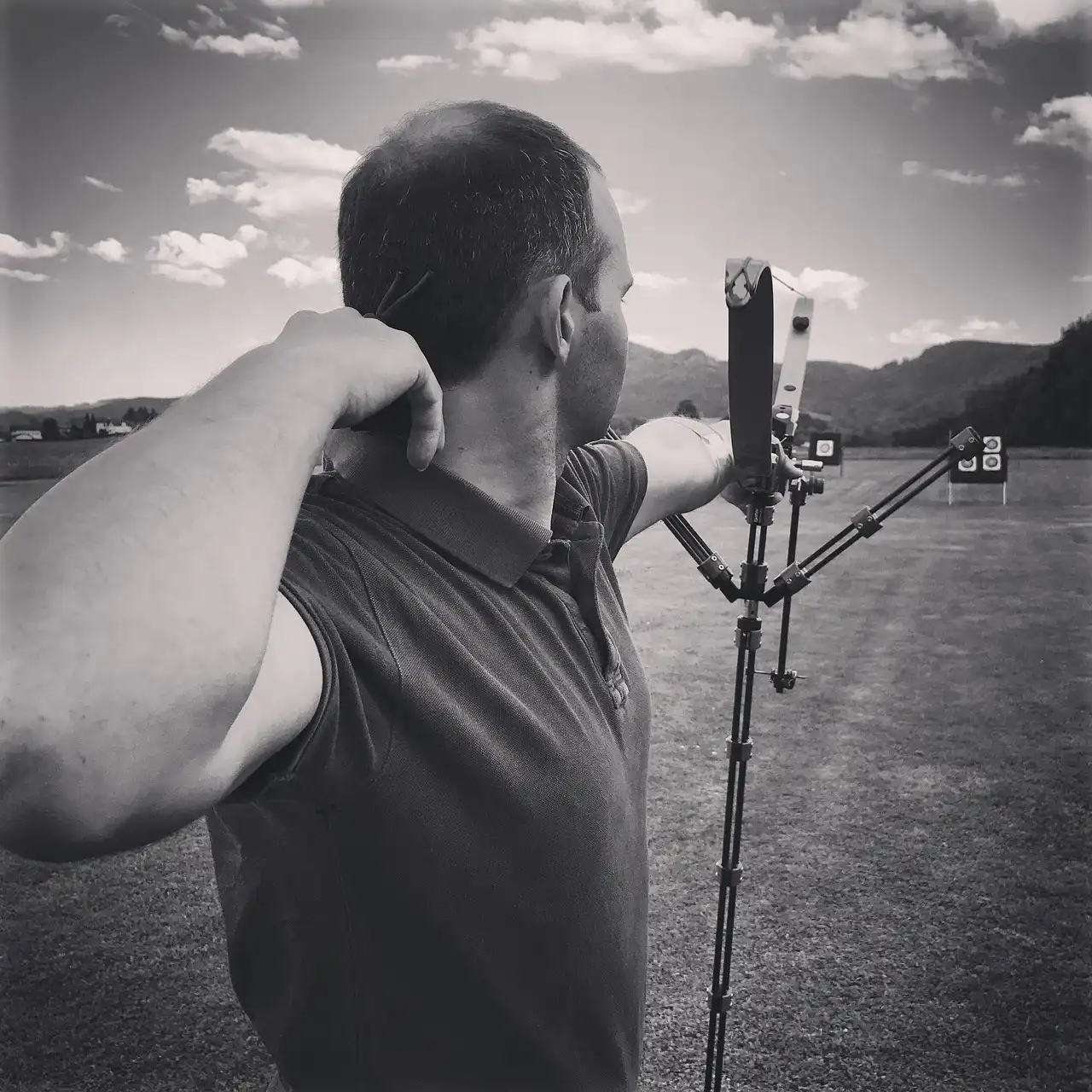
The stabilizer system adds long rods and dampers that reduce vibration and help balance the bow. It adds cost quickly, but it is not the first thing every beginner needs. A finger tab protects the string fingers, and an arm guard protects the forearm from string slap. Both belong in a beginner-to-competition kit.
Suppose a new archer buys a 28-inch riser and 22 lb limbs, then adds a sight but skips the plunger. The bow will still shoot, but tuning gets harder, and arrow flight can suffer. The result is often frustration, not savings.
What do you need for a full setup?
A full Olympic recurve setup includes limbs, string, sight, arrow rest, plunger, and stabilizer system. For competition readiness, the riser and limbs are only the base. The rest of the system is what turns a takedown bow into a target rig that can be tuned and repeated shot after shot.
Mandatory items for competition readiness
The items that are non-negotiable for a true Olympic-style setup are the riser, limbs, string, sight, arrow rest, and plunger. Add a finger tab and arm guard for safe shooting. If the plan is to shoot target archery in a proper Olympic format, these are not optional long-term.
Optional items you can add later
Stabilizers are the main optional item at the start. Many archers add them once basic form is stable and the bow’s balance becomes the next problem to solve. Extra weights, clickers, quivers, and higher-end dampers can wait until the shooter knows what the bow actually needs.
Where beginners should spend first
Spend first on the riser, limbs, and a proper finger tab. Next, buy the sight, rest, and plunger so the bow can be tuned correctly. Stabilizers come after that unless the archer already knows they want a full target setup from day one. That order keeps waste down.
ILF limb fitting and upgrade path
ILF stands for International Limb Fitting, and it is the most useful upgrade path for buyers who expect to improve. It gives cross-brand limb compatibility, so the archer can move from beginner limbs to stronger or better-matched limbs without replacing the whole riser. That matters more than buying a fancy limb set too early.
Why ILF helps control long-term cost
An ILF riser can stay in the rotation while limb weight changes with form. That matters because draw weight choice affects every part of the shooting experience. If the limbs are too heavy, the archer may struggle to hold anchor, keep shoulders aligned, or finish a clean release.
The practical move is to start light, then move up only when form and control are ready. That is cheaper than buying a heavy limb set now and replacing it after a few months.
When a fixed-limb bow makes less sense
A fixed-limb bow makes less sense when the goal is target archery progression. It limits upgrade flexibility and can force a full replacement when draw weight or fit needs change. For most new competitors, takedown plus ILF gives a clearer path from beginner to tournament use.
Why does an Olympic recurve cost so much?
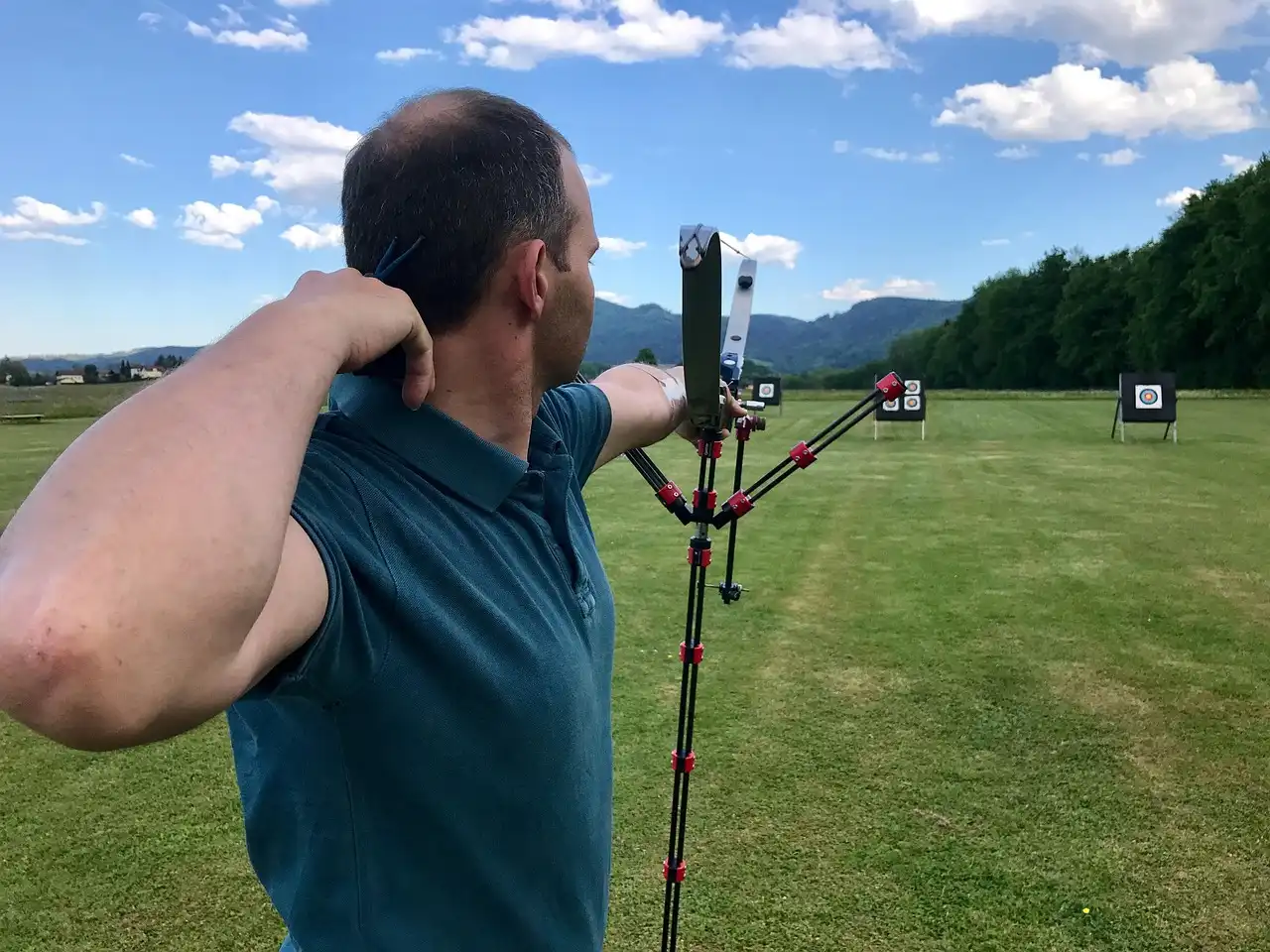
Prices climb because the setup has more parts than a casual bow, and several of those parts are precision items. The riser is usually machined aluminum or carbon fiber, the limbs use advanced materials, and the accessory stack adds cost before the archer buys arrows or extras beyond the basics.
Materials and machining in the riser
Risers can cost more because they are the structural center of the bow and the mounting point for everything else. Better machining, tighter tolerances, and more refined limb pockets often cost more. That is one reason the price spread between entry-level and top-end risers is so wide.
Accessory stack cost
The sight, rest, plunger, stabilizers, tab, and arm guard add up fast. None of them is exotic on its own, but together they move the total far beyond a bare riser. This is why a bow that looks affordable in one listing can become expensive once the full setup is added.
Brand, import, and availability effects
Region matters. In India, prices can differ from US or EU pricing because of import duties, brand availability, and shipping. A local dealer may stock fewer ILF options, and imported items can cost more than the same item listed in a foreign catalog. The cheapest posted price is not always the final price paid.
Recurve cost ladder table
This ladder shows three sensible budget tiers for an Olympic recurve setup. The numbers are estimates, not fixed market prices, and they assume a buyer is building a full system rather than buying a bare bow. Each tier also notes the first upgrade to make after the initial purchase.
| Tier | Riser | Limbs | String | Sight | Rest | Plunger | Stabilizers | Finger tab | Arm guard | Mandatory vs optional | Total estimated spend | First upgrade to make |
|---|---|---|---|---|---|---|---|---|---|---|---|---|
| Budget tier 1: starter setup | $120 | $90 | $15 | $40 | $15 | $25 | $0 | $20 | $15 | Riser, limbs, string, sight, rest, plunger, tab, arm guard are mandatory; stabilizers are optional | $340 | Stabilizer system |
| Budget tier 2: serious club setup | $220 | $160 | $20 | $90 | $25 | $40 | $80 | $25 | $20 | All listed items are expected for regular target shooting; stabilizers are now included | $680 | Higher-quality sight |
| Budget tier 3: competition-ready setup | $450 | $250 | $25 | $180 | $40 | $60 | $180 | $35 | $25 | Full competition-style kit; all items listed are part of the working setup | $1,245 | Arrow tuning and accessory refinement |
How to spend first and upgrade later
The best first upgrade from a starter kit is usually the part that fixes fit or consistency, not the part that looks most advanced. For many archers, that means a better riser or the next sensible limb weight, not a flashy stabilizer bar. Draw weight should rise only when form allows it.
Best first upgrade from a starter kit
If the bow feels unstable in hand, move to a better riser or a stabilizer system. If the archer is stuck at the bottom of the draw-weight range, move up one limb step only after clean anchors and relaxed shoulders are consistent. That order keeps the bow matched to the shooter.
Mistakes that waste budget
One common first-timer mistake is buying limbs that are too heavy because the price looks similar across draw weights. Another is skipping the plunger and rest, then blaming the bow for poor arrow flight. A third is spending on premium stabilizers before the sight picture and form are repeatable.
When to replace limbs versus accessories
Replace limbs when draw weight no longer matches form or training goals. Replace accessories when they no longer hold tune, track well, or fit the shooting style. If the riser is still good and ILF compatibility is in place, the system can usually grow without a full rebuild.
Frequently asked questions
How much does an Olympic bow cost?
An Olympic bow usually means the Olympic recurve setup, not a bare riser. A usable setup often starts around $500 to $800, while a competition-ready build can run much higher. The final cost depends on riser, limbs, sight, rest, plunger, stabilizers, and protective gear.
What is the price of an Olympic recurve bow setup?
A full Olympic recurve setup commonly falls around $500 to $1,200 for a solid beginner-to-club build. More advanced rigs can reach about $1,500 to $3,000+ when the riser, sight, stabilizers, and limb set move into higher tiers. The bare bow is only part of the bill.
How much does a full Olympic recurve setup cost?
A full setup is more than limbs and a riser. Once the sight, arrow rest, pressure button, stabilizers, tab, and arm guard are included, the cost moves into a much higher bracket. Many buyers underestimate this and budget for a bow that is not yet complete.
What gear do I need for an Olympic recurve bow?
At minimum, the setup needs a riser, limbs, string, sight, arrow rest, and pressure button. A finger tab and arm guard are part of the practical shooting kit. Stabilizers help balance the bow, but they can wait until the archer is ready for a more complete target setup.
Can I buy just the riser and upgrade later?
Yes, but only if the riser is part of an ILF takedown system or another upgrade-friendly format. Buying the riser alone does not make the bow ready to shoot. Limbs, string, sight, rest, plunger, and protection still need to be added before the setup is usable.
Why are Olympic recurve bows so expensive?
The price comes from the number of parts, the precision of the riser and accessories, and the use of advanced materials in competitive limbs. Import costs and brand availability can push the price higher in some markets. India often sees different pricing from US and EU listings for that reason.