How to Hang Horse Bow: Expert Tips for Perfect Display
There’s something special about the horse bow, a weapon shaped by centuries of tradition, used by warriors from Mongolia to Hungary. If you own a horse bow or dream of displaying one, you might wonder: How do you hang a horse bow safely and beautifully? It’s not just about putting a string on a hook. The right method protects your bow, preserves its shape, and even honors its history. Whether your bow is a prized collector’s piece or a functional tool, learning how to hang it correctly is essential. Let’s explore the best ways to hang a horse bow, from choosing the right location to expert tips that beginners often miss.
Understanding The Horse Bow
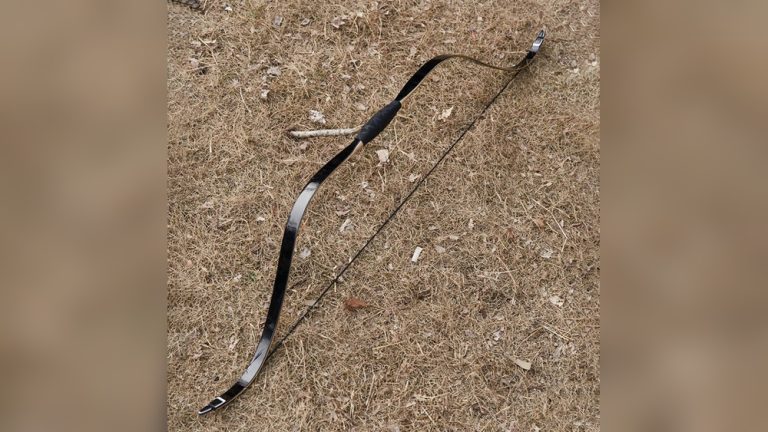
Before you hang your horse bow, it helps to know what makes it unique. A horse bow, often called a recurve bow, is shorter than a longbow but has curved tips that bend away from the archer. This design stores more energy, making it powerful yet compact, perfect for shooting from horseback.
Horse bows are often made of wood, horn, sinew, and modern composites. These materials are sensitive to temperature, humidity, and pressure. Unlike some modern bows, horse bows can lose their shape or develop cracks if hung carelessly. That’s why the way you display or store your bow matters as much as how you use it.
Why Hanging Matters
Many people underestimate the impact of storage. Hanging a horse bow isn’t just about convenience or decoration. The wrong hanging method can:
- Cause the limbs to warp
- Stress the string or nocks
- Expose delicate materials to sunlight or moisture
A well-hung bow stays straight, safe, and ready for use. It also looks impressive on the wall, becoming a conversation piece and a nod to archery culture.
Choosing The Right Spot
Where you hang your horse bow is as important as how you hang it. The ideal location protects your bow from harm and shows it off in style.
Factors to consider:
- Avoid direct sunlight. Sunlight can dry out wood, fade finishes, and weaken glue. Even a few months of sun exposure can damage traditional bows.
- Stable temperature and humidity. Sudden changes can cause the bow to expand or contract, leading to cracks or warping. A climate-controlled room is best.
- Low-traffic area. Keep your bow away from doors, hallways, or places where it might get bumped.
- Out of reach of children and pets. Bows may look like toys but can be dangerous or easily damaged.
Example: If you live in a humid region, consider using a dehumidifier in your display room. In my experience, this small step prevents mold and keeps bows in top condition.
Tools And Materials For Hanging
You don’t need expensive gear, but using the right materials protects your bow and your wall.
Common tools and materials:
- Soft bow hangers (padded hooks or brackets)
- Wall anchors and screws
- Measuring tape and pencil
- Level (to ensure straightness)
- Optional: Display rack or custom stand
Some archers use leather or felt to cover metal hooks, reducing pressure points on the bow.
Pro Tip: Never use thin wire or string to hang a horse bow. It can cut into the wood or finish and increase the risk of dropping the bow.
Methods For Hanging A Horse Bow
There are several safe and attractive ways to hang a horse bow. The best method depends on your space and the bow’s size.
1. Horizontal Wall Mount
This is the most popular and safest way to display a horse bow. It supports the bow at two or more points, reducing stress on any one area.
Steps:
- Measure the length of your bow.
- Mark two points on the wall, a few inches inside each tip.
- Install padded hooks or brackets at these points. Use wall anchors if needed for extra support.
- Rest the bow so the hooks cradle the limbs, not the string or tips.
This method shows off the bow’s profile and keeps it evenly supported.
2. Vertical Hanging
Some collectors prefer a vertical display. This can work, but it’s important to avoid hanging the bow from its string or nocks.
Safe vertical hanging method:
- Use two hooks to support the bow at the grip and one limb.
- Make sure the bow is balanced and not putting weight on the tips.
Warning: Never hang a bow by the string or one tip only. This can cause permanent bending.
3. Angled Display
An angled mount gives a dynamic look, especially in a dedicated archery room. Use two or more hooks, spacing them to match the bow’s natural curve. Make sure all pressure is on the limbs, not the string.
4. Bow Rack Or Stand
If you have multiple bows, a rack or free-standing display keeps them organized and safe. Racks can be wall-mounted or floor-based. Look for padded supports and enough space between each bow.
5. Glass Display Case
For rare or antique horse bows, a glass case offers maximum protection from dust, humidity, and accidents. Use soft cradles inside the case to support the bow. This method is popular in museums and high-end collections.
A Quick Comparison Of Hanging Methods
To see the differences at a glance, here’s a comparison:
| Method | Best For | Protection Level | Visual Appeal |
|---|---|---|---|
| Horizontal Wall Mount | Most homes, safe storage | High | High |
| Vertical Hanging | Limited wall space | Medium | Medium |
| Angled Display | Showcasing shape | High | High |
| Bow Rack/Stand | Multiple bows | High | Medium |
| Glass Case | Antique/rare bows | Very High | Very High |
Step-by-step Guide: Hanging A Horse Bow Horizontally
Let’s walk through the safest and most common method, horizontal hanging.
Step 1: Gather Materials
You’ll need:
- 2 padded wall hooks (designed for bows or guitars)
- Screws and wall anchors
- Measuring tape, pencil, and level
- Optional: Small felt pads for extra protection
Step 2: Choose And Mark The Spot
Pick a wall free from direct sun and away from vents or windows. Hold the bow up and mark where each hook should go, usually 4, 6 inches in from each tip.
Step 3: Install Hooks
Drill pilot holes and insert wall anchors if necessary. Secure the hooks tightly. Use a level to ensure both are even.
Step 4: Place The Bow
Lay the bow across the hooks, limbs supported. Check that the bow isn’t pressing on the string, nocks, or tips.
Step 5: Double-check Stability
Gently wiggle the bow to make sure it’s secure. The hooks should not press deeply into the limbs or cause any bending.
Pro Tip: If your bow has a delicate finish, stick felt pads where the bow touches the hooks for added protection.
Common Mistakes To Avoid
Even experienced archers sometimes make simple errors when hanging their bows. Here are a few to watch out for:
- Hanging by the string: This puts stress on the string and can pull the bow out of shape.
- Using only one hook: A single contact point leads to imbalance and can cause warping.
- Ignoring humidity: Storing a bow in a damp room can ruin it over time.
- Hooks without padding: Bare metal or wood can scratch or dent the bow.
- Frequent moving: Constantly taking the bow down and rehanging it can wear the finish and hardware.
Displaying For Aesthetics
A horse bow is more than a tool, it’s art. Displaying it well adds character to any room. Here are some ideas:
- Hang above a fireplace (but not too close to heat)
- Pair with traditional arrows or a quiver for a themed display
- Use accent lighting to highlight the bow’s shape and color
When arranging multiple bows, stagger their heights for a gallery effect.
Caring For Your Bow While Hung
Hanging your bow doesn’t mean forgetting about it. Regular care keeps it looking and performing its best.
- Dust gently with a soft, dry cloth
- Inspect for cracks or warping every few months
- Check hooks and anchors to ensure they’re still secure
If you plan to shoot with your bow, take it down at least once a season to flex it gently and check its condition.
Storing Vs. Displaying: Which Is Better?
Some archers wonder whether to hang their bow for display or keep it in a case. Both have pros and cons.
| Method | Pros | Cons |
|---|---|---|
| Hanging/Displaying | Easy access, visual appeal, air circulation | Potential dust, light exposure |
| Case Storage | Maximum protection, blocks light and dust | Harder to access, less attractive |
In my experience, a well-hung bow in a safe, dry room is just as protected as one in a case, if you follow the right steps.
Security Considerations
If your horse bow is valuable or rare, consider extra security:
- Use discreet wall anchors or locking display cases
- Avoid displaying in rooms visible from outside
- Insure your bow if it’s worth a significant amount
Pro Tip: Photograph your bow and note its serial number or unique markings. This helps with insurance or recovery if it’s ever lost or stolen.
The Impact Of Materials: Wood, Horn, And Composites
Not all horse bows are made the same. The main materials, wood, horn, and modern composites, respond differently to hanging and storage.
- Wooden bows: Sensitive to humidity and temperature. Always avoid direct sun or damp areas.
- Horn/sinew bows: Even more sensitive. These bows can delaminate or crack if stored poorly.
- Composite bows: More resistant but still need care, especially if they have wood or horn parts.
Modern bows may tolerate minor mistakes, but traditional bows demand careful handling. When in doubt, ask the bow’s maker or refer to traditional archery sources like the Wikipedia Composite Bow page.
Advanced Tips For Collectors
If you’re serious about archery or collecting, these extra tips make a difference:
- Rotate your displayed bows: Every few months, swap which bow is on the wall to prevent long-term pressure on any one piece.
- Monitor climate: Use a hygrometer to track room humidity. Ideal range: 40, 60%.
- Archival materials: Use acid-free padding and mounts for antique bows.
- UV-filtering glass: For display cases, this protects against fading.
Pro Tip: If your bow has inlays or painted details, avoid cleaning with any liquid. A soft brush is safest.
Hanging A Bow With Accessories
Some owners like to display bows with their strings, arrows, or quivers. This adds character but requires care.
- Strings: If your bow is unstrung for display, store the string separately (not hanging from the bow).
- Arrows: Use a separate rack or case, never rest arrows on the bow itself.
- Quivers: Hang beside or beneath the bow, but don’t let them touch the limbs.
Keeping accessories neat improves both safety and looks.
Quick Reference: Do’s And Don’ts
Here’s a summary for easy recall:
Do:
- Use padded supports
- Check location for light and humidity
- Support at least two points on the limbs
- Dust and inspect regularly
Don’t:
- Hang by the string, tips, or one point
- Use bare wire or unpadded hooks
- Place in direct sun or near heat sources
- Ignore signs of warping or cracks
Frequently Asked Questions
How Can I Hang My Horse Bow Without Damaging The Wall?
Use wall anchors for heavy bows and choose hooks designed for delicate items. Removable adhesive hooks work for lighter bows but may not be safe for long-term display. Always test the strength before hanging your bow.
Is It Safe To Hang A Horse Bow With The String On?
For display, it’s usually better to unstring the bow. Leaving it strung can keep stress on the limbs over time, possibly leading to warping. Hang with the string removed and store the string flat or loosely coiled nearby.
Can I Hang My Horse Bow Above A Fireplace?
It’s possible if you maintain enough distance from heat and smoke. Heat can dry out wood and weaken adhesives. If you notice increased warmth above your fireplace, consider another spot or use a mantel shield.
Do I Need A Professional To Hang A Valuable Bow?
Not necessarily, but if your bow is extremely valuable or fragile, a professional display installer or conservator can help. They can recommend archival materials and ensure the bow is fully protected.
How Often Should I Check My Hung Bow For Issues?
Inspect your bow every month for signs of dust, cracking, or shifting on its hooks. If you live in a humid or very dry area, check more often to catch environmental problems early.
Hanging a horse bow is more than just a display choice, it’s part of caring for a unique piece of history and craftsmanship. With the right tools, placement, and regular attention, your bow will stay beautiful and ready for generations to come.
Display it proudly, but always respect its needs as both art and equipment.