How Native American Archers Protected Fingers?
Documented Native American finger protection varied by nation, bow type, and era, and common solutions included rawhide or leather wraps, simple tabs, and sometimes a thumb ring. Ignore the method, and string pinch, cut fingers, and an uneven release can ruin accuracy and limit draw weight. This guide separates documented Native and broader historical finger-protection methods from modern assumptions, then shows how bow style and release method changed the need for protection.
What the historical evidence can and cannot prove


There is no single universal Native North American finger-protection system. That matters, because a plains bow, a woodland bow, and a southwest bow could differ in draw weight, arrow length, string material, and shooting context. Those variables change hand stress as much as any glove or tab.
What can be stated with confidence is narrower: leather gloves were used to save a man’s fingers from the sharp string, and the glove existed so an archer could bear the string to full draw strength. Beyond that, the record gets less tidy. Some practices are documented directly. Others are reasonable reconstruction, not hard proof.
What counts as documentation versus inference
Direct documentation means a described object, named practice, or clear historical account. Inference means a modern reader connects a known release method to a likely hand guard. That second step can be useful, but it should not be mistaken for proof that every group used the same solution.
For Native North American archery, that distinction is especially important. A leather wrap found or described in one context does not prove a full glove everywhere. A bare-finger account from one region does not erase finger protection in another.
Why Native North American traditions cannot be treated as one system
The simplest answer is also the safest: different nations used different bows, arrows, and shooting habits. Some traditions likely favored fast field shooting. Others put more value on control at shorter distances. The hand protection that fits one style may be unnecessary, or awkward, in another.
How did Native American archers protect their fingers without a release?
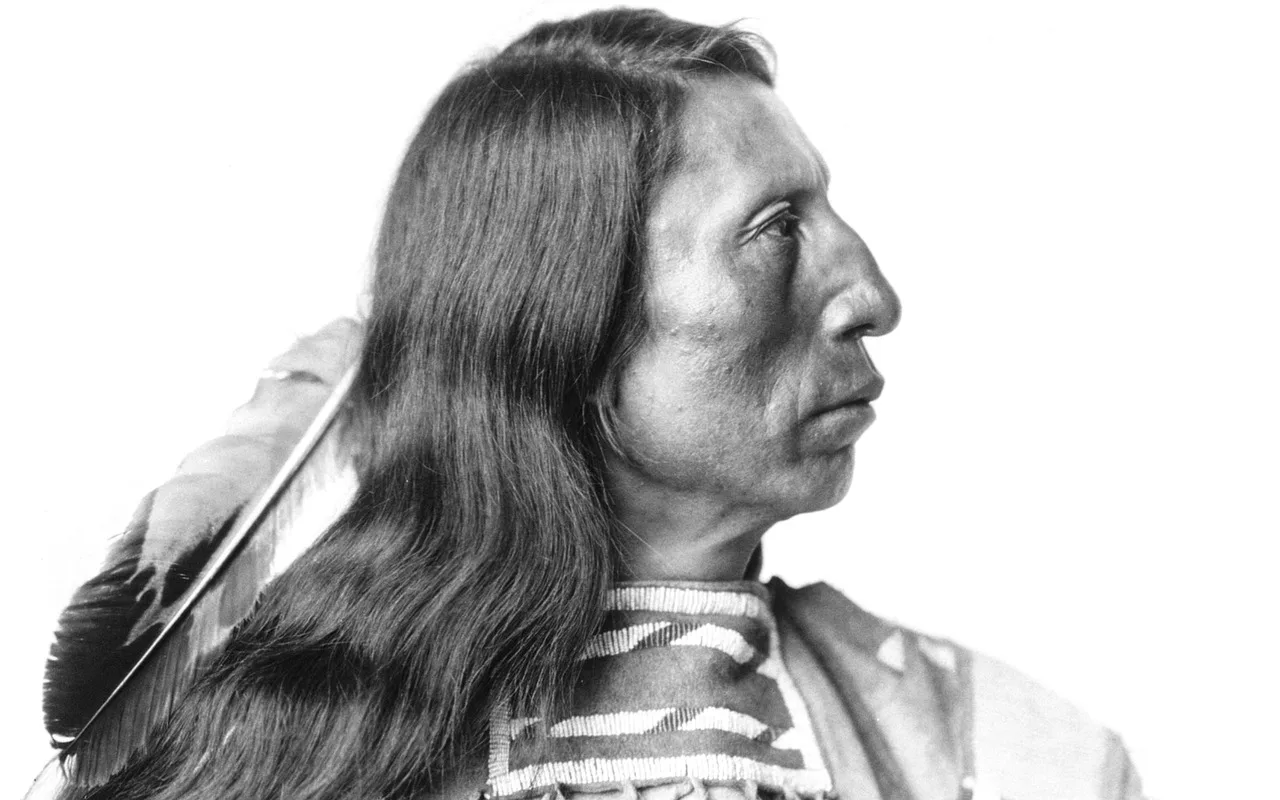
They did not always need a separate release aid, and they did not always need a glove. Some archers relied on conditioned skin, light enough draw weight, and clean technique. Others used leather protection on the string hand when abrasion, load, or repetition made bare fingers impractical.
That answer stays broad on purpose. The evidence does not support a single universal Native American rule for finger protection. It does support a practical pattern: the more the string rubbed or loaded the fingers, the more likely some form of protection became useful.
How bow type and draw weight changed the need for protection
A bow shot from a horizontal orientation can change how the string meets the hand compared with vertical shooting. Arrow placement also shifts with the release method. When the bow is drawn harder, or the shot is repeated many times, the string can cut or bruise the fingers more quickly.
Suppose a bow has a smooth, low-friction string and a modest draw weight. A seasoned archer may get away with bare fingers for a short session. Now change only the draw weight upward, or shorten the nocking point and alter the angle of contact, and finger wear rises fast.
Why some groups may have relied more on technique than gear
Technique can reduce damage. A release style that spreads load across more than one finger can too. But technique does not erase physics. String abrasion still happens, especially when the release is repeated under tension and the fingers are placed in a way that concentrates load on one or two digits.
Finger protection options by historical release type
The main value of this table is comparison. It shows how release style changes where the load lands, what protection is most plausible, and how confident a claim should be. That keeps historical fact separate from modern reconstruction.
| Release type | Likely protection | Finger load pattern | Historical confidence |
|---|---|---|---|
| Mediterranean release | Leather shooting glove or leather finger-tips | First, second, and third fingers on the string; foremost finger and ring finger take the most load | Strong for the release pattern itself; moderate for protection choices in specific Native contexts |
| Primary release | Often none, or a simple leather wrap if the string is harsh | Thumb and bent forefinger press against the arrow; load is concentrated at the thumb-side contact point | Strong for the release form; protection use varies by tradition |
| Secondary release | Simple tab, leather wrap, or finger tip cover | Second finger, or second and third fingers, carry more of the draw load | Moderate; more often reconstructed from historical descriptions than directly documented in one standard form |
| Tertiary release | Leather finger-tips or a glove if abrasion is severe | Forefinger nearly straight; tip plus second and sometimes third fingers engage the string | Moderate to low as a named system in Native North American writing, stronger as a comparative historical model |
What did leather gloves and finger-tips do?
Leather protection reduced string abrasion. That is the basic job, and historical sources support that directly. A leather shooting glove could let an archer bear the string to full draw strength, while leather finger-tips offered a lighter option when only the string-hand fingers needed protection.
For a Mediterranean-style draw, the first and ring fingers took the most load, and the middle finger contributed very little. That load pattern explains why glove design could put thicker leather on the fingers taking the most force. The foremost finger needs the thickest leather of all.
Leather shooting glove
A leather shooting glove covers the string hand and protects against repeated friction. The evidence says it was used to save a man’s fingers from the sharp string. It also existed so the archer could hold full draw strength without the skin taking the entire burden.
Leather finger-tips
Leather finger-tips are smaller than a full glove. They sit on the string-hand fingers only, which makes them useful when the main problem is wear rather than full-hand coverage. For some archers, that lighter solution is enough to keep the release clean.
Why thicker leather belongs on the highest-load finger
Load is not shared equally. In the Mediterranean release, the foremost finger and ring finger took the most load, while the middle finger contributed very little. That is why the thickest leather belongs where the string pressure is highest. Thin material in the wrong place wears through quickly.
How release style changes finger wear
Release style is the main reason finger protection differs from one tradition to another. The Mediterranean release uses the first, second, and third fingers, with the arrow lightly held between the first and second fingers. That creates a three-finger load pattern that is different from a thumb draw or a bent-forefinger draw.
The Mediterranean release is practiced by modern English, French, and American archers, which makes it a useful comparison point for wear patterns. The same logic applies to older systems: change the finger position, and you change where the string bites.
Mediterranean release
This is the best-known three-finger draw in modern traditional archery. It places the arrow lightly between the first and second fingers. Because the string contacts three fingers, it often benefits from a glove or leather tips, especially as draw weight rises or practice length increases.
Primary release
The primary release uses the thumb and bent forefinger. It is described as the simplest and probably one of the earliest forms. Because the string contact differs from a split-finger or three-finger Mediterranean draw, the protection problem shifts as well. The need for a glove is not automatic, but the load can still be harsh.
Secondary release
The secondary release uses the tips of the second finger, or second and third fingers. It sits between the primary and tertiary forms in complexity and finger contact. As finger contact increases, the case for leather protection also increases.
Tertiary release
The tertiary release uses a nearly straight forefinger and the tips of other fingers. It spreads the string interaction differently again. That can reduce one kind of bite while increasing another, so the hand still needs a setup that matches the load path.
Did Native archers shoot with bare fingers?
Yes, some archers could shoot with their fingers unprotected. That is documented as a real possibility, not a universal rule. Bare fingers work best when the bow is manageable, the string is smooth enough, and the shooting session is short enough that abrasion does not build quickly.
The trouble starts when those conditions change. Finger pinch, string slap, and inconsistent anchor pressure become more likely. Those problems do not only hurt. They also move the release point around, and that hurts accuracy.
When finger pinch and string slap become a problem
Finger pinch shows up when the string angle closes too much against the draw hand. String slap is the direct strike or rub of the string against skin or knuckle area. Both symptoms tell the archer the setup is asking too much of bare fingers.
A common first-timer mistake is to raise draw weight before the fingers are conditioned. The shot may feel fine for a few arrows, then the skin gets hot, the release gets sticky, and the anchor starts moving. That is the point where protection or technique adjustment matters.
How calluses fit into the picture
Calluses can help, but they are not armor. They form from repeated contact and can make short sessions more tolerable. They do not eliminate string friction, and they do not guarantee a clean release if the load pattern is bad.
Common mistakes in traditional shooting
Most finger complaints trace back to setup, not courage. Grip pressure, anchor choice, and arrow position all affect how hard the string hits the hand. The same bow can feel manageable or painful depending on those details.
| Mistake | Common symptom | Fix |
|---|---|---|
| Gripping the bow too tightly | Hand tension, inconsistent release, extra string contact | Relax the bow hand and keep pressure consistent |
| Using an anchor that crowds the string hand | Pinched fingers, sore knuckles, drifting release | Adjust anchor position so the string clears the hand cleanly |
| Ignoring bow orientation | Arrow sits wrong, contact point changes from shot to shot | Match arrow placement to the release method and shooting angle |
| Jumping to higher draw weight too fast | Hot fingers, skin cuts, poor follow-through | Reduce load or add leather protection until control improves |
Why arrow position matters with different bow orientations
Bow orientation changes where the arrow sits relative to the string hand. Horizontal or vertical shooting can alter how the string clears the fingers and where pressure concentrates. That is one reason forest shooting and close formation shooting could favor different release habits than open-range work.
Picture a short bow used in close cover, with the arrow positioned for a quick shot and the draw hand kept compact. Now compare that with a longer, steadier setup. The same fingers may need very different protection, even if the archer is equally skilled.
Frequently asked questions
Did Native American archers use finger tabs or gloves?
Some did use leather protection, but the evidence is not uniform across all Native North American traditions. Leather wraps, simple tabs, and glove-like protection appear in broader historical archery, while many Native bows were also shot without added finger gear. The safe claim is variation, not a single standard.
What finger protection did traditional archers use instead of a release aid?
Across historical archery, the main substitutes were a leather shooting glove, leather finger-tips, or a simple wrap on the string hand. These reduce abrasion and let the archer hold full draw strength longer. Which one fits depends on how many fingers bear load and how harsh the string feels.
How do you shoot a traditional bow without hurting your fingers?
Use a release style that matches the bow, keep the bow hand relaxed, and do not overload the fingers too quickly. If the string bites, add leather protection or reduce draw weight. Pain, string slap, and pinching are signals to change setup, not to keep forcing the shot.
Were leather gloves used with Native American bows?
Leather gloves were used historically to protect fingers from the string, but that does not mean every Native American tradition used them the same way. The evidence supports leather protection as a real option, not a universal rule. Some archers likely shot clean-fingered when the bow allowed it.
What is the Mediterranean release and how does it affect finger wear?
The Mediterranean release uses the first, second, and third fingers, with the arrow lightly held between the first and second fingers. It spreads the load across three fingers, but the foremost finger and ring finger take the most load. That is why gloves or leather tips are common with this method.