How to Increase Shooting Distance Without Losing Accuracy
Move back only after your groups stay tight at the current range. If the group opens, fix form first, then tune the bow, then adjust arrow or sight setup. Going farther too soon can hide collapse, a poor release, and a bad tune, and accuracy falls off fast. This guide lays out the safest order for form checks, bow tuning, and setup changes so you can shoot farther without losing clean groups.
This guide is part of our Archery basics: beginner guide to bows and shooting series.
Why farther shots expose errors?


Small errors grow as distance increases. A slight anchor shift, a bit of torque in the grip, or a weak follow-through may move an arrow only a little at 20 yards, then miss the middle by several inches farther out. That is why you should add distance only after short-range groups stay predictable.
What usually gets worse first: aim, release, or tune
Aim often looks like the first problem, but release errors and bow setup issues usually appear before pure aiming skill fails. At longer distance, collapse during the shot, plucking the string, and poor follow-through can open groups even when the sight picture looks steady. If the arrows also show erratic flight, tuning may be part of the problem.
For beginners, the warning sign is simple: when a group opens at 30 yards compared with 20 yards by more than a clean step in size, the issue is rarely solved by stepping back again.
Form checks before adding distance
Form comes first because a clean shot process matters more as range grows. Anchor point consistency, release quality, and follow-through control where the arrow lands long before arrow speed does. If those pieces drift shot to shot, adding yardage makes the misses larger, not smaller.
Anchor point consistency
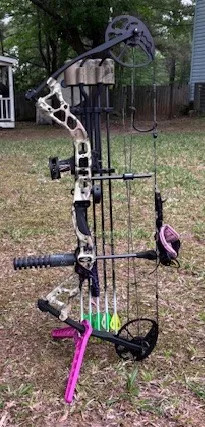
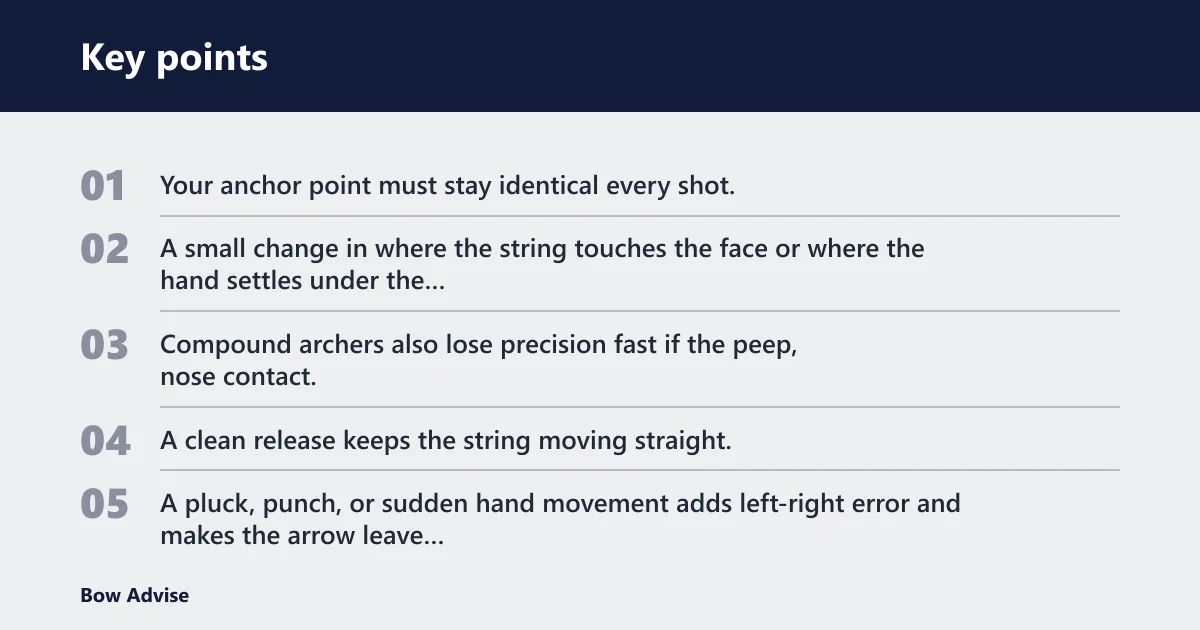
Your anchor point must stay identical every shot. A small change in where the string touches the face or where the hand settles under the jaw can move the impact point a lot at longer range, especially with a recurve. Compound archers also lose precision fast if the peep, nose contact, or anchor reference shifts.
Release and follow-through
A clean release keeps the string moving straight. A pluck, punch, or sudden hand movement adds left-right error and makes the arrow leave the bow less cleanly. Follow-through matters just as much: hold the posture, keep the bow arm still, and let the shot finish before relaxing.
Signs your current yardage is still too far
If groups are already unstable at short range, more distance is too soon. Common signs include wild fliers, a different impact point on nearly every shot, or a pattern that changes from one end to the next. Keep the distance where the group is still readable and repeatable. That makes correction possible.
Say a 20-yard group stays inside about 2 inches, but at 30 yards it opens to about 7 inches with several left-right misses; this is often used as a cue to check form before changing equipment. Before changing sights or arrows, check whether the anchor moved, whether the string hand collapsed, and whether the release got snatched. One clean fix usually beats three equipment changes.
Draw weight and arrow speed
Draw weight is measured in pounds. Higher draw weight can increase arrow speed, which can flatten trajectory and reduce the size of the sight gap at longer range. That helps only if the archer can still hold form. Too much draw weight often hurts accuracy and consistency before it helps distance.
When more pounds help and when they hurt
More draw weight helps when the shooter can draw smoothly, settle the bow, and keep the release clean through the shot. It hurts when the archer starts shaking, short-drawing, collapsing at anchor, or rushing the release to escape the holding weight. Speed is not useful if the shot breaks down.
A common first-timer mistake is jumping from a comfortable 24-pound recurve to 34 pounds because the arrow falls short. The bow may shoot faster, but the form may fall apart. That usually makes the group worse, not better.
How to judge if your hold stays clean
Hold the bow at full draw long enough to confirm control. If the bow shoulder rises, the string hand creeps, or the sight wanders too much for a clean shot, the draw weight is probably too high for steady distance work. A heavier bow is only an upgrade when the shot stays repeatable.
Arrow spine and mass
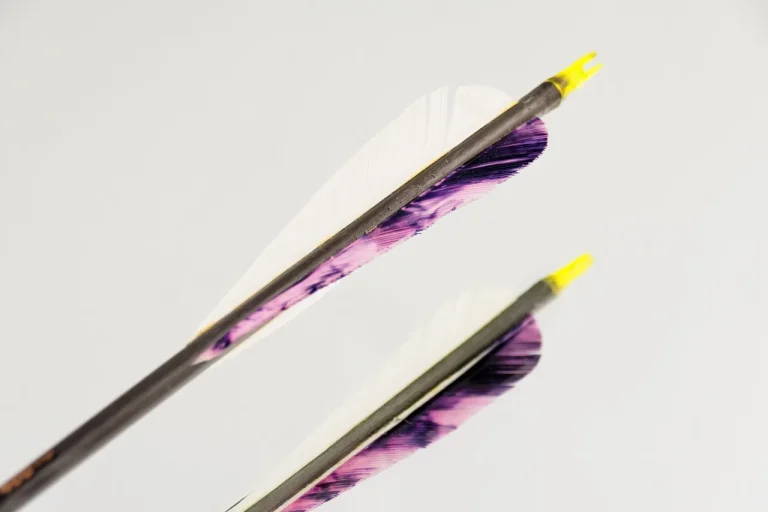
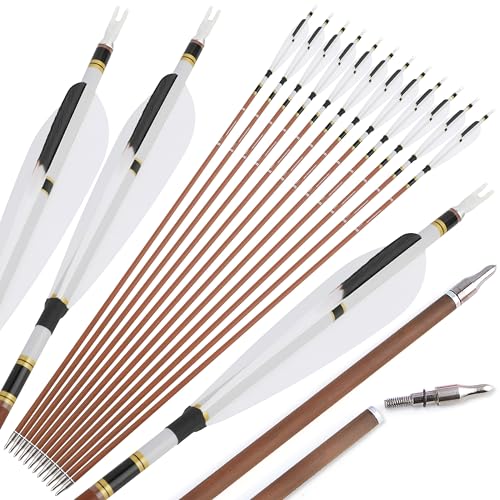
Arrow spine and mass affect flight more than many beginners expect. Spine must match bow draw weight and draw length. A shaft that is too stiff or too weak can create poor arrow flight, broad group sizes, and unstable impact at distance. Arrow mass, measured in grains, changes speed and forgiveness.
Matching spine to draw weight and draw length
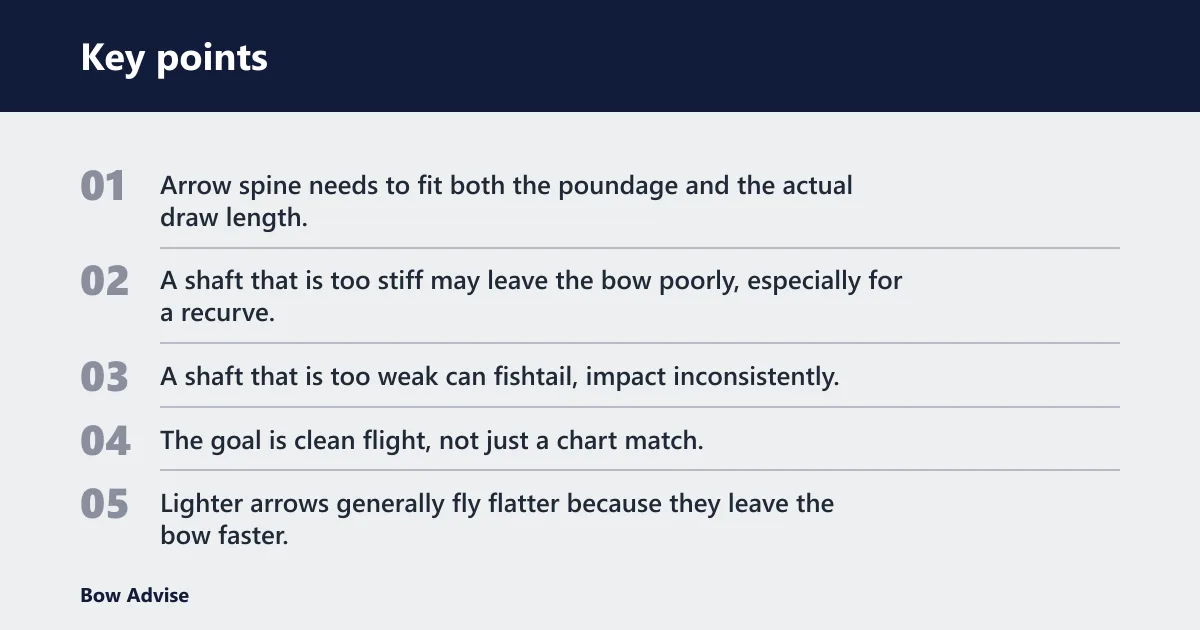
Arrow spine needs to fit both the poundage and the actual draw length. A shaft that is too stiff may leave the bow poorly, especially for a recurve. A shaft that is too weak can fishtail, impact inconsistently, and lose downrange stability. The goal is clean flight, not just a chart match.
How arrow mass changes speed and forgiveness
Lighter arrows generally fly flatter because they leave the bow faster. That can help with long-distance sighting. Very light setups, though, reduce forgiveness and safety margin. Heavier arrows are usually slower but often more forgiving and calmer in flight. The right choice depends on the bow, the draw weight, and the intended range.
| Current distance | Average group size | Anchor consistency | Arrow flight quality | Tuning status | Next change to make |
|---|---|---|---|---|---|
| 20 yards | 2 inches | Identical every shot | Clean, no fishtail | Paper tune confirmed | Increase distance |
| 20 yards | 2 inches | Small drift in face anchor | Clean | Confirmed | Fix anchor before moving back |
| 30 yards | 6 inches | Steady | Noticeable tail wobble | Not checked | Tune bow before changing arrows |
| 30 yards | 4 inches | Steady | Clean | Confirmed | Check sight marks at range |
What weak or stiff spine looks like at range
A weak spine often shows as poor downrange consistency, especially if the tail kicks or the group spreads vertically and horizontally without a clear aiming mistake. A stiff spine can also group poorly, often with erratic left-right impact. The exact pattern differs by bow type, but the result is the same: inconsistent flight.
Bow tuning for longer range
Bow tuning matters more as distance grows because small launch errors spread out over time and yardage. Nocking point, center shot, and rest adjustment all affect how the arrow leaves the bow. Good tuning improves arrow flight, which helps the bow hold groups together when the target gets farther away.
Nocking point, center shot, and rest setup
The nocking point must launch the arrow from a consistent height. Center shot sets the side-to-side relationship between arrow and string path. Rest position affects how the arrow clears the bow. Small corrections here can fix fishtail, porpoising, or a launch angle that makes distance consistency worse.
Paper tune and bare shaft tune checks
Paper tune and bare shaft tune are useful because they show how the arrow leaves the bow, not just where it lands. Paper tear and bare shaft impact can reveal whether the setup is clean enough for longer range. They do not replace field shooting, but they help confirm that the bow is worth taking back farther.
Why tuned flight matters more as distance grows
A slightly poor tune may still group acceptably at short yardage. At longer range, that same flaw becomes more obvious. The arrow spends more time in the air, so a small launch problem has more time to show up as drift or a larger group. Good tune is part of long-range accuracy.
What sight changes help at distance?
Sight changes help only after the bow is stable and the arrows are grouping well enough to trust the marks. Sight tape and pin adjustments change where the arrow lands at different yardages, but those marks must be confirmed with actual range testing. Guessing at long range usually leads to sight gap mistakes.
Sight tape and pin marks
Compound bows often use sight tape or multiple pins, while recurves may rely on a crawl, gap, or marked reference. In every case, the mark for one yardage does not guarantee the next one will line up perfectly. Distance changes impact point, so each new mark needs real confirmation.
Why marks must be checked on the range
A tape that looks correct on paper can still miss on the target. Actual range testing shows whether the sight mark matches the arrow path at that distance, with that arrow setup, on that day. Temperature, form consistency, and tiny tune changes can all shift the correct setting.
Common sight gap mistakes
One common error is chasing a flatter sight picture instead of checking the group. Another is moving pins too quickly after one end. A third is trusting a long-range mark when the short-range base is already off. If the sight system is wrong, the archer often blames distance when the real issue is setup.
Suppose a compound archer adds a heavier stabilizer and moves the 40-yard pin slightly, but keeps the same anchor and release. If the group tightens only after the sight is confirmed with three separate ends, the change was useful. If the group still wanders, the next step is tuning, not more yardage.
Distance testing table
Use this checklist to decide whether to move back, tune the bow, or stay where you are. Read the rows in order. The first failed item usually tells you what to fix next.
- Check whether the current yardage group stays tight for several ends.
- Confirm that anchor point, release, and follow-through are identical shot to shot.
- Watch arrow flight for fishtail, porpoising, or other obvious instability.
- Verify bow tuning with paper tune or bare shaft tune before changing equipment.
- Only then adjust sight marks, arrow setup, or draw weight if the data says you need it.
| Current distance | Average group size | Anchor consistency | Arrow flight quality | Tuning status | Next change to make |
|---|---|---|---|---|---|
| 20 yards | 2 inches or less | Same anchor every shot | Clean | Confirmed | Yes, increase distance |
| 20 yards | More than 3 inches | Drifting | Unknown | Unknown | No, keep practicing at current yardage |
| 30 yards | 4 to 5 inches | Steady | Clean | Confirmed | Change sight settings and confirm with range testing |
| 30 yards | 6 inches or more | Steady | Tail wobble or fishtail | Not confirmed | Change equipment only after tuning |
If the row points to “No,” do not move back yet. Stay at the current yardage and clean up the weak link. If the row points to “Change sight settings,” do that next and confirm the mark with actual arrows. If the row points to “Increase distance,” move back slowly and keep the group check at every step.
Frequently asked questions
How can I shoot farther without losing accuracy?
Keep the order simple: fix form first, tune the bow second, then adjust equipment only if the groups and flight data call for it. Add distance in small steps, usually one line or one mark at a time. If the group opens, stop and identify the cause before moving back again.
What bow adjustments help increase shooting distance?
Draw weight can increase arrow speed, but only within a weight the archer can control. After that, tuning matters: nocking point, center shot, and rest position can improve flight. Sight marks or pin changes help too, but they must match real range results, not guesses.
Does heavier or lighter arrow setup shoot farther?
Lighter arrows usually fly flatter because they leave the bow faster. That can help with distance, but very light arrows can reduce forgiveness and safety margin. Heavier arrows are often slower yet more stable. The best choice is the one that groups well and matches the bow setup.
Should I use a different bow draw weight for more distance?
Only if the current draw weight limits clean form. More pounds can help with speed, but too much draw weight often causes collapse, shaking, or a rushed release. If that happens, accuracy drops faster than the arrow gains speed. A controllable bow is better than a heavy one.
How do I keep my groups tight at longer range?
Keep anchor point, release, and follow-through identical on every shot. Verify that the bow is tuned and that the arrow spine matches the draw weight and draw length. Then test at the next yardage only after the current group stays readable and consistent over several ends.
What mistakes make arrows drop too fast at longer distance?
Too little draw weight, an untuned bow, mismatched spine, and poor sight marks can all make an arrow seem to drop too fast. A collapse in form can do the same thing. The fix is not always more speed, often it is a cleaner launch and better confirmation at the range.