How to Measure Your Wingspan for Draw Length the Right Way
Measure wingspan fingertip to fingertip with arms out, divide by 2.5, and use that as a starting draw length. Anchor style and bow type can move the usable number up or down. A wrong estimate can cause poor form, face contact, weak back tension, or a bow that feels awkward to hold. This guide shows the correct measurement method and how to verify whether the result fits your setup.
What you’ll need

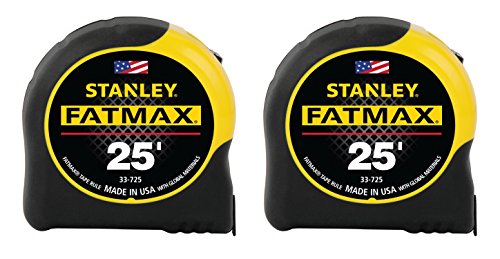

- A tape measure or a marked wall
- An assistant for a second reading
- Your bow, or a draw-check tool
- Notebook or phone notes for the final number
How do you measure your wingspan for draw length?
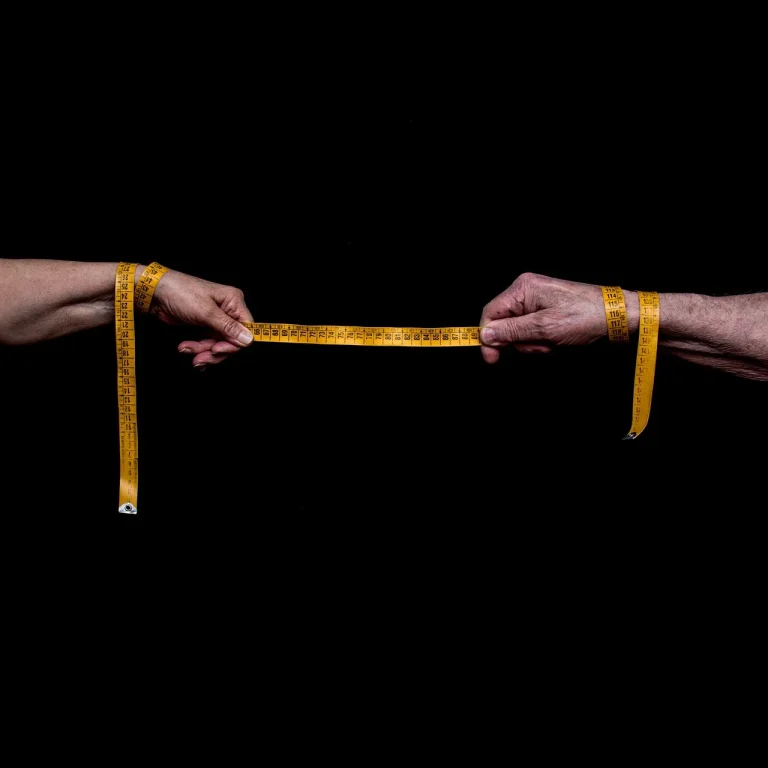
Stand naturally, stretch both arms out to the sides, and measure fingertip to fingertip in inches. Keep the shoulders level and the elbows straight without forcing the chest up or reaching past a relaxed extension. That reading is your wingspan, and it is the first number used in the archery draw-length estimate.
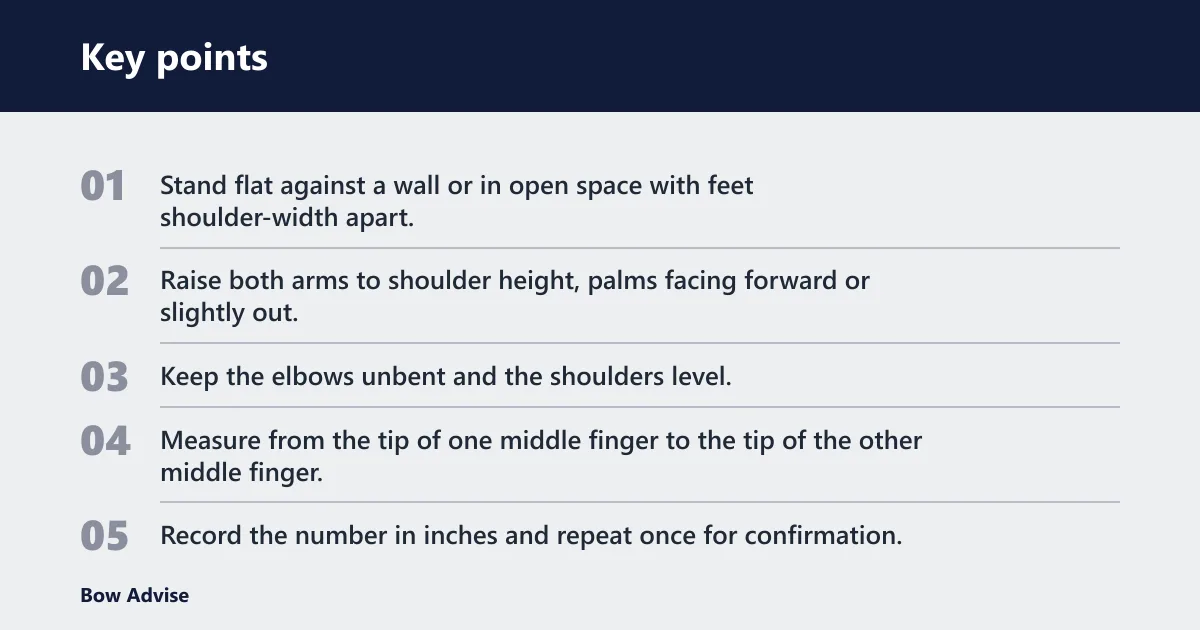
Measure it the right way
- Stand flat against a wall or in open space with feet shoulder-width apart.
- Raise both arms to shoulder height, palms facing forward or slightly out.
- Keep the elbows unbent and the shoulders level.
- Measure from the tip of one middle finger to the tip of the other middle finger.
- Record the number in inches and repeat once for confirmation.
Do not force the arms wider than a natural reach. Bent elbows or a shrug on one side can add fractions of an inch that change the estimate. Suppose a shooter records 72 inches with one shoulder lifted and the elbows slightly bent; the corrected natural reading may be lower, and that difference matters once arrow lengths or a compound cam range are on the line.
What is the wingspan divided by 2.5 rule in archery?
The wingspan divided by 2.5 rule is a starting estimate only. If wingspan is 70 inches, the estimate is 28 inches. That number helps narrow the first bow setup, but it does not replace a real draw check at full draw, because bow type and anchor style can change the usable fit.
Use it as a diagnostic, not a final fit
Start with the math, then compare it with how the bow sits at anchor. This common rule of thumb gets beginners close fast, but a natural anchor or shoulder position can shift the usable draw length enough to matter. Height charts are only estimates too, and age alone is not a reliable way to set draw length.
| Wingspan | Starting draw-length estimate | What it means |
|---|---|---|
| 70 inches | 28 inches | Starting point only |
| 72.5 inches | 29 inches | Check against anchor comfort |
| 67.5 inches | 27 inches | Verify with a draw check |
Does the estimate fit your bow?
Check the estimate against the actual bow before buying arrows or setting a compound cam range. Compound bows have a defined draw-length range that varies by model and cam, while recurves and traditional bows rely more on anchor comfort and clean form. The bow must let the archer reach full draw without strain or crowding.
Know how each bow type treats draw length
Compound bows are the most specific. The published draw-length range or module range on that model should fit the archer. Recurve bows do not use a compound-style draw stop, so the fit is judged by repeatable anchor, posture, and whether the string hand sits in a clean place at full draw. Traditional and longbow setups are even more anchor-sensitive.
Confirm with a draw-check method
Use a draw-length arrow or a draw-check method with help if possible. The aim is to confirm whether the estimated number allows a stable anchor, proper shoulder position, and a clean hold. A bow shop or coach can check this quickly, and beginners often benefit from that step before ordering arrows or modules.
Draw length verification checklist
Use this checklist at home before buying arrows or changing a compound cam setting. It turns the estimate into a real fit check. If any step fails, do not treat the wingspan number as final.
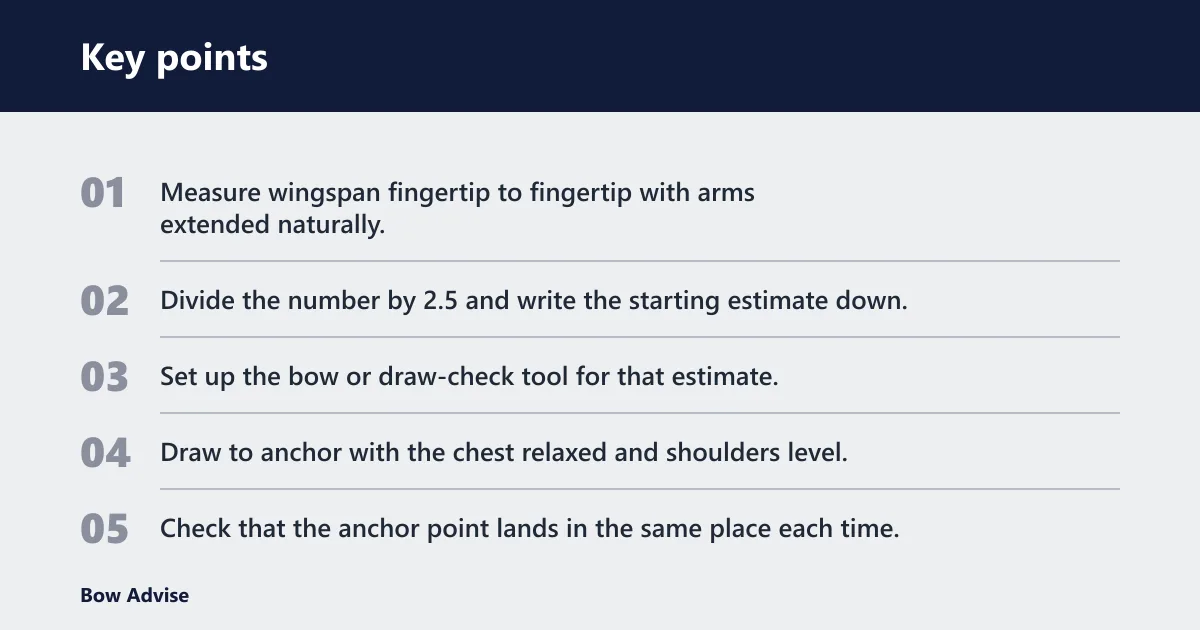
- Measure wingspan fingertip to fingertip with arms extended naturally.
- Divide the number by 2.5 and write the starting estimate down.
- Set up the bow or draw-check tool for that estimate.
- Draw to anchor with the chest relaxed and shoulders level.
- Check that the anchor point lands in the same place each time.
- Check that the front shoulder stays aligned and does not collapse inward.
- Check that the string hand is not crowded into the face or nose.
- Hold at full draw for a brief count and note strain, crowding, or wobble.
Pass or fail at full draw
| Check | Pass | Fail |
|---|---|---|
| Shoulder alignment | Front shoulder stays down and open | Shoulder rolls forward or shrugs up |
| Anchor comfort | Anchor lands in the same place without crowding | Face contact feels forced or inconsistent |
| Full-draw hold | String can be held cleanly for a short count | Holding feels cramped or unstable |
| Bow fit | Bow sits naturally at full draw | Bow feels stretched or too tight |
Decision table
| Result | What to do |
|---|---|
| Passes all checks on a compound bow | Trust the estimate only if it sits inside the model’s published draw-length range |
| Passes on a recurve or traditional bow | Use the estimate as a starting point, then confirm with a repeatable anchor and comfortable hold |
| Shoulder alignment fails | Go to a shop or coach before buying arrows or changing modules |
| Anchor comfort fails | Do not lock in the number yet; get a fitting check |
How do you know if your draw length is too long?
Draw length is too long when the bow pulls the archer forward, the front shoulder rotates or collapses, or the anchor feels stretched rather than repeatable. That usually shows up as face contact that feels forced, an unstable hold, or a need to lean into the shot to reach the string cleanly.
Common long-draw signs
A common first-timer mistake is setting the bow to the wingspan estimate without a draw check, then discovering that the front shoulder is pulled out of alignment. Say your estimate is 28 inches, but full draw makes the chest open too far and the string hand sit behind the natural anchor. That is a fit problem, not a form cue to push through.
If that happens, check the bow at the next shorter usable setting, or stop and visit a shop or coach. On compound bows, stay within the published range for that exact model.
How do you know if your draw length is too short?
Draw length is too short when the string hand feels crowded, the anchor compresses the face, or the shoulders feel trapped instead of open. The shot can feel cramped, and the hold may look tense because the archer cannot settle into a repeatable anchor without pinching or collapsing posture.
Common short-draw signs
Suppose the estimate is 27 inches, but the string hand lands too close to the face and the elbow cannot settle behind the line of the arrow. That is a sign to try the next usable setting up, then recheck. A practical top-up step is to change only 1/2 inch at a time on an adjustable compound setup, then retest the anchor and hold.
If the bow still feels crowded after that adjustment, stop and get a shop or coach fitting. Do not keep adding length without checking whether the shoulder alignment stays clean.
Is draw length the same as arrow length?
No. Draw length is the distance the bow is drawn to the anchor at full draw. Arrow length is part of the setup and must be checked after draw length is set. The two numbers are related, but they are not interchangeable, and using one in place of the other can lead to a poor fit.
Check arrow length after the draw is set
Once draw length is confirmed, arrow length can be chosen to match the bow, rest, and safety margin. Do not buy arrows first and force the draw length to match them. Arrow spine and length are setup choices that should follow the verified draw number, not replace it.
How do you measure your wingspan for draw length if your posture is uneven?
Use a natural stance, not a forced one. If one shoulder sits higher, the torso twists, or the elbows bend, the reading can shift enough to change the result. The best home number comes from a relaxed, repeatable posture that resembles how the archer can stand without strain.
What if wingspan and height give different numbers?
Trust the draw check over either chart. Height-based draw-length charts are only estimates, and wingspan can still miss the mark if the anchor style or shoulder position changes the usable draw. If the two numbers differ, treat the mismatch as a flag for a real bow check rather than a reason to pick the middle.
Common mistakes
Most errors come from how the number is measured, not from the formula itself. Fix the measurement first, then verify the bow fit.
- Bending the elbows while measuring wingspan
- Twisting the torso or shrugging one shoulder
- Forcing the arms wider than a natural reach
- Using arrow length as a draw-length substitute
- Trusting one formula without a draw-length arrow or draw-check method
- Buying arrows before confirming the actual bow fit
Do not skip the shop or coach step if the reading and the draw feel disagree. Beginners in particular benefit from a second set of eyes when the anchor is new or the bow type is unfamiliar.
Frequently asked questions
How do I measure my wingspan for draw length?
Stand relaxed, stretch both arms out at shoulder height, and measure fingertip to fingertip in inches. Keep the elbows straight and the shoulders level. Repeat the reading once. Use the average only if both numbers are close; otherwise, fix the posture first and measure again.
How accurate is wingspan for draw length?
It is useful for a first pass, not a final fit check. Shoulder mobility, stance, and anchor style can move the usable number up or down. If the home estimate and the full-draw feel do not match, a shop or coach fitting is the safer next step.
Do I need a shop to confirm my draw length?
Not always, but beginners often should. A shop or coach can check the model-specific compound range, observe anchor repeatability, and confirm whether the shoulder line stays clean. If the bow feels cramped or overextended, the shop check becomes more valuable than another home guess.
Does draw length differ on compound and recurve bows?
Yes. Compound bows use a defined draw-length range that varies by model and cam, so the setting has to stay inside that range. Recurve bows do not use a compound-style draw stop, so fit depends more on repeatable anchor, posture, and comfort at full draw.
Can my draw length change over time?
Yes. Changes in posture, shoulder mobility, anchor style, or equipment can change the usable number. Old setup notes should not be treated as permanent. Recheck the draw after any major change in form or bow type.