Best Draw Length Checker for Home Archers
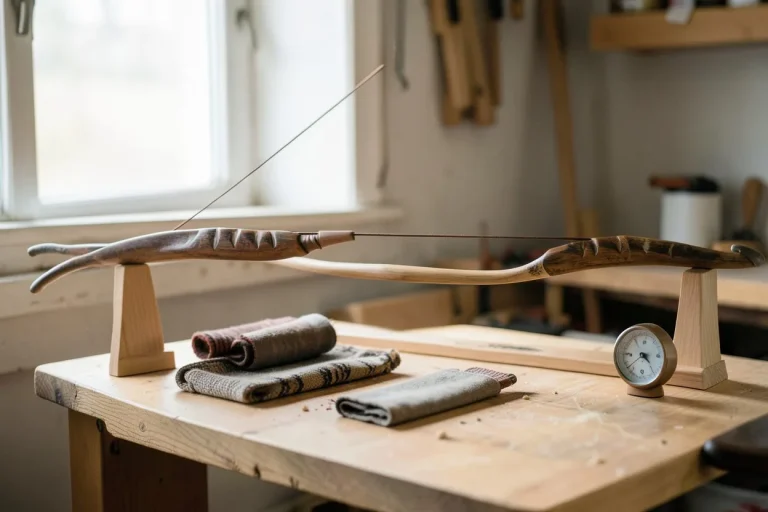
At home, a draw board is a strong option for checking compound-bow draw length, while a marked full-length arrow is a simple option for recurve and youth bows. Get it wrong and your anchor, string angle, and cam timing drift, which usually means poor groups and a bow that feels wrong. I rank the most reliable home methods by accuracy, setup time, and repeatability, then point you to the right choice for compound, recurve, and youth setups.
This guide is part of our Bow measurements guide series.
My top pick for most home archers is a tape-measure-based check, paired with a wall or T-formation if you want a real form check. It is cheap, fast, and easy to repeat, and I trust it more than height-based guesses. For compound bows, I still prefer a draw board when I need the cleanest number.
Best draw length checker for home archers


What makes a good home checker
When I judge a draw-length checker at home, I care about four things: accuracy, setup time, repeatability, and failure points. A tool that is quick but shifts with posture is not a good checker. A slower method can still win if it gives me the same result twice.
The best home checker also separates the tool from the method. A tape measure is the tool. Wingspan, wall check, and draw board are the methods. People mix those up all the time, then wonder why the number changes.
Who should use a tape-based method first
If you do not own a draw board, start with a tape measure. I use it for beginners, for youth archers, and for anyone buying their first bow online. It gives a solid baseline before you start tuning the bow to your anchor point.
A clean starting point matters.
Quick picks by archer type
For most compound archers, I trust a draw board first. For most recurve archers, I trust a T-formation wall check or a marked arrow check. For youth archers, I start with wingspan, then verify on the bow because growth changes things fast.
- Best for compound archers: Draw board, then confirm anchor consistency on the range.
- Best for recurve archers: T-formation wall check with a helper.
- Best for youth archers: Wingspan baseline first, then a form check.
- Best if you need a fast baseline: Tape-measure wingspan method.
How accurate is the wingspan method?
The wingspan method is a good starting point, not a final answer. It uses a divide-by-2.5 rule, so you can get a fast estimate with no bow required. I use it when I need a first-pass number before any bow fitting happens.
Measure fingertip to fingertip with a tape measure
Stand with your arms straight out and measure fingertip to fingertip with a tape measure. Measure it again, then once more. The page recommends repeating measurements 2-3 times, and I agree with that practice because small posture changes can shift results by a quarter inch.
A 77.5-inch wingspan works out to about 31 inches by that method. That kind of estimate is useful when you are starting from zero. It is not the last word on fit, though.
Divide by 2.5 for a starting point
Divide your wingspan by 2.5 to get a starting draw-length estimate. I like this because it is simple enough for a kitchen-table check, and it gives you a number before you touch the bow.
It works best when you need a quick baseline, especially for first-time buyers. It works worst when you already have a strong anchor point, unusual form, or a bow that needs fine tuning.
When wingspan is good enough and when it is not
Use wingspan when you want a fast estimate, when you are comparing bow sizes, or when you do not have a helper. Do not stop there if the number looks borderline, or if you shoot a compound and care about exact anchor fit.
Height alone is a poor shortcut. I have seen tall shooters with short draw lengths and shorter shooters who need more reach than expected. I trust the tape over the guess.
How do I check draw length at home with a tape?
Use a tape measure with a wall check or T-formation check, then compare the number across a few repeats. This is the most practical home method when you want more form relevance than wingspan alone. It is also the point where your anchor point starts to matter.
Set up the wall or T-formation check
The T-formation method uses a wall and, in many setups, a helper. It measures from fist to mouth corner, so the wall gives you a fixed reference and the helper helps keep your posture honest. That makes it more form-relevant than wingspan alone.
- Stand side-on near a wall.
- Raise both arms into a T shape.
- Set your drawing-side hand where your anchor normally lives.
- Measure from the fist to the corner of the mouth.
- Repeat the check and compare results.
Why helper input matters
A helper matters because you will cheat the posture if you try to do it alone. I see it all the time with beginners: the shoulder rises, the hand creeps back, and the tape reads longer than the real draw.
Keep the anchor point the same on every check. If your hand lands in a different spot each time, the number is noise, not data.
Which method is better for compound bows?
For compound bows, I prefer a draw board first because cam settings and mods change draw length more directly than most home methods can reveal. A compound bow draw length should be matched to anchor point, and a wrong setting can hurt comfort and accuracy fast.
How cam settings and mods affect draw length
Compound bows are adjustable with mods or cams, which makes them easy to tune and easy to misread. A small setting change can alter how the bow sits at full draw. If the bow hits the wall too early or feels too stretched, the setting is off.
Why anchor-point matching matters
Compound draw length only makes sense if your anchor point stays fixed. If your nose, mouth, or release hand lands somewhere else each session, the number on paper means little. The bow has to match the shooter.
On the range, a wrong setting often feels like overreach, creeping shoulder tension, or a release that gets sloppy under pressure. That is the tell I watch for first.
Which method works best for recurve bows?
For recurve bows, a wall check and a marked arrow check usually beat a pure wingspan estimate because recurve draw length is less adjustable than compound bows. Bow size and archer fit matter more, so I verify the number with form, not just math.
Why recurve draw length is less adjustable
Recurve bows are usually selected by bow size and archer fit, then verified with shooting form. You do not have the same cam and mod range that compound bows give you, so a wrong choice can force poor posture.
I like to see a comfortable full draw, a stable bow arm, and a clean anchor before I call the fit good. If the archer has to hunt for the string every shot, the setup is off.
How to verify the number with real form
Shoot a few arrows with your normal anchor and watch the face contact, elbow line, and string alignment. If the draw feels cramped or the shoulder rolls forward, the number is too short. If you are overextending, it is too long.
That is where a tape-measure baseline becomes useful. It gets you close. Shooting confirms whether the fit works.
Home draw-length decision table
This is the comparison I wish more guides included. It separates the method from the tool, and it shows where each one fails. That matters more than a clean-looking estimate.
| Method | Required tools | Helper needed? | Estimated setup time | Repeatability | Common error risks |
|---|---|---|---|---|---|
| Wingspan method | Tape measure | No | Fast | Moderate | Posture drift, loose tape reading, using height instead of wingspan |
| T-formation wall check | Wall, tape measure | Yes | Moderate | High | Anchor changes, shoulder creep, inconsistent mouth-corner contact |
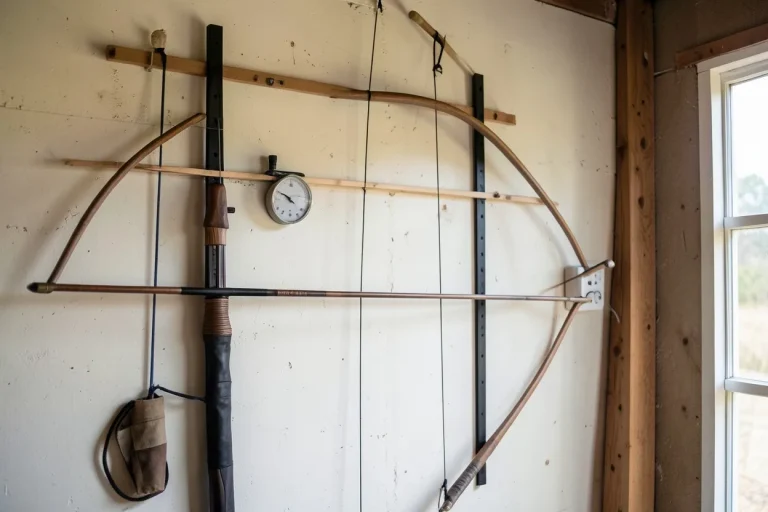
| Draw board | Draw board, bow | Usually yes | Slower | Very high | Wrong setup on the board, misread scale, forcing form that is not natural |
| Marked full-length arrow check | Arrow, tape measure, bow | Maybe | Moderate | Moderate to high | Arrow marking error, anchor inconsistency, poor shot execution |
How do I choose the right method?

Choose the method based on bow type, how much adjustment you have, and whether you can repeat the check the same way every time. The best draw length checker is the one that matches your setup and tells you something you can verify on the range.
Decision path for compound archers
If you shoot compound, start with a draw board if you have one. If you do not, use a tape-measure baseline, then confirm against your anchor point and cam settings. That gives you a number you can trust before you tune the bow.
If the bow feels wrong at full draw, trust the fit over the estimate. A clean number that shoots badly is still the wrong number.
Decision path for recurve archers
If you shoot recurve, use the wingspan method for a baseline, then verify with a wall check or marked arrow. Recurve setup depends more on bow size and body position, so I want a form check before I call it done.
When teaching beginners, the simplest method that keeps the anchor honest is preferred. That is usually the wall check.
Decision path for youth archers
For youth archers, start with wingspan and stay conservative. Youth form changes quickly, so I would rather be slightly short and comfortable than too long and strained. Recheck often as posture and growth change.
If the archer is learning to anchor, keep the method simple. A good starting number matters less than a repeatable one.
What to do when the result falls between sizes
If the result falls between sizes, I usually round down for target archery. For hunting, a slightly shorter draw length can be the better choice if it keeps the shot smoother and the anchor steadier.
Test multiple settings when you are close. Shoot a few arrows at each option and watch which one lets you hold form without reaching.
What mistakes make home draw-length checks inaccurate?
The biggest mistakes are reading the tape loosely, changing anchor point, measuring only once, and using height alone. Those errors create fake precision. A home check is only useful if the body position stays the same from one test to the next.
I also see people trust a number before they test it under real shooting form. That is backwards. The range confirms the fit.
Here is the simple rule I use: measure, repeat, shoot, then adjust if the bow tells you the number was wrong. Small changes matter. A quarter inch can be enough to shift comfort and consistency.
Frequently asked questions
Is wingspan or a bow-based check more accurate?
Wingspan is better for a fast baseline, but a bow-based check is more accurate for real fit because it includes anchor point and shooting posture. If you shoot compound, a draw board is best. If you shoot recurve, the bow-based check tells you more than wingspan alone.
Can I measure draw length without a bow?
Yes. The wingspan method does not require a bow, and it is useful when you are buying your first setup or checking a youth archer. It will not replace a final fit check, but it gives you a useful starting number before you touch equipment.
What if my draw length falls between sizes?
If you fall between sizes, I usually round down for target archery. That keeps the shot controllable and the anchor cleaner. For hunting, a shorter setting may also feel better if it helps you stay relaxed at full draw and avoids overreaching.
How often should I recheck draw length?
Recheck any time your anchor changes, your form changes, or the bow setup changes. I also recheck youth archers often because growth moves things quickly. If your groups suddenly open up or the bow starts feeling off, I check the fit again before I chase anything else.