Hoyt Torrex Bow Review: Is It Worth Your Money Today?
The Hoyt Torrex is a solid mid-price hunting bow if your draw length fits its roughly 23.5 to 30-inch range and you want a quiet, forgiving setup; I’d favor the Torrex XT only if you want the longer axle-to-axle feel. Buy the wrong version or skip setup costs, and you can end up with a bow that feels twitchy, fits poorly, and costs more to tune than it should. I’ll break down who it suits, what it costs to shoot well, and how it stacks up against close competitors.
Hoyt Torrex review: my verdict
My verdict is simple: I would recommend the Torrex to a buyer who cares about fit and a manageable setup more than chasing the newest badge. It is the kind of hunting bow that rewards a careful shop setup. It punishes rushed buying. If you are a newer archer, draw fit matters more than the logo on the limb pocket.
What the Torrex gets right is predictable handling. On a hunting bow, that matters more than a glossy speed number. A shorter, well-fit compound can settle in the hand, aim cleanly, and stay useful through a long season. A bad fit shows up fast: shoulder strain, creeping anchor points, and ugly groups.
Where it can disappoint is ownership cost and buyer fit. A bare bow is only the start. Sight, rest, quiver, peep, loop, arrows, and the first tune add up quickly, and a shooter with the wrong draw length or a stiff holding weight may blame the bow for a setup problem.
Quick verdict for different shooter types
If you are a newer hunter with a normal-to-long draw fit and you want a bow you can count on and grow into, the Torrex makes sense. If you are a smaller archer, a shorter-draw shooter, or someone who is sensitive to holding weight, I would slow down and check fit first. If you already know you prefer a longer hunting platform, the Torrex XT is likely the cleaner bet.
According to hoyt.com — Hoyt’s hunting compound bow Enduro is listed at $849.00 MSRP.
is the hoyt torrex a good bow for you
The Hoyt Torrex is a good bow for you if your draw length falls inside its usable range, you want a hunting-first setup, and you are willing to budget for a proper build. It is not the best answer for every archer. Fit decides that more than brand loyalty does.
Best fit for newer hunters
I like the Torrex for newer hunters who want one bow to learn on and hunt with. A novice can grow into it if the draw weight starts light enough and the shop sets the bow correctly.
That mistake taught me something simple: beginner-friendly means more than “easy to buy.” It means easy to hold, simple to tune, and light enough in draw weight that you can practice with clean form.
Best fit for smaller or shorter-draw shooters
If you are a smaller archer or a shooter with a shorter draw, the Torrex can work well only when the actual draw-length setting matches you. A bow that is even a little too long in draw length starts to feel stretched and shaky. That is where many mid-price hunting bows get blamed unfairly.
Bow fit does that. The right hand orientation and draw length are not side notes.
Who should look at a different bow
I would pass on the Torrex if you have a very short draw, if you need a longer axle-to-axle feel, or if you plan to keep the bow at the top end of its draw-weight range and shoot a lot. If your shoulders are already cranky, there is no point buying a setup that fights you.
Hoyt Torrex vs Torrex XT: what changes in real use
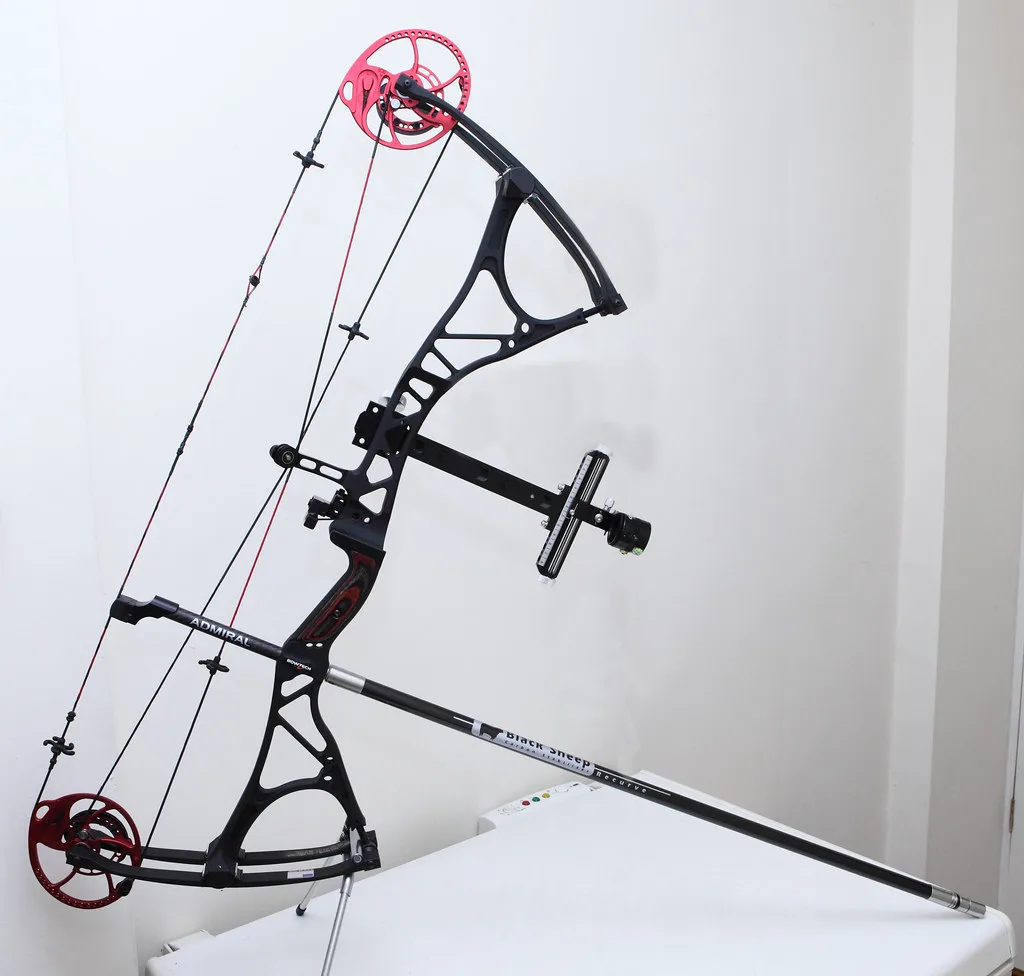
The practical difference is fit, feel, and a little more forgiveness under hunting conditions. The Torrex is the more compact, straightforward option. The Torrex XT gives you a longer, roughly 31-inch axle-to-axle feel, and that can matter if you prefer a steadier aim and a bit more room between the cams and your face.
Feature and fit differences
In real use, the XT is the version I would lean toward for archers who like a calmer hold and a bit more front-to-back balance at full draw. The standard Torrex fits a narrower, more compact hunting role. If you hunt from a blind or tight cover, the smaller package can feel easier to live with.
Both are hunting compounds, but they do not serve the same buyer. The standard Torrex is about keeping the package manageable. The XT is about nudging the experience toward steadier aiming and a little less “busy” feeling at anchor.
Which version makes more sense for hunters
For a tree-stand hunter with limited space, I would start with the standard Torrex. For a hunter who wants a longer sight picture and does not mind carrying a slightly larger bow, the XT is easier to justify. That is where the value question changes: not “which is better,” but “which one matches the way I actually shoot?”
When the XT is worth the extra money
The XT is worth the extra money when your draw length and shooting form make the longer platform feel better immediately. If the standard Torrex feels cramped, twitchy, or hard to hold, stop comparing marketing lines and shoot the XT. The better-fitting bow is usually the cheaper one over time because it needs fewer compromises.
How much does the Hoyt Torrex cost to own?
The Torrex is not just a bow-price decision.
Bow price and dealer pricing context
Hoyt’s dealer pricing varies by shop, bow color, and availability, so I would never treat a single sticker as the full story. For current Hoyt hunting bows, the market also shows how quickly the brand’s pricing moves up or down by model. Hoyt’s hunting compound bow Enduro is listed at $849.00 MSRP, and that helps frame the Torrex as a mid-price option rather than a bargain-bin bow.
If you are comparing it to newer Hoyt hunting models, the buy decision should include model age and dealer stock, not just what the tag says today. Older inventory can be a good buy if it is the right fit. Wrong fit at a discount is still the wrong bow.
Starter accessories you should budget for
The first build is where many buyers get surprised. I would budget for a sight, rest, quiver, stabilizer, peep, loop, and arrows. Lancaster Archery Supply groups Hoyt under compound bows, recurve bows, youth bows, and bow accessories, and their Hoyt accessory lineup includes sights, rests, stabilizers, and quivers. That tells you the accessory stack is part of the bow’s real ownership cost.
| Ownership item | What I would budget | Notes from a real first build |
|---|---|---|
| Bare Torrex bow | roughly mid-price hunting-bow territory | Dealer pricing varies; I would compare a few shops before buying. |
| Sight, rest, quiver, peep, loop | roughly another meaningful chunk of the setup budget | These are not optional if you want a hunting-ready rig. |
| Stabilizer and arrows | roughly enough to change the feel of the whole bow | Arrows matter as much as the rest for tune and confidence. |
| Setup and tuning | roughly the price of a serious shop visit or two | Paper tuning and a proper draw-length check are worth paying for. |
| First-season total | roughly the bow plus accessories plus setup | A bare bow price can mislead buyers by a wide margin. |
First setup and tuning costs
I would expect at least one tuning session, and maybe two if the arrows or rest setup are off. Paper tuning catches nock travel problems early. Draw length charts and tuning charts matter too, especially for newer archers who have never been through a clean setup. Hoyt’s manuals and support pages are worth using before you start guessing.
What draw length and draw weight does the Torrex fit?
The Torrex fits a useful hunting window, but that window still has limits. Its draw-length range and draw-weight range will work for a lot of archers, yet the real question is whether the bow matches your body and your shooting style. A spec that looks broad on paper can still feel wrong in hand.
Draw length range and realistic shooter fit
The Torrex is the better fit for archers whose draw length falls in the mid-range to longer part of the hunting spectrum. The opening question here is not “can I draw it once?” It is “can I hold it cleanly for practice, and then again under hunting pressure?” Short-draw shooters often discover the bow feels harsher than the catalog suggests.
That is why I care more about actual fit than brand reputation. If your valley feels short or your anchor gets sloppy, the bow is telling you the answer already.
Draw weight range and hold comfort
The Torrex’s draw-weight options give flexibility, but I still tell newer archers to start lighter than their ego wants. A bow that is set too heavy ruins form fast. If you cannot draw smoothly, settle the pin, and let down without drama, you are carrying too much weight for productive practice.
Hold comfort matters as much as raw weight. A bow that fits your shoulders can feel easier at a higher setting than a poorly fit bow set lighter. That is why I keep repeating fit instead of chasing numbers.
Left hand and right hand options
Yes, the Torrex comes in left-hand and right-hand options, and that can matter more than many new buyers expect. Hand orientation is not a preference detail; it is part of the bow fit.
Buy the wrong hand and you will fight the bow every session. No accessory fixes that.
Pros and cons of the Hoyt Torrex
My view is that the Torrex earns its keep when the fit is right and the buyer understands the real cost of a proper hunting setup. It loses ground when a shooter wants a longer feel, a softer first-time experience, or a budget that stops at the bare bow.
Pros
- Good mid-price hunting bow for the right draw-length window.
- Easy to justify if you want a hunting-first, compact setup.
- Works well when you take tuning seriously from day one.
- Available in left hand and right hand versions.
Cons
- Wrong draw length makes it feel awkward fast.
- Setup costs can push the first-season total higher than expected.
- Some shooters will prefer the Torrex XT’s longer feel.
- Too much draw weight will expose bad form immediately.
My buy-or-pass fit checklist for the Hoyt Torrex
My buy decision comes down to fit, not hype. If the bow matches your draw length, your holding strength, and your shooting hand, it is a buy. If any of those are off, I treat it as a pass until the fit problem is solved. That is the difference between a bow you practice with and a bow you keep tweaking.
Shooter type checklist
- Buy if you are a newer hunter who wants a compact hunting bow.
- Buy if you already know your hand orientation and eye dominance.
- Buy if you want a bow you can tune carefully and keep for seasons.
- Pass if you need a longer, calmer holding feel right away.
- Pass if you are guessing on draw length or draw weight.
Draw length and draw weight checklist
- Check your actual draw length before buying.
- Set draw weight light enough to shoot clean groups.
- Do not assume you can “grow into” bad fit.
- Confirm left hand or right hand before you pay.
Quiet setup and tune checklist
- Paper tune before hunting.
- Use the draw-length chart from the owner manual.
- Check the tuning chart for arrow spine and rest position.
- Expect the first setup to take time, not minutes.
What accessories should i buy with a Hoyt Torrex
Start with the essentials: rest, sight, quiver, peep, loop, arrows, and a stabilizer. That is the package that turns a bare bow into a hunting tool. I would not chase extras before the bow is tuned and shooting clean. Accessories should solve a problem, not create one.
Must-have accessories first
The rest and sight are the first purchases I would make. After that, add a quiver if you hunt, a peep and loop for consistent anchor, and arrows matched to the actual draw weight you plan to shoot. A stabilizer can help the bow settle, but it is only useful after the basic build is right.
Optional add-ons after the bow is tuned
Once the bow is shooting clean, I would look at small balancing tweaks and spare parts. A better stabilizer, string stops, or a different arrow setup can help, but only after paper tuning and field shooting tell you what problem you are trying to solve. Too many archers buy parts before they buy data.
What to ask a dealer to set up
Ask for draw-length verification, paper tuning, peep installation, loop tying, and a quick check of cam timing. If the shop will walk you through the tuning chart and the owner manual setup pages, that is worth more than a flashy accessory rack. Good setup beats brand-new gear every time.
Frequently asked questions
how much does the hoyt torrex cost
The sticker depends on dealer inventory, region, and package details, so I would not shop it as a single fixed number. My advice is to think in terms of total ownership cost: bow, accessories, and tuning. That approach keeps the purchase honest and avoids a bare-bow surprise at checkout.
what draw lengths does the hoyt torrex fit
The Torrex is built for a draw-length range of roughly 23.5 to 30 inches, which can suit many hunters but not every shooter. The important part is whether your actual anchor and comfort line up inside that range. If you are outside it, the bow can feel awkward and harder to tune cleanly.
what draw weight is the hoyt torrex
The right draw weight depends on your strength, shooting form, and how often you practice. I tell new buyers to start lighter than they think, because form breaks down fast when the bow is too heavy. A clean, repeatable draw is more useful than a number that looks impressive.
is the hoyt torrex good for beginners
It can be, but only for beginners who get the fit and setup right. I like it for newer hunters who will work with a shop on draw length, draw weight, and tuning. I do not like it for beginners who want to skip setup and start shooting right away.
what is the difference between hoyt torrex and torrex xt
The XT gives you a longer 31-inch axle-to-axle feel, which can help with steadier aiming and a calmer hold. The standard Torrex is the more compact hunting option. I would choose the XT when the longer feel clearly matches your shooting style, not just because it sounds like the upgrade.
does the hoyt torrex come in left hand
Yes. That matters because hand orientation is part of fit, not a side detail.