Which Native American Tribes Were Best Known for Archery?
No single Native nation can be called “best” at archery; the groups most often linked with it include the Comanche and Lakota for mounted warfare, Apache for hunting and raiding, and Pueblo, Hopi, and Eastern Woodlands nations for a relatively clear documentary record. Getting this wrong flattens distinct nations into one stereotype and hides why some groups were written about more often than others. I can compare tribes by horseback warfare, hunting efficiency, and historical visibility, then explain why those names often surface most.
Which Native American tribes were best known for archery?
What “best known” means in this article
I am not ranking tribes by some imaginary archery score. I am ranking them by three reasons they became famous in the historical record: horseback warfare, hunting efficiency, and how often writers, traders, soldiers, and later archery authors repeated their names.
That distinction matters. A tribe can be highly skilled and still be lightly documented. Another can appear everywhere in print because outsiders wrote about them often, not because their archery was uniquely superior.
The tribes readers keep seeing
The same names keep coming up for a reason. Comanche, Lakota, and other Sioux groups are commonly tied to Plains mounted use. Apache are often cited for practical desert and mountain hunting in many accounts. Cherokee and other Eastern Woodlands nations appear in older accounts because their bow use was noted in hunting and warfare. Those are the names readers see most, but not for the same reason.
Why some tribes became famous for archery
Horseback warfare made some Plains tribes especially visible, but hunting efficiency mattered just as much. A tribe could become known for archery because it used bows effectively on bison, deer, or in raiding, and because outsiders kept repeating those stories in military journals, frontier accounts, and museum labels.
Horseback warfare put Plains archers in the spotlight
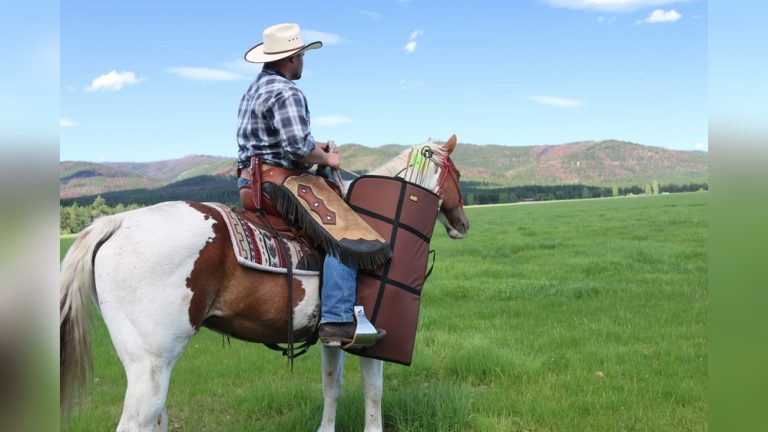
Mounted warfare changed how outsiders described archery. Short bows, fast shooting, and mobility may have made Comanche, Lakota, and related Plains peoples stand out to some non-Native observers, especially those used to foot archery or firearms.
I think this is where a lot of modern shorthand starts. People see “Plains tribe” and assume one uniform style. That is too simple. The horse mattered, but so did terrain, prey, and the materials available for each nation’s equipment.
Hunting skill mattered as much as combat
Archery was a hunting tool, a food-gathering tool, and in many communities a skill tied to identity and responsibility. Some tribes became known for archery because their bows were well suited to deer, antelope, turkey, or bison hunting in a specific region.
Writers repeated some names more than others
Historical visibility is not the same as superiority. Some nations show up more often because soldiers, traders, settlers, and later historians wrote more about them. That means “best known” often reflects who was observed, recorded, and retold, not a clean national ranking.
The tribes most often named in archery history
Comanche: horseback archery and warrior reputation
Comanche are among the most frequently named tribes in archery writing because their mounted warfare was widely noticed. Their reputation rests on speed, mobility, and short bows used effectively from horseback in Plains combat and hunting.
That reputation is historical, but it is also filtered through outsider accounts. Comanche archery became a shorthand for highly mobile Plains warfare, which is why archery readers keep seeing their name first.
Sioux and Lakota: Plains hunting and mounted use
Sioux groups, especially Lakota in archery examples, are often linked to Plains hunting and war. Their mounted use and bison hunting made them a common reference point in archery history articles and museum descriptions.
“Sioux” is a broad label, and Lakota is often the more specific tribal name readers encounter. That matters, because the Plains context is real, but it should not erase the fact that each nation and band had its own history.
Apache: practical archery in the Southwest
Apache are often cited for practical archery in the Southwest, where mobility, scouting, and efficient hunting mattered. Their bows appear in accounts of raiding, defense, and daily survival rather than the same mounted-battle framing that follows Plains nations.
That makes Apache archery famous in a different way. It is less about the horse and more about fitting the bow to arid country, where a compact, useful bow mattered more than ceremonial reputation in the writing that survived.
Cherokee: hunting and warfare in woodland country
Cherokee archery is usually discussed in hunting and warfare terms within Eastern Woodlands or Southeast settings. Their bows are not as often tied to horseback warfare, but they appear in records because bow use remained important for both food and defense.
Cherokee examples help break the habit of treating Native archery as a Plains-only story. Woodland nations had long, serious archery traditions too, even if they are not as loudly marketed in popular history.
How Plains, Southwest, and Woodland archery differed
Plains, Southwest, and Woodland nations shaped bows around different terrain, prey, and travel patterns. That is why there was no single Native bow style. Shorter bows were common on the Plains, while other regions often favored forms better suited to dense forest or desert use.
Why Plains bows were often shorter
On horseback, a shorter bow is easier to draw and control. Plains archers often needed compact bows that could be used in motion without snagging. That is one reason short bows are so closely linked with Comanche, Sioux, and Lakota examples.
Short does not mean weak. Many compact bows were backed with sinew, which added strength and helped the bow store more energy than the raw wood alone would allow.
How terrain shaped hunting and war use
In open country, mounted archery rewarded speed and quick follow-up shots. In wooded country, short-range hunting and ambush could favor different bow lengths and shooting styles. In the Southwest, heat, dryness, and available plant materials shaped design choices in practical ways.
When I coach beginners, I see the same principle in miniature. A bow that fits the shooter and the job usually beats a “famous” setup that is wrong for the person using it. The old tradeoffs still make sense.
Why one style does not fit every Native nation
Native nations were not one archery culture. A bow that made sense for a mounted Plains hunter would not be the same as one made for woodland travel, river country, or desert life. The equipment follows the land.
What bows and arrows did these tribes use?
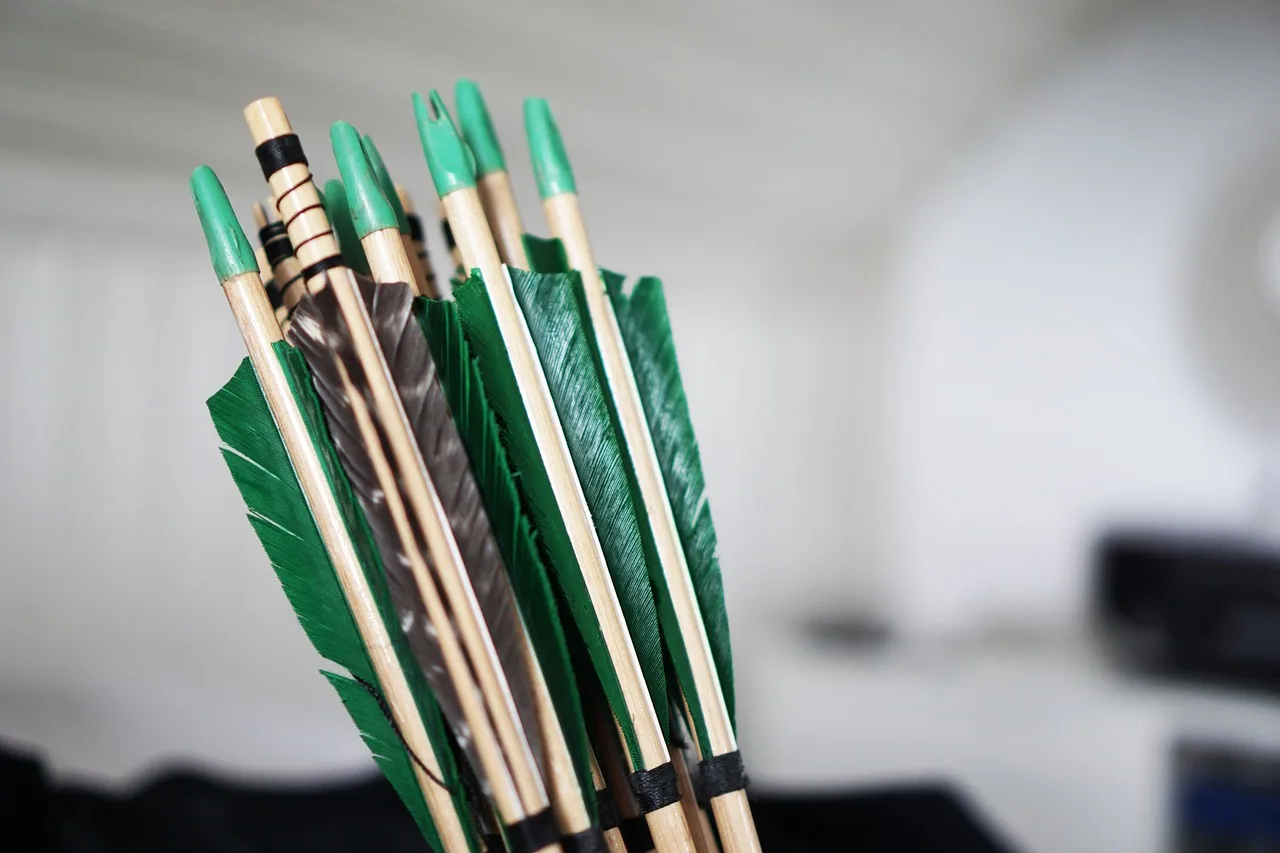
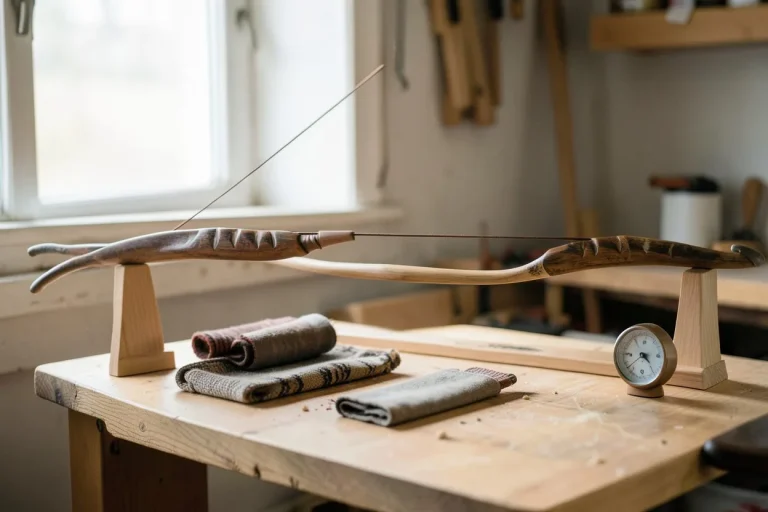
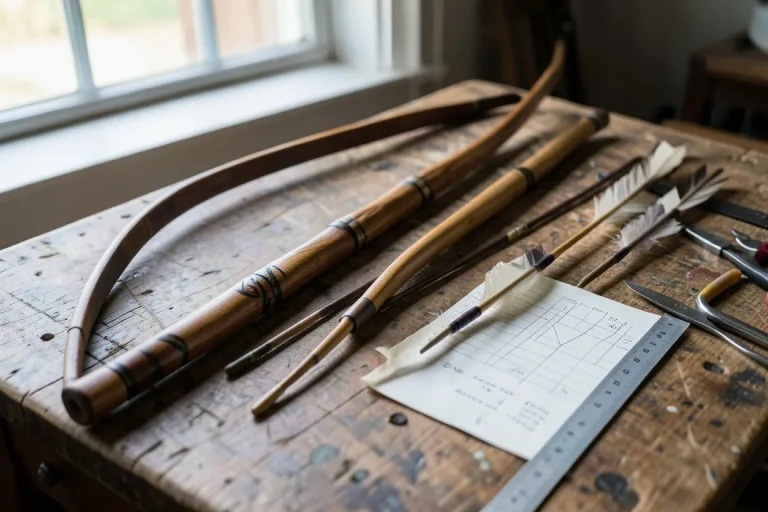
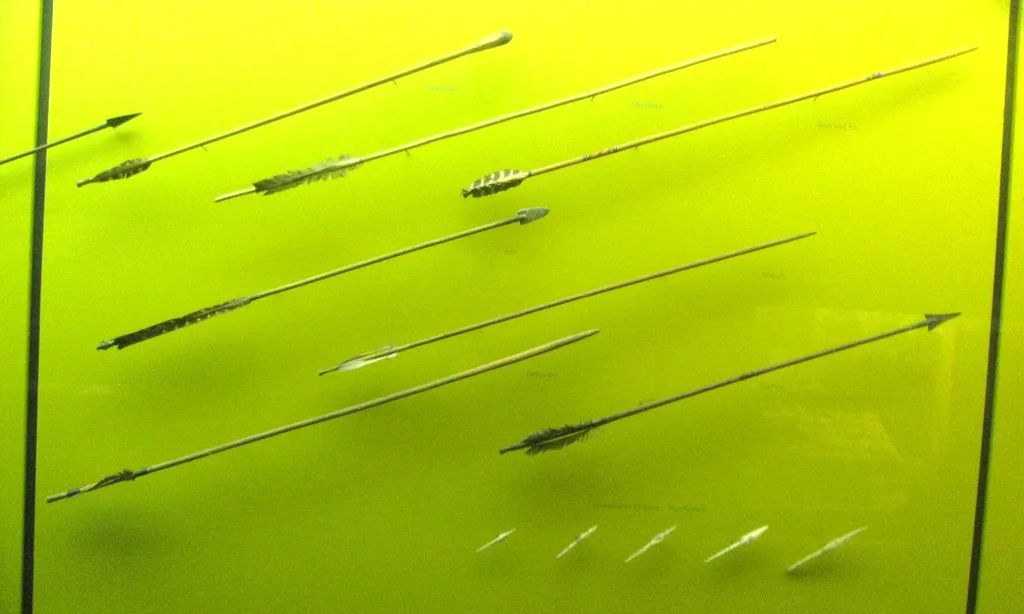
Bow design varied by region and available materials. Many Native bows used hardwoods such as osage orange and hickory, with sinew backing in compact bows where extra strength was useful. Arrows often used wood or reed shafts with stone, bone, or later metal points, and feather fletching helped stabilize flight. (en.wikipedia.org)
Osage orange and hickory as important bow woods
Osage orange became famous because it makes durable, powerful bows. Hickory was also valued for Native-style bows because it is tough and widely useful. Both woods fit the practical demands of hunting and war when crafted well.
Not every tribe used the same wood, and not every region had the same access. The material on hand often mattered as much as any tribal tradition attached to it.
Sinew backing for added strength
Sinew backing was a common way to strengthen compact bows. It helped the bow handle stress and could improve performance in shorter designs, especially where speed and portability mattered. That is one reason it shows up so often in discussions of Plains bowcraft.
Reed or wood arrows with traditional points
Arrow shafts could be reed or wood, depending on region and use. Points were made from stone or bone in earlier periods, then metal in later contact-era contexts. The shaft and point tell you a lot about a tribe’s environment and era of use.
Feather fletching and why it mattered
Feather fletching helped keep arrows relatively stable in flight. Turkey and eagle feathers are common examples in historical discussions, although actual feather choice could vary by region and purpose. Good fletching mattered in hunting and war alike.
Proof asset: tribe-by-tribe comparison table
This table separates reputation from evidence. Some entries are strongly documented in historical writing. Others are better understood through material culture, oral tradition, or repeated but uneven outsider accounts.
| Tribe | Primary archery context | Likely bow style | Why historians or archery writers keep naming that tribe | Evidence strength |
|---|---|---|---|---|
| Comanche | Horseback warfare and mounted hunting | Short Plains bow, often sinew-backed | Strong warrior reputation and frequent outsider descriptions of mounted archery | Strong on mounted reputation; mixed on exact local variations |
| Lakota | Plains hunting and war, especially mounted use | Short bow suited to horseback shooting | Often used as a Plains archery example in books and museum labels | Strong on Plains association; details vary by band and time period |
| Sioux | Hunting and warfare across Plains groups | Short bow in many Plains contexts | Broad label appears often in general histories and popular writing | Moderate; tribe-level detail is often blurred by the umbrella term |
| Apache | Hunting, scouting, raiding, defense | Practical compact bow adapted to Southwest use | Known for adaptable field use in desert and mountain country | Moderate to strong; regional use is well supported, exact forms vary |
| Cherokee | Hunting and warfare in woodland country | Woodland bow forms, usually longer than Plains examples | Appears in Eastern Woodlands archery discussions and early records | Moderate; more documentary mention than popular mythmaking |
| Pueblo | Village defense, hunting, daily life | Regional bows shaped by Southwest materials | Frequently cited in documentary and museum contexts | Strong on documentation; less tied to mounted warfare narratives |
| Hopi | Hunting and community defense | Southwest regional bow styles | Often mentioned in surveys of Native archery and material culture | Moderate; stronger in ethnographic and museum record than in warfare stories |
Were Plains tribes better archers than woodland tribes?
No. Plains tribes were not necessarily simply “better” than Woodland tribes. They were often more visible in mounted warfare accounts, while Woodland peoples used bows effectively in different terrain and for different prey. The comparison that makes sense is not better or worse, but different requirements and different records.
Visibility is not the same as superiority
Plains archery is overrepresented because horseback warfare left a dramatic impression on outsiders. Woodland archery is often undercounted because it did not fit the same dramatic script. That does not mean it was less skilled or less important.
Which tribes were known for horseback archery?
Comanche are the clearest example, with Lakota and other Sioux groups also strongly associated with mounted archery. Horseback use made these tribes famous because it changed both hunting and combat, and outsiders wrote about that style again and again.
Why the horse changed the story
A rider can shoot from a moving platform, cover more ground, and change position fast. That made mounted archery a powerful part of Plains warfare and hunting, and it is a major reason those tribes became the most cited examples in archery history writing.
How did Native American tribes choose bow materials?
Tribes chose bow materials based on what grew nearby, what the climate would preserve, and what the bow needed to do. Osage orange and hickory were important hardwoods, while sinew backing strengthened compact bows. Arrow shafts could be wood or reed, and fletching often used turkey or eagle feathers.
Local material decided the design
A bow is partly a map of its environment. Dense hardwoods, flexible woods, sinew, and regionally available reeds all shaped the final weapon. If a material was scarce or unsuitable in that climate, makers looked for another path.
Were Native American bows used for hunting or war?
They were used for both. Hunting fed families and communities, while war and raiding demanded speed, accuracy, and control. In many tribes, the same bow could serve both purposes depending on how it was built and who carried it.
One tool, many jobs
That flexibility is part of why archery mattered so much. A bow was not a single-purpose object. It was part of daily life, defense, food procurement, and, in some communities, spiritual practice as well.
Cultural and spiritual importance
I do not want to make that the whole story, but it belongs here. Archery carried cultural weight in many Native nations. Skills, materials, and the making of equipment could connect to identity, teaching, and tradition, not only combat or hunting.
Modern traditions
Archery remains part of some modern Native traditions. The forms vary, just as they did historically. Contemporary practice can include cultural teaching, recreation, and continuity with older knowledge rather than a simple reenactment of the past.
Frequently asked questions
Which Native American tribes were best known for archery?
The tribes most often named are Comanche, Lakota, Sioux more broadly, Apache, Cherokee, Pueblo, and Hopi, but for different reasons. Comanche and Lakota are tied to mounted warfare, Apache to practical hunting and raiding, and Pueblo or Hopi to stronger documentary visibility. “Best known” depends on the lens.
Were Plains tribes better archers than woodland tribes?
No. Plains tribes were more visible in mounted warfare accounts, which makes them seem dominant in popular writing. Woodland tribes used archery effectively for hunting and defense in their own environments. The right comparison is adaptation, not a false ranking of skill.
What made Comanche, Apache, and Lakota archery famous?
Comanche archery is famous for mounted warfare, Lakota for Plains hunting and horseback use, and Apache for practical bow use in the Southwest. Outsiders wrote about these groups often, so their names became shorthand for different kinds of Native archery in historical writing.
Did all Native American tribes use the same kind of bow?
No. Bow design changed with region, climate, and available materials. Plains bows were often shorter, especially for horseback use, while other nations used forms better suited to forests or desert life. Sinew backing, hardwoods, and local reed or wood shafts all varied by place.
Which tribes are most often mentioned in archery history articles?
Comanche, Lakota, Sioux, Apache, Cherokee, Pueblo, and Hopi are frequent names in archery history writing. They appear often because of mounted warfare, hunting reputation, or documentary visibility. That frequency should not be mistaken for a complete map of Native archery traditions.
How did Native American tribes choose bow materials?
They chose materials that matched local conditions and the job at hand. Osage orange and hickory were valued bow woods, sinew added strength to compact bows, and arrows could be made from wood or reed with stone, bone, or metal points and feather fletching.