How Do Sparrows Eat Using Their Beaks: Genius Method
Sparrows eat using their beaks by employing a clever combination of pecking, manipulation, and sometimes even a unique “pump” action to swallow. Their beak shape is perfectly adapted for their varied diet of seeds, insects, and even small fruits, allowing them to efficiently break down and ingest food. For more on this, see our guide on How Do You Stand When Told To Address The Target.
Ever watched a tiny sparrow pecking away at a dropped crumb or a stray seed? It looks so simple, doesn’t it? But there’s a remarkable amount of skill and adaptation packed into that little beak. Many of us eat with forks and knives, or just our hands, but for a sparrow, its beak is its primary tool for survival – its spoon, its knife, and its fork all rolled into one! If you’ve ever wondered just how these common birds manage to dine so effectively, you’re in the right place. It’s a fascinating process, and understanding it can give you a whole new appreciation for these everyday creatures.
We’ll break down the genius method sparrows use to eat, making it easy to grasp even if you’ve never thought about bird beaks before. Get ready to see these little birds in a whole new light as we explore their amazing eating techniques!
Understanding the Sparrow’s Beak: Nature’s Perfect Tool
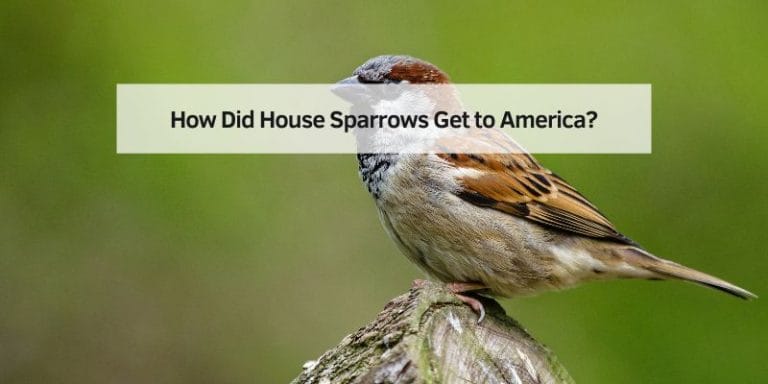
The sparrow’s beak isn’t just any old beak; it’s a marvel of evolutionary engineering, specifically designed for its omnivorous diet. Most common sparrows, like the House Sparrow (Passer domesticus), possess what is known as a conical beak. This shape is incredibly versatile, allowing them to tackle a wide range of foods.
The Conical Beak: Shape and Function
Imagine a small, sturdy cone. That’s essentially what a sparrow’s beak looks like. It’s generally short, thick, and pointed. This specific structure serves several crucial purposes:
- Seed Cracking: The strength and shape are ideal for crushing seeds, which form a significant part of their diet. They can apply precise pressure to break open tough seed coats.
- Grasping and Manipulation: The pointy tip allows them to pick up small insects, bits of grain, or even tiny berries with precision. The beak also acts like tweezers for these smaller food items.
- Preening: While not directly related to eating, the beak is also essential for maintaining their feathers, which is vital for flight and insulation.
The size and strength of the beak can vary slightly between different sparrow species, reflecting their preferred food sources. For instance, sparrows that rely more heavily on seeds might have slightly thicker beaks than those that consume more insects.

The Genius Method: How Sparrows Actually Eat
Watching a sparrow eat is a masterclass in efficiency. They don’t have hands to hold food or chew it in the way we do. Instead, they rely on a series of precise movements and adaptations.
Step 1: Locating and Selecting Food
Sparrows have good eyesight and are constantly scanning their environment for food opportunities. They are opportunistic feeders, meaning they’ll eat whatever is available and accessible. This can range from fallen seeds on the ground, insects hiding in tree bark or grass, to discarded food scraps from humans.
Step 2: The Pecking Action
Once food is spotted, the sparrow approaches it. The primary method of acquiring food is through pecking. They use the sharp tip of their beak to:
- Pry: If food is slightly hidden, like a seed beneath a small pebble, they can use their beak to pry it loose.
- Jab: For insects or larger food items, they will peck firmly to secure them.
- Break Apart: For larger seeds or pieces of food, they will peck repeatedly to break them down into smaller, manageable pieces.
This pecking isn’t random; it’s controlled and decisive, guided by their vision and instinct.
Step 3: Manipulating Food Items
After pecking, a sparrow doesn’t just swallow the whole thing. They use their beak to manipulate the food item further:
- Positioning: They can tilt their head and use their tongue to shift the food item within their beak, orienting it for easier swallowing.
- Crushing and Processing: For seeds, they often hold the seed with their beak against a rough surface or even their own foot, then use the beak to crack it open. This is a crucial step that simplifies digestion.
- Separating: If they’ve picked up a larger piece of food, they might peck at it to break off smaller, bite-sized portions.
This careful manipulation ensures they get to the nutritious parts of their food and can swallow it effectively.
Step 4: The Swallow – A Hidden ‘Pump’ Action
Swallowing for birds is different from ours. They don’t have powerful diaphragms like mammals. Instead, sparrows, like many small birds, use a clever “pump” action involving their throat muscles and gravity.
- Tilting the Head: After a piece of food is in position, the sparrow will often tilt its head upwards.
- Throat Muscle Contractions: This allows gravity to help. Muscles in the throat then contract in a wave-like motion (peristalsis) to push the food down the esophagus towards the crop and then the stomach.
- The Crop: Many birds, including sparrows, have a special pouch called a crop located in their esophagus. This is where food is stored temporarily before it’s fully digested. It acts like a holding chamber, allowing the bird to eat quickly and digest later, often in a safer location.
This combination of head-tilting and muscular action is incredibly efficient for getting food down without complex chewing.
Dietary Variety and Beak Adaptations
Sparrows are not picky eaters, and their beak allows them to exploit a diverse menu.
Seeds: The Staple Diet
Their excellent seed-cracking ability makes seeds a cornerstone of their diet. They can target various types of seeds, from small millet to larger grains. The strength of their beak allows them to crack even quite hard seed coatings to access the nutritious kernel inside.
Insects: A Protein Boost
During breeding season, and throughout the year, sparrows supplement their diet with insects, spiders, and other invertebrates. Their sharp beak is perfect for:
- Snatching flying insects out of the air with rapid pecks.
- Probing into crevices in bark or under leaves to find hidden bugs.
- Picking up caterpillars and other small invertebrates.
This insect consumption provides essential protein for growth and reproduction. For more on bird diets, the National Audubon Society offers comprehensive insights into avian feeding habits.
Fruits and Scraps: Opportunistic Feasting
Sparrows are highly adaptable and will readily eat small fruits, berries, and even human food scraps when available. Their beak allows them to peck away at soft fruits or break off small pieces of bread or other human food, demonstrating their remarkable ability to thrive in diverse environments.
A Comparison: Sparrow Beaks vs. Other Bird Beaks
To truly appreciate the sparrow’s beak, it helps to see how it compares to other bird adaptations:
| Bird Type | Beak Shape | Primary Diet | How They Eat |
|---|---|---|---|
| Sparrow | Conical, thick, short | Seeds, insects, grains | Pecking, cracking, manipulation, throat pumping |
| Hummingbird | Long, slender, often curved | Nectar, tiny insects | Sipping nectar with a specialized tongue, snatching insects |
| Eagle | Hooked, strong, sharp | Meat (prey) | Tearing flesh with beak, tearing with talons |
| Duck | Broad, flat, often with lamellae (filter plates) | Aquatic plants, insects, small fish | Dabbling in water, sieving food from mud and water |
| Woodpecker | Chisel-like, strong | Insects (larvae) in trees | Drilling into wood, extracting insects with a long, barbed tongue |
As you can see, each beak is perfectly suited to its owner’s lifestyle and diet. The sparrow’s conical beak is a testament to its generalist feeding strategy, allowing it to be successful in a wide variety of habitats.
Tips for Observing Sparrow Feeding Behavior
Want to see this genius method in action? Here are some tips:
- Location: Look for sparrows in urban and suburban areas, parks, gardens, and near human habitation where food sources are often abundant.
- Time: Early morning and late afternoon are often the busiest times for foraging.
- What to Watch For: Specifically observe how they approach seeds, whether they crack them open before swallowing, and how they manage to pick up and carry multiple seeds. Notice the quick head movements.
- Safety First: When observing wildlife, always maintain a respectful distance and avoid disturbing them. Never feed wild birds processed human foods that can be unhealthy. For guidelines on responsible bird feeding, resources like the RSPB (Royal Society for the Protection of Birds) offer excellent advice.
Patience is key! Sometimes you’ll see them eating quickly, and other times they might be more deliberate, especially if they are trying to crack a particularly tough seed.

Frequently Asked Questions About Sparrow Eating Habits
What is the main function of a sparrow’s beak?
A sparrow’s beak is its primary tool for feeding. Its strong, conical shape is perfect for cracking seeds, picking up small insects, and manipulating food for swallowing.
Do sparrows chew their food?
No, sparrows do not chew their food like mammals. They break down larger items into smaller pieces with their beak and then use a throat-pumping action to swallow them.
How do sparrows swallow large seeds?
For larger seeds, sparrows will often crack them open first using their beak. They then position the smaller pieces in their throat and use a combination of head-tilting and muscular contractions to push the food down.
Can sparrows eat with their beaks closed?
While they can manipulate food within their beaks, the actual act of picking up and cracking food requires the beak to be open. Swallowing also involves the beak opening to accept food and then closing as the food is moved down the throat.
What is the “crop” in a sparrow’s digestive system?
The crop is a pouch-like enlargement of the gullet or esophagus in many birds. Sparrows use it to store food temporarily before it moves to the stomach for digestion, allowing them to eat quickly and digest later.
Are sparrow beaks used for anything other than eating?
Yes, sparrow beaks are also crucial for preening (cleaning and maintaining their feathers), building nests, and, in some cases, for defense or courtship displays.
Conclusion: A Tiny Marvel of Nature
After exploring how sparrows eat using their beaks, it’s clear their method is far from simple. It’s a sophisticated and highly effective system honed by evolution. From the precise pecking and crushing of seeds to the efficient manipulation and swallowing that often involves a hidden ‘pump’ action, their beak is a true marvel of natural engineering. Their conical beak is a testament to their adaptability, allowing them to thrive on a diverse diet of seeds, insects, and even scraps. The next time you see a sparrow busy at its meal, take a moment to appreciate the incredible skill and ingenious design at play. It’s a small bird with a big talent for survival, and its beak is the key to its success.