Where was the First Archery Competition: Unveiling Ancient Origins
The story of archery competitions is as fascinating as the ancient sport itself. Archery, the skill of shooting arrows with a bow, is one of humanity’s oldest activities. For thousands of years, it was used for hunting and warfare. But when did archery become a sport, and where was the very first archery competition held? The answer is not as simple as it may seem, and uncovering it gives us a window into human history, tradition, and the evolution of sport. Today, let’s explore the origins of formal archery contests, separating myth from fact and discovering how a martial skill transformed into a celebrated global sport.
The Ancient Roots Of Archery Contests
Long before formal competitions, archery held deep cultural and practical importance. Civilizations such as the Egyptians, Persians, Greeks, and Chinese all valued archery. But did any of them organize the first true archery competition?
Early Archery Traditions
In ancient times, archery contests often had more to do with survival and warfare than with sport. For example, Egyptian pharaohs were known to host displays of archery skill as early as 2800 BCE, but these were demonstrations rather than open contests.
In China, records from the Zhou Dynasty (1046, 256 BCE) describe ceremonial archery rituals, where nobles would shoot at targets as a show of virtue and discipline. These early gatherings were highly ritualized, focusing on etiquette and symbolism, not on open competition as we know it today.
Myth Versus History
Stories of legendary contests appear in many cultures. In the Indian epic, the Mahabharata, princes compete in archery challenges. In ancient Greece, archers vied for prizes at festivals. However, these stories are often wrapped in myth. There is little firm evidence that these were regular, organized events open to many competitors with clear rules.
The concept of a formal, public archery competition, open to many, with standardized rules and records, seems to come later in history.
Medieval Europe: The Birthplace Of Modern Archery Competitions
Most historians agree that the first documented archery competitions took place in medieval Europe, especially in England. Unlike the ritualized contests of Asia, these events were public, had set rules, and often included prizes.
The English Archery Tradition
After the Norman conquest of England in 1066, archery became vital for national defense. English kings mandated regular archery practice for all able-bodied men, making it a central part of daily life. By the 14th century, archery contests were common across England, often organized by local guilds or parishes.
One of the earliest records of a formal archery competition comes from the city of Finsbury, London, in 1583. This event was massive for its time, with 3,000 participants competing for prizes. The competition was well-organized, with written rules, and was open to the public. This is widely recognized as one of the first true archery competitions in the modern sense.
Archery Contests In Other Countries
While England led the way, similar contests arose across Europe. In France, the “Compagnie d’Arc” (archery companies) held competitions from the late Middle Ages onward. In Switzerland, the town of Lausanne has records of annual archery contests dating back to 1444.
However, these usually followed the English tradition or developed later.
Comparing Early Competitions
To understand the differences, here’s a look at a few key early competitions:
| Country | Year of First Documented Competition | Main Features |
|---|---|---|
| England (Finsbury) | 1583 | Public, 3,000 archers, prizes, written rules |
| Switzerland (Lausanne) | 1444 | Annual, local tradition, less formalized |
| France (Compagnie d’Arc) | Late 1400s | Organized by guilds, ceremonial and competitive |
As the table shows, while Lausanne’s contest is older, the Finsbury event in England stands out for its scale, publicity, and formal structure.
The Finsbury Archery Competition Of 1583
The Finsbury competition is often cited as the “first” in the context of modern archery tournaments. But what made it so significant?
Organization And Rules
The Finsbury event was organized by the London archery guilds, with the support of the city authorities. The participants shot at targets called “roving marks” placed across open fields. The competition had clear rules about shooting distance, target size, and scoring.
Public Participation
Unlike earlier private or ceremonial contests, the Finsbury competition was open to any qualified archer. With 3,000 participants, it was a massive gathering, comparable to a national sports event today.
Social And Cultural Impact
For many, archery competitions were a way to demonstrate skill and gain social standing. Winners earned prizes, respect, and sometimes even financial rewards. These events also brought communities together, mixing entertainment with military training.
Pro Tip: Many beginners believe that archery competitions have always looked like today’s Olympic events with standardized targets and scoring. But early contests were much more varied, with local rules and often moving targets.
Archery Competitions In Asia: Ancient But Different
It’s important to recognize that Asia also has a deep tradition of archery contests. However, these events were often more ceremonial or ritualistic than competitive.
China’s Ritual Archery
During the Zhou Dynasty, archery was part of official ceremonies. Nobles would shoot at targets in ritual halls, with music and rules of decorum. The goal was to show self-control and virtue, not just accuracy.
Japan’s Yabusame
In Japan, yabusame, the art of shooting arrows from horseback, dates back to the Kamakura period (12th century). These were both martial demonstrations and spiritual ceremonies meant to please the gods. While impressive, they were rarely structured as open competitions.
Mongolia’s Nadaam Festival
Perhaps the closest to a competition is Mongolia’s Nadaam festival, which features archery, wrestling, and horse racing. Nadaam has roots going back hundreds of years, and Mongolian archery contests are among the world’s oldest continuous traditions. However, records suggest that the format and rules have changed many times, making it difficult to identify a single “first” modern competition.
Credit: www.usarchery.org
The Formalization Of Archery As A Sport
As archery lost its military importance with the advent of firearms, it became more of a sport and recreational activity. This change led to more structured competitions.
The Founding Of Archery Societies
In the 18th and 19th centuries, archery societies began forming across Britain and Europe. The Royal Toxophilite Society, founded in London in 1781, is one of the oldest surviving archery clubs. These societies set standardized rules and held regular tournaments.
The Spread To America
Archery competitions crossed the Atlantic in the 19th century. The United Bowmen of Philadelphia, founded in 1828, was one of the first American archery clubs to hold regular competitions. The National Archery Association of the United States (now USA Archery) was founded in 1879, further standardizing the sport.
Comparing Early Society Rules
To highlight the evolution, here’s a look at the rules from different eras:
| Period | Target Type | Shooting Distance | Scoring Method |
|---|---|---|---|
| Medieval England (Finsbury, 1583) | Roving marks (varied locations) | 90-240 yards | Hit or miss, some points for proximity |
| Royal Toxophilite Society (1781) | Standardized roundel target | 100 yards (Gentlemen), 60 yards (Ladies) | Points by ring |
| USA (late 1800s) | Roundel target | Varied, often 50-100 yards | Points by ring |
This comparison shows how competitions moved from informal, variable conditions to highly standardized formats.
The Olympics And The Modern Era
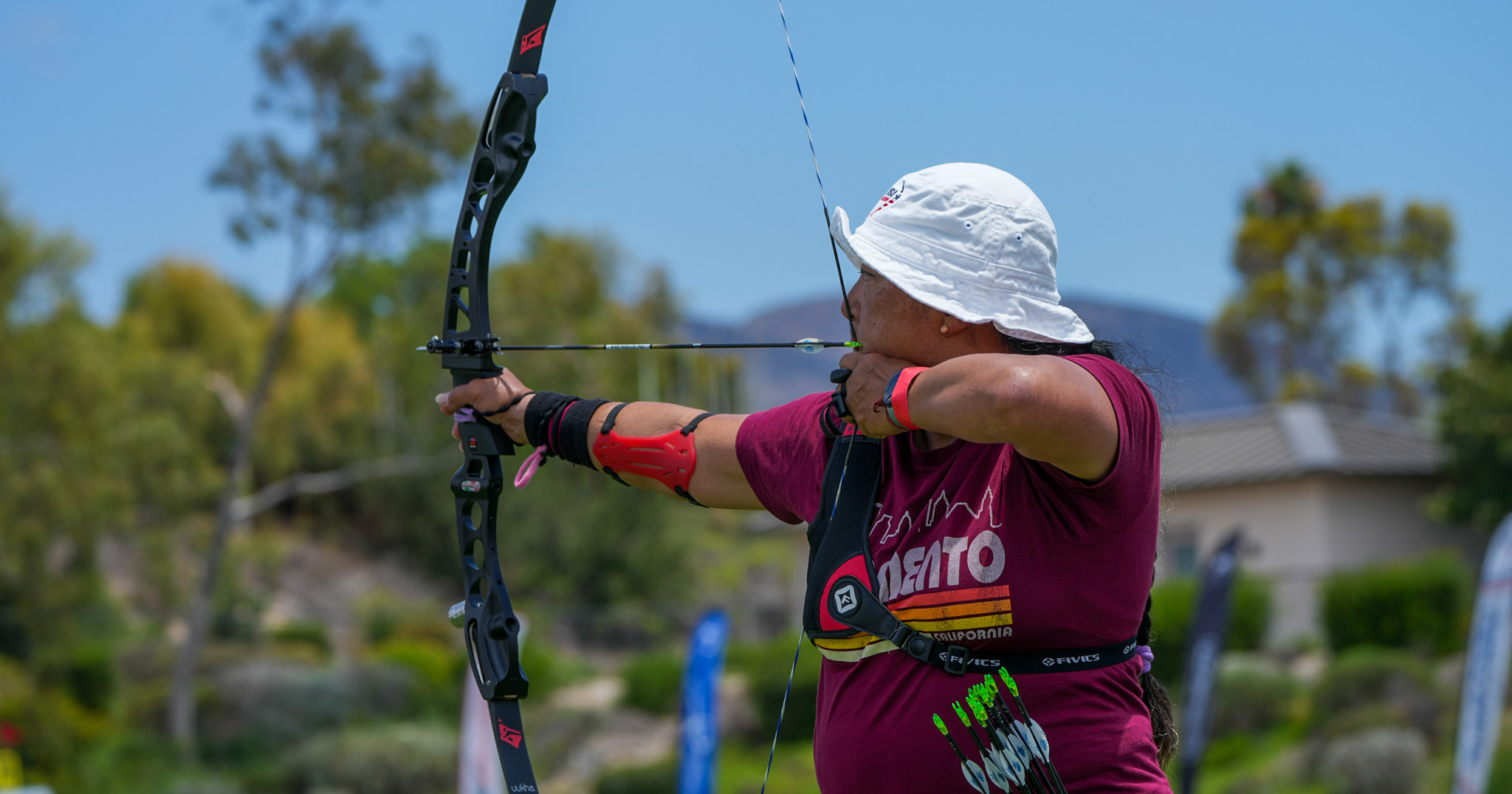
Archery made its debut at the 1900 Paris Olympics, cementing its status as a competitive sport. The format was much different than today’s games, with various distances and target types. Women were allowed to compete as early as 1904, making archery one of the first Olympic sports open to both genders.
Standardizing The Sport
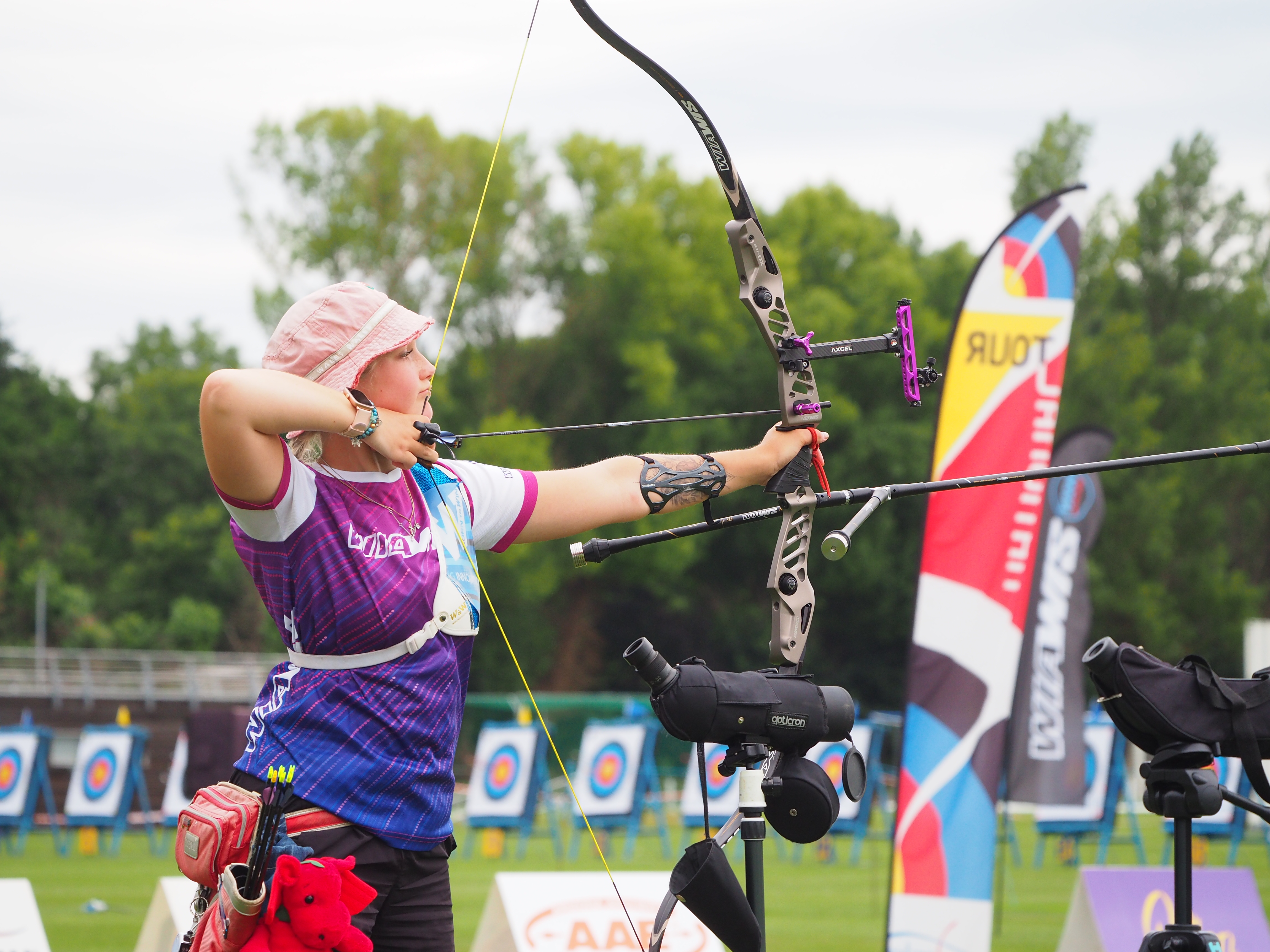
The creation of the Fédération Internationale de Tir à l’Arc (FITA, now World Archery Federation) in 1931 helped unify rules worldwide. Today, international competitions use standardized targets (usually 122 cm in diameter), fixed shooting distances (typically 70 meters for Olympic recurve), and well-defined scoring systems.
Growth And Popularity
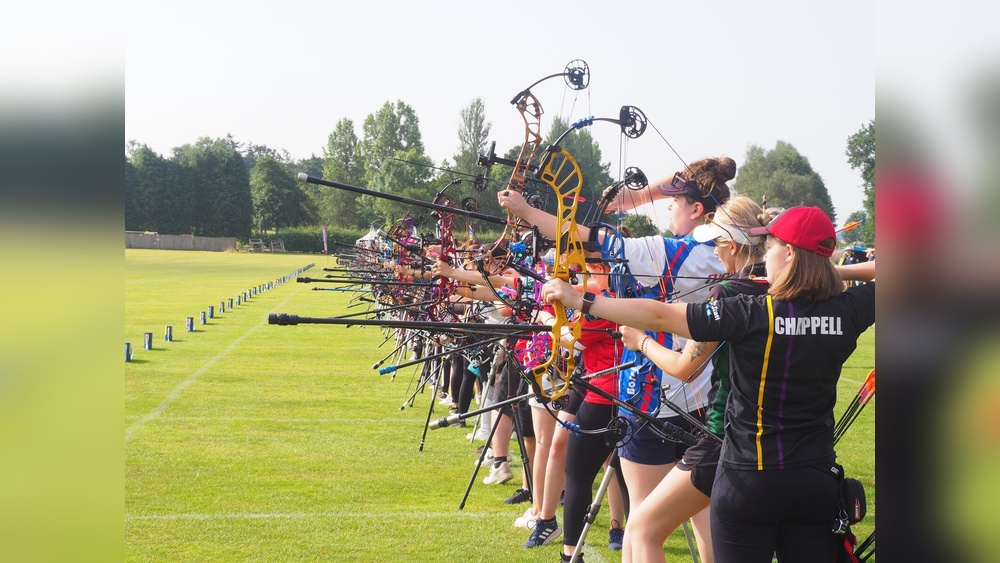
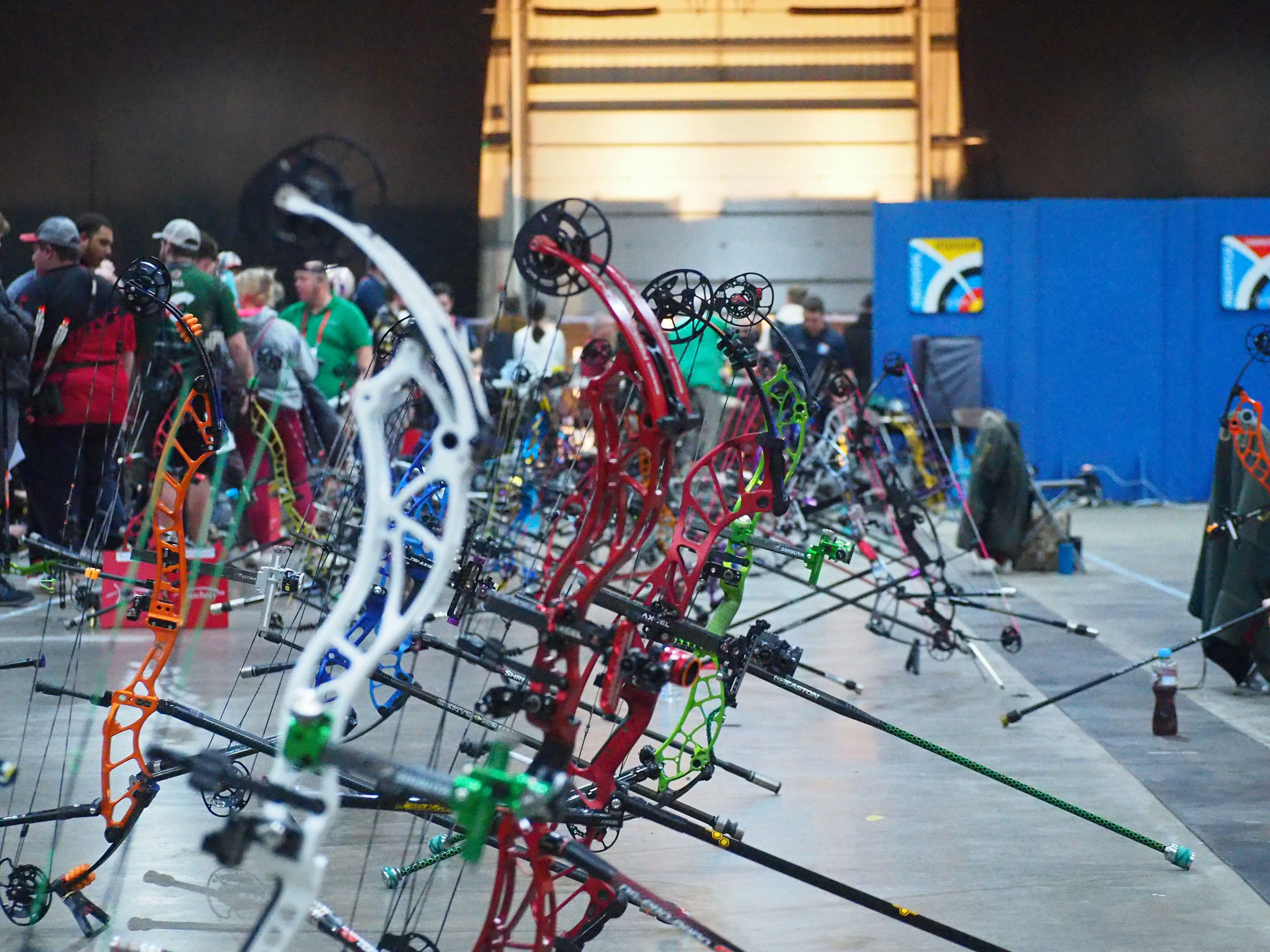
Now, archery competitions are held worldwide, from school and local club events to the Olympics and the World Archery Championships. The sport continues to blend tradition with innovation, using new materials, technologies, and training methods.
Example: When I tested modern Olympic-style archery for the first time, I was struck by how precise and technical the sport has become compared to the open fields and varied distances of historical competitions.
Non-obvious Insights Into Early Archery Competitions
Many people believe that archery competitions have always been about hitting a target at a set distance. But early contests were often about much more.
- Variety of Formats: Early competitions sometimes involved shooting at moving targets, long-distance shots across fields, or even “clout” archery, where archers aimed to land arrows as close as possible to a distant flag.
- Community and Festivity: Competitions were often part of larger festivals, with music, food, and socializing. Winning was important, but so was the sense of community and celebration.
- Changing Rules: Local rules varied greatly. What counted as a “hit” or a “win” in one village could be very different in another, and disputes were common.
- Role of Women: While often overlooked, women have competed in archery for centuries, especially in England and later in the United States. Some 18th-century English tournaments even had separate ladies’ prizes.
- Practical Challenges: Early archers faced unpredictable conditions, wind, rain, uneven ground, and equipment that was far less consistent than today’s bows and arrows.
Why The Finsbury Competition Is Considered The First
While archery contests have ancient roots, the Finsbury competition of 1583 is widely accepted as the first true archery competition for several reasons:
- Scale: With 3,000 participants, it was unprecedented in size.
- Organization: It had clear, written rules and public oversight.
- Openness: Any qualified archer could enter, making it inclusive for its time.
- Documentation: There are surviving records describing the event, its rules, and outcomes.
These factors set it apart from earlier, smaller, or more ceremonial contests.
The Impact Of Early Archery Competitions
The legacy of early competitions still shapes the sport today.
- Standardization: The need for fair rules and reliable scoring led to the detailed regulations we see in modern archery.
- Community Building: Archery clubs, societies, and competitions helped create lasting communities and traditions.
- Sporting Values: The blend of skill, discipline, and fair play in archery competitions set a standard for other sports.
The Global Spread Of Archery Competitions
Today, archery is practiced and celebrated worldwide. The sport is especially popular in countries like South Korea, the United States, and Italy. Each region brings its own history and flavor to the sport, but all share the core values that emerged from those early competitions.
Comparing Modern Competition Styles
Here’s a brief look at how different countries approach archery competitions today:
| Country | Main Competition Type | Unique Feature |
|---|---|---|
| South Korea | Recurve target archery | National school programs, Olympic champions |
| United States | Target and field archery | Large youth leagues, hunting tradition |
| Mongolia | Traditional archery at Nadaam | Unique thumb draw technique, longbows |
| Japan | Kyudo (ceremonial archery) | Emphasis on discipline and ritual |
This diversity reflects archery’s unique ability to adapt and thrive in different cultures.
Credit: startarchery.co.uk
Frequently Asked Questions
What Was The Purpose Of Early Archery Competitions?
Early archery competitions served several purposes. In many places, they were a way to maintain military skills among citizens. Competitions also provided entertainment, built community spirit, and allowed archers to demonstrate their abilities and gain recognition. Some contests had religious or ceremonial significance, particularly in Asia.
Credit: startarchery.co.uk
Did Archery Competitions Exist In Ancient Egypt Or Greece?
While ancient Egyptians and Greeks valued archery and held displays of skill, there is little solid evidence of formal, open competitions with standardized rules like those in medieval Europe. Most early archery events in these cultures were demonstrations, rituals, or part of religious festivals, not public tournaments.
How Did Archery Competitions Change With The Invention Of Firearms?
As firearms became the main weapons of war, archery’s military role faded. This led to archery becoming more of a recreational and sporting activity. Societies and clubs began to form, organizing regular competitions with standardized rules, targets, and scoring systems.
This shift helped shape modern archery as a sport.
What Equipment Did Early Archery Competitors Use?
Early competitors used longbows or short bows made from wood and natural materials. Arrows were often handcrafted and varied in quality. There were no modern sights, stabilizers, or release aids. The lack of standardized equipment added an extra challenge, and success depended on skill and experience.