Best Bow Releases for Beginners (2026): We Compared
The best bow release for beginners is usually an adjustable wrist-strap index release with a single trigger, because it is stable, affordable, and easiest to learn on; choose a handheld release only if you already prefer back-tension style practice. A poor first release can make you punch the trigger, torque the string, and build bad habits that slow accuracy for months. This guide shows how to pick the right release by learning style, fit, adjustability, and the mistakes beginners should avoid.
Quick comparison
| Product | Badge | Best for | Price | ||
|---|---|---|---|---|---|
 | LWANO 360° Adjustable Archery Compound Bow Release AidsLWANO | Our pick | 360° Adjustable · Fabric · Beginner | $29.99 Price as of 16 Oct 2026 | View |
 | sntxmy Bow Release for Compound Bow, Archery Releasesntxmy | Also great | Aluminum Alloy · 4-Finger · Thumb Release | $29.99 Price as of 16 Oct 2026 | View |
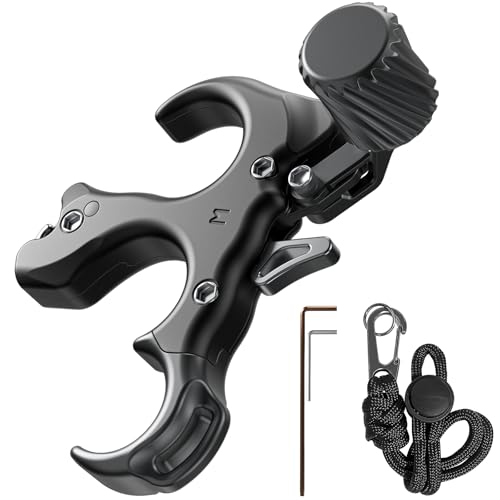 | WGNVISREHY Archery Release for Compound Bow, Adjustable 3WGNVISREHY | Upgrade pick | Aluminum Alloy · Adjustable · Wrist Strap | $119.99 Price as of 16 Oct 2026 | View |
The easiest starting point is still a wrist-strap caliper release, especially for hunters and anyone learning anchor discipline. Thumb releases suit shooters who want a cleaner anchor and are willing to practice more, while back tension hinges are better as a training tool than a first hunting release.
How we chose
This guide centers on four things that matter to a first-time compound-bow shooter: easy learning, trigger control, clothing fit, and hunting use. The comparison also accounts for D-loop compatibility, handedness, and how each style handles gloves, climbing, and cold fingers.
Beginners need a release that stays repeatable. Keep the anchor clear, the fit fixed, and the trigger adjustable enough to avoid a hair-trigger feel. A release that looks advanced can be the wrong starting point if it makes the shot sequence harder to repeat.
Three release families matter here: wrist-strap caliper, handheld thumb trigger, and back tension hinge. Wrist-strap caliper releases are the most common choice for bowhunters. Thumb releases can give a cleaner anchor, but they ask more of the shooter. Back tension is the most advanced of the three.
Bow release decision matrix
This matrix maps common beginner profiles to the release style that fits best, plus the fit and failure points that usually show up first. The score columns are simple: 5 means the style is easier or better suited for that factor, and 1 means it is a poor fit for a new shooter.
| Shooter profile | Release style | Fit notes | Trigger-sensitivity starting point | Glove / stand suitability | Common failure modes | Ease of learning | Field safety | Adjustability |
|---|---|---|---|---|---|---|---|---|
| First-time bowhunter | Wrist-strap caliper | Keep strap snug, head aligned with D-loop, anchor repeatable at jaw or cheek | Medium, then reduce only if the shot breaks too stiffly | Very good with gloves and cold-weather clothing | Trigger punching, strap too loose, inconsistent wrist angle | 5 | 5 | 4 |
| Target-minded beginner who wants a cleaner anchor | Thumb release | Choose 4-finger or ergonomic body, set a repeatable anchor, verify D-loop fit | Medium to firm at first | Fair with gloves, weaker in a tree stand than a wrist strap | Premature thumb squeeze, over-tight grip, moving anchor point | 3 | 3 | 4 |
| Arrow-in-the-bow training focus | Back tension hinge | Use only if anchor and follow-through are already stable | Not about trigger pressure; it fires through rotation | Poor for rushed field use, better for controlled practice | Surprise fire, shot panic, poor timing under stress | 1 | 2 | 3 |
| Cold-weather hunter with layers | Wrist-strap caliper with buckle or foldback strap | Check strap length over a jacket sleeve and keep head rotation free | Medium, with room to fine-tune | Best choice for gloves, climbing, and glassing | Loose strap over bulky clothing, frozen fingers on a tiny trigger | 5 | 5 | 4 |
| Left- and right-handed family use | Ambidextrous / 360-degree rotation model | Look for head rotation and fit that works on both sides | Medium | Good if several shooters share gear | Wrong hand orientation, awkward wrist angle, D-loop misalignment | 4 | 4 | 5 |
Wrist-strap caliper release: best for first-time hunters
- Adjustable sensitivity via included wrench
- Downward-opening clamp head reduces pull
- Locking device ensures precise release
A wrist-strap caliper release is the best first release for most beginners because it keeps the release attached to the wrist, leaves the hand free to draw and anchor, and gives a stable trigger position. That setup lowers the learning burden and works well for hunting, especially when gloves or layered clothing are part of the equation.
Wrist-strap caliper releases are the most common choice for bowhunters. They attach to the wrist with a strap and connect to the D-loop on a compound bow, so they fit the normal hunting workflow better than a handheld release for many new shooters.
What to look for in strap fit
How should a bow release fit? Tight enough that it does not slide around, but not so tight that it cuts circulation or rides up the wrist when the bow is at full draw. The strap should sit flat, the release head should line up with the D-loop without a twist, and your anchor should land in the same spot every time.
Strap material matters more than many buyers expect. Velcro straps are quick and simple, buckle straps tend to hold position well, and leather or nylon changes comfort, smell, and fatigue. Foldback buckle straps are especially useful in the field because they fold out of the way while climbing and keep the strap from snagging when glassing or moving into position.
Say your jacket sleeve is thick and the release starts creeping toward the base of the hand during draw. That usually means the strap is too loose for winter use, not that the trigger is the problem. A firmer fit and a better strap style usually fix the issue before it becomes a form fault.
Trigger feel and jaw style
Adjustable trigger sensitivity is one of the most useful beginner features. It lets a shooter tune trigger travel so the release is not so light that it fires when the hand twitches, and not so heavy that the shot turns into a hard jab. Too much sensitivity often leads to trigger punching, which is one of the fastest ways to build poor habits.
Dual-jaw and single-jaw heads feel different. A dual-jaw or dual-caliper head usually gives a more centered hold on the D-loop, while a single-jaw head can feel simpler and quieter in the field. For a beginner, the main question is which one gives a clean, predictable break without making the trigger feel jumpy.
The Edge Buckle Foldback has a foldback buckle strap for hands-free glassing and climbing, over 1 inch of length adjustment, and a dime-sized caliper head. Those features matter because they make it easier to get a repeatable fit and keep the release out of the way on a stand. The tradeoff is that buckle systems can feel less instant than a simple Velcro strap if the user wants a very fast on-off routine.
Glove and stand use
What bow release works best with gloves? Usually a wrist-strap caliper release. The wrist mount stays accessible when fingers are numb, and the trigger can still be reached with less hand dexterity than a handheld model. That is a real advantage for tree stand hunting, where a quick, controlled shot matters more than a refined anchor experiment.
The Edge Extreme has a low-profile head smaller than a dime, a camo nylon strap, and 360-degree head rotation. That combination is helpful when a beginner wants more positioning flexibility and less bulk under clothing. The main drawback is that compact heads can feel less forgiving if the archer has not settled on a repeatable anchor yet.
Thumb release: best for a cleaner anchor
- Durable one-piece aluminum alloy casting
- 360-degree rotatable for flexible shooting
- Compatible with compound and recurve bows
A thumb release suits a beginner who already wants to practice a cleaner anchor and is willing to spend more time learning trigger control. It can feel tidier at full draw because the hand position is more compact, but that same hand control makes it easier to start punching the trigger or squeezing too early.
Thumb releases are handheld, so they put more of the shot process into the hand rather than the wrist. That can help archers who dislike a wrist strap, but it also removes some of the stability that makes a first release easier to manage.
Who should consider it first?
Begin with a thumb release only if the shooter already has a steady anchor goal and does not mind slower progress. Beginners who are committed to target work, release aid drills, and deliberate shot execution may like the cleaner anchor. Hunters who want fast, practical field use usually do better with a wrist strap first.
The sntxmy thumb release is a handheld 4-finger style made from aluminum alloy, and it is also 360-degree rotatable. Based on the published specs, it fits both compound and recurve bows. The drawback is simple: handheld control asks more of the archer on day one, so the learning curve is steeper than a wrist-mounted release.
Adjustable trigger sensitivity and body style
- Easy fabric design for beginners
- 360-degree rotation for both hands
- Three preset adjustable jaw lengths
Thumb releases can also include adjustable trigger sensitivity, which matters because a beginner needs room to soften the break. Set it too light and the release can go off before the sight picture is steady. Set it too heavy and the shooter starts slapping the trigger instead of pressing through the shot.
Body style matters too. A 4-finger or ergonomic body gives more purchase in the hand than a very compact design. That extra contact can help repeatability, but it can also tempt the shooter to grip too hard. The right choice is the one that keeps the anchor stable without encouraging excess hand tension.
The WGNVISREHY release adds an adjustable wrist strap, a locking device for precise release, and adjustable sensitivity via the included wrench. Based on the manufacturer’s specs, those features suit a beginner who wants a thumb-style release but still wants some wrist support. Its drawback is cost: at $119.99, it is a more serious buy than many entry-level options.
Common beginner mistakes
A common first-timer mistake is grabbing a thumb release because it looks cleaner, then using it like a wrist release. That usually leads to a tense hand, drifting anchor pressure, and surprise movement on the trigger. Another mistake is choosing a light trigger before the anchor is stable enough to hold it.
Suppose a beginner draws smoothly, settles the sight, and then starts rolling the thumb onto the trigger as the pin floats. That small squeeze often causes a punch instead of a clean press. A firmer initial setting and a slower trigger press are usually safer starting points.
Back tension release: best for shot training
Back tension releases are the advanced option. They teach a hinge-style shot sequence that fires through movement in the back and hand, which is useful for training but not the easiest path for a first hunting setup. Their value is real, but it shows up after a shooter already understands anchor, follow-through, and pressure management.
Back tension is best for experienced archers or beginners who are specifically training shot execution under supervision. It is not the most forgiving starting point, and it can feel unforgiving in hunting situations where cold hands, time pressure, and adrenaline already make form harder.
How a hinge-style shot works
A hinge does not depend on the same kind of simple trigger press as a wrist release. The shot breaks as the archer rotates through the handle, which rewards a stable anchor and smooth execution. That design is great for learning surprise release behavior, but it demands patience.
Because of that, a back tension hinge is usually more of a trainer than a first purchase for most new compound-bow shooters. It can build good habits, but it can also expose every little problem in the draw cycle and mental timing.
Where it fits in hunting use
Back tension can work in hunting, but it is better for archers who already trust their shot process. In a stand, with cold fingers and a limited window, the hinge can feel slower and more mentally demanding than a wrist-strap caliper release. That is why many beginners should skip it at first.
The best use case is practice that transfers to better shot control later. If the goal is a first season bowhunt, a wrist-strap release usually gives a more direct path from practice to field use.
Should a beginner choose a wrist release or thumb release?
Most beginners should choose a wrist release first because it is easier to hold, easier to anchor, and less likely to make the shooter fight the trigger. A thumb release can be the better choice only when the archer values a cleaner hand position enough to accept a harder learning curve and more practice time.
Learning curve differences
Wrist-strap releases leave the hand free and reduce the number of moving parts in the shot. That is a major advantage for a beginner whose draw cycle is not yet fully automatic. Thumb releases ask the shooter to manage the release, the grip, and the anchor with more precision.
Anchor stability and trigger-punch risk
Anchor stability is usually better with a wrist-strap release because the wrist connection reduces hand movement. Thumb releases can also anchor well, but they make trigger punching easier if the shooter curls the thumb too fast or clamps the hand around the body. That is why trigger sensitivity must stay under control.
Best fit by shooting goal
If the goal is hunting, a wrist release usually fits better. If the goal is learning cleaner hand position and more refined shot execution, a thumb release may be worth the extra work. The right answer depends less on brand and more on the shot goal, glove use, and how steady the anchor must be.
How should a bow release fit?
A bow release should fit securely, line up naturally with the D-loop, and let the anchor land in the same place every time. Fit is not just comfort. It affects wrist angle, trigger access, and whether the release head sits straight under load or pulls the string at an angle.
Strap tightness
How tight should a bow release strap fit? Tight enough that it does not rotate on the wrist, but loose enough that it does not dig in or change blood flow while drawing. Over-tightening can make the hand tense. Under-tightening can make the release shift and change point of impact.
The Patriot uses an adjustable Velcro strap, is ambidextrous, and has 360-degree rotation. It also allows adjustable trigger sensitivity, and the published guide notes a steel trigger. That gives a new shooter a lot of fit control, but the drawback is simple: Velcro can wear out faster than some buckle systems, and a very light trigger still needs careful setup.
Wrist angle and handedness
Ambidextrous / 360-degree rotation is useful because it lets left- and right-handed shooters set the head position without fighting the strap. Head rotation matters more than many beginners expect. If the release twists the wrist into an awkward angle, the anchor becomes harder to repeat and the shot feels less stable.
Repeatability is the real goal. The release should return to the same angle after every draw, even with layers, gloves, or a hooded jacket. If the buckle or strap changes that angle each time, the fit is not right yet.
D-loop connection and repeatability
D-loop compatibility matters for both wrist and handheld releases because the release head must close on the loop cleanly and release it without side pull. A poor connection can make the shot feel sticky or uneven. Lockdown set screws also help here by keeping length adjustment repeatable after the archer finds the right setting.
Some models offer over 1 inch of adjustment, which helps a beginner dial in the right distance between the wrist and the jaw of the release. That range is useful because small changes in length can change anchor feel more than expected.
Which one should you buy?
If budget and ease of use matter most, start with a wrist-strap caliper release. If hunting and gloves are part of the plan, choose one with a secure strap, straightforward trigger adjustment, and head rotation that does not fight your wrist angle. If the shooter already wants a cleaner anchor and more practice time, a thumb release is the next step. If the goal is pure shot training, a back tension hinge belongs after the basics are stable.
Best choice by budget
The LWANO 360° Adjustable Archery Compound Bow Release Aids Trigger is the most approachable budget option in this group at $29.99. Based on the published details, it uses a fabric design, 360-degree rotation for both hands, and three preset adjustable jaw lengths. The drawback is that the simpler body may feel less refined than a higher-end release with more precise trigger control.
Best choice for hunting use
For hunting, the Edge Buckle Foldback style stands out because the foldback strap helps when climbing and glassing, and the length adjustment supports a more repeatable fit. A wrist-strap caliper release is still the safest first pick for most hunters because it is common, glove-friendly, and less demanding in the field than a thumb release.
Best choice by hand size
Smaller hands often do well with a compact wrist release or a smaller handheld body that does not force the wrist into an extreme angle. The Edge Extreme’s low-profile head can help here, while the sntxmy 4-finger design may suit shooters who want more surface to hold. The tradeoff is that more compact heads can feel less forgiving to a brand-new archer.
Best choice by learning stage
For the first stage, pick a wrist-strap caliper release with adjustable trigger sensitivity and a fit that stays put over clothing. For the second stage, move to a thumb release if the anchor is already repeatable and the shooter wants more hand control. For the advanced stage, add a back tension hinge for drill work, not as the default hunting tool.
Do not buy a release just because it looks modern. Buy for the shot you need to make most often. For most beginners, that means stable, glove-friendly, wrist-mounted, and adjustable.
Frequently asked questions
What are the best bow releases?
The best bow releases for beginners are usually adjustable wrist-strap caliper models because they are stable, common for bowhunters, and easier to learn than handheld styles. Thumb releases are better for shooters who want a cleaner anchor and can handle more practice. Back tension hinges are best kept for later training.
What is the best compound bow release for beginners?
The best compound bow release for beginners is usually a wrist-strap caliper release with adjustable trigger sensitivity and a strap that fits over hunting clothes. That setup gives the most forgiving starting point for D-loop use, anchor stability, and trigger control. A thumb release makes more sense only after the basics are steady.
What type of bow release is easiest for a beginner to use?
A wrist-strap caliper release is the easiest for a beginner to use because the wrist carries the release, the hand stays freer, and the trigger is easier to reach without managing a handheld body. That simplicity matters when anchor position and draw-cycle control are still developing.
What bow release works best with gloves?
A wrist-strap release works best with gloves because the trigger stays attached to the wrist and is easier to find under cold-weather clothing. Foldback buckle straps help in the field, and 360-degree head rotation can make the fit less awkward over layers. Small handheld releases are usually harder to manage with thick gloves.
How do I avoid punching the trigger with a new release?
Start with a trigger that is not too light, then press straight through the shot instead of slapping it. Keep the anchor stable, avoid gripping too hard, and set the release so the hand can stay relaxed. If the release fires while the sight picture is still settling, the trigger is likely too sensitive.