Is a Spinning Arrow More Accurate? Surprising Archery Facts
Is A Spinning Arrow More Accurate?
Archery has fascinated people for thousands of years, from ancient hunters to Olympic athletes. One question often asked, both by beginners and seasoned shooters, is: Is a spinning arrow more accurate? The answer is not as simple as “yes” or “no.” Arrow spin has been a topic of debate and research in the archery community for decades. Many believe that if an arrow spins, like a rifle bullet, it will fly straighter and hit the target more consistently. But is this belief backed by science, real-world tests, and experience?
This article breaks down the mechanics of arrow spin, what causes it, and how it affects accuracy. We’ll cover the physics behind spinning arrows, compare straight-flying and spinning arrows, discuss fletching and arrow design, and look at what top archers and studies say.
If you want to understand whether a spinning arrow will actually improve your archery, read on for a clear, complete guide.
The Science Of Arrow Flight
To judge if a spinning arrow is more accurate, it’s important to understand how arrows move through the air. When released from a bow, an arrow is pushed forward by the string, but it doesn’t just fly in a straight line.
Instead, it bends and flexes in a motion called “archer’s paradox. ” This is because the arrow must get around the bow’s riser (the main handle part) and stabilize itself in flight.
Air resistance and gravity constantly act on the arrow. Without anything to help, the arrow could wobble or even tumble, making accuracy difficult. That’s where fletching, the small vanes or feathers at the back, comes in. Fletching helps keep the arrow pointed forward and can even make it spin, depending on how it’s set up.
What Makes An Arrow Spin?
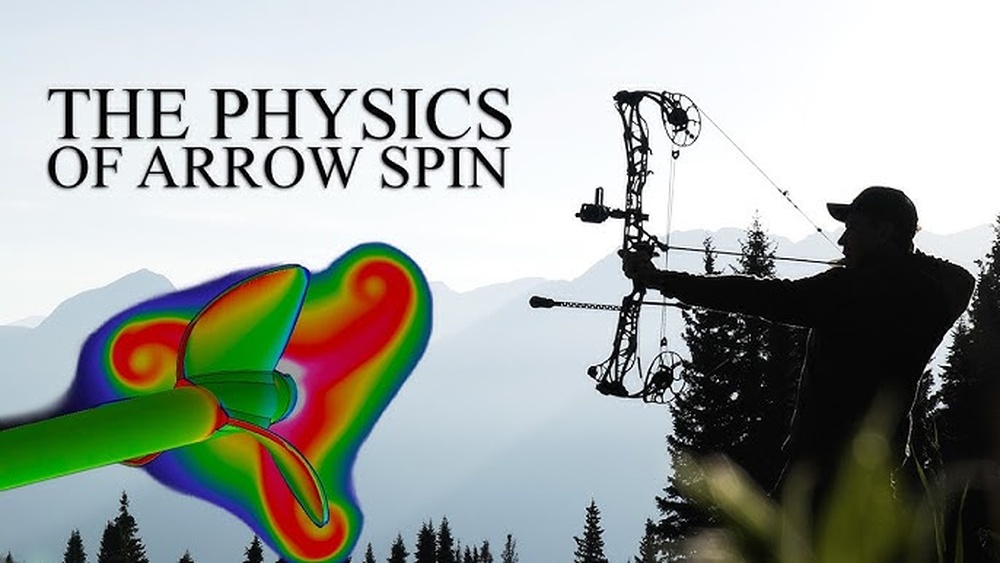
Arrow spin happens when the fletching is attached at a slight angle or spiral, not straight. This is called “helical” or “offset” fletching. As the arrow moves forward, the air catches the angled fletching and twists the arrow around its long axis.
This is similar to how rifling inside a gun barrel makes bullets spin.
Not all arrows spin the same amount. The speed of spin depends on:
- The angle and type of fletching
- The speed of the arrow
- The arrow’s length and diameter
Some arrows are set up to spin clockwise, others counterclockwise. The direction doesn’t matter for accuracy, but consistency does.
Why Spin Might Help Accuracy
The theory behind spinning arrows comes from gyroscopic stability. When a spinning object moves forward, it resists tipping over. This is the same reason a spinning top stays upright. If an arrow spins, it should stay pointed in the right direction and avoid wobbling, at least, that’s the idea.
Gyroscopic Effect Explained
The gyroscopic effect means that a spinning arrow is less likely to veer off course if disturbed by wind or tiny errors during release. The spin helps the arrow “correct” itself in flight, keeping the nose pointed forward.
But the amount of spin needed to get a strong gyroscopic effect is much higher than what most arrows achieve. Bullets can spin thousands of times per second, but arrows usually spin much slower, often just a few turns during their entire flight to the target.
Pro Tip: While spin can help, it’s not the only thing that matters. Arrow weight, fletching size, bow tuning, and shooter technique all play big roles in accuracy.
Comparing Spinning And Non-spinning Arrows
To see if a spinning arrow is more accurate, let’s compare it with a non-spinning (straight-fletched) arrow in key areas:
| Factor | Spinning Arrow | Non-Spinning Arrow |
|---|---|---|
| Stability | More stable in wind and after minor release errors | May wobble or lose accuracy if disturbed |
| Speed | Can lose a little speed due to air drag from angled fletching | Retains more speed with straight fletching |
| Noise | May be slightly noisier | Quieter flight |
| Grouping | Tighter arrow groups at medium/long range | Groups can be wider, especially in wind |
From this, it’s clear spinning arrows have some advantages in stability and grouping, but there are trade-offs. The extra drag from helical fletching can slow the arrow slightly, and the increased noise may matter for hunters.
Fletching Types And Their Impact
The way you fletch your arrows has a big effect on spin and accuracy. There are three main types:
- Straight Fletching: Vanes run perfectly parallel to the arrow shaft. Little to no spin.
- Offset Fletching: Vanes are set at a slight angle, causing a gentle spin.
- Helical Fletching: Vanes are curved or twisted around the shaft, creating strong spin.
| Fletching Type | Spin Rate | Typical Use |
|---|---|---|
| Straight | Low/None | Target archery, speed-focused setups |
| Offset | Medium | All-around use, balance of speed and stability |
| Helical | High | Hunting, broadhead arrows, windy conditions |
Example: When I switched from straight to helical fletching on my hunting arrows, I noticed tighter groups at 40 yards, especially in crosswinds. The difference wasn’t huge at short range, but it became clear as distance increased.
Non-obvious Insight: The “bare Shaft Test”
Many archers overlook the bare shaft test. This is a way to check if your arrows are tuned and stabilized. Shoot an arrow with no fletching alongside a fletched arrow at short range. If both arrows hit the same spot, your setup is well-tuned. If not, the fletching (and spin) is hiding a tuning problem, not fixing it.
Factors That Affect Arrow Accuracy More Than Spin
While spin has an effect, it’s not the most important factor in arrow accuracy. Here are other elements that often matter more:
- Arrow Straightness: Bent or warped arrows fly poorly, no matter how much they spin.
- Bow Tuning: A well-tuned bow launches arrows more consistently.
- Arrow Spine (Stiffness): If the arrow is too stiff or too flexible for your bow, it will wobble.
- Shooter Form: Consistent release and follow-through are critical.
- Wind Conditions: Wind affects all arrows, but spinning arrows handle it a bit better.
- Point Weight: The weight of the arrowhead can change flight patterns.
Warning: Relying only on fletching or spin to fix accuracy problems often leads to frustration. Always check your bow and arrow tuning first.
Credit: www.trackman.com
Do All Top Archers Use Spinning Arrows?
Looking at the highest levels of competition gives clues about what works best. Most Olympic and world-class archers use some degree of offset or helical fletching to add spin, but not always the maximum possible. In target archery, small offset vanes are common, balancing spin and speed.
For hunting and field archery, especially with broadhead tips, which can cause arrows to veer, stronger spin from helical fletching is more common. This helps stabilize the larger, less-aerodynamic heads.
Non-Obvious Insight: Some archers use straight fletching for indoor competition, where wind is not a factor, and distances are short. This gives them maximum speed and minimal drag.
How Much Spin Is Enough?
There’s no magic number for the perfect amount of spin. It depends on your bow, arrows, and purpose. Too much spin can slow the arrow and make it drift in crosswinds. Too little can make the arrow unstable.
Testing is key. Many archers experiment with different fletching types, angles, and lengths to find what groups best for them. Some use high-speed cameras or powder tests to actually see how much their arrows spin during flight.
Pro Tip: Start with a small offset, test for grouping, then try more helical if needed. Don’t go extreme unless your arrows are unstable or you shoot heavy broadheads.
Real-world Studies And Expert Opinions
Several studies have looked at the effect of arrow spin. According to research published in the Journal of Sports Sciences (A. Kooi, 1983), fletching-induced spin helps stabilize arrows, but the effect is much less than that of rifling on bullets.
The main benefit is correcting small errors and helping broadhead arrows fly straighter.
Olympic coaches often recommend offset vanes for target archery and full helical for hunting. The Easton Archery company, a top arrow maker, suggests that helical fletching gives the best stabilization for broadheads, while straight or offset is fine for target points.
For those interested in more technical details, Wikipedia’s Archer’s Paradox entry gives a clear explanation of arrow flex and stabilization.
Common Myths About Arrow Spin
Many archers hear myths about spinning arrows. Here are a few, and the truth behind them:
- Myth: “Spin makes arrows fly perfectly straight every time.”
Fact: Spin helps, but it won’t fix poor tuning, bad arrows, or mistakes in form.
- Myth: “More spin is always better.”
Fact: Too much spin increases drag and slows down the arrow, which can hurt accuracy at longer distances.
- Myth: “Arrow spin is exactly like bullet spin.”
Fact: Bullets spin much faster and are shorter; arrows flex and spin much less, so the effect is not the same.
- Myth: “All professional archers use helical fletching.”
Fact: Many use offset or even straight fletching, depending on the event and conditions.
When To Use Spinning Arrows
Spinning arrows shine in certain situations:
- Hunting with Broadheads: These large, fixed-blade tips can cause arrows to plane or veer. Helical fletching stabilizes them.
- Windy Outdoor Shooting: Spin helps arrows resist side winds and stay on target.
- Long-Distance Shots: The farther the arrow flies, the more small errors add up. Spin helps keep the group tight.
But for short-range, indoor, or speed-focused archery, straight or small-offset fletching may be best.
How To Add Spin To Your Arrows
If you want to try spinning arrows, you’ll need to change your fletching setup. Here’s how:
- Choose Offset or Helical Vanes: Buy vanes or feathers designed for spin. Helical jigs make it easier to glue vanes at an angle.
- Set the Right Angle: A 2, 5 degree offset is common for target arrows; 6, 8 degrees for hunting.
- Use the Right Glue: Some adhesives work better with plastic vanes; others with feathers.
- Test Your Arrows: Shoot groups at different distances and in wind. Adjust fletching if needed.
Example: I tried both left- and right-hand helical vanes on my arrows. There was no difference in accuracy, but I stuck with right-hand because my arrow rest fit better that way.
Advanced Arrow Tuning For Accuracy
If you want to get the most from spinning arrows, don’t stop at fletching:
- Check Arrow Spine: Make sure your arrows match your bow’s draw weight.
- Weigh Your Arrows: Small weight differences can cause arrows to group poorly.
- Square Your Arrow Ends: Use an arrow squaring tool so nocks and points fit perfectly.
- Use Consistent Nocks and Points: Swapping brands or sizes can affect flight.
Remember, spinning arrows help, but the best accuracy comes from a well-tuned system.
Testing Arrow Spin In The Field
Many archers want proof before changing their gear. You can test the difference yourself:
- Fletch half your arrows straight and half with helical or offset vanes.
- Shoot groups at 20, 40, and 60 yards.
- Record the group sizes and check for flyers (arrows that land far from the group).
- Repeat in calm and windy conditions.
Most archers notice spinning arrows group better at longer distances and in wind, but the difference is less at short range.
/https://fbi.cults3d.com/uploaders/21166325/illustration-file/b06f9998-7bb0-4995-91ea-cf85e23e9ff8/Fletching.gif)
Credit: cults3d.com
Do Broadheads And Field Points React The Same?
Broadheads (hunting tips) and field points (practice tips) behave differently. Broadheads are less aerodynamic and can “steer” the arrow off course if not stabilized. Spinning the arrow helps keep broadheads on line. Field points are more forgiving and fly well with less spin, especially at short range.
Pro Tip: If you hunt with broadheads, always test your arrows with the same setup you plan to use in the field. Don’t assume field point accuracy will match.
The Bottom Line: Is A Spinning Arrow More Accurate?
So, does adding spin make arrows more accurate? The answer is yes, in most outdoor and hunting situations, especially with broadhead tips and in the wind. Spin adds stability, helps correct small errors, and keeps groups tight at longer distances.
However, spin is only one part of the accuracy puzzle. Arrow quality, bow tuning, and shooter skill are just as important. For indoor archery or short-range shooting, straight fletching can be just as accurate and a little faster.
In my experience, spinning arrows helped most with hunting setups and outdoor target shooting, but the difference was small for short-range, indoor shots.
For best results, experiment with different fletching types and angles, and focus on tuning your whole setup, not just adding more spin.
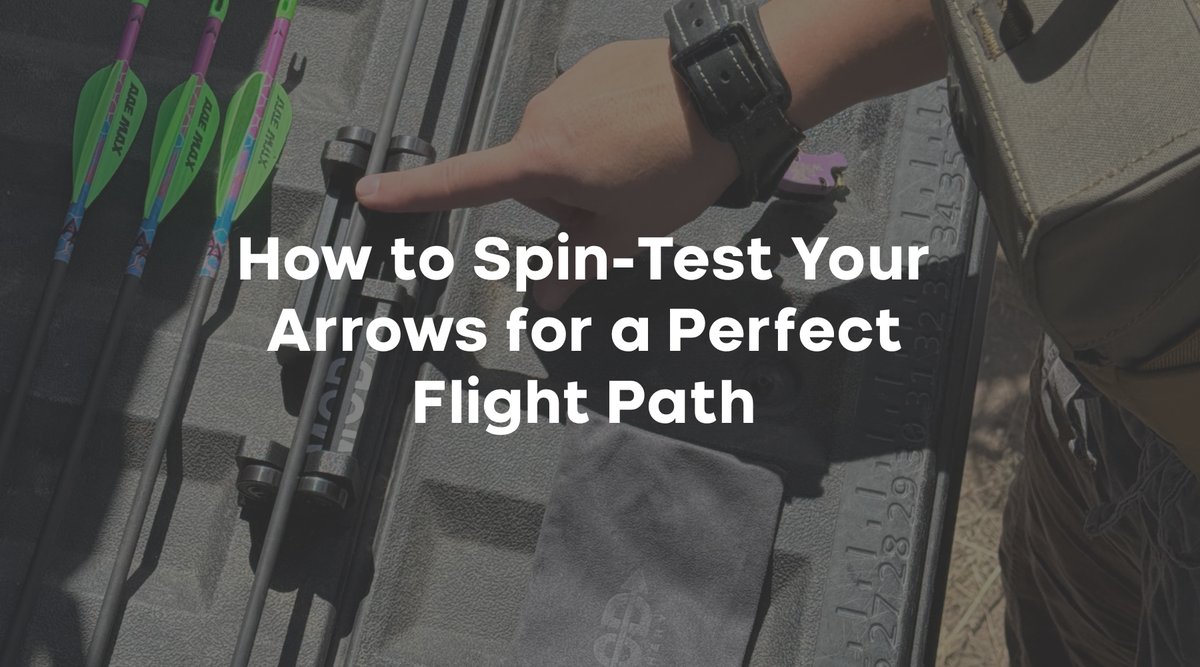
Credit: modarchery.com
Frequently Asked Questions
What Is The Best Fletching Angle For Accuracy?
The best fletching angle depends on your shooting style and the type of arrows you use. Most target archers prefer a 2, 3 degree offset for a balance of speed and stability. Hunters often use 5, 7 degrees for maximum spin, especially with broadhead tips.
Test different angles to see what gives you the tightest groups.