Do Soft Cases Protect Your Bow Enough? Expert Insights & Tips
If you play archery, whether for sport, hunting, or competition, your bow is one of your most valuable tools. Protecting it is not just about keeping it looking nice; it’s about safety, performance, and sometimes even your wallet. Many archers use soft cases for their bows, but a big question remains: do soft cases protect your bow enough? Let’s explore what soft cases really offer, where they fall short, and how to decide if they are right for your needs. I’ll share practical advice, real examples, and a few insights most beginners overlook.
What Are Soft Bow Cases?
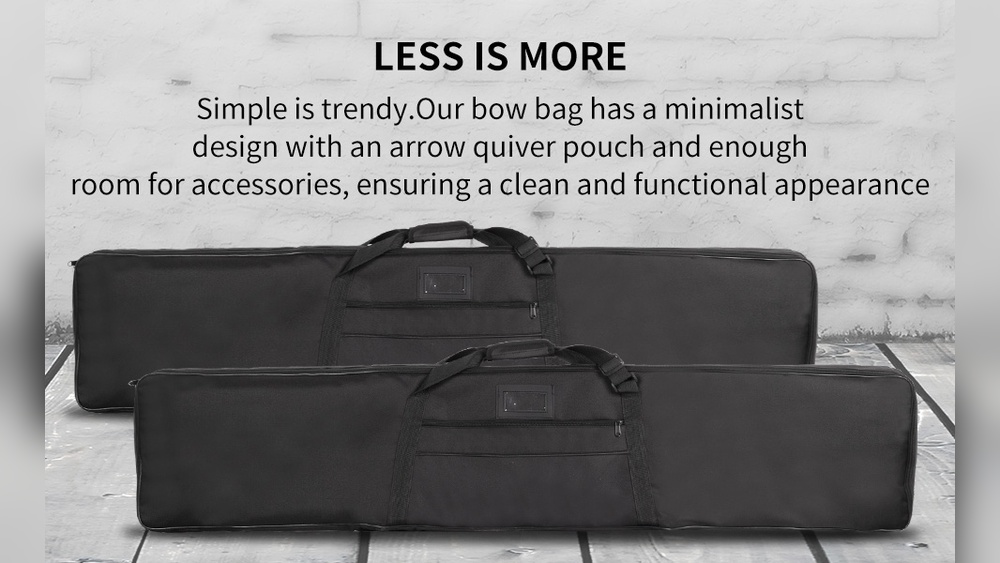
Soft bow cases are typically made from fabric materials like nylon, polyester, or canvas. They are designed to be lightweight and easy to carry. These cases often include padded interiors, pockets for accessories, and sturdy zippers. Unlike hard cases, soft cases don’t have a rigid shell.
Most soft cases are affordable and convenient for transport. They are popular among archers who value portability and need a quick solution for moving bows from place to place. Some brands offer extra padding or reinforced stitching, but the basic idea stays the same: a flexible, cushioned cover for your bow.
How Much Protection Do Soft Cases Actually Provide?
Soft cases offer several types of protection, but also have clear limits. It’s important to understand exactly what they can and cannot do.
Protection Against Scratches And Minor Bumps
The main job of a soft case is to shield your bow from surface damage. The padded lining helps prevent scratches, scuffs, and small impacts. For example, if your bow rubs against other gear in your car or at the range, a soft case will usually keep the finish safe. This is especially useful for bows with delicate paint or wooden risers.
Guarding Against Moisture And Dust
Most soft cases resist dust and dirt pretty well. Zippers and tight seams keep debris out, and many cases are water-resistant. This means light rain or a spilled drink won’t ruin your bow. However, they are not fully waterproof. If you leave your case in a puddle or get caught in heavy rain, moisture can seep inside.
Limited Defense From Heavy Impacts
Soft cases can cushion against light knocks, but they do not protect against serious drops, crushing, or heavy blows. If you drop your bow from a height, step on it, or stack luggage on top, the case might not prevent damage. This is a common mistake: people assume padded fabric is enough, but it’s not meant for rough handling.
Example: When I Tested A Mid-range Soft Case, It Performed Well For Daily Carry And Car Trips. But When I Placed A 20-pound Bag On Top, The Limbs Bent Slightly. This Showed Me That Soft Cases Are Not Built For Stacking Or Harsh Treatment.
Comparing Soft Cases Vs Hard Cases
To understand the differences, let’s look at a direct comparison. Here’s a simple table showing how soft and hard cases stack up for key protection features:
| Feature | Soft Case | Hard Case |
|---|---|---|
| Scratch Protection | Good | Excellent |
| Impact Resistance | Low to Medium | High |
| Water Resistance | Medium | High |
| Dust Protection | Good | Excellent |
| Weight | Light | Heavy |
| Price | Low | Medium to High |
| Travel Suitability | Short trips | Long trips/flight |
As you can see, hard cases are much better for protecting against major impacts, water, and dust. They are also heavier and more expensive. Soft cases do a good job for everyday use, but aren’t strong enough for heavy travel or risky environments.
Real-life Risks: When Soft Cases Are Not Enough
Many archers are surprised by the risks that soft cases can’t handle. Let’s look at some common situations where soft cases may fail:
Airline Travel And Shipping
Airline baggage handlers are not gentle. Bags are often dropped, stacked, or thrown. If you check your bow in a soft case, there is a high risk of damage. Even padded models can’t stop crushing or bending. For flying or mailing bows, experts agree: hard cases are a must.
Extreme Weather And Outdoor Storage
Leaving a bow in a soft case outside exposes it to rain, snow, and humidity. Fabric can absorb water, leading to mold or warping. Hard cases usually have seals and drain holes to keep bows dry. For camping or hunting trips, a soft case may leave your bow vulnerable.
Crowded Vehicles And Gear Stacking
If your bow travels in a crowded car, van, or truck, other items may press against it. Soft cases rarely protect against heavy loads or shifting gear. A hard case keeps the bow safe even if something falls or slides onto it.
Example: A Friend Stored His Recurve Bow In A Soft Case Under Camping Gear. The Tent Poles Pressed Against The Limbs Overnight, Causing A Crack. He Wished He Had Used A Hard Case, Especially For Outdoor Trips.
When Is A Soft Case Enough?
Soft cases are not useless. In fact, they work well in several situations:
Local Range Trips
If you drive to your local archery range and carry your bow by hand, a soft case is usually enough. It keeps your bow clean and safe from light bumps. You can even fit arrows and accessories in the side pockets.
Home Storage
For keeping your bow safe in a closet or under the bed, a soft case does its job. It prevents dust and scratches, and is easy to handle. Just make sure the area is dry and not exposed to temperature swings.
Short Commutes
Walking, biking, or short car rides are low-risk. A soft case is lightweight and comfortable for quick transport. If you don’t expect rough treatment, it’s a practical choice.
Key Features To Look For In A Soft Bow Case
Not all soft cases are equal. If you decide a soft case is right for you, pay attention to these important features:
- Padding Thickness, Look for cases with at least ½-inch foam padding. Thin padding won’t absorb enough shock.
- Material Quality, Durable fabrics like ripstop nylon last longer and resist tearing.
- Secure Closures, Strong zippers and Velcro help keep the case closed and dust out.
- Accessory Pockets, Extra pockets for arrows, string wax, and tools are helpful.
- Reinforced Stitching, Double stitching at stress points prevents the case from splitting.
- Water Resistance, Choose cases with water-resistant coatings, not just basic fabric.
- Carrying Options, Shoulder straps and handles make transport easier.
| Feature | Benefit | Common Mistake |
|---|---|---|
| Thick Padding | Better shock absorption | Choosing thin cases for heavy bows |
| Quality Material | Long-lasting, tear-resistant | Buying cheap fabric that rips |
| Water Resistance | Protects from spills/light rain | Assuming all cases are waterproof |
| Reinforced Stitching | Prevents splitting | Ignoring seam quality |
Soft Cases For Different Bow Types
Not every bow is the same. The type of bow you own affects how much protection you need.
Compound Bows
Compound bows are often larger and more complex. Soft cases for compound bows usually have extra padding and shaped compartments. However, the cams and cables are sensitive. If you bump them hard, performance can suffer. If you use a compound bow for competition, a hard case is safer for travel.
Recurve Bows
Recurve bows are simpler, but their limbs are thin and flexible. Soft cases work well for carrying a recurve, but avoid stacking or rough handling. For wooden recurves, moisture protection is extra important.
Longbows
Longbows are long and slim. Soft cases are easy to find, but they are sometimes too thin. Make sure the case is the right length and offers enough padding. For vintage or expensive longbows, hard cases are a better investment.
Common Mistakes Archers Make With Soft Cases
Many archers, especially beginners, make these errors:
- Overloading the Case, Putting too many accessories inside can stretch the fabric and stress the seams.
- Assuming All Soft Cases Are Equal, Cheap cases often have poor padding and weak zippers.
- Ignoring Weather, Leaving cases outside or in damp areas leads to mold and warping.
- Stacking Heavy Gear, Never stack luggage or camping gear on top of your soft case.
- Skipping Regular Inspections, Failing to check the case for tears or moisture can cause unseen damage.
Pro Tip: Always check your bow and case after each trip. Look for new scratches, loose stitching, or damp spots. Early detection prevents bigger problems.
Soft Case Maintenance: How To Keep Your Protection Strong
Even the best soft case needs care. Here’s how to extend its life and keep your bow safe:
- Clean the exterior regularly with a damp cloth. Avoid harsh chemicals.
- Dry the case completely if it gets wet. Do not store it damp.
- Check zippers and seams for wear and tear. Repair small holes quickly.
- Store in a dry, cool place. Avoid basements and attics with high humidity.
- Remove accessories and arrows before storing for long periods. This prevents stretching and damage.
These steps help ensure your soft case continues to protect your bow as intended.
Who Should Use A Soft Case?
Soft cases are best suited for:
- Casual archers who visit local ranges and do not travel far
- Youth and beginners who need lightweight, affordable protection
- Archers with limited storage space
- Anyone carrying their bow by hand or in a car, not checking it as luggage
If you fit these descriptions, a soft case is likely enough. But if you plan to travel, compete, or store your bow in risky places, consider a hard case.
Alternatives And Upgrades: Beyond Basic Soft Cases
If you want more protection but don’t want a full hard case, consider these options:
- Semi-rigid cases, These have flexible sides with built-in panels for extra strength.
- Double-layer soft cases, Some brands offer cases with two layers of padding and fabric.
- Custom-fit cases, Tailored to your bow’s shape, these offer better protection than generic models.
These upgrades cost more but can bridge the gap between soft and hard cases.
Bow Insurance: An Overlooked Protection
One non-obvious insight is that bow insurance can add peace of mind. If your bow is valuable, consider insuring it. Some homeowner’s policies cover sports equipment, but you may need extra coverage for travel or competition. This protects you from loss or damage that cases alone can’t prevent.

Credit: www.tradtalk.com
How To Decide: Is A Soft Case Enough For You?
Ask yourself these questions:
- How often do you travel? If you fly or ship your bow, a soft case is not enough.
- Where do you store your bow? Humid, crowded, or rough environments need more protection.
- How valuable is your bow? Pricier bows deserve better cases.
- Do you need to carry other gear? If yes, make sure your soft case has strong pockets and stitching.
If you answer “yes” to travel, risky storage, or high value, a hard case or upgrade is the safer choice.
Data: Archery Accidents And Case Types
According to the USA Archery Equipment Survey (2026), 65% of reported bow damage happens during transport. Of these, over half involved soft cases. While soft cases are not unsafe, this data suggests they are more likely to be involved in accidents than hard cases. The main causes were drops, stacking, and water exposure.
For more about archery safety and equipment, you can visit USA Archery.
Frequently Asked Questions
Can I Use A Soft Case For Air Travel If I Put It Inside A Suitcase?
No. Even inside a suitcase, a soft case does not prevent crushing or heavy impacts. Baggage handlers may toss or stack luggage, which risks bending limbs or damaging the bow. Always use a hard, airline-approved case for flights.
Do Soft Cases Protect Against Theft?
Not really. Soft cases are easy to open and cut. If security is a concern, store your bow in a locked hard case or secure location. Consider marking your bow with an ID number for identification if stolen.
Will A Soft Case Protect My Bow From Pets Or Young Children At Home?
Soft cases provide basic protection, but curious pets or kids can still damage the bow. They may chew, press, or even step on it. For homes with pets or small children, storing your bow in a high place or locked hard case is safer.
How Can I Check If My Soft Case Is Still Safe To Use?
Inspect the padding, zippers, and seams regularly. Look for flattened foam, torn fabric, or broken closures. If the case feels thin or loose, replace it. Also, check for signs of moisture or mold inside.
Is It Worth Customizing A Soft Case For My Bow?
Customizing a soft case can improve fit and padding, but the protection is still limited compared to hard cases. If you have a unique bow shape or want extra pockets, custom cases are helpful. For high-value or competition bows, a hard case is a better investment.
Protecting your bow is more than a small detail, it’s about keeping your equipment safe, ready, and performing well. Soft cases are a practical solution for many archers, but they have real limits. By understanding these limits, checking your case often, and choosing the right level of protection for your lifestyle, you can enjoy archery with confidence and peace of mind.