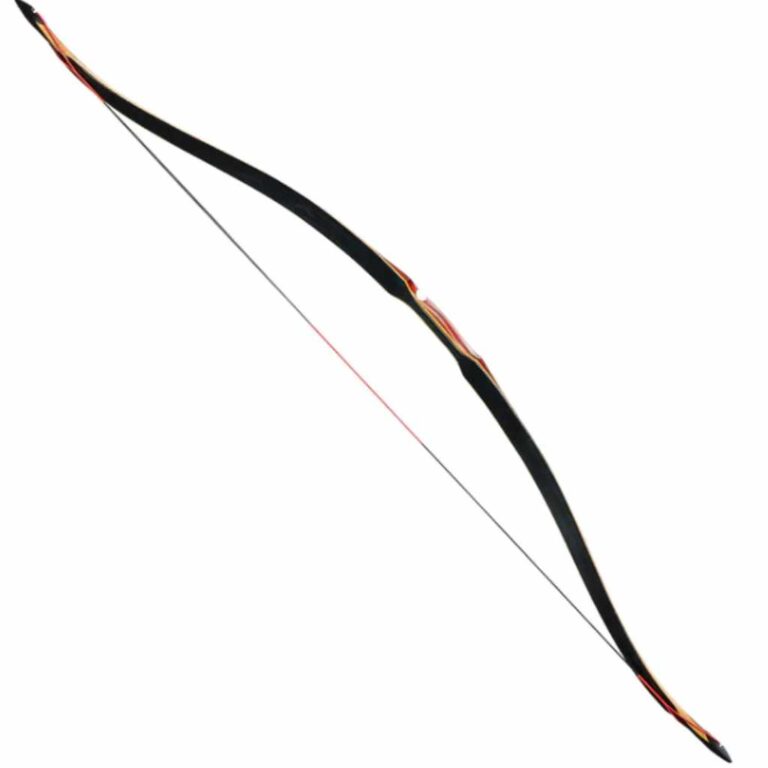
Do Composite Bows Do More Damage? Here’s the Truth
Yes, composite bows generally deliver more kinetic energy and momentum than traditional wooden bows, potentially leading to deeper penetration and more effective impact, especially when using modern arrows. This guide will help you understand why and what this means for your archery. This is a common question among new archers and enthusiasts looking to understand bow technology and its impact. It can feel a bit confusing when you’re just starting, with mentions of different materials and their capabilities. Don’t worry! We’ll break down exactly what makes composite bows different and whether they truly pack a bigger punch. By the end, you’ll have a clear picture and feel confident in your archery knowledge. Let’s dive in!
Understanding Bow Materials: Wood vs. Composite
When we talk about bows, the material they’re made from is one of the biggest factors influencing their performance. For centuries, bows were made primarily from wood. Think about the classic longbows and recurves you might have seen in historical movies or museums. These are beautiful, functional pieces of history, but modern archery has introduced new materials that change the game.
Traditional Wooden Bows
Wood has been the go-to material for bows for millennia. Different types of wood offer different strengths and flexibility needed for bow-making.
Pros of Wooden Bows:
Authenticity and Tradition: They offer a classic archery experience.
Aesthetics: Many find the natural beauty of wood appealing.
Simplicity: They often have a simpler design.
Environmentally Friendly (in some cases): Sustainably sourced wood can be a green choice.
Cons of Wooden Bows:
Vulnerability to Elements: Wood can warp, crack, or break if exposed to extreme humidity, dryness, or temperature changes.
Lower Performance Potential: Compared to modern materials, wood can be heavier and less efficient at transferring energy.
Durability Concerns: They can be less forgiving of rough handling.
What Are Composite Bows?
“Composite” simply means they are made from a combination of different materials. In archery, this usually refers to bows that incorporate advanced materials alongside or instead of traditional wood. These might include fiberglass, carbon fiber, polymers, and specialized plastics. Often, these materials are layered or bonded together to create a stronger, lighter, and more resilient bow.
Modern compound bows, for instance, are highly engineered machines that use a system of cams, cables, and pulleys. While the core limbs of many compound bows are made from composite materials for strength and flexibility, the entire system is what defines them. However, even modern recurve and longbows can be made with composite limb sections (like fiberglass-faced wood) to improve their performance and durability over all-wood designs.
The key takeaway is that composite materials allow bowyers to engineer bows with specific properties—like increased speed, smoother draw, and greater durability—that are harder to achieve with wood alone.

Answering the Big Question: Do Composite Bows Do More Damage?
This is where we get to the heart of your question. When archers talk about “damage,” they’re usually referring to the kinetic energy transferred to a target and the resulting penetration. So, do composite bows inherently do more “damage? The answer is generally yes, but with important nuances.
Kinetic Energy and Momentum: The Science Behind the Punch
To understand why composite bows can exert more force, we need a basic grasp of two physics concepts:
1. Kinetic Energy: This is the energy of motion. The faster an object moves and the more mass it has, the more kinetic energy it possesses. In archery, this energy is what an arrow carries after being shot from the bow. It’s often measured in foot-pounds (ft-lbs).
2. Momentum: This is also related to motion and mass. It’s the “oomph” an object has when it’s moving. Momentum helps the arrow penetrate deeply. It’s calculated as mass times velocity.
How Materials Affect Energy and Momentum
Bows are designed to store potential energy when drawn and then release it to launch an arrow. The efficiency of this energy transfer is crucial.
Efficiency: Composite materials are often lighter and stronger than wood. This allows bows made with them to be drawn to higher poundages (more stored energy) without becoming excessively heavy or bulky. They can also be designed to return to their unstrung shape more quickly and forcefully after the draw is released, transferring more of that stored energy into the arrow.
Limb Design: The way composite limbs are constructed allows for very precise control over their flex and return. This means they can efficiently convert the energy you put into drawing the bow into forward momentum for the arrow. Modern compound bows, with their cam systems, are exceptional at maximizing this energy transfer.
Arrow Speed: A direct result of efficient energy transfer is a faster arrow. A faster arrow has higher kinetic energy and momentum, which translates to greater impact force and penetration.
Composite Bows vs. Traditional Wood for Power
Let’s look at how different types of bows, often made with varying materials, stack up in terms of potential power:
| Bow Type | Primary Materials | Typical Arrow Speed (fps) | Typical Kinetic Energy (ft-lbs) | Notes |
|---|---|---|---|---|
| Traditional Longbow/Recurve | Wood, sometimes horn/sinew backing | 150-170 | 30-50 | Lower draw weights; relies on natural limb cast. |
| Modern Fiberglass/Wood Recurve | Fiberglass + wood laminate limbs, wood/metal riser | 170-200 | 40-65 | More efficient limbs and better durability. |
| Compound Bow | Composite limbs, metal cams/riser, synthetic strings | 250-320+ | 60-100+ | High efficiency; let-off allows easier aiming at full draw. |
Note: These are general ranges and can vary greatly based on draw weight, draw length, arrow weight, and specific bow design.
As you can see, compound bows, which heavily rely on composite limb technology and sophisticated mechanics, typically achieve much higher arrow speeds and kinetic energy. Modern recurves with composite limbs also outperform traditional all-wood designs. So, in terms of raw power, composite bows, especially compound bows, have a significant advantage.
When Does “More Damage” Matter?
It’s important to talk about “damage” in the context of archery. For most hobbyists, the goal is not to cause harm but to enjoy the sport, improve accuracy, and perhaps participate in target shooting or responsible hunting (where legal and ethical).
Target Archery: For most target archery, extreme power isn’t necessary. Accuracy, consistency, and the ability to manage the bow comfortably are far more important. Lighter bows are often preferred to allow for more shots and practice without fatigue.
Hunting: For ethical hunting, sufficient power to humanely dispatch an animal is crucial. This means having enough kinetic energy and momentum to ensure a quick, clean kill. Many jurisdictions have minimum kinetic energy requirements for hunting certain game animals. This is where the superior power of many composite bows becomes relevant. A compound bow, for instance, can deliver the necessary force for larger game like deer or elk.
Penetration for Specific Targets: If you’re shooting at very dense targets, like certain types of foam or outdoor bale targets, higher arrow speed and momentum can help the arrow penetrate deeper and prevent pass-throughs that can damage equipment or be lost.
It’s not about causing gratuitous “damage,” but about having the right tool for the job, which might include the increased efficiency and power offered by composite materials.
Choosing the Right Bow for You: Beyond Just Power
While it’s great to know that composite bows can be more powerful, power isn’t the only factor, especially for beginners. Here are some other things to consider:
Your Goals: Are you looking to shoot casually in your backyard, join a club, or hunt? Your intentions will guide your choice.
Ease of Use: Compound bows, despite their power, can be complex. Modern recurves with composite limbs offer a good balance of performance and simplicity.
Draw Weight: This is the amount of force needed to pull the string back. It’s crucial to start with a draw weight you can comfortably and safely handle for many repetitions. Too heavy a draw weight will hinder your form, limit practice time, and can lead to injury. A bow that is too powerful will be difficult to manage.
Ergonomics and Comfort: The bow should feel good in your hand, and the draw cycle should be smooth.
Budget: Bows vary significantly in price based on materials, features, and brand.
A Beginner’s Approach to Powerful Bows
If you’re new to archery, it’s almost always recommended to start with a lower draw weight, probably a recurve bow. Even a recurve made with fiberglass limbs can be quite effective and will teach you fundamental archery skills without the complexity of a compound bow.
Once you’ve developed good form and strength, you can then consider moving up in draw weight or exploring the world of compound bows if their capabilities align with your interests, such as hunting.
The Role of Arrows
Remember, the bow is only half the equation. The arrows you shoot also play a massive role in how much energy is transferred and how effectively it’s applied.
Arrow Weight: Heavier arrows will carry more momentum and penetrate deeper, but they will be slower. Lighter arrows will be faster but carry less momentum. There’s a balance to consider.
Arrow Spine: This refers to the stiffness of the arrow. It needs to match the draw weight and length of your bow for consistent flight.
Arrowheads: For hunting, different broadheads are designed for optimal cutting and penetration.
A well-matched arrow shot from a composite bow will certainly deliver a more potent impact than a poorly matched arrow from any bow type.

Safety First: Always!
Regardless of the type of bow you choose, safety must always be your top priority. This is especially true when dealing with powerful bows.
Never Dry Fire: This means drawing and releasing the string without an arrow nocked. It can severely damage the bow and cause injury.
Know Your Surroundings: Always be aware of what is behind your target. Never shoot at anything that is not a designated target or a safe hunting scenario.
Use Proper Gear: Wear an armguard to protect your forearm and a finger tab or glove to protect your shooting fingers.
Inspect Your Equipment: Regularly check your bow, string, and arrows for any signs of wear or damage.
Seek Instruction: If you’re new, take lessons from a qualified instructor. They can teach you proper form and safety protocols. Organizations like USA Archery offer resources for finding certified instructors and clubs.
FAQs About Composite Bows and Damage
Here are some common questions beginners have:
Q1: Are all “modern” bows considered composite bows?
Not necessarily. While many modern bows incorporate composite materials (like fiberglass limb facings on recurves or the limbs of compound bows), a bow can still be made entirely of wood. The term “composite” specifically refers to the combination of different materials, like fiberglass, carbon fiber, and resins, often layered together with wood or other core materials.
Q2: If a composite bow is more powerful, does that mean it’s better for beginners?
Generally, no. While composite bows can be more powerful, beginners are usually advised to start with lower draw weight bows (often simple recurves) made from wood or fiberglass. This helps them develop proper form without strain and reduces the risk of injury. Power is only one aspect; control and technique are paramount for beginners.
Q3: How can I tell if a bow is composite?
Look at the limbs. If they have a smooth, often shiny, layered appearance, especially with visible patterns of woven fibers (like fiberglass or carbon), they are likely composite. Traditional wooden bows are typically made from a single stave of wood or laminated wood without fiberglass or carbon facings. Many modern recurves you’ll see will have composite limb facings for durability and performance.
Q4: Is the “damage” from a composite bow only relevant for hunting?
While hunting is a primary area where increased penetration and energy are critical for ethical reasons, it can also be relevant for certain types of target shooting, especially reactive targets or if you’re shooting into very dense backstops. However, for standard target practice with foam or bag targets, the emphasis is usually on accuracy and consistency, not raw power.
Q5: Do composite bows require more maintenance than wooden bows?
Often, the opposite is true. Purely wooden traditional bows can be sensitive to moisture and temperature fluctuations and may require more careful storage and maintenance to prevent warping or cracking. Composite bows, with their integrated fiberglass or carbon, are generally more resistant to environmental changes and can be quite durable, though like any bow, they still require regular inspection for wear and tear on strings, cables, and limbs.
Q6: Can a simple fiberglass recurve limb make a “wooden” bow more “composite”?
Yes! If a bow is constructed with a wooden riser (the handle section) but has limbs that consist of a wood core overlaid with fiberglass or carbon fiber on the front and back, it’s a prime example of a composite limb design. Fiberglass-faced wood limbs are very common in modern recurve bows and offer a significant boost in performance, durability, and often speed compared to traditional all-wood constructions.
Q7: What is “let-off” on a compound bow, and how does it affect its power?
Let-off is a feature of compound bows where the cams and pulleys reduce the amount of holding weight once the bow is drawn to full extension. For example, a bow with 60 lbs of peak draw weight might have 75% let-off, meaning you only have to hold about 15 lbs of weight at full draw. This makes it much easier to aim and hold steady. While the peak draw weight is what determines the initial energy transfer to the arrow, the efficient design of the compound system, enabled by these materials, allows for very high peak draw weights and corresponding high arrow speeds and energy, even with the reduced holding weight.
Conclusion: More Power, More Potential, and Smart Choices
So, to circle back to our main question: Do composite bows do more damage? Yes, in terms of kinetic energy and momentum delivered to a target, composite bows, particularly advanced compound bows, generally pack a stronger punch than traditional wooden bows. This is due to the superior strength-to-weight ratio and engineered flex properties of materials like fiberglass and carbon fiber, which allow for higher arrow speeds and more efficient energy transfer.
However, “more damage” isn’t always the goal, and it’s certainly not the primary consideration for every archer. For many beginners, mastering the fundamentals with a less powerful, easier-to-handle bow is the wisest path. As you grow in skill and interest, the advanced performance of composite bows becomes a compelling option, whether you’re looking to optimize for hunting, competitive target shooting, or simply enjoy the cutting edge of archery technology.
Remember to always prioritize safety, choose equipment that fits your current skill level and goals, and seek guidance when needed. With the right approach, any archer can enjoy the rewarding journey of shooting a bow, composite or traditional. Happy shooting!