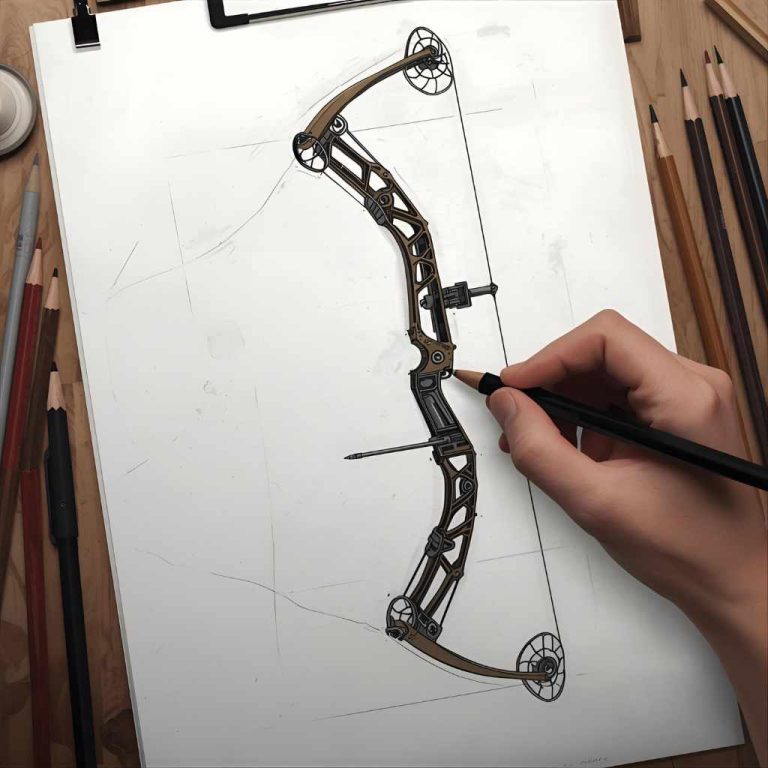
How to Make Magic Composite Bow: Proven Method
Want to learn how to make a magic composite bow? This proven method breaks down the process into simple, beginner-friendly steps. We’ll guide you through selecting materials, crafting the limbs, and assembling your custom bow for impressive performance and durability. Get ready to build your own piece of archery magic!
Hello there, fellow archery enthusiasts! Salman Arfeen here, your friendly guide to all things bows and arrows. Ever felt that spark of wonder watching an archer draw back a powerful bow, picturing yourself doing the same? Perhaps you’ve browsed through all sorts of bows and wondered, “Could I build one myself?” If the idea of creating your own “magic” composite bow has crossed your mind, you’re in the right place! It’s a common dream among beginners and hobbyists wanting a truly personalized archery experience. The good news is, with the right guidance, crafting a composite bow is an achievable and incredibly rewarding project. We’ll walk through this step-by-step to make it clear, safe, and fun. Let’s transform that curiosity into your very own custom bow!
Understanding the Magic: What is a Composite Bow?
Before we dive into making one, let’s understand what makes a composite bow special. Unlike a simple wooden longbow, a composite bow is built from multiple materials layered together. This clever combination allows it to store and release energy much more efficiently. Think of it as ‘smart’ engineering for archery! Traditional composite bows often used wood, animal horn, and sinew, each contributing unique properties. Wood provided a flexible core, horn added stiffness and compression strength, and sinew offered elasticity and tension strength when glued. Modern composite bows often use fiberglass, carbon fiber, and specialized polymers, building on the same principles but with advanced materials for incredible performance.
The “magic” lies in this synergy of materials. When done right, a composite bow can be shorter, lighter, and more powerful than a traditional bow of similar draw weight. This makes them fantastic for various archery styles, from target shooting to recreational hunting. For a beginner, understanding this fundamental concept helps appreciate the design and construction choices we’ll make.

Why Build Your Own Composite Bow?
There are many reasons why you, as a beginner or hobbyist, might want to embark on this journey. It’s more than just creating a tool; it’s about connection and understanding.
- Personalization: You get to design it to your exact specifications—draw length, draw weight, aesthetics. It becomes uniquely yours.
- Deeper Appreciation: Building a bow gives you an intimate understanding of how it works, fostering a greater appreciation for the equipment and the sport.
- Skill Development: It’s a fantastic way to learn practical crafting skills, patience, and problem-solving.
- Cost-Effectiveness: While the initial investment in materials might seem high, building your own can be more economical than purchasing a high-performance composite bow.
- Unique Aesthetics: You can achieve finishes and looks that are hard to find off-the-shelf.
This project is a rewarding challenge that combines craftsmanship with the thrill of archery. It’s about building something functional and beautiful with your own hands.
Essential Materials and Tools for Your Composite Bow
Gathering the right materials and tools is the first crucial step. Don’t worry; we’ll break down what you need in simple terms. Safety first, always! Ensure you have a well-ventilated workspace and appropriate safety gear like gloves and eye protection.
Core Materials
The heart of your composite bow will be its core. For a beginner-friendly, yet effective, build, we’ll focus on readily available modern materials that mimic the properties of traditional ones.
- Core Wood: A piece of strong, stable wood like maple, ash, or bamboo works well. This will form the central backbone of your bow limbs. Aim for a piece that’s straight-grained and free from knots. It should be roughly the width and thickness desired for your finished limbs.
- Fiberglass (or Carbon Fiber) Strips: These will provide the power and resilience. You can often find fiberglass or carbon fiber laminates specifically designed for bow making. For a beginner, fiberglass is often more forgiving and easier to work with. You’ll need enough to laminate onto both sides of your wooden core.
- Strong Adhesive: A good quality epoxy resin is crucial. It needs to be strong, flexible, and able to bond wood, fiberglass, and any other reinforcing materials effectively. Ensure it has a reasonable working time so you can apply it evenly. For more information on adhesives commonly used in composites, check out resources like manufacturing process selection guides from educational institutions, which often detail adhesive properties.
- Backing Material (Optional but Recommended): Some builders add a layer of material to the back (the side facing away from you when shooting). Traditional bows used sinew or rawhide. For a modern build, a strong, flexible material like linen canvas, fiberglass cloth, or even a thin layer of carbon fiber can add durability and prevent splinters.
- Riser Material: This is the handle section. It can be made from a thicker piece of hardwood, layered plywood, or even a sturdy composite material.
Tools for the Job
You don’t need a professional workshop, but some basic tools will make the process much smoother. Consider this your essential toolkit:
| Tool | Purpose |
|---|---|
| Saw (Hand saw or Bandsaw) | Cutting wood to size for limbs and riser. |
| Wood Rasp and Files | Shaping the wood core and limbs. |
| Sanding Blocks and Sandpaper | Smoothing surfaces and preparing for bonding. Grits from 80 to 320 are useful. |
| Clamps (Bar clamps, C-clamps) | Holding pieces together while the adhesive cures. |
| Measuring Tape and Ruler | Accurate measurements are key! |
| Pencil | Marking measurements and shapes. |
| Heat Gun or Hair Dryer (Optional) | Some adhesives benefit from gentle warming. |
| Gloves and Eye Protection | Essential safety gear. |
| Workbench or sturdy surface | A stable place to work. |
| Drill and Bits (Optional) | For making bolt holes if your riser design requires it. |
Step-by-Step: Crafting Your Magic Composite Bow
Now, let’s get to the exciting part: building! We’ll focus on a simplified, beginner-friendly composite construction. This method aims for durability and performance without overly complex techniques.
Step 1: Designing Your Bow
Before you cut anything, sketch out your design. For a beginner-friendly composite bow, something around 40-50 lbs draw weight is a good starting point. Research common bow shapes (like a flatbow or a hybrid design) and decide on your approximate length. A longer bow is generally more forgiving and easier to shoot. Consider your draw length; the bow should be comfortable to handle at your natural anchor point.
A simple design often involves a central riser and two tapering limbs. Keep the limb profile relatively flat and consistent for easier construction.
Step 2: Preparing the Core Wood
Cut your chosen wood (maple, ash, or bamboo) into two identical strips for the limbs. The dimensions will depend on your design, but a starting point could be roughly 1.5 inches wide and 0.5 inches thick, tapering towards the tips. Ensure the grain runs straight along the length of the wood. Plane or sand the wood to achieve a smooth, consistent surface on all sides.
If you’re using a separate riser, cut that piece from your chosen material. It might be a thicker block of wood or layered material to ensure a solid grip.
Step 3: Shaping the Limbs
This is where your bow starts to take shape. While keeping the core wood intact for now, begin carefully tapering your limbs using a rasp, files, and sandpaper. The limbs should get progressively thinner and narrower from the riser area to the tips. Ensure both limbs are as identical as possible in shape and weight. This symmetry is crucial for balanced performance.
You can dry-fit the limbs to the riser at this stage to visualize the final product. Check that they align correctly.
Step 4: Preparing the Fiberglass/Carbon Fiber
Cut your fiberglass or carbon fiber laminate to match the dimensions of your wood core strips. You’ll need two pieces for each limb – one for the belly (the side that will bend towards you) and one for the back (the side that faces away from you). If you are using a backing material like canvas, cut that as well, and also the belly material (the fiberglass that will be on the side facing the archer).
Ensure all surfaces that will be glued are clean and free from dust or oils. Lightly scuffing the surfaces with coarse sandpaper can improve adhesion.
Step 5: Gluing the LaminatesImportant Note on Safety and Adhesion:
Ensure you are in a well-ventilated area and wearing gloves and eye protection when working with epoxy. Proper surface preparation is key for a strong bond. Follow the epoxy manufacturer’s instructions precisely regarding mixing ratios and curing times. For more in-depth knowledge on composite bonding and material properties, academic resources like those found in materials science departments often provide detailed insights. For instance, the National Science Foundation’s courseware on Composite Materials can be highly informative regarding adhesion mechanisms.
Apply a thin, even layer of your chosen epoxy resin to the wood core. Carefully place the fiberglass or carbon fiber strips (and backing material, if used) onto the epoxy. Work quickly but methodically to avoid the epoxy setting. You might laminate the belly side first, let it cure, then flip and laminate the back. Some prefer to laminate both sides in one go or in stages depending on the flex needed from each material.
Use clamps to apply even pressure across the laminated strips. Don’t overtighten, as this can squeeze out too much epoxy or deform the limb. Ensure there are no air bubbles trapped between the layers. Let the epoxy cure completely according to the manufacturer’s instructions – this is critical for strength.
Step 6: Assembling the Riser and Limbs
Once the laminated limbs are cured, you need to attach them to the riser. If your riser is a separate piece, you’ll likely slot the base of each limb into carefully cut mortises in the riser. Again, use strong epoxy to bond them securely. Ensure perfect alignment so the limbs are straight and parallel when viewed head-on.
Ensure the riser is comfortable to hold and provides a stable platform for your hands. You can shape and sand it to your preference.
Step 7: Tillering the Bow
Tillering is the process of ensuring both limbs bend evenly and smoothly. This is perhaps the most critical and delicate step. It’s what makes a bow “alive” and prevents it from breaking.
- Initial Bending: Once the epoxy is fully cured on the riser and limbs, you can start the tillering process. Gently flex the bow by hand or using a tillering stick (a simple wooden stick with notches to hold the bowstring at increasing lengths).
- Observation: Watch how the limbs bend. You are looking for an even, parabolic curve in both limbs. If one area is stiff (not bending), you need to carefully remove a tiny amount of material from that spot on the belly side of the limb. If an area bends too much (hinges), you need to leave it alone or sometimes add a small reinforcement if it’s severe.
- Progressive Tillering: Gradually increase the draw length in small increments, observing the bend at each stage. Never draw the bow past your target draw weight or length during tillering! It’s a slow, patient process.
- Tools: A tillering stick is invaluable. You can also build a simple tillering tree or jig.
You can find excellent visual guides on tillering by searching for terms like “bow tillering” on reputable woodworking or archery forums. Many experienced bowyers emphasize the importance of slow, incremental tillering. For instance, the Traditional Archery Society or similar dedicated groups often host discussions and resources on this precise topic.
Step 8: Shaping the String Nocks and Finishing
Once your bow is tillered to your satisfaction and bends evenly out to your target draw length, you can shape the string nocks on the limb tips. These are small grooves where the bowstring will sit. You can file these carefully, ensuring they are smooth and won’t fray your string. They should be angled slightly towards the belly of the bow.
Finally, sand the entire bow smooth. You can then apply a finish like polyurethane, wax, or a natural oil finish to protect the wood and enhance its appearance. This also seals the composite layers.
Table: Tillering Dos and Don’ts
Tillering is where many beginner bowyers encounter issues. Here’s a quick guide:
| Do | Don’t |
|---|---|
| Work slowly and incrementally. | Rush the process or draw the bow too far. |
| Remove small amounts of wood from the spine (belly). | Remove wood from the back (the side facing away). |
| Focus on an even, parabolic curve. | Allow hinges (spots bending too much). |
| Observe the bend with each draw. | Ignore any signs of stress or cracking. |
| Stop if you see damage. | Continue trying to force the bend. |
Choosing Your Bowstring
The bowstring is as important as the bow itself! For a composite bow, especially one with fiberglass, you’ll want a modern, fast-flight material. Dacron B-50/B-55 is a classic, forgiving choice for beginners. For more speed and durability, consider Fast Flight or similar modern materials. Make sure the string is the correct length for your bow and has loops that fit snugly into your nocks.
You can buy a pre-made string or learn to make one yourself using specialized jig. If you’re new to this, starting with a pre-made string is often easier.

Safety in Archery: Always First!
Building a bow is exciting, but using it safely is paramount. Here are a few essential safety tips:
- Never dry-fire your bow: This means shooting without an arrow nocked. It can cause serious damage to the bow and potentially injure you.
- Always have a proper backstop: When shooting, ensure you have a safe backstop (like a large hay bale or specialized target) that can stop arrows. Never shoot towards anything you can’t see through or beyond.
- Be aware of your surroundings: Make sure no people or animals are in the line of fire or behind the target.
- Inspect your bow regularly: Before each shooting session, check your bow for any cracks, splinters, or signs of damage.
- Use the correct arrows: Ensure your arrows are spined correctly for your bow’s draw weight and length.
- Learn proper shooting form: Good form prevents injury and improves accuracy. Consider taking lessons from a certified archery instructor. Organizations like the USA Archery website can point you to resources for finding instructors and shooting advice.
Archery is a fantastic sport, and safety ensures everyone can enjoy it.
FAQ: Your Beginner Questions Answered
Q1: What is the easiest type of composite bow for a beginner to make?
A1: A flatbow design with simple fiberglass laminations on a wooden core is generally the easiest for beginners. It requires fewer complex curves and is more forgiving during tillering.
Q2: How long does it take to make a composite bow?
A2: This can vary greatly depending on your experience and the complexity of the design. For a first-time builder, expect it to take anywhere from a weekend to a couple of weeks, factoring in drying times for adhesives and patient tillering.